If you've found this page, you're probably looking at a nest of black and white wasps and wondering what you're dealing with. Let's cut to the chase: when people search for "white wasp," they're almost always talking about the bald-faced hornet (Dolichovespula maculata). It's not a true hornet, but a type of yellowjacket wasp, and it's one of the most aggressive and defensive stinging insects in North America. I've been a pest management consultant for over a decade, and I can tell you that misidentifying or mishandling these insects is one of the most common and painful mistakes homeowners make.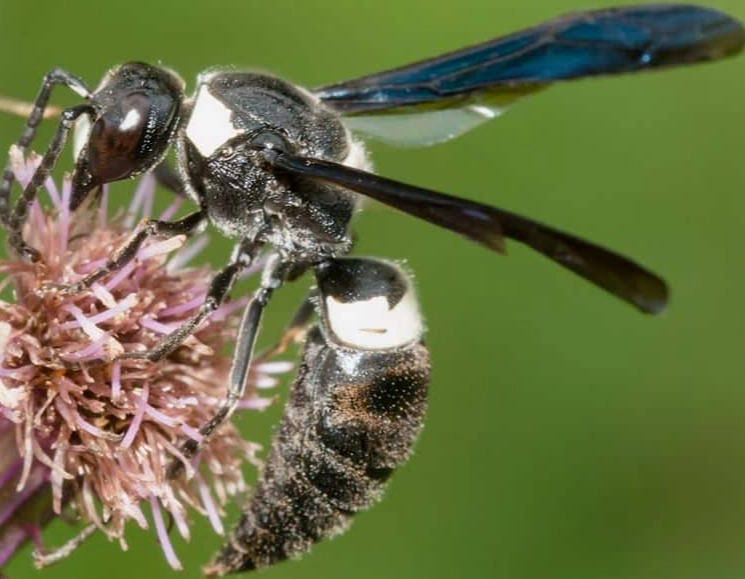
What's Inside This Guide?
- What Exactly is a White Wasp?
- Identifying Features and Their Football Nest
- The Real Dangers: More Than Just a Sting
- Professional Removal vs. DIY: Making the Right Call
- Step-by-Step Guide to Safe Nest Removal (If You Must)
- Long-Term Prevention Strategies That Actually Work
- Your White Wasp Questions Answered
What Exactly is a White Wasp?
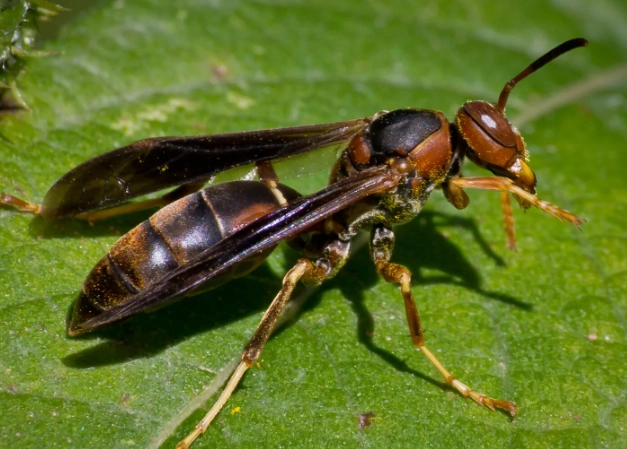
The term "white wasp" is a common name, not a scientific one. It primarily refers to the bald-faced hornet, known for its striking ivory-white markings on its face, thorax, and the tip of its abdomen, contrasted against a mostly black body. They're social insects, living in colonies that can contain 400 to 700 workers by late summer.
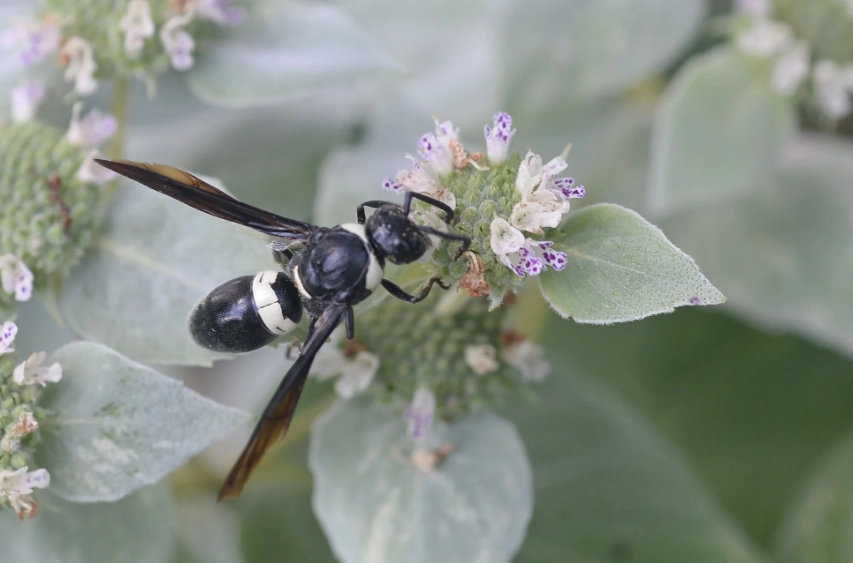
Here's a nuance most generic articles miss: people also sometimes confuse the white-faced hornet (another name for the bald-faced hornet) with other black and white insects, like the great black wasp (which is all black) or certain paper wasp species that have lighter markings. But the bald-faced hornet's combination of size (up to 3/4 inch), aggressive aerial guarding of its nest, and that distinctive, almost paint-like white pattern is unmistakable once you know it.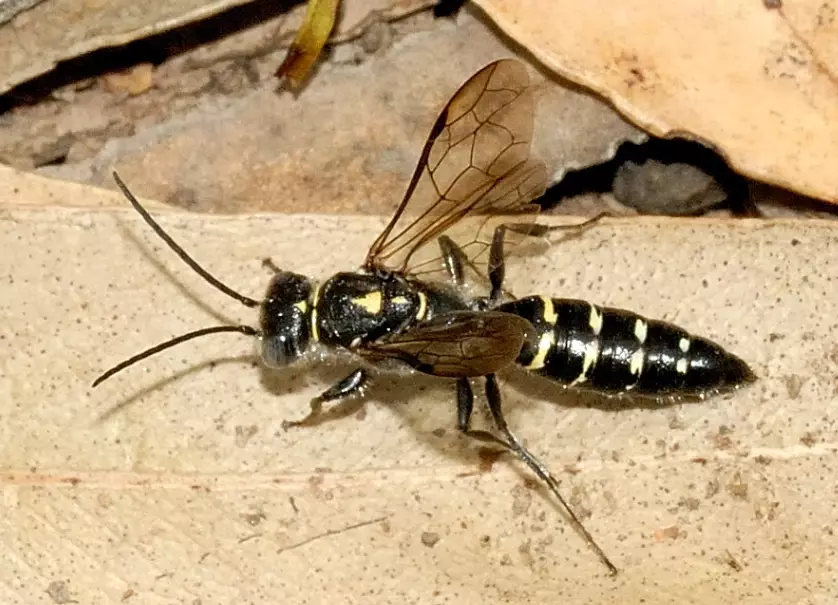
Identifying Features and Their Football Nest
Correct identification is 80% of the battle. Let's break down what you're looking at.
The Insect Itself
- Color: Jet black with creamy-white or ivory-yellow patterns. The face is predominantly white, giving it the "bald-faced" or "white-faced" name.
- Size: Larger than most yellowjackets. Workers are about 1/2 to 5/8 inch; queens can reach 3/4 inch.
- Shape: Classic wasp waist, but robust. They lack the fuzzy body of a bee.
The Nest: A Gray Paper Football
This is their most famous feature. The nest is a closed, egg-shaped structure made of wood fibers chewed into a papery pulp. They are almost always aerial.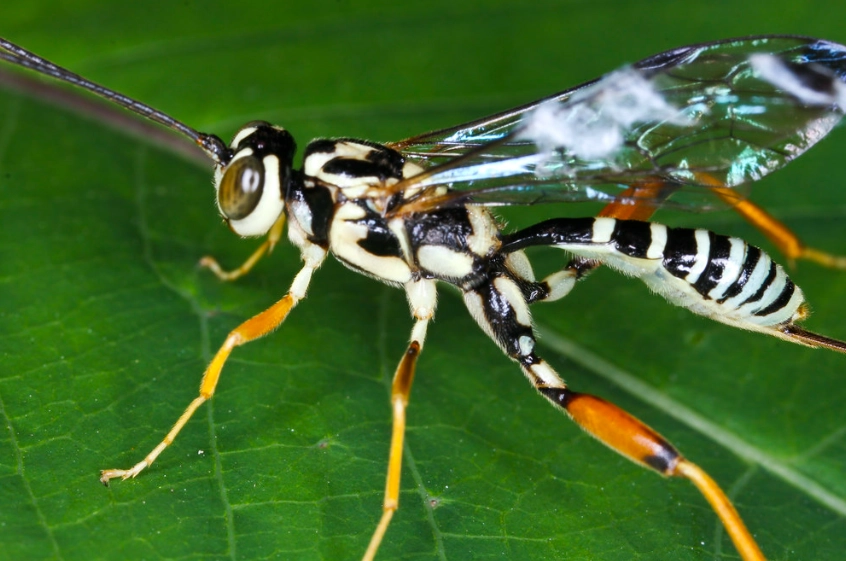
Common Nest Locations (from most to least frequent):
- Tree Branches: Especially in deciduous trees, 3 to 60 feet high.
- Shrubbery: Thick bushes or hedges.
- Building Eaves & Overhangs: Under decks, porch ceilings, or the peak of a roof.
- Utility Poles & Sheds: Any sheltered, elevated spot.
I once encountered a nest built inside a rarely-used barbecue grill cover. They're opportunistic. The nest starts golf-ball sized in spring and can grow to the size of a basketball or larger by fall. A single nest entrance hole is located at the bottom.
The Real Dangers: More Than Just a Sting
Why the concern? This isn't a mild-mannered paper wasp.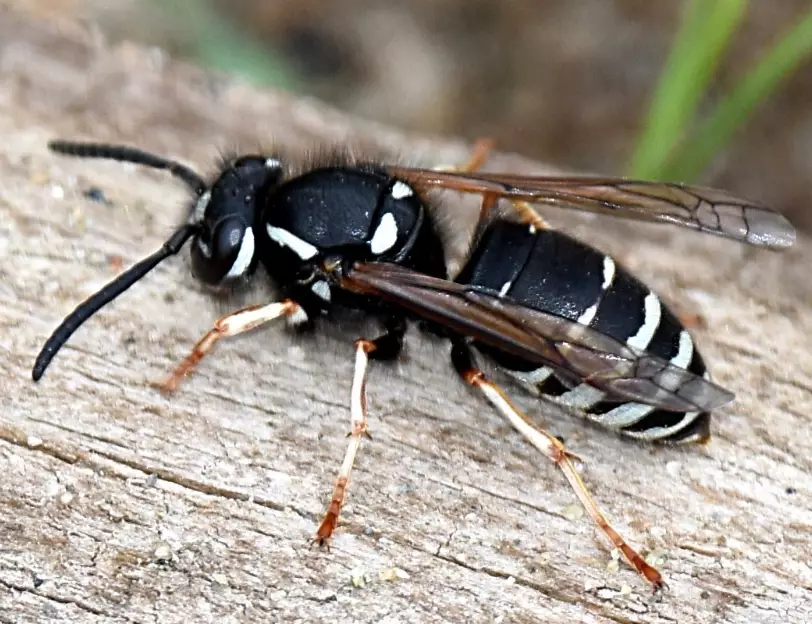
Their sting is painful and can be delivered repeatedly. For those allergic, it's a medical emergency. But there's a hidden risk: their venom contains a higher concentration of acetylcholine than other wasps, which causes a uniquely intense, burning pain. Multiple stings can lead to systemic toxicity even in non-allergic individuals, with symptoms like nausea, fever, and dizziness.
The real-world consequence? A nest near a sidewalk, playground, or mailboxes turns a routine area into a hazard zone. I've seen parks partially closed and construction delayed because of a single, well-placed nest.
Professional Removal vs. DIY: Making the Right Call
This is the critical decision point. Use this table to guide your choice.
| Situation / Nest Feature | DIY May Be Feasible | Call a Professional (Recommended) |
|---|---|---|
| Nest Size | Smaller than a grapefruit, early in season (May-June) | Larger than a grapefruit, especially in late summer/fall |
| Location Height | Within easy, safe reach from the ground (under 8 ft) | High in a tree, under a high roof peak, requiring a ladder |
| Location Sensitivity | In an open shrub away from house traffic | Near doorways, windows, play areas, or electrical fixtures |
| Your Experience & Gear | You have a full bee suit, sealed gloves, and proper insecticide | You have no protective gear or plan to use "home remedies" |
| Allergy Status | No one in the household is allergic to stings | Anyone has a known insect sting allergy |
My professional opinion? For 90% of bald-faced hornet nests, hiring a pro is the wisest, safest investment. The cost (typically $150-$400) is worth avoiding a hospital visit. Professionals have the equipment, insecticides, and techniques to eliminate the colony quickly and with minimal environmental disruption. Many use dust formulations that workers track inside the nest, ensuring the queen is killed.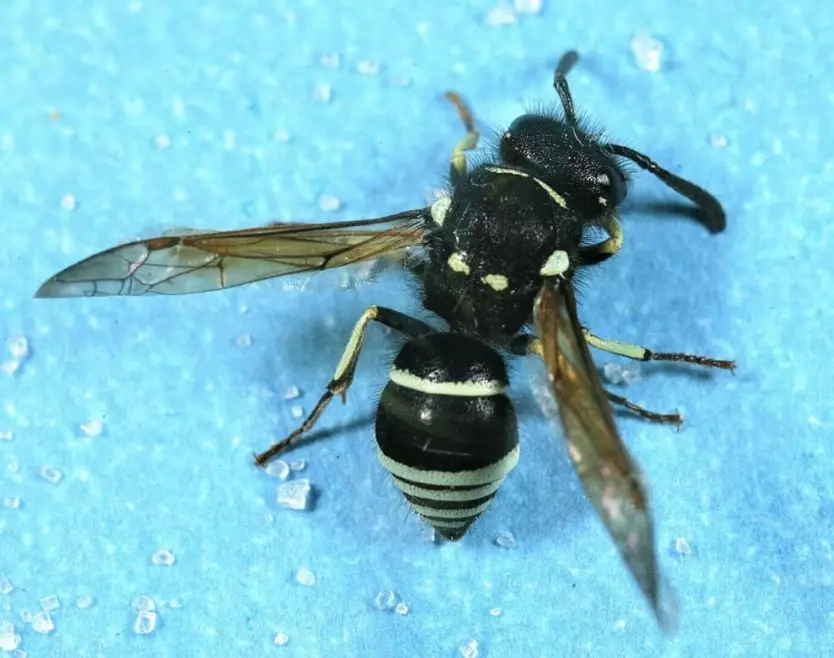
Step-by-Step Guide to Safe Nest Removal (If You Must)
If you've assessed the risk and the nest is small, low, and accessible, here is a methodical approach. Skip any step at your peril.
- Timing is Everything: Attack at dusk or just before dawn. Nearly all the wasps will be inside the nest, and they are far less active in cool, dark conditions. A common amateur mistake is trying this at midday.
- Gear Up Like Your Life Depends On It: This means a full bee suit with a zippered veil, sealed gloves taped to the suit sleeves, long pants tucked into socks, and sturdy boots. Do not use just a jacket and veil.
- Choose the Right Insecticide: Use a pressurized aerosol "wasp and hornet jet spray" that can shoot a stream 10-20 feet. These contain fast-acting pyrethroids. Do not use general-purpose bug spray.
- The Approach and Application:
- Have a clear escape route planned.
- From the maximum distance your spray allows, saturate the nest entrance hole. Coat the entire bottom of the nest. The goal is to hit guards and for the spray to be carried inside.
- Do not stand directly underneath the nest. Retreat immediately after spraying.
- Wait and Verify: Leave the area for at least 24 hours. The next evening, observe from a safe distance. If you see no activity for two consecutive evenings, it's likely safe.
- Nest Disposal: Knock the nest down into a heavy-duty garbage bag, seal it immediately, and place it in an outdoor trash bin. Wear your protective gear for this step too, as stragglers may remain.
Long-Term Prevention Strategies That Actually Work
Stopping them before they start is easier than removal. In early spring, the overwintered queen scouts for a nest site. Your goal is to make your property less appealing.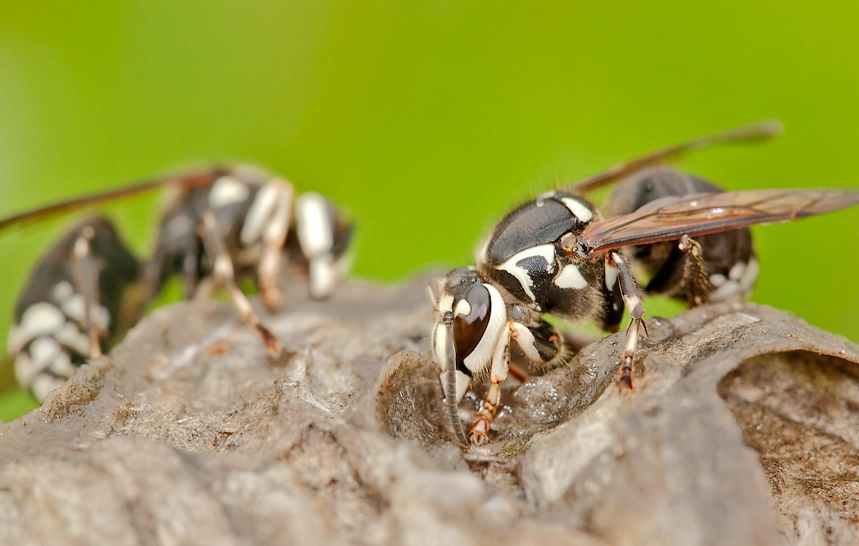
- Early Spring Patrols (April-May): Regularly check eaves, sheds, and low tree branches for the starter nest—a small, open-celled comb about the size of a walnut. At this stage, it's just the queen. You can often knock it down with a broom during a cool evening and step on it. It's gross but effective.
- Reduce Attractants: Keep trash cans tightly sealed. Clean up fallen fruit. Use lids on sugary drink containers outdoors. While they are primarily predatory (feeding other insects to their larvae), adults are attracted to sugars.
- Seal Potential Cavities: Repair holes in soffits, siding, and attic vents. They occasionally build in wall voids if there's an access point, which creates a much bigger problem.
- Consider Decoy Nests: There's anecdotal evidence and some study support (like research from the University of Florida IFAS Extension) that fake paper wasp nests hung in early spring can deter founding queens, as they are territorial. It's a low-cost, chemical-free option worth trying in problem areas.
Your White Wasp Questions Answered
What should I do if I'm stung by a white wasp?
Wash the area with soap and water immediately. Apply a cold pack to reduce swelling and pain. Over-the-counter antihistamines and pain relievers can help. Watch closely for signs of a severe allergic reaction—difficulty breathing, swelling of the lips/tongue/throat, dizziness, or a rapid heart rate. If any of these occur, call emergency services. For multiple stings (more than 10-15), even without a known allergy, it's wise to seek medical advice due to the risk of systemic venom effects.
Will white wasps damage my house?
Typically, no structural damage. They use weathered wood for nest material but don't burrow into sound wood like carpenter bees. The primary risk is if they build a large nest in a wall void (entering through a pre-existing hole). The weight and moisture from the nest can cause issues, and if the colony dies, the abandoned nest can attract other pests like carpet beetles. The bigger threat is the liability and danger they pose to people, not the building itself.
 What's the difference between a white wasp and a yellow jacket?
They're cousins in the same family. Bald-faced hornets ("white wasps") are a type of aerial-nesting yellowjacket. The key differences: coloration (black & white vs. black & yellow), nest location (almost always aerial vs. often underground or in cavities), and nest structure (enclosed paper football vs. often paper comb in a cavity). Behaviorally, bald-faced hornets are generally more aggressive in defending a wider perimeter than most ground-nesting yellowjackets.
Can I just leave the nest alone over winter?
Yes, but with a major caveat. The colony dies off in late fall after a hard freeze. Only the newly mated queens survive, hibernating elsewhere. The paper nest is abandoned and will not be reused next year. So, the physical nest is harmless over winter. You can safely remove it during the cold months. However, leaving it up may encourage superstitious thinking that it deters other wasps—it doesn't. A new queen next spring will simply build a new nest nearby.
What's the most common mistake people make when trying to remove a nest themselves?
Underestimating the defensive range and speed of the colony. People think if they spray from 8 feet away, they're safe. I've seen agitated hornets pursue a person for over 50 yards. They also fail to treat at the right time (dusk/dawn) and use inadequate insecticide—a short-range spray that just angers the outer guards. The result is a partially treated, highly aggressive nest that now requires a much more dangerous follow-up or an emergency professional call.
Comments