You hear a scratching in the wall at night. You find tiny, mysterious droppings in a kitchen drawer. Your prized houseplant is suddenly covered in sticky residue. Your first reaction might be panic, followed by a frantic Google search for "what kind of bug is this?" That's where most people go wrong. Jumping straight to extermination without proper pest identification is like taking antibiotics for a virus—it's expensive, often ineffective, and can make the real problem worse. Correctly identifying your unwelcome guest is the single most important step in any pest control strategy. It tells you what they eat, where they nest, what dangers they pose, and, crucially, how to get rid of them for good. This guide isn't just a list of bugs; it's a system. I've spent over a decade in integrated pest management, and I'll walk you through the detective work that turns a mystery into a solvable problem.
What You'll Learn in This Guide
Why Skipping Pest Identification is Your Biggest Mistake
I get it. When you see a cockroach scuttle under the fridge, your instinct is to spray the entire kitchen with whatever can you grab first. Resist that urge. Misidentification leads to treatment failure. For example, treating for sugar ants when you have moisture-seeking carpenter ants means you'll kill the foragers but miss the main colony destroying your wall studs. The problem will come back, often stronger.
Proper identification saves you money and frustration. It targets your efforts. Knowing you have German cockroaches (which thrive indoors and reproduce rapidly) versus Oriental cockroaches (which often come from sewers) dictates completely different baiting and sanitation strategies. The Environmental Protection Agency (EPA) emphasizes that identification is the foundation of integrated pest management. You can't manage what you don't know.
The 5-Step Pest Detective System for Accurate Identification
Forget trying to match a blurry phone photo to a gallery of a thousand insects. Follow this systematic approach instead. It works for everything from bugs to rodents.
Step 1: Gather the Evidence (Be a Forensic Scientist)
Don't kill the first bug you see immediately. If safe, catch it. A clear photo from top and side is gold. Use a macro lens or the close-up mode on your phone. If it's already dead, use clear tape to pick it up and stick it to a white piece of paper—this preserves details. Now, look beyond the bug itself.
Secondary Evidence is Key:
- Droppings: Size, shape, color? Mouse droppings are pointed, like grains of rice. Rat droppings are larger, capsule-shaped. Cockroach droppings resemble coffee grounds or black pepper.
- Damage: Holes in wood? Silky tubes of mud? (Termites or mud daubers). Ragged edges on eaten food? (Rodents). Precise, small holes? (Drugstore or cigarette beetles).
- Sounds: Scratching in walls (often rodents or larger insects), chirping (crickets), or a faint clicking (some beetles).
- Odors: A sweet, musty smell can indicate a large bed bug infestation. A pungent, oily odor is classic for stink bugs or some roaches.
Step 2: Pinpoint the Location and Activity Pattern
Where exactly did you see the pest? This is a huge clue.
Basement/Attic/Crawlspace: Often darker, damper pests—silverfish, camel crickets, sowbugs, mice, cluster flies.
Bedroom/Living Room: Fabric pests (carpet beetles, clothes moths), bed bugs (near the bed), or occasional invaders like boxelder bugs that wander in.
Activity Time: Nocturnal activity (cockroaches, most rodents, bed bugs) vs. daytime activity (many ants, flies, spiders).
Step 3: Analyze Physical Characteristics (The Nitty-Gritty)
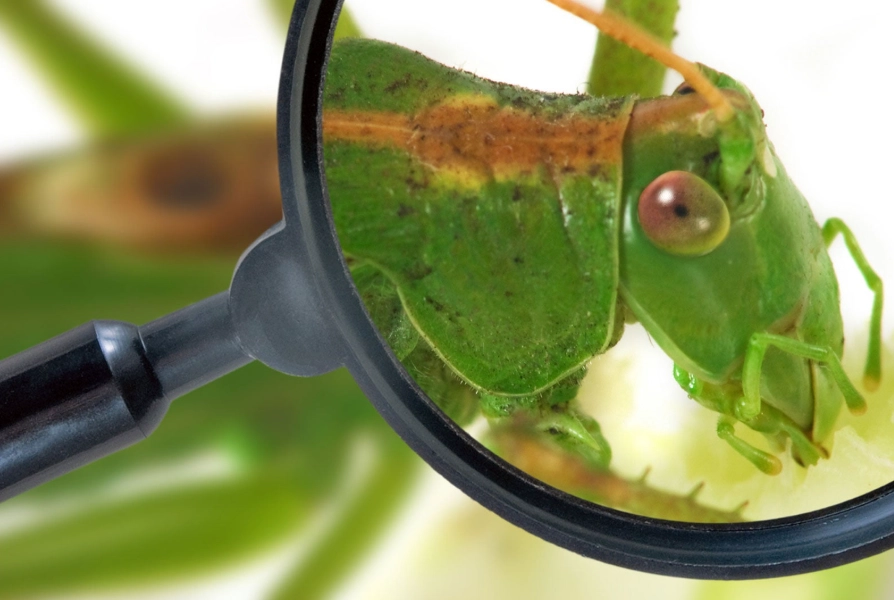
Now, examine your photo or specimen. Use a magnifying glass if you have one.
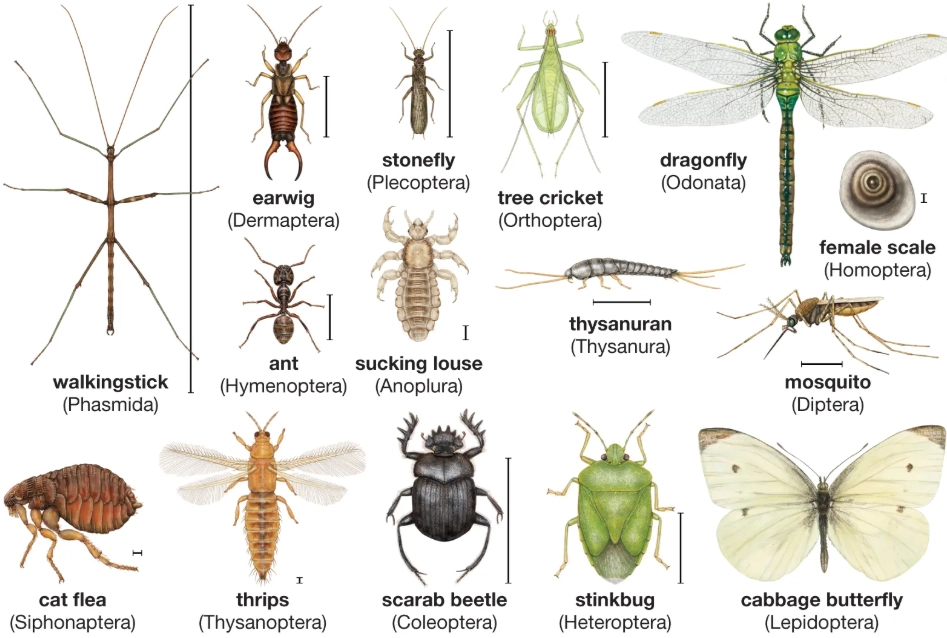
- Number of Legs: 6 legs = insect. 8 legs = arachnid (spider, mite, tick). Many legs = centipede/millipede.
- Wings: Does it have wings? Are they held flat over the body (beetles), roof-like (most true bugs), or are the front wings leathery (grasshoppers, cockroaches)?
- Antennae: Long and thin? Feathery? Elbowed (like ants)? This is a major insect order identifier.
- Body Shape: Segmented like a pillbug? Elongated and flat (cockroach)? Round and hard (beetle)? Soft-bodied (aphid)?
Step 4: Consult Reliable Resources (Not Just Social Media)
Avoid generic "bug identifier" apps that are often wrong. Instead, use university extension websites. They are authoritative and region-specific. The University of California's Statewide IPM Program or Penn State Extension have excellent photo galleries and fact sheets. Your local cooperative extension office is an invaluable, underused resource.
Step 5: Corroborate and Confirm
Match your evidence, location, and physical description. Does the behavior of the suspected pest match what you're seeing? If you think you have carpenter ants but only see one every few weeks in the kitchen, you might be wrong—they're usually more visible when a colony is mature. Keep looking for more evidence (sawdust-like frass). If you're stuck, take your clear photos and notes to a professional for a confirmation.
Common Culprits: A Home Invader Profile
Let's apply the system to some frequent offenders. This isn't an exhaustive list, but a deep dive into the ones that cause the most confusion.
The German Cockroach
Key ID Features: Small (about 1/2 to 5/8 inch), light brown with two dark, parallel stripes running from the head to the wings. Wings cover the abdomen but they rarely fly.
Where You'll Find Them: Kitchens, bathrooms, appliances—anywhere with heat, moisture, and food residue. They live entirely indoors.
Tell-tale Signs: Small, dark droppings that look like pepper or coffee grounds. A faint, musty odor in heavy infestations. Egg cases (oothecae) that look like tiny, brown purses.
Common Misidentification: Often confused with Asian cockroaches (which are attracted to light and fly) or young American cockroaches (which are redder and lack the stripes).
Carpenter Ants vs. Termites
This is the classic mix-up. Both can damage wood, but they're totally different.
Carpenter Ants: Antennae are elbowed. Waist is pinched (typical ant shape). Front and hind wings are different sizes if you see a swarmer. They don't eat wood; they excavate it to nest, pushing out coarse sawdust-like frass that contains insect parts.
Termites: Antennae are straight and bead-like. Waist is broad, not pinched. Swarmers have four wings of equal size that are much longer than their body. They consume wood, leaving behind mud-packed tunnels (mud tubes) on foundations and a fine, gritty frass.
The Big Difference: Carpenter ants need a moisture problem first (rotten wood). Termites eat sound, dry wood.
House Mouse
Key ID Features: Small (2.5-4 inches body + tail), dusty gray, large ears relative to head, pointed snout. Tail is long, thin, and scaly.
Where You'll Find Them: Anywhere in the house, but especially near food sources in walls, attics, and basements. They can fit through a hole the size of a dime.
Tell-tale Signs: Small, pointed droppings (1/8-1/4 inch). Gnaw marks on food packaging, wires, or wood. Greasy rub marks along walls (from their oily fur). Nests made of shredded paper or insulation.
Common Misidentification: Confused with young rats (which have proportionally smaller ears and a blunter snout) or voles (which are stockier with a shorter tail and rarely enter homes).
Handling the Tricky Identifications: When It's Not Obvious
Some situations are puzzles. You have signs but no bug. Let's walk through a scenario.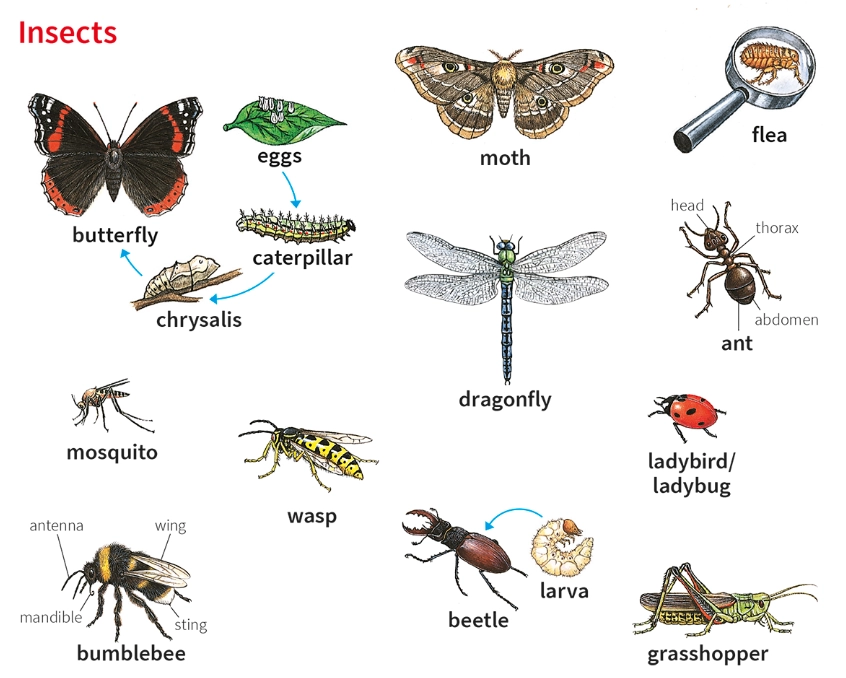
Scenario: You find small piles of what looks like fine sawdust under a wooden shelf in your garage. No bugs in sight.
This is frass (insect excrement). The type of frass tells the story.
- Fine, powder-like frass: Likely from powderpost beetles or drywood termites. Tap the wood. If more powder falls out of exit holes, it's active.
- Coarser frass with insect parts: More indicative of carpenter ants or wood-boring beetles like old house borers.
- Pellets that are uniform and hexagonal: Drywood termites. They kick these pellets out of "kick-out" holes.
In this case, you'd need to look for the holes. Tiny, round holes (1/16 to 1/8 inch) suggest beetles. You might need to use a flashlight at an angle to see them. No holes? The frass might be old. Clean it up and monitor for new accumulation—that's the only way to know if the infestation is active.
You've Identified the Pest. Now What?
Identification is the diagnosis. Now you need the treatment plan.
- Research the Pest's Biology: Now that you know its name, learn its lifecycle, favorite food, and nesting habits. This tells you where to target. The National Pesticide Information Center is a great non-biased resource for this.
- Sanitation and Exclusion are Non-Negotiable: For 90% of household pests, removing their food, water, and shelter solves most of the problem. Seal cracks, fix leaks, store food in airtight containers, and declutter. This is more effective long-term than any spray.
- Choose the Right Control Method: Based on your research. For ants, baits are often best. For occasional invaders, sealing entry points is key. For a heavy German roach infestation, a combination of gel baits and insect growth regulators (IGRs) is the professional standard.
- Know When to Call a Pro: If the infestation is widespread, involves structural pests (termites, carpenter ants), or poses health risks (stinging insects, severe rodent issues), hire a qualified pest management professional. Give them your identification notes—it makes their job faster and cheaper for you.
Your Pest Identification Questions Answered
 I get bites but can't find bed bugs. Could it be something else?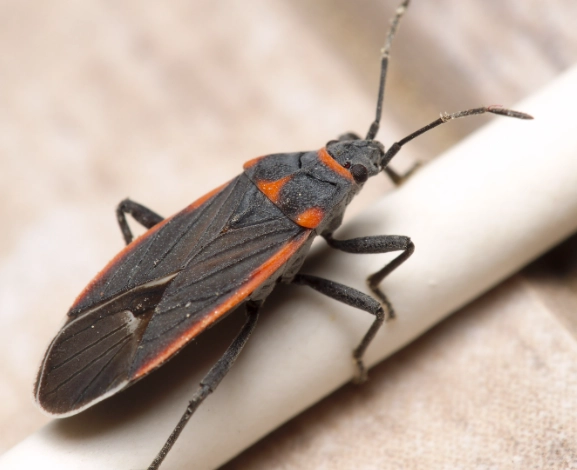
Comments