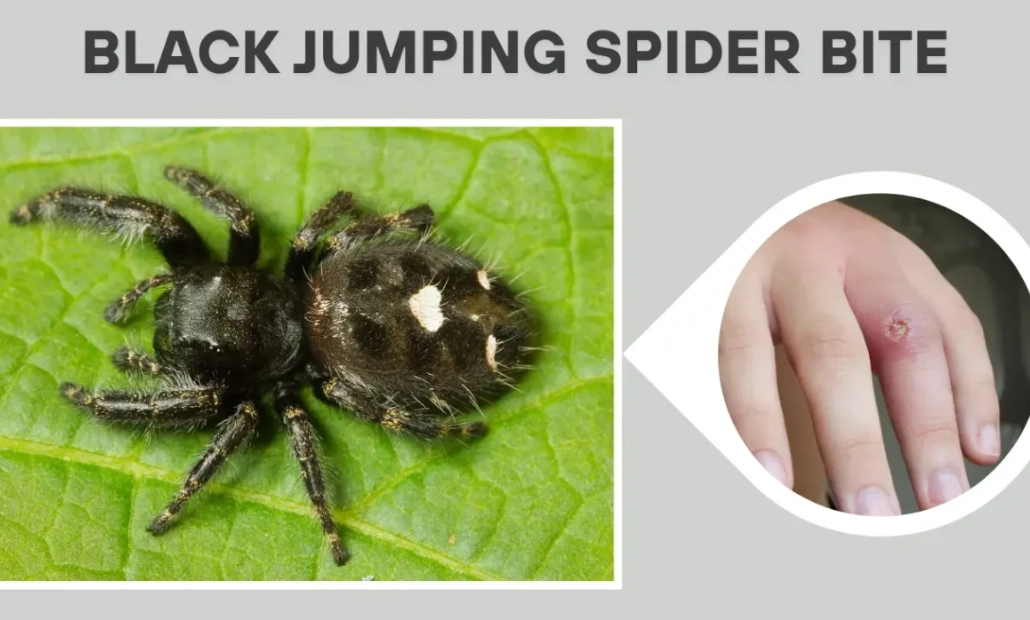
Let's cut to the chase. Yes, jumping spiders can bite. They have fangs (chelicerae) and venom, which is how they subdue their insect prey. But here's the critical part you need to understand: the chance of a jumping spider biting a human is astronomically low, and the effects are almost always negligible. I've kept and observed these fascinating creatures for years, and the widespread fear is completely disproportionate to the reality. Most of the panic comes from misidentification—people often mistake more aggressive house spiders for the curious, big-eyed jumpers.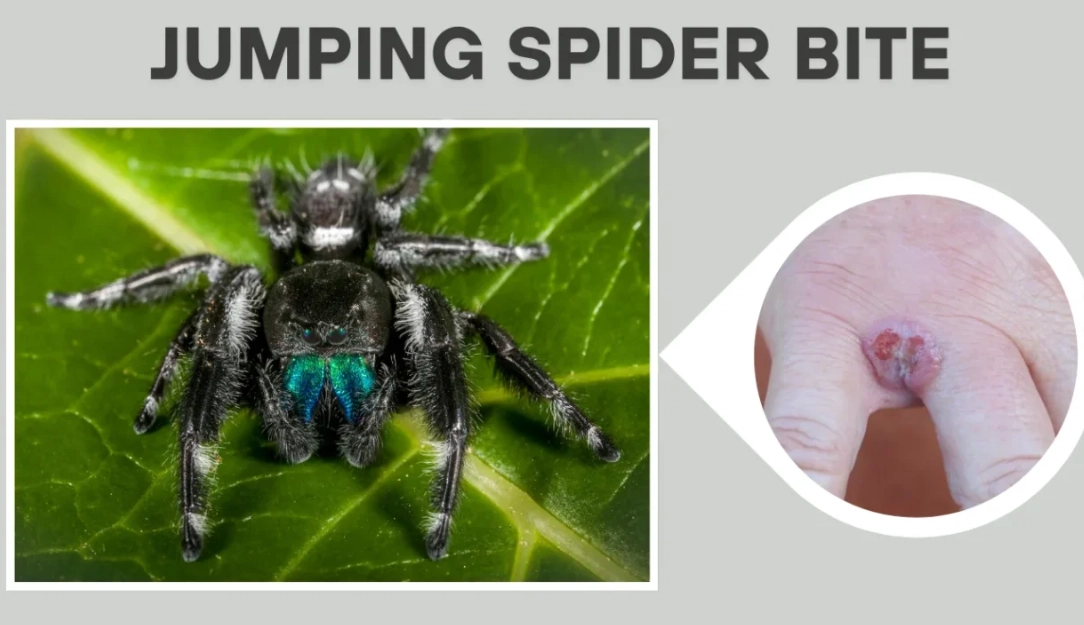
What's Inside This Guide
How a Jumping Spider Bite Actually Works
To understand the risk, you need to know the tool. A jumping spider's fangs are tiny, designed to puncture the exoskeletons of flies and crickets. They're not built for human skin. Think of it like trying to use a sewing needle to pierce thick leather—it might make a pinprick if you press hard enough, but it's not efficient or the spider's first choice.
Their venom is tailored for their prey. For humans, it's typically less potent than a bee sting. I recall the one time I was careless during a rehousing and got a defensive nip. The sensation was a quick, sharp pinch—like a tiny needle prick—that faded in seconds. There was a minuscule red spot, no swelling, and it was completely forgotten in an hour. Compare that to the lingering pain and swelling of a bee sting, and you see the difference.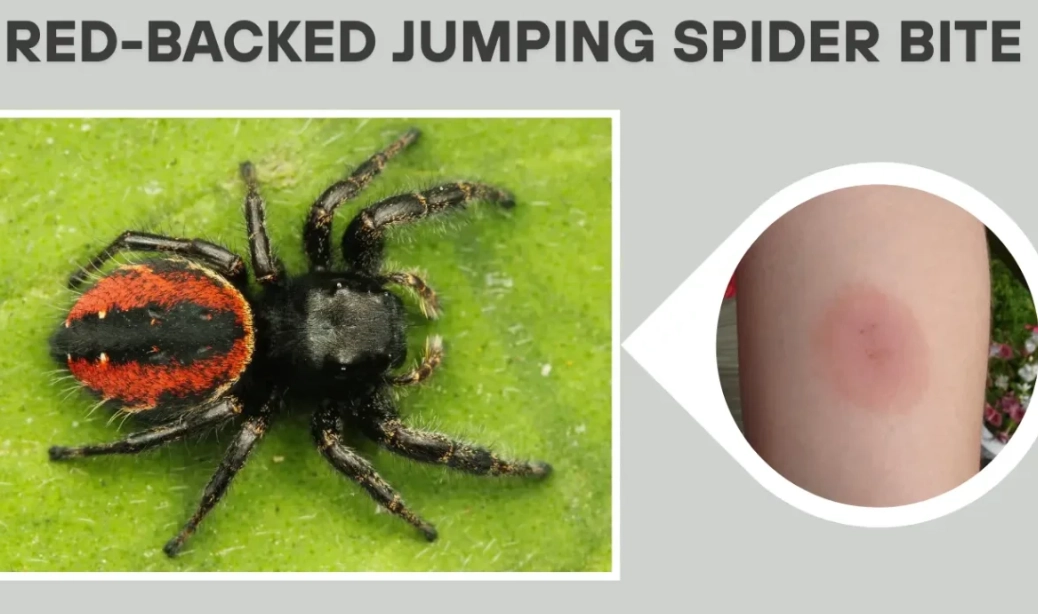
Key Point: A jumping spider's primary defense is not biting. It's jumping away. Their incredible vision and agility mean flight is always preferable to fight. Biting is a last-resort behavior when they feel trapped and threatened with no escape route.
Comparing Spider Bites: A Quick Reality Check
>| Spider Type | Likelihood of Biting Humans | Typical Reaction | Primary Behavior |
|---|---|---|---|
| Jumping Spider | Extremely Low | Mild pinch, maybe a tiny red mark | Curious, observational, jumps to flee |
| Common House Spider (e.g., Cellar Spider) | Low | Minor itch or small bump | Passive, builds webs, plays dead |
| Black Widow | Low (defensive only) | Potentially severe pain, muscle cramps, nausea | Reclusive, bites only when pressed against skin |
When Would a Jumping Spider Bite a Human?
You're not going to get bitten walking through your garden. Bites happen in specific, avoidable contexts. The number one scenario is mishandling by an inexperienced keeper. New enthusiasts, excited by their pet's curiosity, often try to handle them directly. If the spider feels a loss of footing or gets squeezed accidentally, it might bite in panic.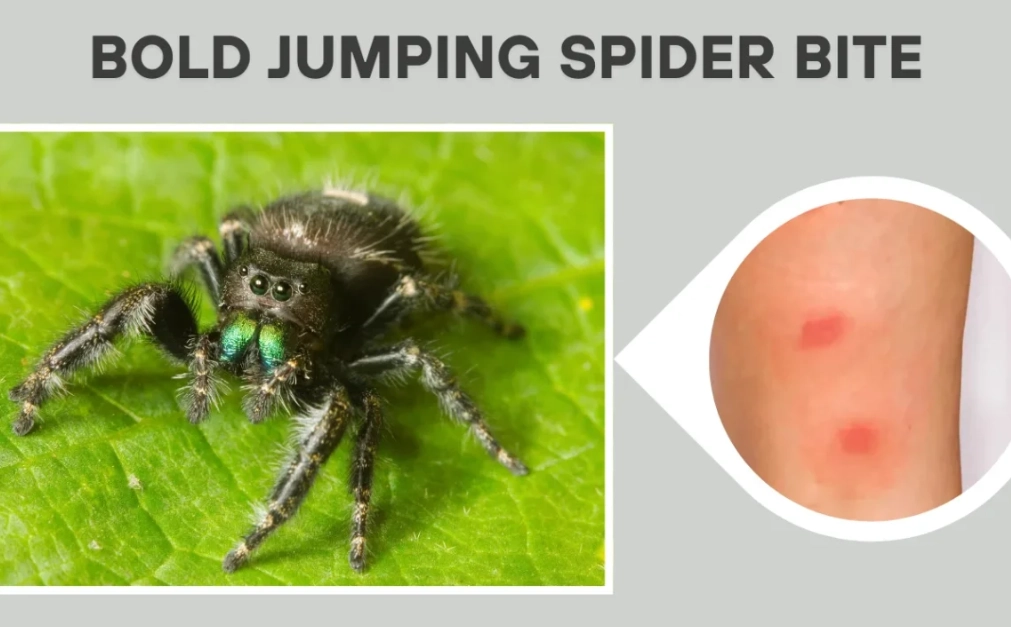
Another scenario is when the spider is trapped against your skin. Imagine you put on a jacket that's been hanging in the garage, and a jumper was exploring inside the sleeve. If you crush it by accident as you push your arm in, it might bite defensively. This is why shaking out clothing is good practice for all sorts of critters, not just jumpers.
A subtle mistake I see often: people assume because the spider is walking on them, it's "friendly" and won't bite. The spider is simply exploring a new landscape. The risk arises if you suddenly move or try to grab it, breaking its sense of security.
Identifying a Bite and What to Do
First, verify it was a jumping spider. Did you see it? Was it compact, fuzzy, with large forward-facing eyes? If you just felt a pinch and saw a small, fast-moving spider, chances are higher it was a jumper.
Symptoms are usually mild and local:
- An immediate, sharp pinprick sensation that fades quickly.
- A tiny red spot, similar to a mosquito bite mark.
- Possible mild itchiness for a short period.
- Significant swelling, throbbing pain, or systemic symptoms (nausea, dizziness) are highly unlikely and suggest a different cause or a possible allergic reaction.
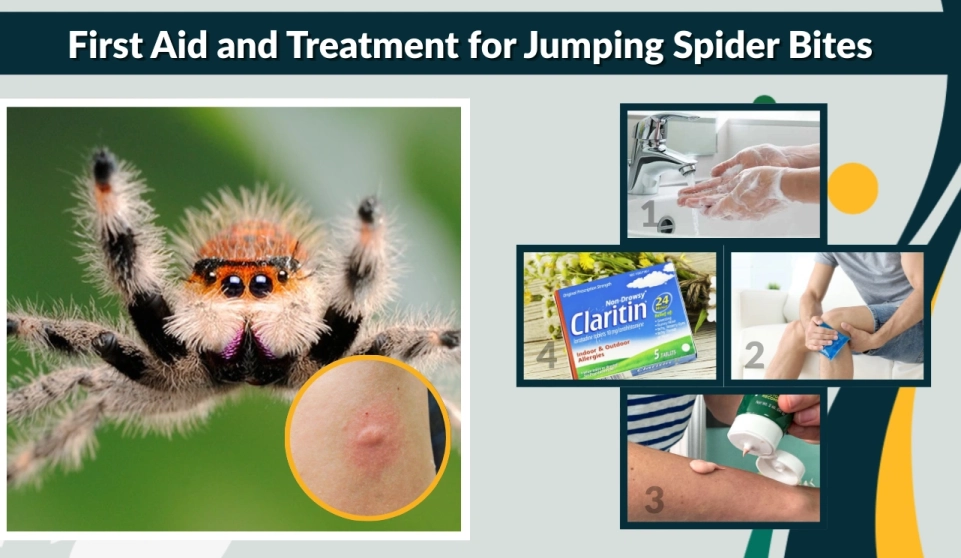
Step-by-Step First Aid
- Stay Calm. Remember, this is not a medically significant event.
- Wash the area thoroughly with soap and warm water to prevent any secondary bacterial infection.
- Apply a cold compress or ice pack wrapped in a cloth for 10-15 minutes to reduce any minor swelling or itching.
- You can use an over-the-counter hydrocortisone cream or antihistamine if itching is bothersome.
- Monitor the site. It should improve within hours.
When to See a Doctor: Seek medical attention only if you experience signs of infection (increasing redness, warmth, pus) or an allergic reaction (difficulty breathing, swelling of the lips or throat, widespread hives). This is exceedingly rare from a jumping spider bite and is more about individual hypersensitivity.
Living Safely with Jumping Spiders
Jumping spiders are beneficial predators. They eat pests like flies, mosquitoes, and moths. The goal isn't eradication, but peaceful coexistence.
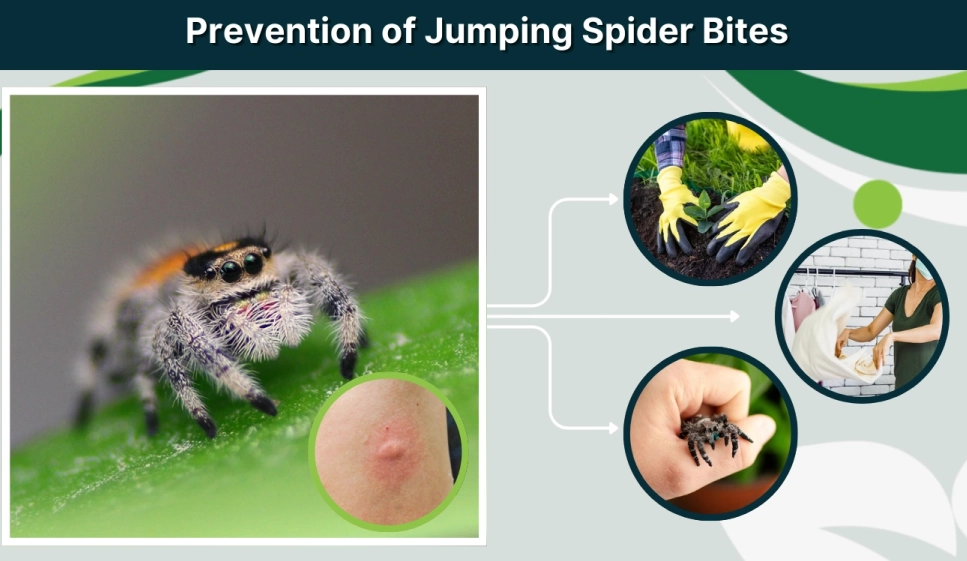
- For Wild Spiders Indoors: Use the cup-and-card method. Gently trap them under a glass, slide a stiff piece of paper underneath, and release them outside. Don't squash them out of fear.
- For Pet Jumping Spiders: Respect their space. Handle them minimally and always over a soft, padded surface. Let them walk onto your hand voluntarily; never pick them up. A common new keeper error is trying to handle a spider that is not yet settled in its new home—give it a week to acclimate.
- General Precautions: Shake out gardening gloves, boots, or outdoor clothing that has been stored. Keep window screens in good repair to manage all insects and spiders.
Busting Common Jumping Spider Myths
Myth: Jumping spiders are aggressive and will chase you to bite.
Fact: Their movements are exploratory, not aggressive. They might jump toward something that interests them (a moving thread, a camera lens), not to attack. A spider "charging" you is almost certainly a case of it misjudging a escape route.
Myth: All spider bites leave two puncture marks.
Fact: This is a persistent myth. Due to the tiny size of jumping spider fangs and the skin's elasticity, a bite will usually appear as a single small red mark, if it's visible at all.
Myth: If you find a jumping spider in your bed, it's likely to bite you in your sleep.
Fact: They have zero interest in you as a food source. You are a giant, warm mountain. The spider is far more likely to be hunting a tiny gnat near your lamp. It will avoid your moving body at all costs.
Your Jumping Spider Bite Questions Answered
 How can I tell the difference between a jumping spider bite and a mosquito bite?
The bottom line is simple. Jumping spiders pose a negligible threat to humans. Their bite is a rare, defensive action with minimal consequences. The energy spent worrying about a bite is better directed toward appreciating these intelligent, beneficial arachnids that help control actual pests in our homes and gardens. Understanding their behavior is the key to eliminating fear.
Comments