You're in the garden, moving a pot, and a dark, fast-moving insect with what looks like scary pincers on its rear scuttles away. Your first thought might be "centipede" or even "tiny scorpion." But chances are, you've just met an earwig. The name itself sounds unsettling, fueling myths. Let's cut through the folklore. Knowing exactly what an earwig looks like is your first step to understanding—and often, not fearing—this common backyard insect.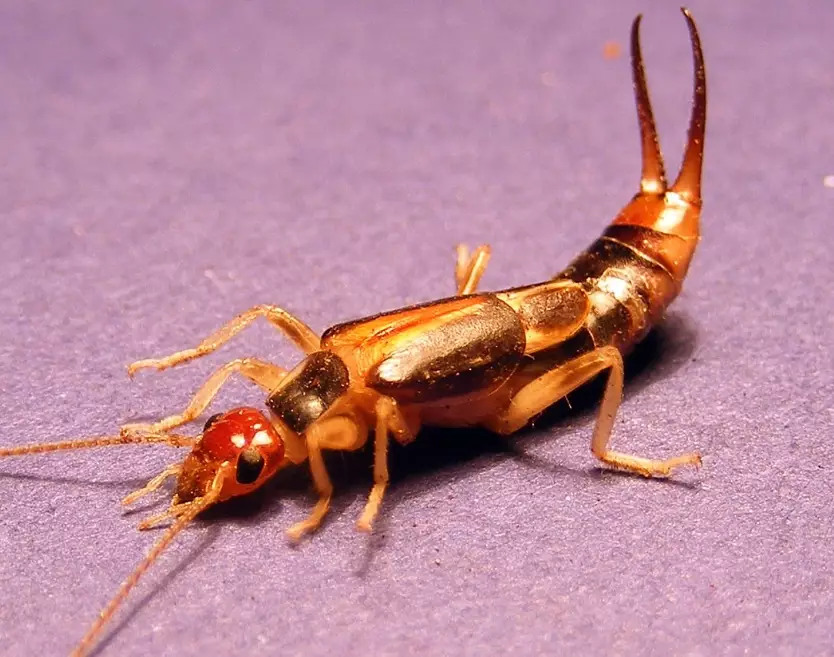
Quick Navigation: Find What You Need
Key Features for Identifying an Earwig
Forget the old wives' tales. An earwig's anatomy is distinctive once you know what to look for. It's not just about the pincers.
The body is long, narrow, and flattened—perfect for squeezing into tight spaces under bark, stones, or, yes, occasionally under your porch mat. They're not round like a beetle.
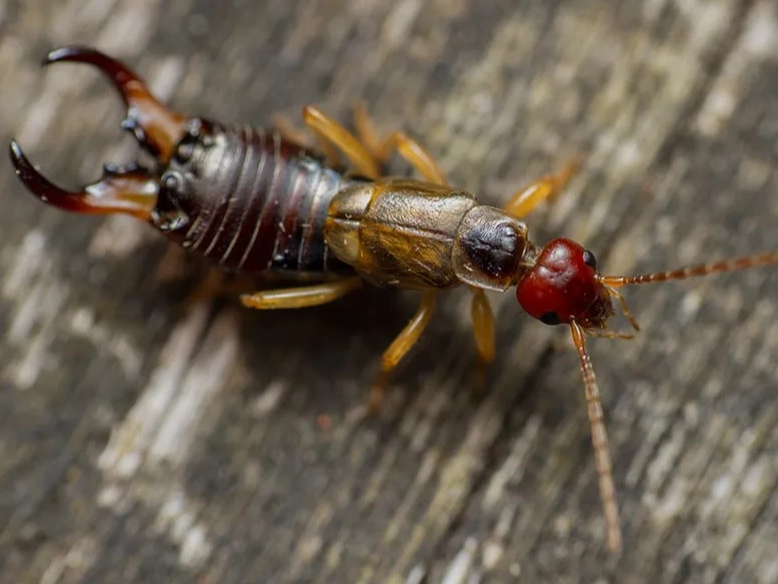
The Pincers (Forceps or Cerci): This is the star of the show. Those curved appendages at the tail end are called cerci. They're not stingers and they're not for biting in the traditional sense. They're multi-tools: used for defense, capturing prey, and even helping fold their delicate wings. On males, they're more curved and robust; females have straighter, more parallel pincers. A common mistake is thinking the pincers are near the head. They're always at the rear.
Color and Size: The most common species, the European earwig, is a shiny reddish-brown to dark brown or black. They're not huge. Adults typically range from 5/8 of an inch to just over 3/4 of an inch long (about 16-20mm). You won't find a foot-long monster.
Head and Antennae: They have a noticeable head with chewing mouthparts pointing forward. Their antennae are long, thin, and beaded (like a string of tiny pearls), usually about half the length of their body. They're constantly moving them to sense their environment.
The Wings Mystery: Most people have never seen an earwig fly. That's because they rarely do. They have two pairs of wings. The first pair are short, leathery, and cover-like (tegmina). The second pair, hidden beneath, are large, membranous, and fan-shaped, folded intricately under the short forewings. The folding process, using those pincers, is a marvel of insect engineering. According to the Amateur Entomologists' Society, this complex wing-folding mechanism is unique to the earwig order (Dermaptera).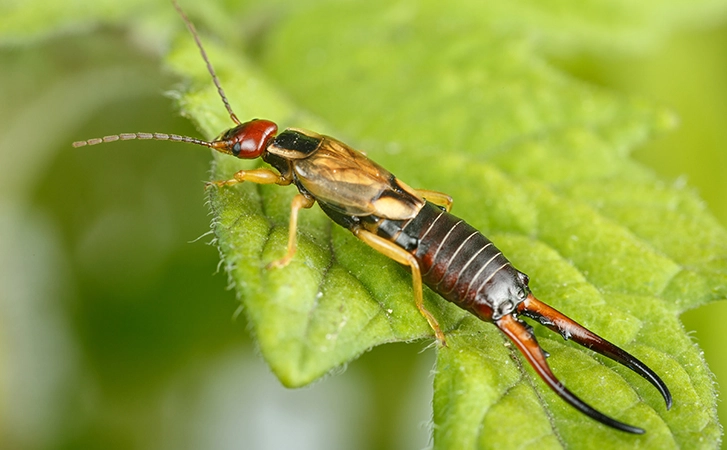
Pro Tip from the Garden: When trying to identify one, don't just look—gently coax it onto a piece of white paper. The contrast makes the color, segmentation, and those characteristic pincers much easier to see. A magnifying glass reveals the beautiful bead-like segments of the antennae.
How to Tell an Earwig Apart from Look-Alikes
This is where most confusion happens. People see a long, multi-legged bug and jump to conclusions. Let's clear it up.
The two most common mix-ups are with centipedes and immature cockroaches (nymphs). The table below breaks it down visually.
| Feature | Earwig | Centipede | Cockroach Nymph |
|---|---|---|---|
| Body Shape | Flattened, elongated | Flattened, elongated (very similar) | Oval, broader, less elongated |
| Legs | 6 legs (like all insects) | Many legs (15+ pairs), one per segment | 6 legs |
| Rear Appendages | Prominent pincers (cerci) | No pincers, just long rear antennae | Two short cerci (tiny threads, not pincers) |
| Antennae | Long, beaded, thin | Long and thread-like | Long and thread-like |
| Speed | Fast, but usually a scurrying run | Extremely fast, fluid movement | Fast, but often more deliberate |
| Common Habitat | Damp, dark places outdoors (mulch, logs) | Similar, but also indoors in basements | Indoors, near moisture & food |
The leg count is the instant giveaway against centipedes. If you have time to count more than six legs, it's not an earwig. Against a cockroach nymph, look at the rear. Cockroach cerci are tiny, hair-like projections. An earwig's forceps are unmistakable—they look like miniature pliers.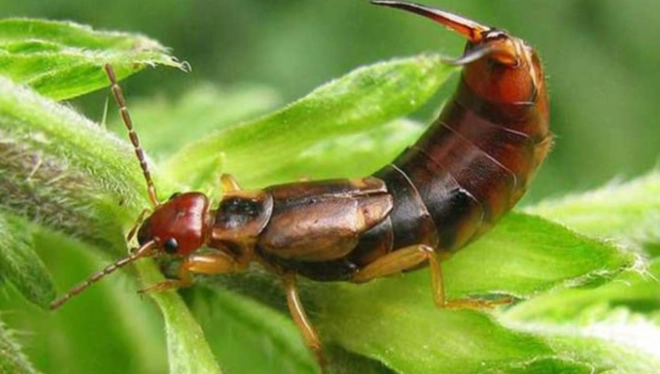
How to Identify an Earwig by Its Behavior?
Sometimes, you see the bug but can't get a perfect look. Behavior can be a strong clue.
Nocturnal Activity: Earwigs are primarily night owls. If you're seeing active, long bugs with pincers under a porch light at night, earwigs are a prime suspect. Centipedes are also nocturnal, so use the leg-count rule.
Hiding Spots: They crave moisture and tight contact. During the day, they hide in spectacularly small crevices: under flowerpot saucers, within the folds of rolled-up leaves, inside decaying wood, or under mulch. Finding a cluster of them in a single hiding spot is common. I once lifted a flat stone in my vegetable patch and found a dozen nestled together.
Defensive Posture: If threatened, an earwig will often arch its back and raise those pincers towards the threat, like a tiny, angry scorpion. It's more for show—they can pinch with them, but it's rarely strong enough to break human skin. It feels like a faint, sharp poke.
Male vs Female Earwigs: Spotting the Difference
This is a subtle but fascinating point most guides don't cover. You can tell them apart by their pincers.
Take a look at the shape. Male earwigs have strongly curved, asymmetrical pincers that look almost like calipers. The curves are more pronounced. Female earwigs have straighter, more parallel pincers with less curve. Why the difference? Males use their more curved forceps for wrestling other males and for courtship. Females use their straighter tools primarily for grooming and protecting their eggs.
It's a small detail, but noticing it makes you a more observant identifier. It also explains why you might see two earwigs that look slightly different—they're not different species, just different sexes.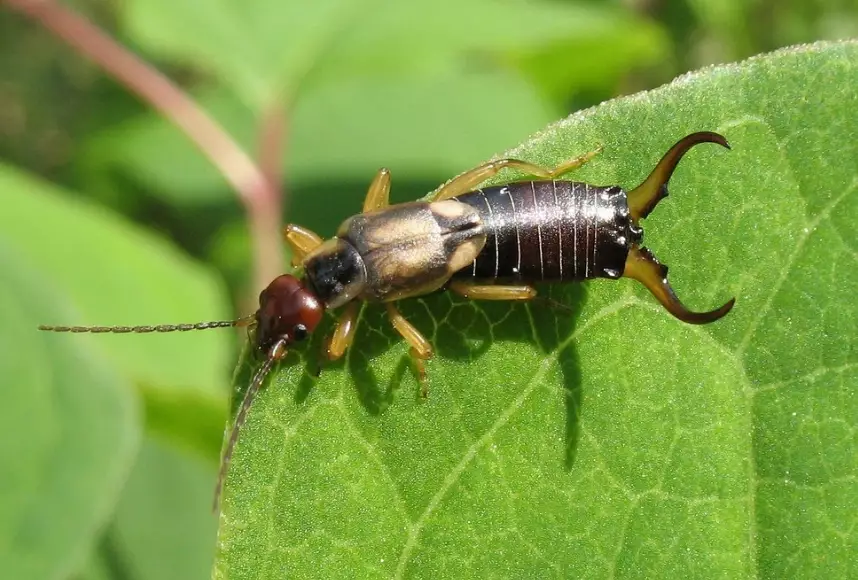
Your Earwig Identification Questions Answered
 Can an earwig's pinch hurt or break the skin?
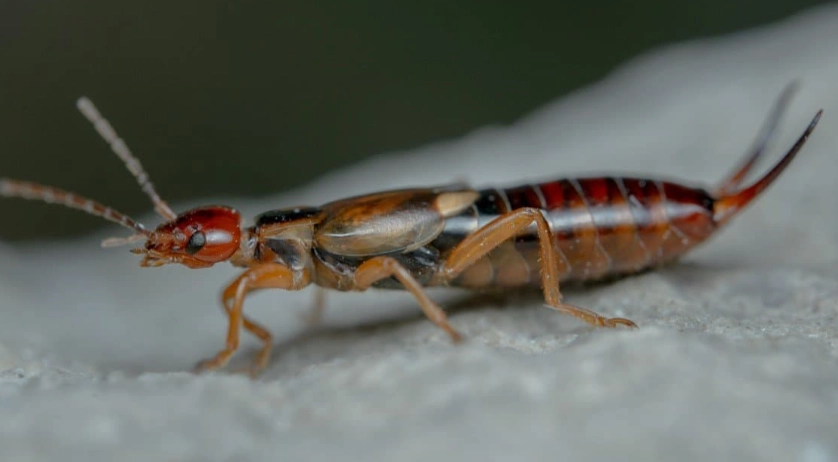 So, what does an earwig look like? It's a slender, reddish-brown insect with a distinctive pair of pincers at its tail, long beaded antennae, and a knack for hiding. It's not a villain, just a misunderstood part of the ecosystem. Next time you see one, instead of squishing it, take a closer look. You might just appreciate the intricate design of those famous forceps and the role this little insect plays in the world under your feet.


Comments