You're probably here because you spotted a creepy-crawly in the corner and thought, "What kind of spider is that?" I get it—I've been there too. Spiders are everywhere, from basements to backyards, and most of us know little about them beyond fear. But here's the thing: understanding the different types of spiders can turn anxiety into curiosity, and even appreciation. In this guide, we'll dive deep into spider types, how to tell them apart, and what to do if you encounter one. No fluff, just practical info you can use right away.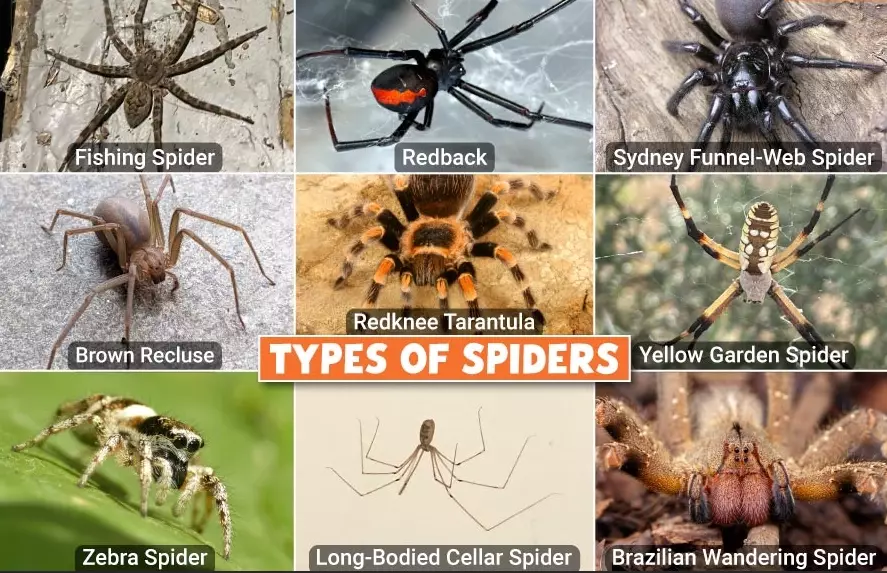
Quick Navigation: What's Inside This Guide
How Are Spiders Classified? Understanding Different Types
Most people lump all spiders together, but arachnologists—scientists who study spiders—break them down in ways that make sense for identification. It's not just about looks; behavior and habitat play huge roles. Let's cut through the jargon.
By Habitat: House Spiders vs. Garden Spiders
This is the easiest way to start. House spiders, like the common cellar spider, love dark, damp places indoors. They're often scrawny and build messy webs. Garden spiders, such as orb-weavers, prefer outdoor plants and create those beautiful circular webs you see in the morning dew. I once spent hours watching an orb-weaver in my tomato patch—it was mesmerizing, not scary.
By Behavior: Web-builders and Hunters
Web-builders, like black widows, rely on silk traps to catch prey. Hunters, like wolf spiders, chase down their meals. This distinction matters because it affects where you'll find them. Hunters might sneak into your home looking for insects, while web-builders stick to corners or bushes.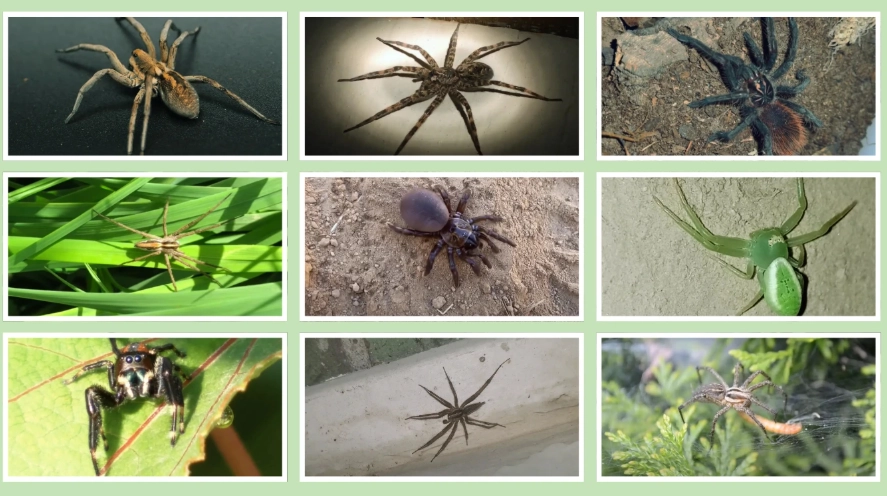
Expert Insight: Many folks assume all web-building spiders are dangerous, but that's a myth. Most are harmless. The real risk comes from misidentifying hunters as web-builders—like confusing a wolf spider for a brown recluse. I've seen this mistake cause unnecessary panic.
A Close Look at Common Spider Species
Let's get specific. Here's a table comparing some spiders you're likely to encounter. I've included details based on my own observations and reports from sources like the American Arachnological Society.
| Spider Type | Average Size | Color & Markings | Common Habitat | Danger Level | Unique Trait |
|---|---|---|---|---|---|
| Black Widow | 1.5 inches (female) | Black with red hourglass on abdomen | Dark, sheltered areas (sheds, woodpiles) | High—venomous | Females are larger and more dangerous than males |
| Brown Recluse | 0.5-0.75 inches | Light brown with dark violin-shaped mark | Undisturbed indoor spaces (closets, attics) | High—venomous | Rarely seen; prefers hiding |
| Jumping Spider | 0.25-0.75 inches | Varied (often black with iridescent patches) | Sunny spots (windowsills, gardens) | Low—non-venomous | Excellent vision; curious and active |
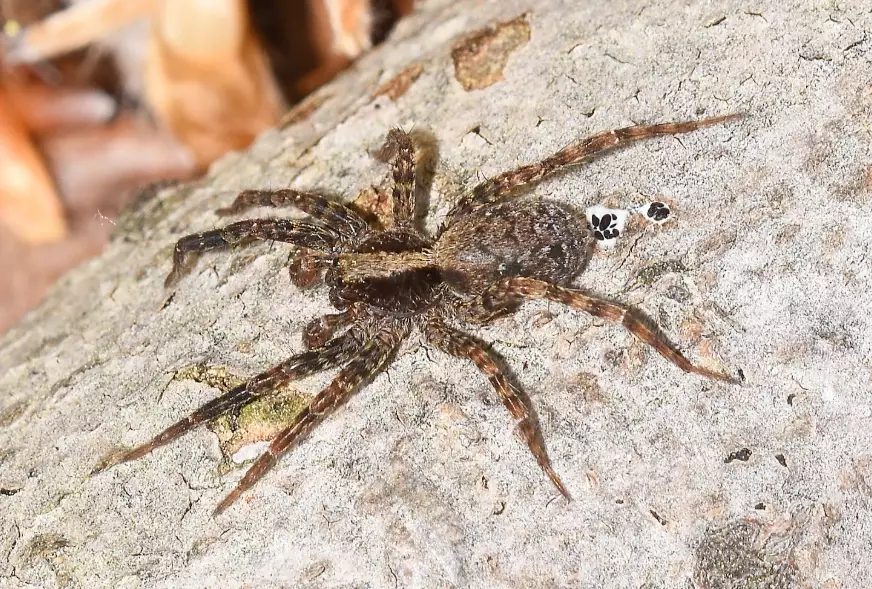
| Wolf Spider | 1-1.5 inches | Brown or gray with striped legs | Ground-level areas (lawns, basements) | Low—non-venomous | Carries eggs on back; fast runner |
| Orb-Weaver Spider | 0.5-1 inch | Bright colors (yellow, orange) with patterns | Gardens, forests (webs between plants) | Low—non-venomous | Builds large, intricate webs |
| Cellar Spider | 0.5-1 inch | Pale yellow or gray with long legs | Damp indoor areas (cellars, bathrooms) | Low—non-venomous | Vibrates web when threatened |
After filling that table, let me add something personal. I used to hate cellar spiders—they seemed so fragile and eerie. But after learning they eat pests like mosquitoes, I started leaving them be. It's a small shift that makes cohabitation easier.
Deep Dive: The Black Widow and Brown Recluse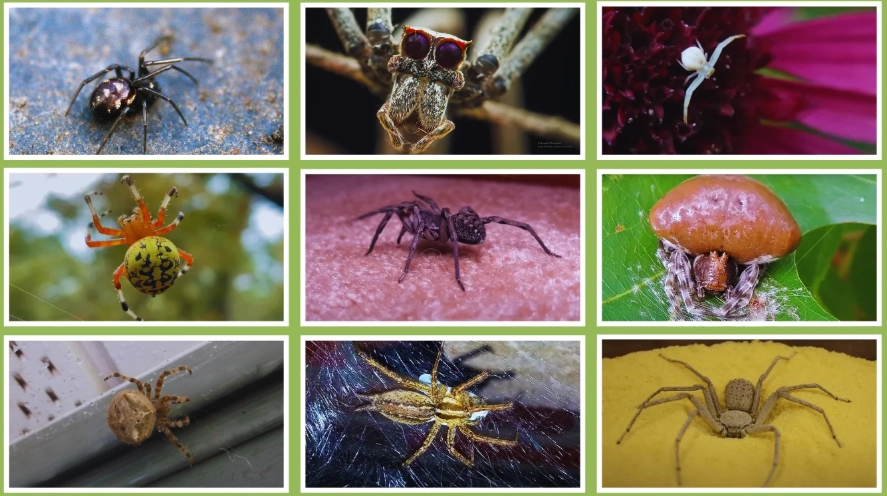
These two get a bad rap, and for good reason. Black widows are more common in southern U.S. states, while brown recluses thrive in the Midwest. I recall a friend in Texas who found a black widow in her garage; she panicked, but knowing its habits helped her seal entry points safely. Key takeaway: both avoid humans unless provoked. The Centers for Disease Control and Prevention notes that bites are rare but serious—seek medical help if bitten.
Spider Identification: Key Features to Look For
Don't just guess. Focus on these traits to nail down the spider type.
- Eye arrangement: Spiders have multiple eyes—usually eight. Jumping spiders have large front eyes for hunting, while web-builders like orb-weavers have smaller eyes clustered together. I keep a magnifying glass handy for this; it's a game-changer.
- Web type: Orb webs are symmetrical and sticky. Funnel webs look like sheets with a retreat hole. Cobwebs are irregular and messy. If you see a tidy web, it's likely an orb-weaver; a messy one might be a house spider.
- Body shape and legs: Thin legs often indicate web-builders, while stout legs suggest hunters. Wolf spiders have hairy legs for traction—I've seen them sprint across my patio.
Here's a non-consensus point: many online guides overemphasize color, but it's unreliable. Lighting and age can change a spider's appearance. Instead, rely on behavior. For example, a spider that jumps is probably a jumping spider, not a dangerous species.
What to Do If You Find a Spider: Safety and Removal Tips
First, don't freak out. Most spiders are harmless. But if you're dealing with a potential venomous type, here's a step-by-step approach.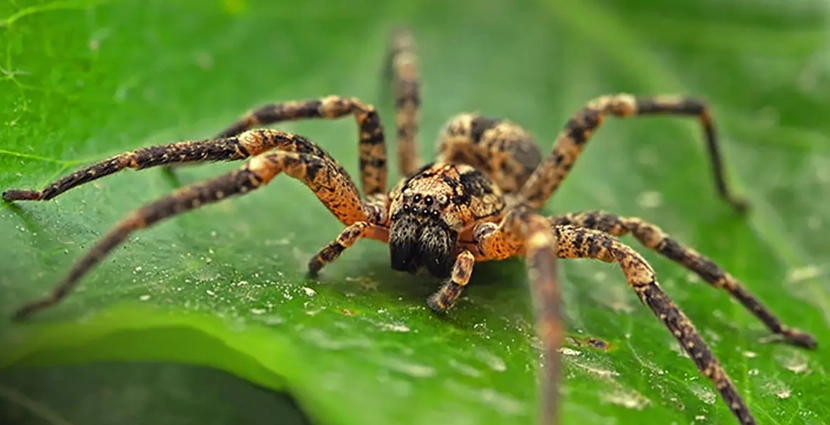
Step 1: Assess from a distance. Use the identification tips above. If it's a black widow or brown recluse, keep your distance. For others, you might just observe.
Step 2: Decide on removal. For non-venomous spiders, I often use a glass and paper to catch and release them outside. It's eco-friendly and reduces panic. For venomous ones, consider calling pest control—especially if you have kids or pets. I learned this the hard way when my dog got too curious about a wolf spider (thankfully harmless).
Step 3: Prevent future visits. Seal cracks, reduce clutter, and control insect populations. Spiders come indoors for food, so fewer bugs mean fewer spiders. The National Pest Management Association recommends regular cleaning and dehumidifying damp areas.
Personal Note: I used to spray insecticides wildly, but that often kills beneficial spiders and harms the environment. Now, I focus on exclusion—it's more effective long-term.
Frequently Asked Questions About Spider Types
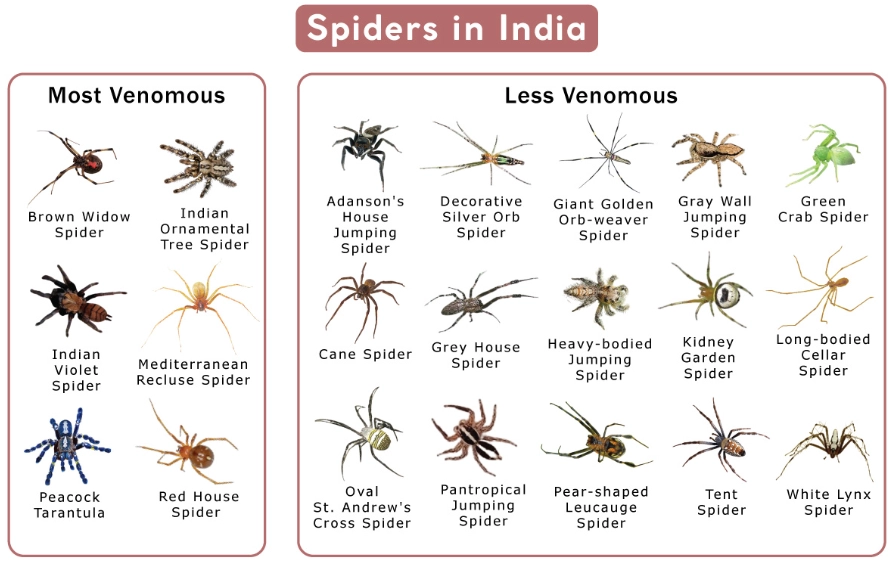 Are there any spider types that are actually beneficial to keep around?
 Wrapping up, understanding spider types isn't about memorizing every species—it's about knowing enough to stay safe and reduce fear. Start with the common ones, use the tips here, and you'll navigate spider encounters with confidence. If you're ever unsure, reach out to local arachnological groups; they're full of enthusiasts who love to help.
Comments