What You'll Learn
You find a tiny, eight-legged creature crawling on your leg after a hike. Your first thought might be, "Ugh, an insect." That's the common reaction. But here's the thing that changes everything: ticks are not insects. This isn't just a piece of trivia for biology nerds. Misidentifying what you're dealing with can lead to using the wrong prevention methods, misunderstanding their behavior, and even bungling the removal process in a way that increases your risk of disease. Let's clear this up once and for all.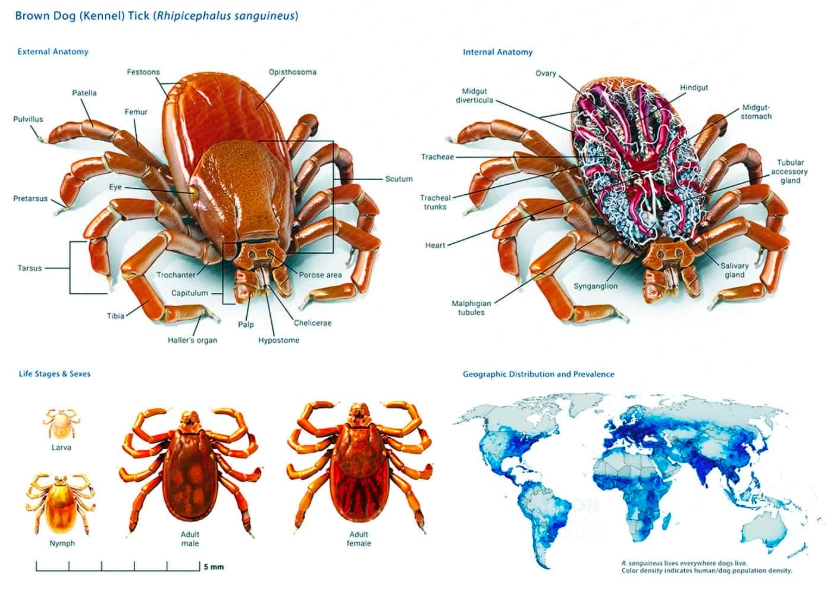
The Short Answer: No, Ticks Are Not Insects
Let's not bury the lede. Ticks belong to the class Arachnida. They are arachnids, sharing a closer family tree with spiders, scorpions, and mites than with any beetle, fly, or ant. This classification is based on fundamental, unchangeable biological blueprints. Calling a tick an insect is like calling a dolphin a fish – they might live in similar environments and share some superficial traits, but their underlying biology is worlds apart.
I've seen this mistake lead people astray. Someone assumes a general "bug spray" will work, not realizing that ticks, as arachnids, often require specific repellents with higher concentrations of active ingredients like DEET or Picaridin to be truly effective. The distinction is your first line of defense.
The Science of Tick Taxonomy: Where Do They Really Belong?
To understand why ticks are arachnids, we need to look at the official family tree, or taxonomy. This isn't arbitrary; it's based on observable, physical characteristics.
All life is organized in a hierarchy. Here's where ticks fit:
- Kingdom: Animalia (They're animals, of course)
- Phylum: Arthropoda (This is the big group that includes animals with an exoskeleton and jointed legs. Both insects and arachnids are here.)
- Subphylum: Chelicerata (This is the first major fork in the road. Chelicerates have mouthparts called chelicerae. Insects are in a different subphylum, Mandibulata, with mandible jaws.)
- Class: Arachnida (The critical class! This includes spiders, scorpions, mites, and harvestmen.)
- Order: Ixodida (This is the order dedicated solely to ticks.)
The moment they land in Chelicerata and then Arachnida, the debate is over. They've diverged from the insect line hundreds of millions of years ago. A key resource that reinforces this classification is the systematic cataloging done by institutions like the Catalogue of Life, which places Ixodida firmly within Arachnida.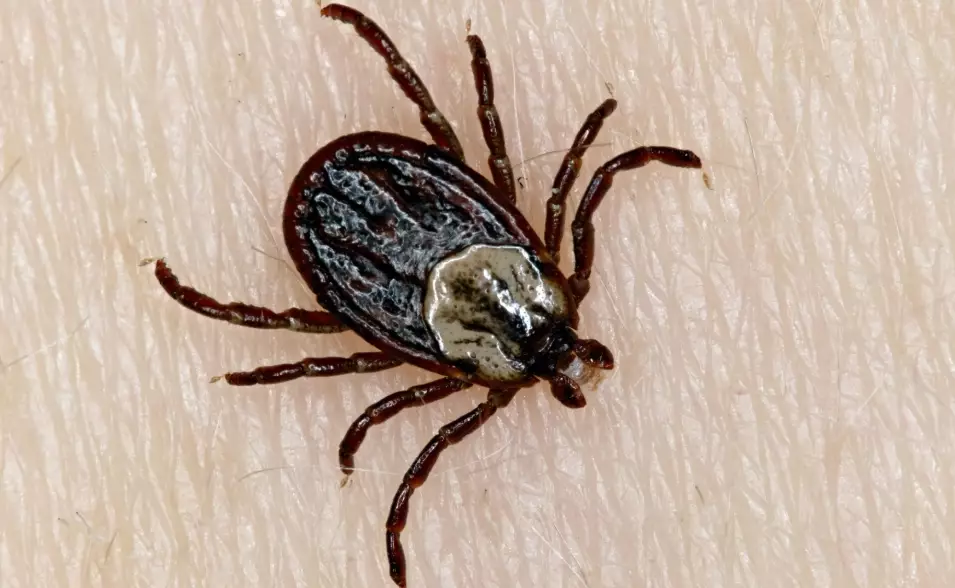
Key Differences Between Ticks and Insects
This table breaks down the biological "spec sheet" that separates these two groups. It's the visual proof of the taxonomic split.
| Characteristic | Ticks (Arachnids) | Insects (e.g., Mosquitoes, Ants) |
|---|---|---|
| Number of Legs (Adult) | 8 legs | 6 legs |
| Body Regions | Two main parts: Cephalothorax (fused head & thorax) and Abdomen. | Three distinct parts: Head, Thorax, and Abdomen. |
| Antennae | None. They use other senses to find hosts. | Present. Used for touch and smell. |
| Wings | Never have wings. They cannot fly or jump. | Often have wings (one or two pairs). |
| Metamorphosis | Simple (Incomplete): Egg > Larva (6 legs) > Nymph (8 legs) > Adult (8 legs). | Often Complete: Egg > Larva > Pupa > Adult (dramatic change). |
| Primary Feeding Method | Obligate ectoparasites. All life stages feed on blood. | Varied: chewing, sucking, siphoning; not all drink blood. |
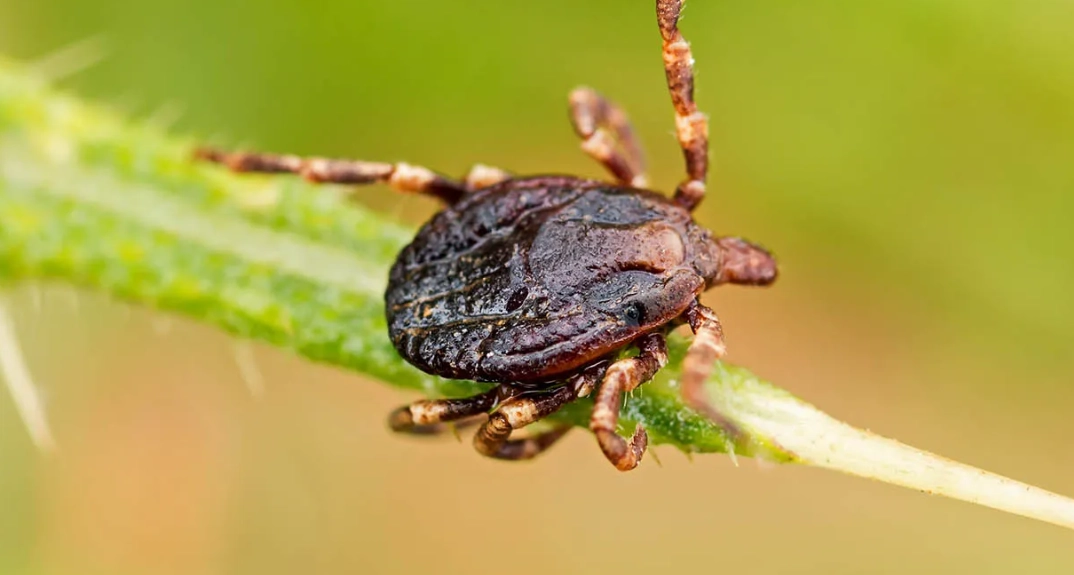
Look at the legs first. It's the quickest field test. Eight legs means arachnid. Six legs means insect. The body segmentation is another giveaway. A tick looks like one oval blob (its fused body) with a tiny head at the front. An insect like a mosquito clearly has a separate skinny head, a thorax where the legs and wings attach, and a long abdomen.
Here's a nuance most guides miss: the larval stage. Tick larvae hatch with only six legs. This is a huge source of confusion! People see a tiny six-legged speck and logically think "insect." But it's just a baby tick. After its first blood meal, it molts into an eight-legged nymph. If you're identifying something microscopic, the lack of antennae and the parasitic behavior are better clues than leg count alone.
Why Getting This Right Matters for Your Safety
This isn't academic. Knowing ticks are arachnids directly informs smarter, safer behavior outdoors and at home.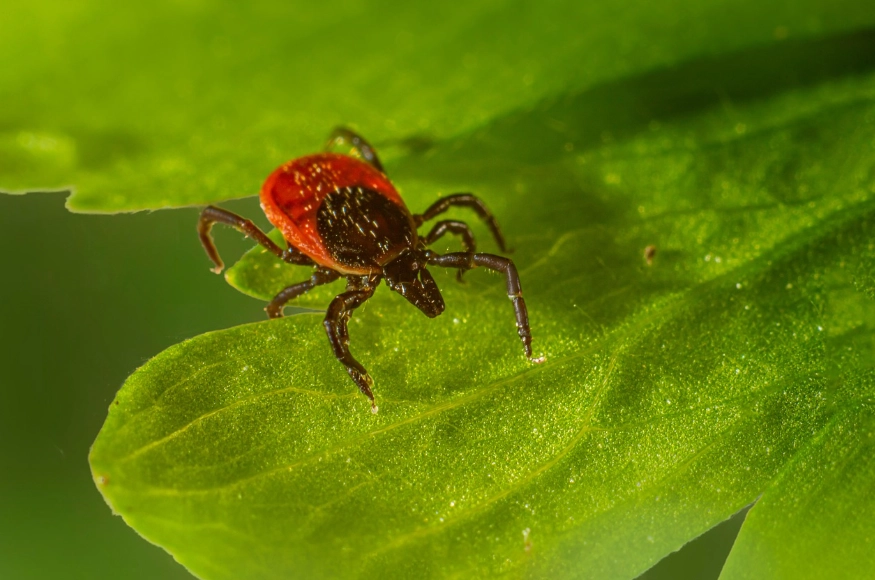
1. Prevention Strategy Changes
Insects like mosquitoes are often repelled by a wide range of products. Ticks can be more tenacious. The Centers for Disease Control and Prevention (CDC) specifically recommends using repellents registered with the Environmental Protection Agency (EPA) that are proven against ticks. These often need to be applied more thoroughly to clothes and skin. Furthermore, treating clothing with permethrin is a game-changer for ticks (an arachnid-specific tactic) but is not typically a primary recommendation for flying insects.
2. Understanding Behavior and Habitat
Ticks don't fly or jump. They "quest." They climb to the tip of grass or brush, hold their front legs out, and wait for a host to brush by. This "wait-and-latch" strategy is classic for many arachnids (think spiders in webs). Knowing this means you know to avoid brushing against vegetation, to walk in the center of trails, and to focus your post-hike tick check from the ground up—they start low and climb.
3. The Critical Importance of Proper Removal
This is where the arachnid anatomy is crucial. A tick's mouthparts (the hypostome) are barbed, like a harpoon. They also secrete a cement-like substance to glue themselves in. The instinctive "insect" reaction—to pinch, twist, or burn it—risks squeezing its body and forcing infected fluids back into your wound or leaving the mouthparts embedded. The correct method, endorsed by the CDC and universities like the University of Rhode Island's TickEncounter, uses fine-tipped tweezers to grasp the tick as close to the skin's surface as possible (targeting the mouthparts, not the body) and pulling upward with steady, even pressure. You're dealing with a cemented, barbed anchor, not a mosquito's straw.
Personal Anecdote: A friend once panicked and used petroleum jelly to "suffocate" a tick, thinking it was like a bug that breathes through spiracles along its body. It took hours for the tick to detach, and during that time, it likely regurgitated more saliva—and potential pathogens—into the bite. The arachnid's slow, inefficient respiratory system makes suffocation methods ineffective and risky. Tweezers are the only reliable tool.
A Practical Tick Identification Guide
So, you find a creature. Let's run through a decision tree:
- Step 1: Count the legs. 8 legs = Arachnid. Strong tick candidate. 6 legs = Insect. (Remember the 6-legged larva exception if it's extremely small and on skin).
- Step 2: Look for antennae. No antennae? Another point for arachnid/tick.
- Step 3: Check the body. Is it one rounded sack (cephalothorax and abdomen fused)? Likely a tick. Is it clearly segmented into head, chest, and tail? Likely an insect.
- Step 4: Context. Was it found attached to skin, buried head-down? Was it crawling in tall grass or wooded/grassy areas? These are strong tick indicators.
Common look-alikes include small beetles (6 legs, hard wing cases) and spider beetles (which are insects that mimic the spider shape but have 6 legs and antennae). The leg count is your failsafe.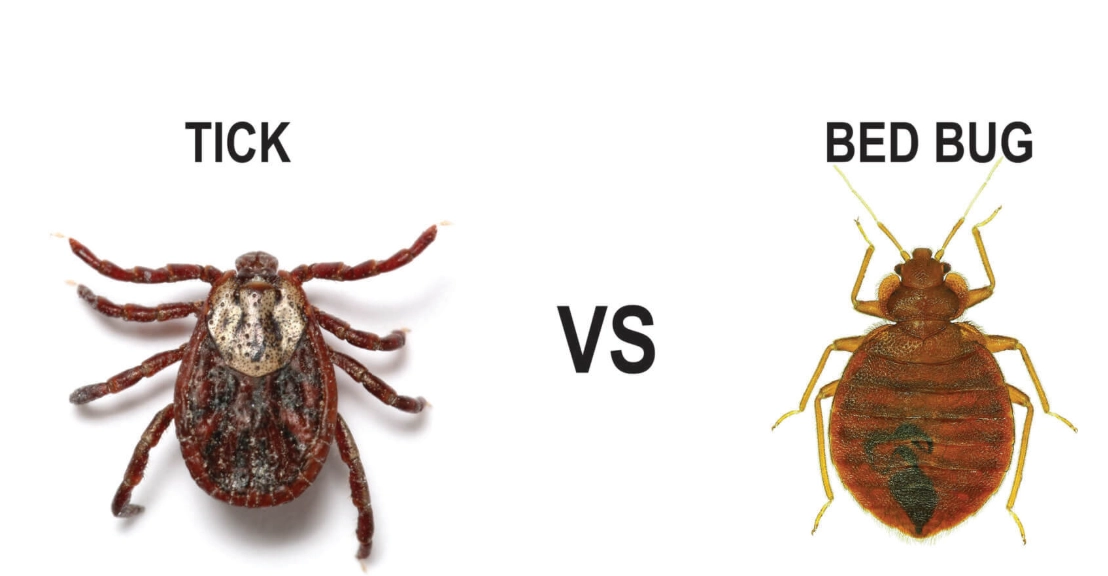
Your Questions Answered
 Calling a tick an insect is more than a technical error. It's a mental model that leads to the wrong precautions. By understanding that you're dealing with an arachnid—a cousin to spiders—you equip yourself with the right knowledge: target their unique biology with specific repellents, respect their ground-level questing behavior, and remove them with the precise, steady hand required to defeat their barbed anchor. That knowledge is your best defense.


Comments