Let's be honest. For most people, a spider is just a spider—a leggy thing that scuttles across the floor and gets a shoe thrown at it. But after spending years poking around gardens, turning over logs, and yes, even calmly observing the ones that set up shop in my basement, I've learned something crucial. That blanket fear misses the entire story. The world of arachnids is split into wildly different lifestyles, from master architects to stealthy ambush predators. Knowing the difference isn't just academic; it tells you whether you've got a beneficial pest controller on your hands or a rare situation that needs caution.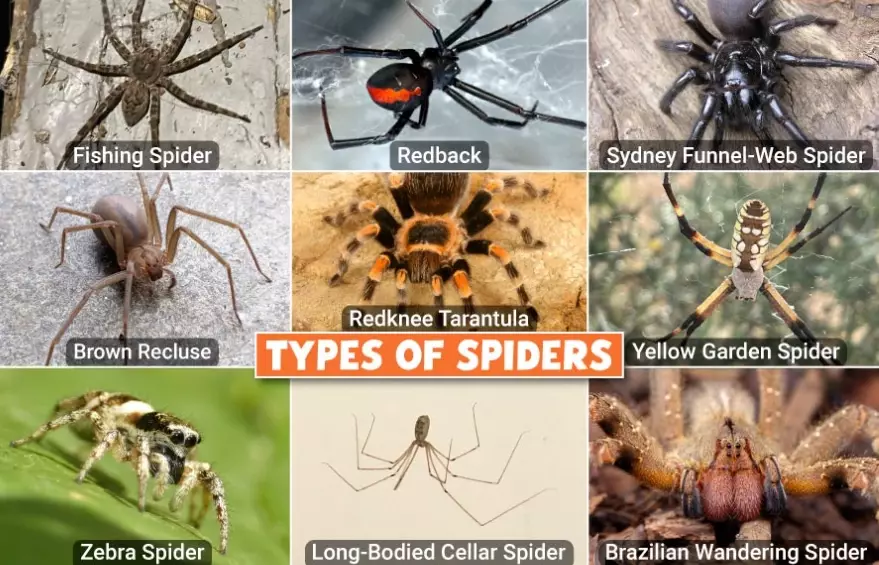
What's Inside This Guide
The Two Major Spider Lifestyles: Web Builders vs. Hunters
Forget family trees for a second. The most practical way to categorize different kinds of spiders is by how they catch dinner. This split defines their looks, where you'll find them, and how they interact with you.
The Architects: Web-Building Spiders
These are the spiders most folks picture. They invest serious energy into spinning silk traps. Their vision is often poor, so they rely on vibrations transmitted through their web. A common mistake is thinking all webs are the same. The classic orb web is a masterpiece of engineering, but funnel webs look like sheets with a retreat hole, and the messy, three-dimensional cobwebs are actually purposeful structures for sensing prey from all angles.
I've watched orb weavers like the Garden Spider rebuild their webs every single morning at dawn. If you see a perfect, symmetrical web and a spider sitting plumb in the center, it's waiting. If it's tucked away in a leaf, it's holding a signal line. That's your cue it's an orb weaver.
The Wanderers: Hunting Spiders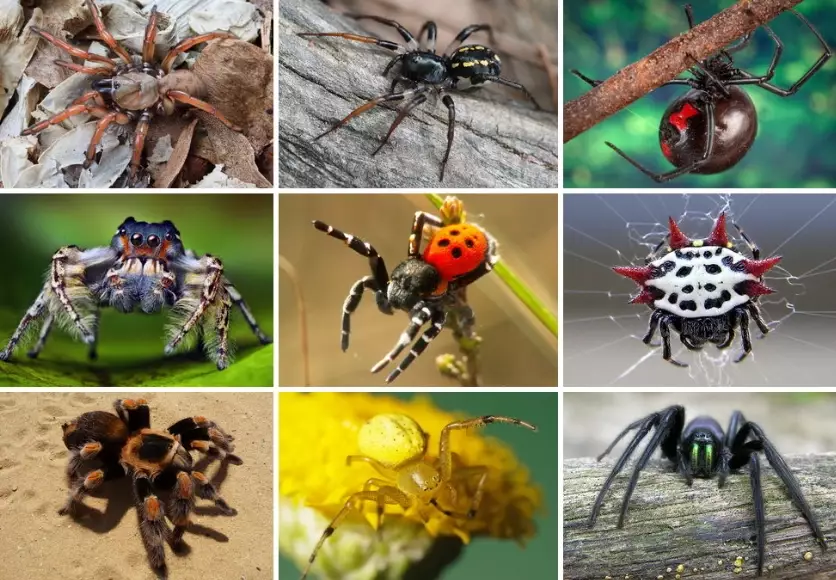
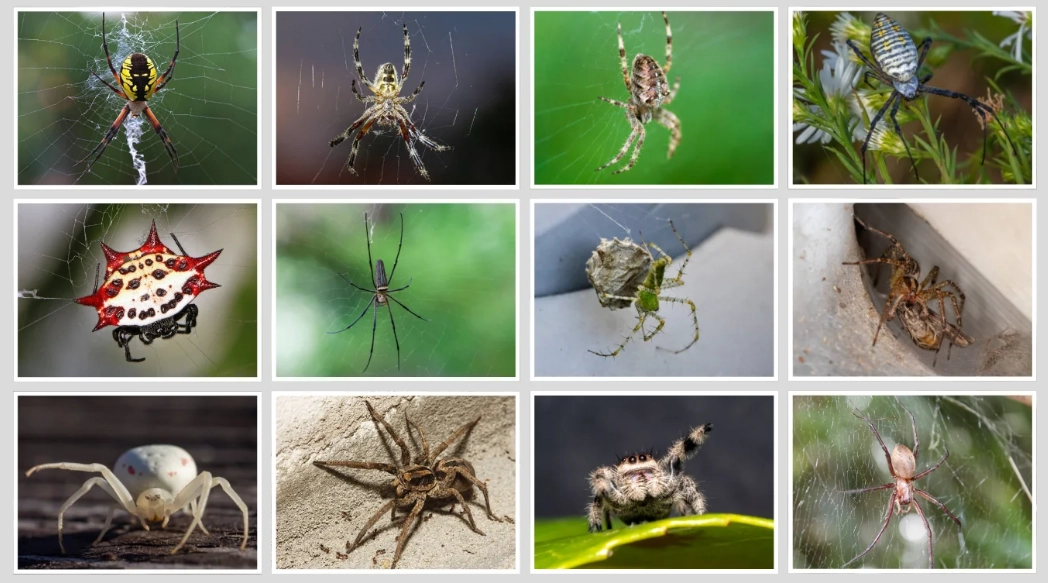
This group ditches the web (mostly) and goes looking for trouble. They have excellent eyesight and are built for speed or camouflage. Wolf spiders are the quintessential hunters—stocky, fast, and often seen on the ground. Jumping spiders are the curious, intelligent ones with those big front eyes; they'll turn and look at you. Then there are the ambushers like crab spiders, which sit perfectly still on a flower, blending in until a bee lands.
Hunting spiders are why you find one sprinting across your living room floor. They're not "lost" or coming from a hidden nest in your wall. They're just patrolling, and your house is part of their territory.
How to Identify Spiders Like a Pro (No Microscope Needed)
You don't need to be an entomologist. A few simple observations will get you 90% of the way there. I tell people to run through this mental checklist.
Look at the Eyes: This is the gold standard. Use your phone's camera zoom. Most spiders have eight eyes arranged in specific patterns. Jumping spiders have two huge front eyes giving them a curious, almost cute face. Wolf spiders have a distinctive row of four small eyes below two large ones. Web-builders often have clusters of small eyes.
Examine the Web (If Present):
- Orb Web: Spiral circles, often vertical. Points to orb weavers (Araneidae).
- Funnel Web: Flat sheet with a funnel-shaped retreat. Points to grass spiders or (in Australia) the dangerous Sydney Funnel-web.
- Tangle Web / Cobweb: Messy, three-dimensional. Points to cobweb spiders (Theridiidae), which include black widows.
Observe the Body Shape and Posture:
Is it long and slender (like a daddy long-legs spider) or stout and hairy (like a tarantula)? Does it hold its legs crab-like to the side? That's a crab spider.
Note Where You Found It: On the ground? Probably a hunter. In a web in a corner? A web-builder. In a bath tub? Usually a hunting spider that fell in and can't climb out.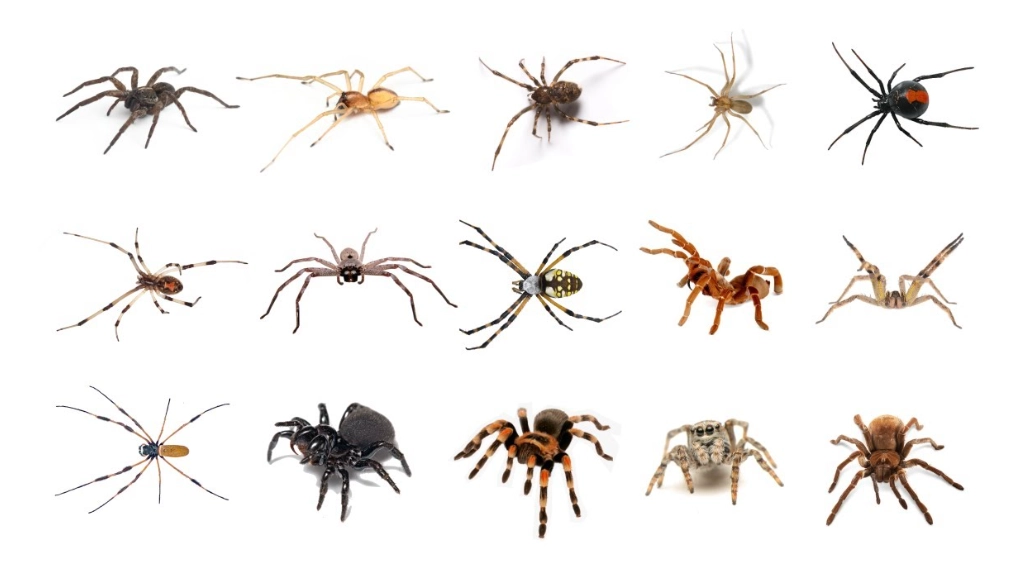
The Spiders You're Most Likely to Meet: A Quick Reference
Based on my experience in North America and general temperate regions, these are the usual suspects. This table cuts through the noise.
| Spider Type | Key Identifying Features | Where to Find | Role & Risk |
|---|---|---|---|
| Common House Spider | Tangled, messy cobwebs; yellowish-brown, often with a chevron-patterned abdomen. | Ceiling corners, basements, window frames. | Harmless pest control. Eats flies, mosquitoes. Their webs are the "dust catchers" you clean. |
| Jumping Spider | Compact, fuzzy body. Large front eyes. Moves in quick, jerky hops. Often turns to look at you. | Sunny windowsills, on walls, on outdoor plants. | Friendly, curious, harmless. Excellent vision. They stalk and pounce on prey. |
| Wolf Spider | Large, brown, hairy, with a robust body. Runs swiftly on the ground. Females carry egg sac or spiderlings on their back. | Lawns, leaf litter, garages, sometimes indoors while hunting. | Timid hunter. Bite is rare and medically insignificant for most species. Great for cricket control. |
| Orb Weaver (Garden Spider) | Often large and colorful. Builds the classic circular web. Sits in center or nearby with a signal line. | Between plants, across garden paths, on porches. | Completely harmless. Vital for controlling flying insects like moths and beetles. |
| Cellar Spider (Daddy Long-Legs Spider) | Extremely long, thin legs. Small body. Often hangs upside-down in a loose, irregular web. | Damp, dark areas: cellars, crawl spaces, sheds. | Harmless. They frequently catch and eat other spiders, including black widows. |
See that last entry? Cellar spiders are nature's own pest control for more dangerous spiders. I rarely remove them from my shed for that reason.
Venomous Spiders: Separating Fact from Fear
This is where panic sets in, and misinformation spreads. In the US, only two groups have venom considered medically significant to humans: widow spiders (Latrodectus) and recluse spiders (Loxosceles). Even within these, severe reactions are uncommon.
Black Widows: Shiny black with the famous red hourglass on the underside. They build messy cobwebs in undisturbed, dry spots—woodpiles, under patio furniture, in garage corners. They are not aggressive. Bites usually happen from accidental pressure, like putting on a glove they're hiding in.
Brown Recluses: Tan to dark brown, with a darker violin-shaped marking behind the eyes. The key feature is six eyes arranged in pairs (most spiders have eight). They live in a limited range in the central and southern US. They hide in cardboard, closets, and behind furniture. Most alleged "recluse bites" are actually bacterial infections from other causes, as noted by entomologists from institutions like the University of Minnesota.
The reality? You are exponentially more likely to be seriously injured by a bee sting or a dog bite than by a spider. The CDC and other health agencies track this. The fear is outsized compared to the actual risk.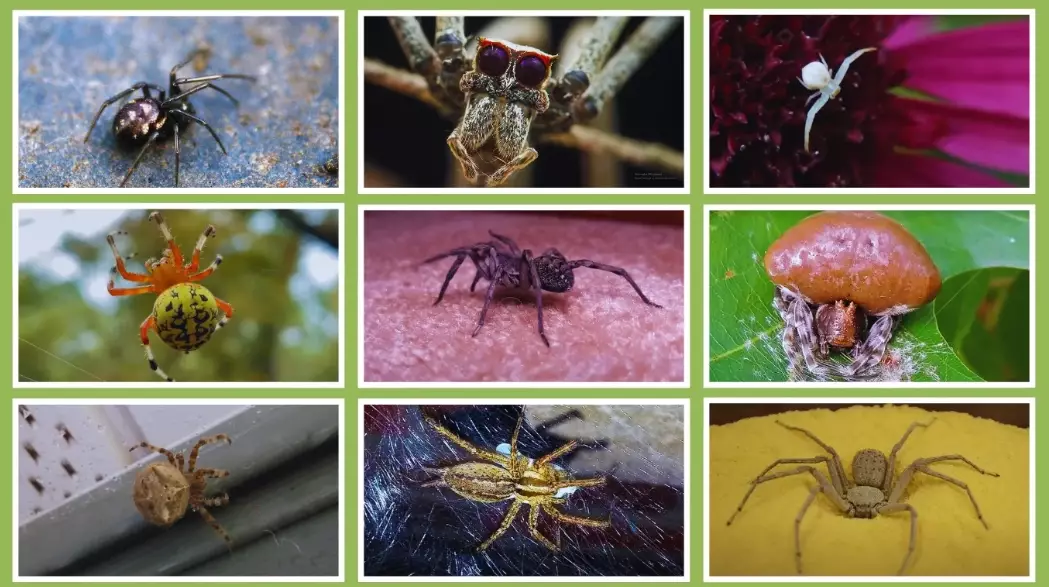
Your Spider Questions, Answered
 I keep seeing different spiders in my basement. Does that mean I have an infestation?
The next time you see a spider, take a second. Look closer. That intricate web in your garden is a fly trap working for free. That jumping spider on your window is a tiny predator with better eyesight than you'd believe. Understanding the different kinds of spiders turns a moment of fear into a moment of fascinating observation. Most are just quiet roommates, doing a dirty job we'd rather not do ourselves.

Comments