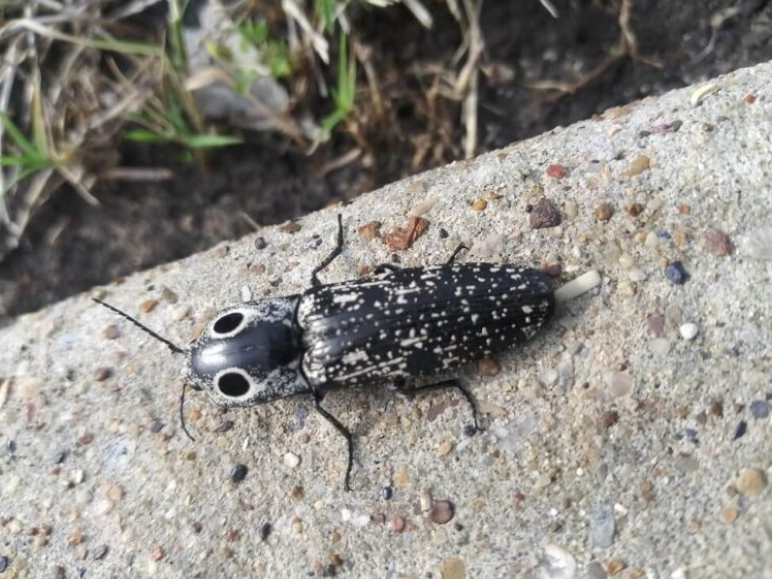
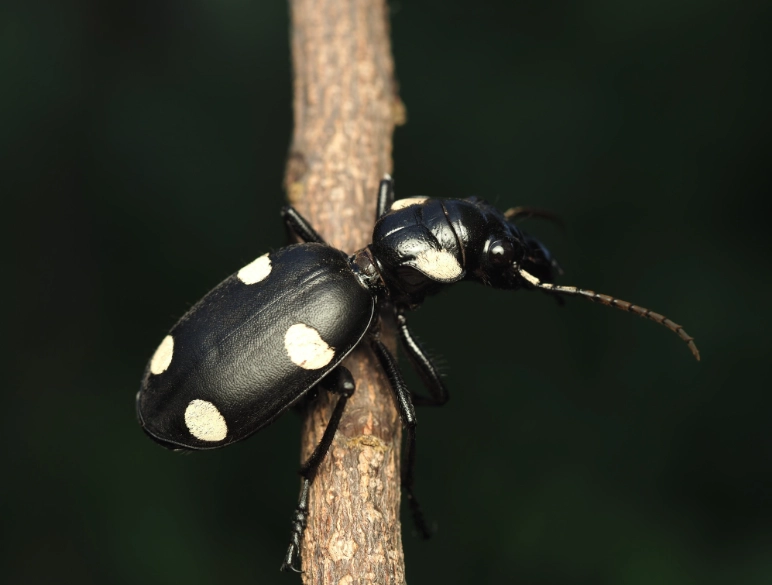
You're out tending your cucumbers or beans, and you see them. Small, shiny black bugs with distinct white spots, crawling all over the leaves and flowers. Your first thought might be "are these ladybugs?" but something feels off. They're more elongated, and the damage they're causing is real. You've just met one of the most common and frustrating garden pests: the spotted cucumber beetle or its close relatives. This guide isn't just a list of bugs; it's a field manual from someone who's spent years battling them. We'll cut through the generic advice and get into what actually works, based on hard-won experience and specific observations many guides miss.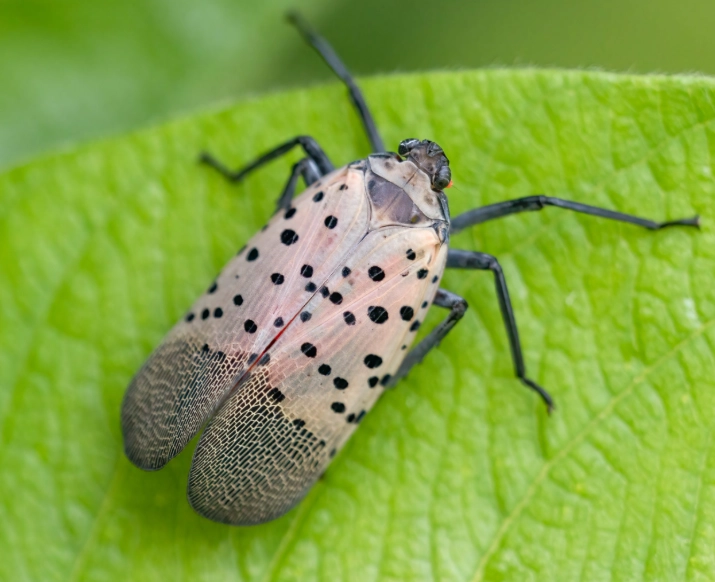
What You'll Find in This Guide
The Usual Suspects: Which Bugs Have This Look?
"Black with white spots" describes a few key players. Mistaking one for another can lead to ineffective control. Here’s the breakdown.
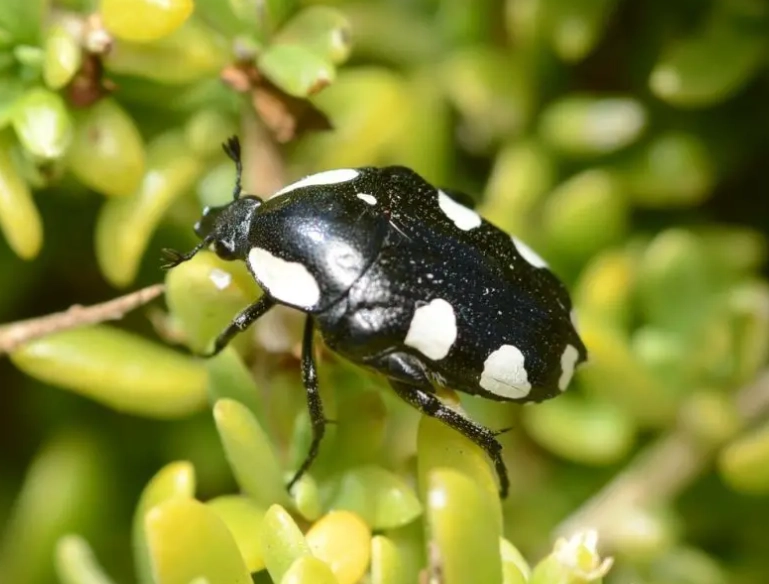
The Spotted Cucumber Beetle (Diabrotica undecimpunctata) is public enemy number one for many gardeners. It's about 1/4 inch long, with a bright yellow-green background and 12 distinct black spots. But here's the catch everyone misses: the newly emerged adults in spring can appear much darker, almost black, before their full color develops, and the spots are always visible. They love cucurbits (cucumbers, squash, melons) but are far from picky.
The Bean Leaf Beetle (Cerotoma trifurcata) is another major contender. Its color is more variable—ranging from reddish-brown to tan—but a common morph is a deep, reddish-black. The key identifier? It always has a black triangular mark behind its head and usually four black spots (though the number can vary). If your soybeans or green beans are getting skeletonized, this is your guy.
Then there's the Spotted Lady Beetle (Coleomegilla maculata), a beneficial insect. It's pinkish or reddish with black spots, but can sometimes appear dark. The body shape is distinctly dome-like, unlike the elongated beetle pests. Don't kill this one!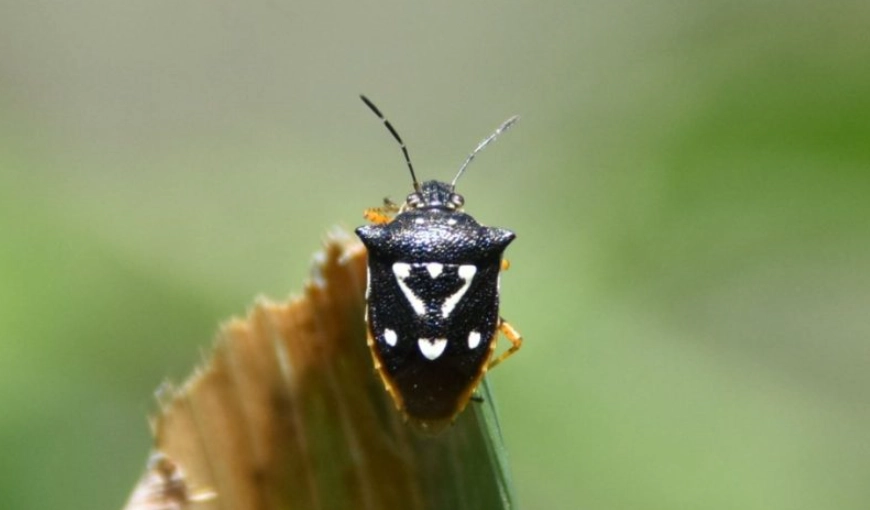
How to Accurately Identify Them (Beyond Just Color)
Let's get specific. You need a positive ID before you declare war.
Key Identification Features
Look for these details with a hand lens if you have one:
- Body Shape: Cucumber and bean leaf beetles are oval and slightly elongated. Lady beetles are hemispherical (like half a sphere).
- Antennae: Pest beetles have thread-like antennae. Lady beetles have short, clubbed antennae.
- Behavior: Cucumber beetles are skittish and will often drop to the ground when disturbed. Bean leaf beetles might just crawl to the other side of the leaf. They both feed ravenously.
- Location & Plant Damage: Where are they and what does the damage look like? This is the biggest clue.
| Feature | Spotted Cucumber Beetle | Bean Leaf Beetle | Spotted Lady Beetle (Beneficial) |
|---|---|---|---|
| Primary Color | Yellow-green (can look dark early season) | Red, tan, or reddish-black | Pinkish or reddish |
| Spot Pattern | 12 black spots on wing covers | Usually 4 black spots (number varies), plus a black triangle behind head | Multiple black spots, often fused |
| Favorite Plants | Cucumbers, squash, melons, corn, flowers | Soybeans, green beans, cowpeas | Aphids (found on many plants) |
| Type of Damage | Chews holes in leaves, flowers, fruit rind; spreads bacterial wilt | Creates round holes or skeletonizes leaves | None (eats aphids) |
The Real Damage: More Than Just Holes in Leaves
Everyone sees the chewed leaves. That's the obvious part. The real economic damage—the stuff that kills entire plants—is often hidden.
For Cucumber Beetles, the #1 threat is Bacterial Wilt. The beetles carry the bacteria Erwinia tracheiphila in their gut. When they feed, they introduce it into the plant's vascular system. The plant responds by plugging its own veins to contain the infection, which ironically causes it to wilt and die. You'll see a single runner wilt during the day, recover at night, then permanently collapse. Once it starts, there's no cure. I've lost entire cucumber patches to this in a matter of days. The holes in the leaves were just the warning sign I ignored.
For Bean Leaf Beetles, the hidden danger is Bean Pod Mottle Virus. They vector this virus, which stunts plants and mottles the pods, reducing yield and quality. They also feed directly on the pods, making them unmarketable.
Both beetles also feed on the blossoms, which can directly reduce fruit set. A heavy infestation on young seedlings can kill them outright. It's not an aesthetic issue; it's a crop failure issue.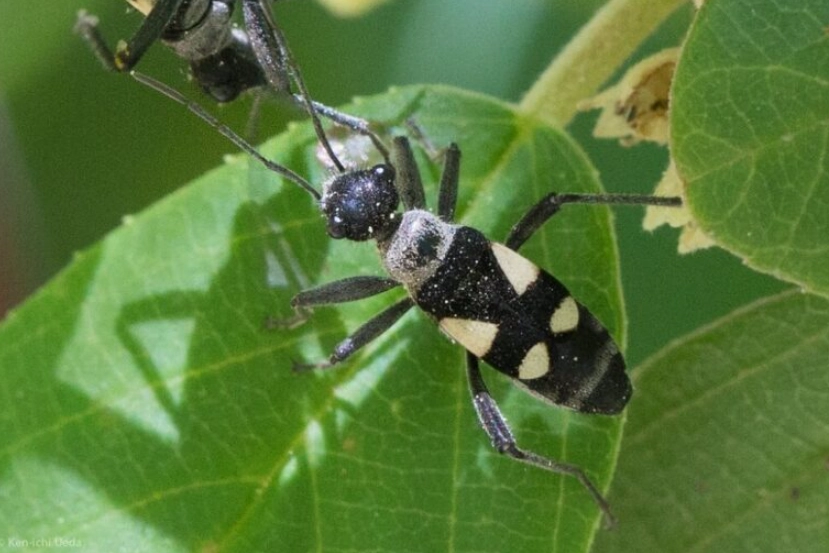
A Step-by-Step Plan for Control & Elimination
Throwing insecticide at the problem is a last resort. A layered approach works best. Here's the strategy I've refined over seasons.
Stage 1: Prevention & Early Season Defense (Most Critical)
This is where the battle is won or lost. Your goal is to protect plants in their first 3-4 weeks.
- Use Floating Row Covers: This is the single most effective physical barrier. Drape lightweight fabric (like Agribon) over your seedlings right after planting. Secure the edges with soil or pins. It keeps beetles out completely. You must remove it when plants flower to allow for pollination.
- Delay Planting: If possible, wait to plant cucurbits until early summer. This can help you miss the peak emergence of overwintered adult beetles.
- Choose Resistant Varieties: It's not a perfect solution, but some cucumber varieties (like 'County Fair' or 'Salad Bush') show moderate resistance to bacterial wilt.
Stage 2: Organic & Cultural Controls
When beetles appear, escalate gradually.
- Hand-Picking: Tedious but effective for small plots. Do it in the cool morning when they're sluggish. Drop them into soapy water.
- Kaolin Clay (Surround WP): This creates a white particle film on leaves that irritates and disguises plants. It works surprisingly well as a repellent, especially when applied before beetles arrive. The downside? It makes your plants look like they've been dusted with chalk.
- Beneficial Nematodes: Apply to soil to target the larval stage (roots). Species like Heterorhabditis bacteriophora can reduce the next generation. This is a long-term strategy, not a quick fix.
- Trap Cropping: Plant a highly attractive crop, like 'Blue Hubbard' squash, at the garden's edge. The beetles will congregate there, and you can concentrate your control efforts (like spraying) on that small area. It works, but you need space.
Stage 3: Targeted Insecticide Use
When pressure is high and crops are at risk, responsible use is justified. Always follow the label.
- For Organic Gardens: Pyrethrins (derived from chrysanthemums) can provide quick knockdown. They are broad-spectrum, however, and will harm bees and beneficials. Spray at dusk when bees are not active.
- For Conventional Gardens: Carbaryl (Sevin) is a common choice but is highly toxic to bees. A better, more targeted option is often a product containing cyantraniliprole (like Exirel) or spinetoram (Radiant). These have lower bee toxicity when applied properly (after sunset, when flowers are closed) and better residual activity. Consult your local university extension service for the latest, most effective registered products in your state.
The key is monitoring. Use yellow sticky traps to gauge adult activity. If you see a sudden spike, it's time to check your plants and consider intervention.
Your Burning Questions, Answered
Are these black and white spotted bugs dangerous to me or my pets?
I see them mostly on my roses, not my vegetables. What are they?
 I used insecticide, but they came back a week later. Why?
Can I just ignore them if the damage looks minor?
What's the one thing I should do differently next year?


Comments