You're not alone if you've ever squinted at a six-legged creature and wondered, "What on earth is that?" Insect identification feels like a specialist's game, but it's a skill anyone can learn. I've spent years turning over logs and peering at wings, and I can tell you that getting it right isn't about memorizing every bug. It's about knowing where to look and what questions to ask. This guide cuts through the complexity. We'll move from a quick, five-minute assessment to the finer details that separate a harmless lookalike from a potential pest or a vital pollinator. Let's turn that mystery bug into a known entity.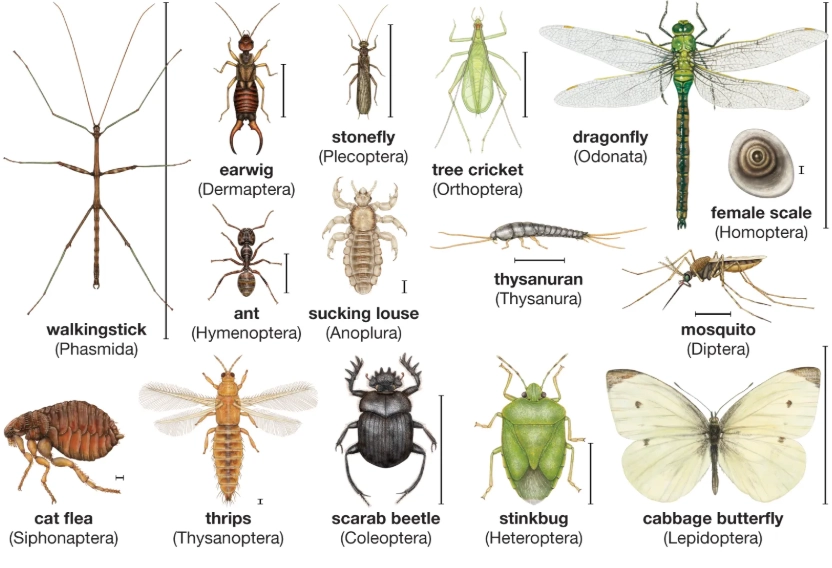
What's Inside This Guide?
Why Bother Identifying Insects?
It's more than just curiosity. Correctly naming an insect is the first step towards making an informed decision. Is the beetle munching on your roses a native species having a snack, or an invasive Japanese beetle that will skeletonize the entire plant? Is the wasp building a nest by your door a docile paper wasp or an aggressive yellowjacket? Misidentification leads to wasted effort, unnecessary fear, or ecological harm. Knowing what you're dealing with lets you choose the right response: protect it, relocate it, or manage it. It transforms a vague "bug problem" into a specific situation with a clear solution.
The Five-Minute Insect ID Framework
Before you dive into antenna shapes, run through this quick checklist. It will point you in the right direction 80% of the time.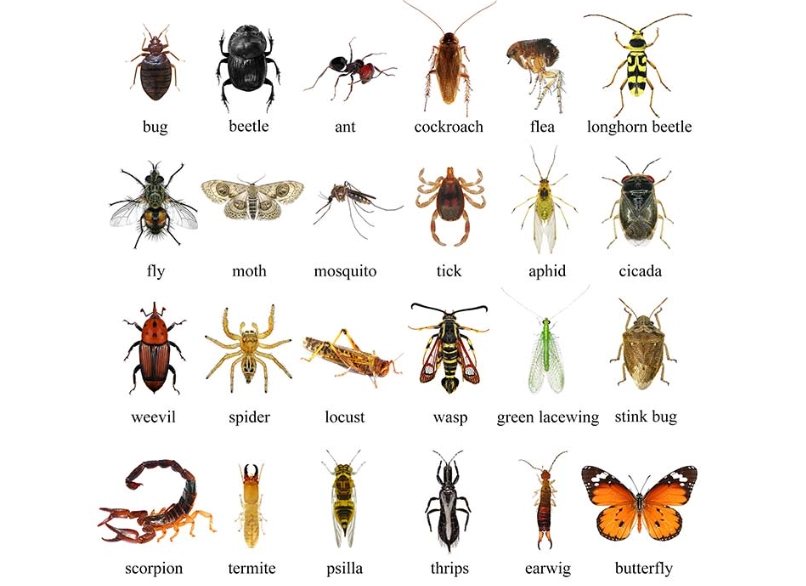
Step 1: Observe & Photograph (Don't Squish!). Get a good look. Use your phone's camera. Zoom in. Take pictures from the top, side, and if possible, the front. Good photos are your single most valuable tool. Note where you found it (on a plant, in the soil, near water, in your kitchen cupboard).
Step 2: Count the Legs. This is the non-negotiable starting point. All adult insects have six legs. Spiders? Eight legs. They're arachnids. Sowbugs? More than a dozen. They're crustaceans. If it doesn't have six legs, it's not an insect, and your search parameters change completely. This one step saves immense confusion.
Step 3: Look for Wings. Does it have wings? Are they present but folded (like a ladybug), held out (like a dragonfly), or is the insect completely wingless (like a silverfish)? Are there two wings (flies) or four (bees, butterflies, beetles)?
Step 4: Check the Body Segments. An insect's body is divided into three main parts: head, thorax (where legs and wings attach), and abdomen. Can you see these divisions? Caterpillars and maggots are larval stages where this is less clear.
Step 5: Note Size, Color, and Behavior. How big is it (use a coin for scale in your photo)? What's the dominant color? Is it moving quickly or slowly? Flying in a pattern or crawling erratically? Is it alone or in a group?
Armed with these basic notes, you're ready to get more specific.
Decoding Key Body Features
This is where the real detective work begins. The combinations of these features define the major insect orders.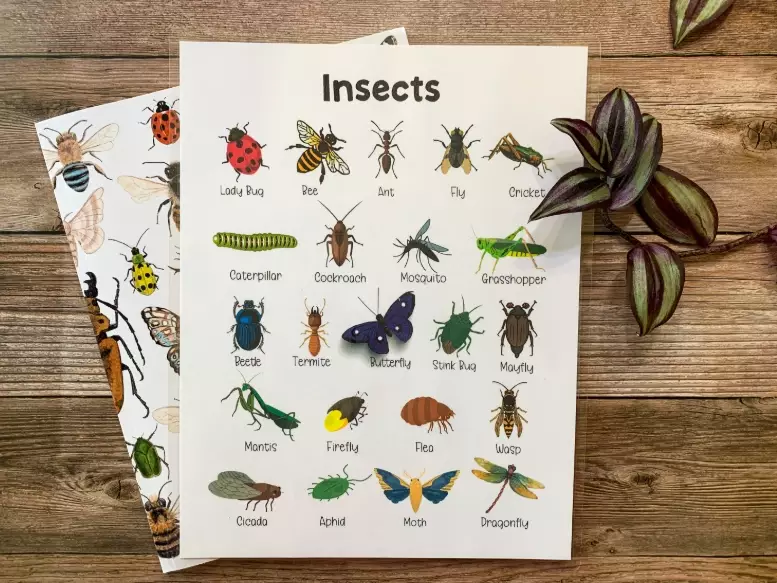
Wings: The Biggest Clue
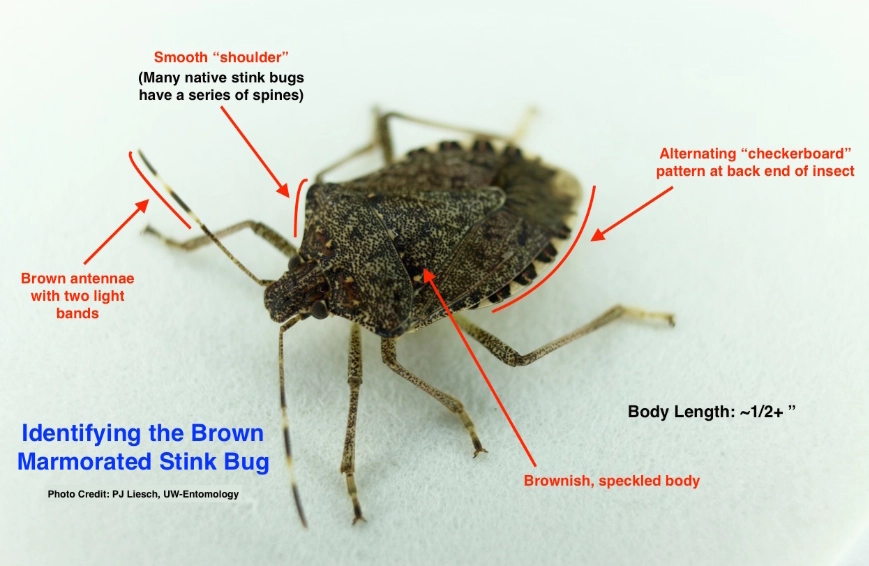
Wing structure is a primary classification tool. Beetles have hardened forewings (elytra) that meet in a straight line down the back. True bugs (Hemiptera) have forewings that are leathery at the base and membranous at the tip, forming an X pattern when at rest. Flies have only one pair of functional wings. Moths and butterflies have wings covered in tiny scales. If you can describe the wings, you're most of the way there.
Mouthparts: The "How It Eats" Indicator
Is it a chewer, a sucker, or a sponger? Beetles and caterpillars have strong mandibles for chewing leaves. Aphids, mosquitoes, and true bugs have piercing-sucking mouthparts (like a tiny straw). Houseflies have sponging mouthparts. You often infer this from damage: chewed leaves vs. curled, distorted growth from sap-sucking.
Antennae: The Shape Sensors
Antennae are wildly diverse. Feathery (moths), elbowed (ants), clubbed (butterflies), thread-like (grasshoppers). Their form is a huge hint. A common mistake is confusing a moth with feathery antennae for a butterfly.
| Insect Order | Common Name Examples | Key Identifying Features | Wing Type |
|---|---|---|---|
| Coleoptera | Beetles, Ladybugs | Hardened forewings (elytra) meeting in a straight line; chewing mouthparts. | Two pairs (forewings hardened) |
| Lepidoptera | Butterflies, Moths | Wings covered in microscopic scales; coiled sucking mouthpart (proboscis). | Two pairs, scaled |
| Hymenoptera | Bees, Wasps, Ants | Pinched "waist"; often constricted between thorax and abdomen. | Two pairs, membranous (ants often wingless workers) |
| Diptera | Flies, Mosquitoes | Only one pair of functional wings; hindwings reduced to knobs (halteres). | One functional pair |
| Hemiptera | True Bugs, Aphids | Piercing-sucking mouthparts; forewings leathery at base, membranous at tip. | Two pairs, half-leathery |
Your Identification Toolkit: Apps, Guides & Communities
You don't need a PhD. You need the right tools.
Smartphone Apps: iNaturalist is the gold standard. Upload your photo, and its AI suggests an ID. The real power comes from its community of naturalists and entomologists who confirm or correct IDs. It's a learning tool, not just an answer machine. Seek by iNaturalist gives instant AI suggestions without posting. For North America, BugGuide is an immense, photographer-driven database where experts help with IDs.
Field Guides: Don't underestimate a good book. Kaufman's Field Guide to Insects of North America is brilliant for beginners because it's organized visually by color and shape, not just taxonomy. A regional guide specific to your state or province is often more manageable than a continent-wide tome.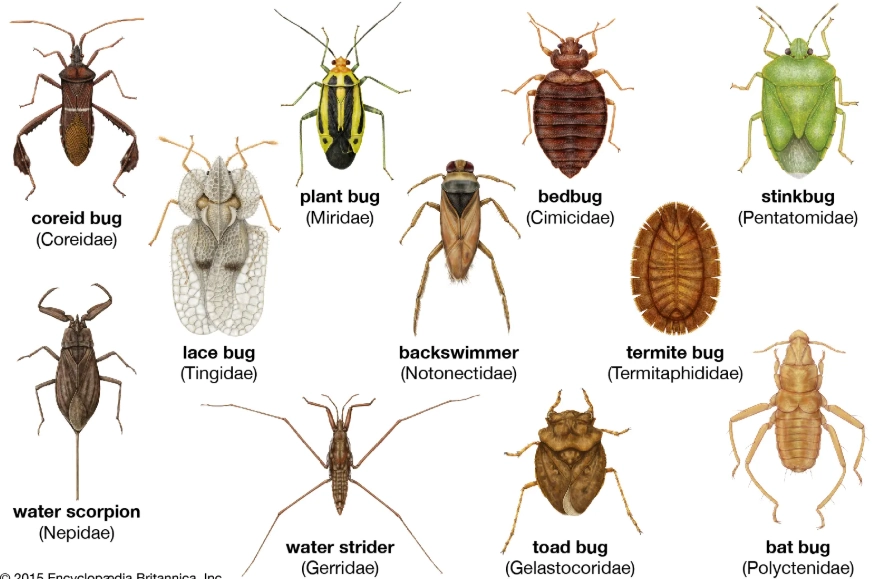
Online Resources & Communities: University extension websites are treasure troves of reliable, localized information. For example, the University of Kentucky Entomology Department has fantastic fact sheets. Reddit communities like r/whatsthisbug are surprisingly knowledgeable and fast, but always cross-reference suggestions.
Spotlight on Common Household & Garden Insects
Let's apply the framework to some frequent visitors.
In the Garden:
- Ladybug vs. Lookalike: Most ladybugs (Coccinellidae) are beneficial. But the Asian Lady Beetle, an introduced species, looks similar. A key difference? The Asian species often has a white "M" or W-shaped marking behind its head and gathers in large numbers indoors in fall.
- Bee vs. Hover Fly: Hover flies are brilliant bee mimics but are true flies. The giveaway? Bee: Four wings, robust, hairy body. Hover Fly: Only two wings (look for the halteres), large "fly eyes," and they can hover motionless in mid-air—a behavior most bees can't sustain.
In the Home:
- Carpet Beetle vs. Bed Bug: Both are small. Carpet beetle larvae are fuzzy and eat natural fibers. Adult carpet beetles are round, mottled, and often near windows. Bed bugs are flat, apple-seed shaped, wingless, and found near beds. Confusing them leads to panic or misdirected treatment.
- Drain Fly vs. Fruit Fly: Both are tiny flies. Drain flies have fuzzy, moth-like wings and a hunched posture. They breed in the gelatinous gunk inside drains. Fruit flies have clear wings, red eyes, and are attracted to fermenting fruit. The breeding source dictates the solution.
I once spent weeks trying to figure out why "ants" were appearing on my kitchen counter. They were actually pavement ant swarmers—the winged reproductive ants—emerging from a crack. Identifying them as ants (six legs, elbowed antennae, pinched waist) was easy. Identifying their life stage told me there was a colony nearby, not just random foragers. That changed my response from wiping counters to finding the entry point.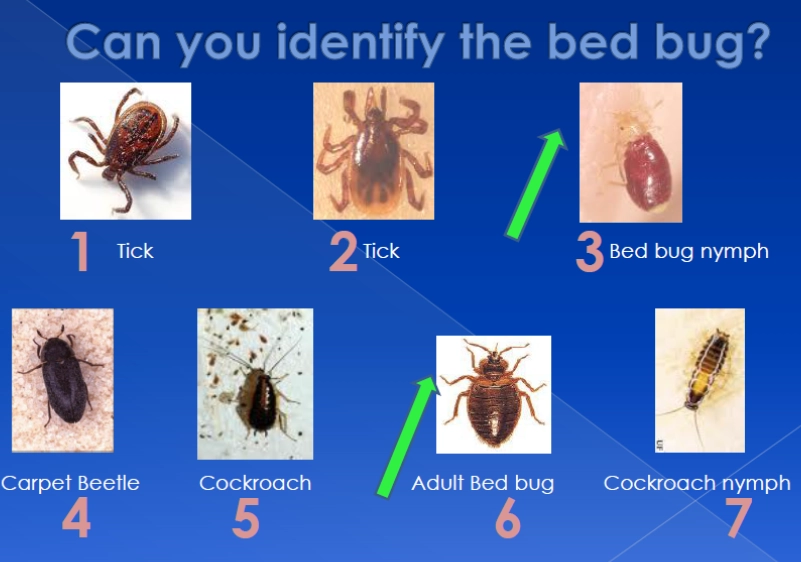
Your Insect ID Questions Answered
 How can I tell if a mosquito is a species that carries disease?
Comments