Let's cut through the noise. You see a red mark, maybe two tiny punctures, and your mind jumps to spiders. Most of the time, you're wrong. The vast majority of skin lesions blamed on spiders are actually bites from other insects (like fleas or bed bugs), infections, or skin conditions. But that small percentage of actual spider bites? Some demand serious attention. I've spent years untangling fact from fear, and the biggest mistake people make is either panicking over nothing or dismissing something that needs a doctor. This guide is about giving you the clarity to know the difference.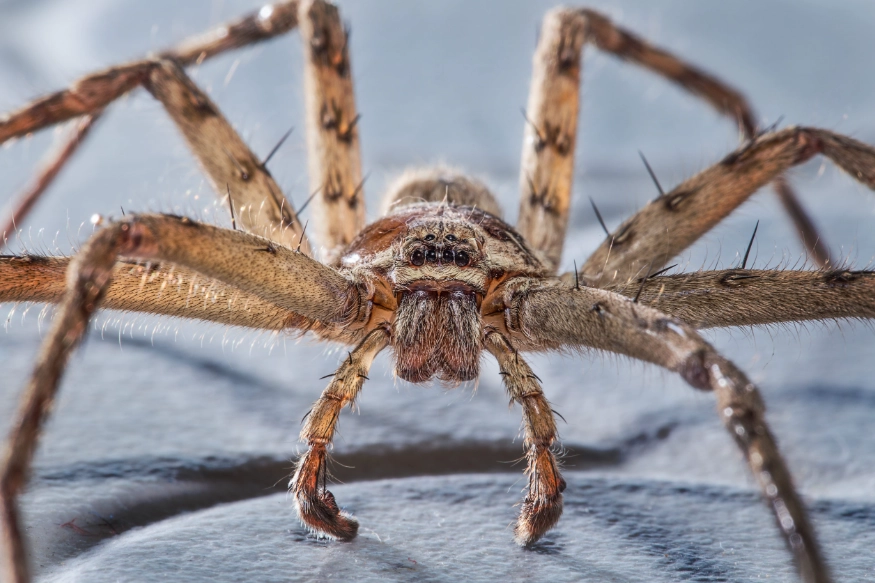
What's Inside This Guide
How to Identify a Spider Bite (And What It's Probably Not)
Forget the idea of a universal "spider bite" look. It doesn't exist. Reactions depend entirely on the spider's venom and your body's response. Most common house spider bites (like the cellar spider or the common house spider) cause nothing more than a mild, itchy red bump similar to a mosquito bite. They're harmless nuisances.
The real concern lies with two medically significant spiders in North America: the black widow and the brown recluse. Even then, not all their bites cause severe reactions. Here’s how to tell them apart from common impostors.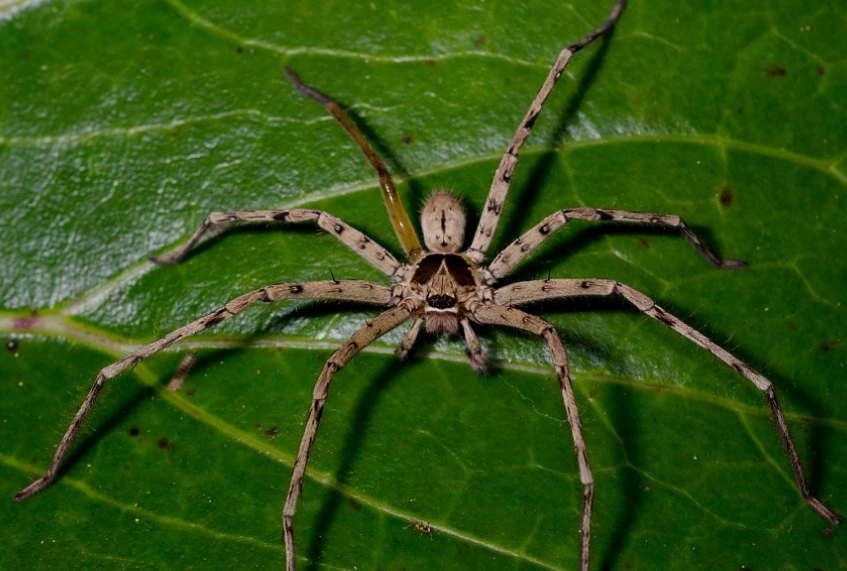
A Crucial Note: You almost never see the spider bite you. If you wake up with a mark, or feel a pinch and then see a spider nearby, it's circumstantial evidence at best. Catching the spider (even a squashed one) is the only way to be sure.
Symptoms of Notable Spider Bites
| Spider Type | Initial Bite Feeling | Local Symptoms (At Bite Site) | Systemic Symptoms (Whole Body) | Timeline of Progression |
|---|---|---|---|---|
| Black Widow | Sharp pinprick, often painless. | Minimal swelling. Two tiny red fang marks might be visible. | Muscle cramps (abdomen, back, shoulders) within 1-6 hours. Sweating, nausea, headache, anxiety. Pain can be severe. | Pain peaks in 1-3 hours, can last 12-48 hours. Full recovery in days. |
| Brown Recluse | Often painless or mild sting. | Redness develops in 2-6 hours. Center may blister, then form a blue or purple area surrounded by red ("bull's-eye"). Can ulcerate. | Fever, chills, body aches, nausea (less common). Severe tissue destruction (necrosis) is rare but possible. | Ulcer can form over 1-2 weeks, healing slowly over months. Most bites remain mild. |
| Common House Spider | Minor pinch or nothing. | Small red bump, mild itching or swelling. | None. | Resolves in a few hours to a couple of days. |
See the pattern? The dangerous bites are notable for what happens away from the bite site (black widow cramps) or for a specific local pattern that evolves over hours (brown recluse bull's-eye). A simple, itchy bump that appears overnight is almost certainly not from these spiders.
I once had a friend convinced a brown recluse bit him on the ankle. The "ulcer" was a classic case of a staph infection from a tiny cut, worsened by constant picking. The doctor confirmed it with a culture. Misdiagnosis leads to unnecessary anxiety and sometimes wrong treatment.
What to Do Immediately After a Spider Bite
Stay calm. Panic doesn't help. Follow these steps in order.
First, clean the area. Use soap and water. This simple step prevents a secondary bacterial infection, which is a far more common complication than the venom itself.
Apply a cold pack or damp cloth. This reduces swelling and can ease local pain. Don't apply ice directly to the skin; wrap it in a towel. 15 minutes on, 15 minutes off.
Elevate the limb if the bite is on an arm or leg. Again, this helps with swelling.
Take an over-the-counter pain reliever like acetaminophen or ibuprofen for discomfort. An antihistamine (like diphenhydramine or cetirizine) can help with itching.
Now, monitor. Closely. For the next 6-12 hours, watch for the development of any symptoms from the table above, especially severe pain, cramping, or a spreading skin lesion.
Do Not: Cut the bite to "drain venom." Do not suck the venom out. Do not apply a tourniquet. These are movie myths that cause more tissue damage and infection. Do not apply heat to a brown recluse bite—it can accelerate tissue damage.
Handling Dangerous Bites: Black Widow & Brown Recluse
This is where action is critical.
When to Go to the ER (Emergency Room)
Head to the emergency department immediately if you experience any of the following after a confirmed or suspected bite:
Severe, spreading pain or abdominal cramping (suggests black widow).
Difficulty breathing or swallowing.
A spreading skin lesion with a blue/purple center that's getting larger by the hour (suggests brown recluse).
High fever, severe headache, or persistent vomiting.
The person bitten is a young child, an elderly person, or someone with a pre-existing heart condition.
At the ER, treatment for a black widow bite may include strong muscle relaxants and, in severe cases, antivenom. The decision to use antivenom is complex, weighing the patient's symptoms against potential allergic reactions. For brown recluse bites, treatment is primarily supportive—wound care, antibiotics if infected, and sometimes surgery for severe necrosis. There is no widely available antivenom for brown recluse bites in the US.
According to the Centers for Disease Control and Prevention (CDC), while black widow bites can be serious, deaths are extremely rare thanks to modern medical care.
How to Prevent Spiders From Biting in the First Place
Spiders bite in self-defense, almost always when they're pressed against your skin. Prevention is about making your space less inviting to them and avoiding accidental contact.
Declutter ruthlessly. Spiders love undisturbed boxes, piles of clothes, woodpiles, and clutter in garages, basements, and closets. Reducing their hiding spots is 80% of the battle.
Seal entry points. Caulk cracks around windows, doors, and foundation lines. Install tight-fitting screens. Pay special attention to where utilities enter the house.
Manage other insects. Spiders go where their food is. Controlling flies, ants, and other small insects with good sanitation reduces the spider food supply.
Be smart with storage. Wear gloves when moving stored items, firewood, or cardboard boxes. Shake out shoes, gloves, and gardening clothes that have been sitting. Store items in plastic, sealed bins instead of cardboard.
Bed hygiene. Keep beds away from walls. Avoid letting bedding drag on the floor. This simple step reduces the chance of a nocturnal wanderer ending up in your bed.
I'm not a fan of widespread indoor pesticide spraying for spiders. It often kills more beneficial predators and isn't that effective against spiders, who can walk across treated surfaces without absorbing much. Targeted sticky traps in corners of basements and garages are a better monitoring and control tool.
Your Spider Bite Questions, Answered
 How long after a brown recluse bite does the serious ulcer form?
Comments