You wake up with a cluster of small, maddeningly itchy red bumps, usually around your ankles or lower legs. Your first thought might be mosquitoes, but the pattern feels different. If you have pets, or even if you don't, there's a good chance you're dealing with flea bites. I've been there—helping friends and family through infestations—and the most common mistake is treating the bites while ignoring the source. This guide isn't just about identifying those bites; it's a practical, step-by-step plan to get rid of them for good.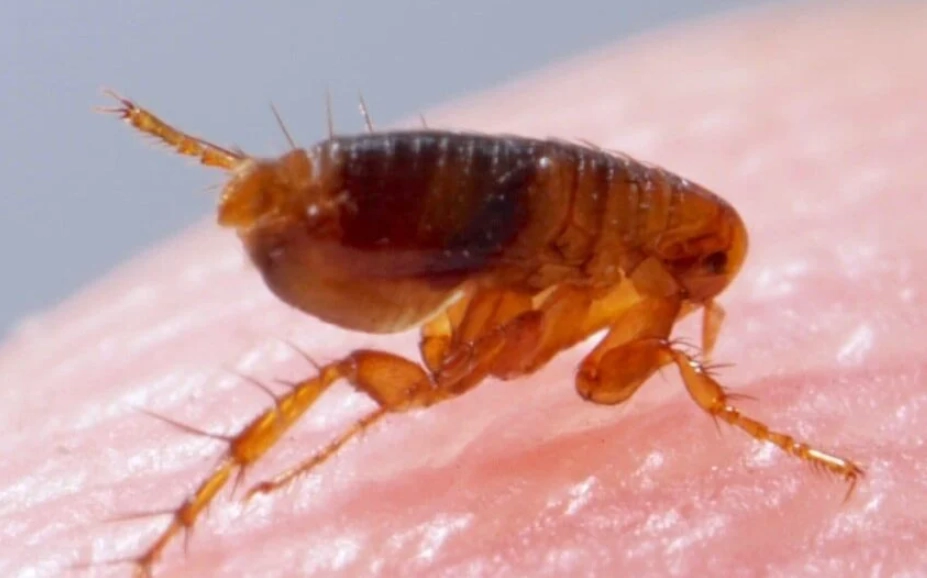
What You'll Find in This Guide
How to Spot Flea Bites (And Not Mistake Them)
Flea bites have a signature look, but people often confuse them with bed bug bites or mosquito bites. Here's the breakdown.
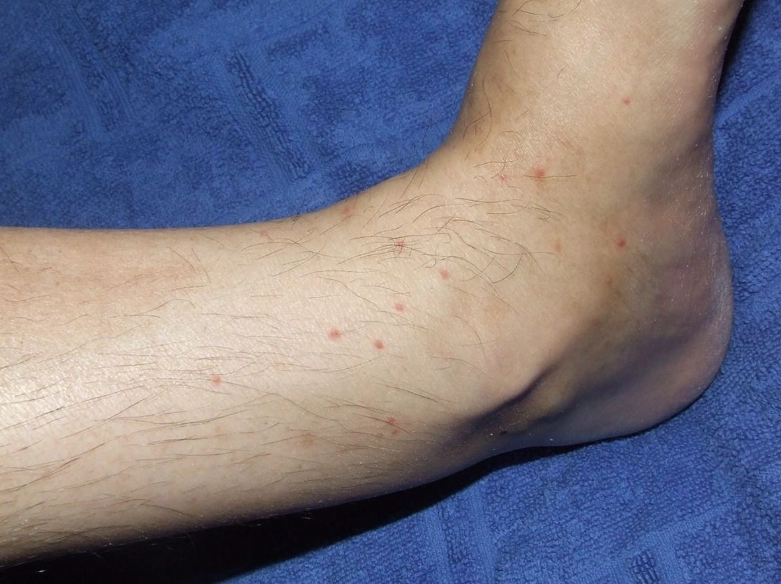
What they look like: Tiny red bumps, often with a lighter red "halo" around them. Sometimes you'll see a tiny puncture point in the center. The real giveaway is the pattern. Fleas bite multiple times in a small area, so you'll often find them in clusters or a rough line of three or four bites. They call this "breakfast, lunch, and dinner."
Where they show up: Fleas can't jump very high, so they typically target the closest ground-level skin. Think ankles, lower legs, and feet. If you were sitting or sleeping, they might bite around your waist, armpits, or the bends of your elbows and knees.
Flea Bites vs. Other Bites:
Mosquito bites: Usually single, random, and raised with a more defined white center. They can appear anywhere exposed.
Bed bug bites: Often appear in a straight line or zigzag pattern, can be anywhere on the body, and might have a more pronounced red, swollen center.
Spider bites: Typically a single bite (two puncture marks), can be large, painful, and may blister.
The itch from flea bites is intense and can last for weeks if you scratch. Some people have a stronger allergic reaction to the flea's saliva, causing larger welts or even hives.
Pro Tip: Do the "sock test." If bites are concentrated where your socks end, it's a huge red flag for fleas. They live in carpets and jump onto passing ankles.
How to Treat Flea Bites at Home
Treating the bites is about managing symptoms and preventing infection. The goal is to stop the itch-scratch cycle, which can lead to broken skin and bacterial infections like impetigo.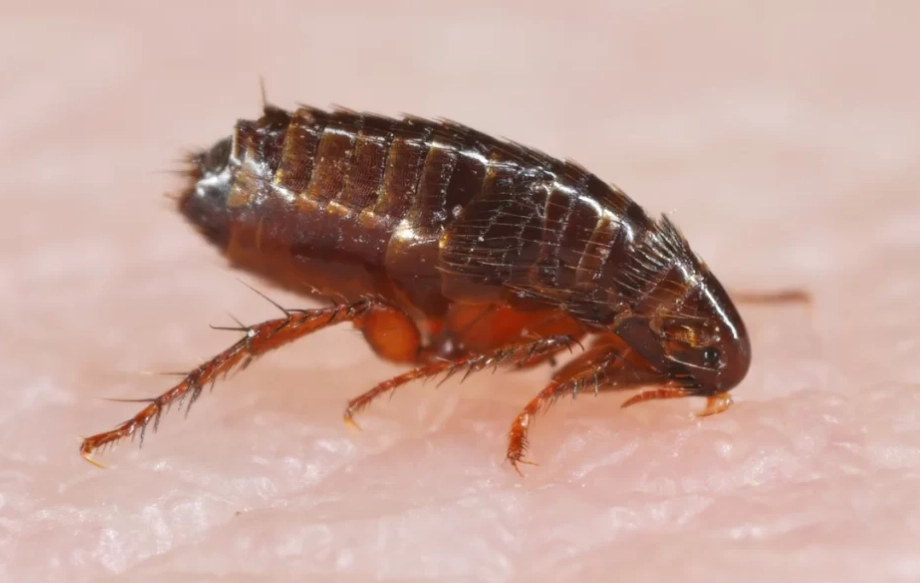
The Fastest Way to Stop the Itch
1. Wash the Area: Immediately wash the bites with mild soap and cool water. This removes flea saliva and dirt, reducing the chance of infection. Pat dry, don't rub.
2. Cold Compress: Apply an ice pack or a cold, damp cloth for 10-minute intervals. This reduces swelling and numbs the area, giving instant relief.
3. Over-the-Counter Solutions:
- Hydrocortisone Cream (1%): This is your first line of defense. It directly reduces inflammation and itch. Apply a thin layer.
- Antihistamines: Oral meds like cetirizine (Zyrtec) or loratadine (Claritin) can help if the reaction is widespread or causing hives. They block the histamine response.
- Calamine Lotion or Menthol Creams: These provide a cooling sensation that distracts from the itch.
4. Natural Remedies (That Actually Work):
- Aloe Vera Gel: The pure stuff from the plant is best. It's cooling, anti-inflammatory, and promotes healing.
- Baking Soda Paste: Mix a little baking soda with water to make a paste. Apply for 10-15 minutes before rinsing. It helps neutralize the pH and soothe the skin.
- Oatmeal Bath: For widespread bites, a colloidal oatmeal bath can be incredibly soothing. Don't make the water too hot.
My friend swore by tea tree oil, but I'm cautious. It can be very irritating on broken skin. Dilute it heavily with a carrier oil if you try it.
When You Absolutely Need to See a Doctor
Home treatment isn't always enough. See a doctor if:
- The bites show signs of infection: increasing redness, warmth, pus, or red streaks leading from the bite.
- The itching is unbearable and doesn't respond to OTC treatments.
- You develop a fever, headache, or body aches after being bitten.
- You have a severe allergic reaction (difficulty breathing, swelling of the lips or throat). This is a medical emergency—call 911.
A doctor might prescribe a stronger steroid cream or antibiotics for an infection.
How to Kill Fleas in Your Home
This is the non-negotiable part. Treating bites without eliminating the fleas is like mopping the floor with the tap still running. Fleas have a four-stage life cycle (egg, larva, pupa, adult), and most treatments only kill adults. You have to break the cycle.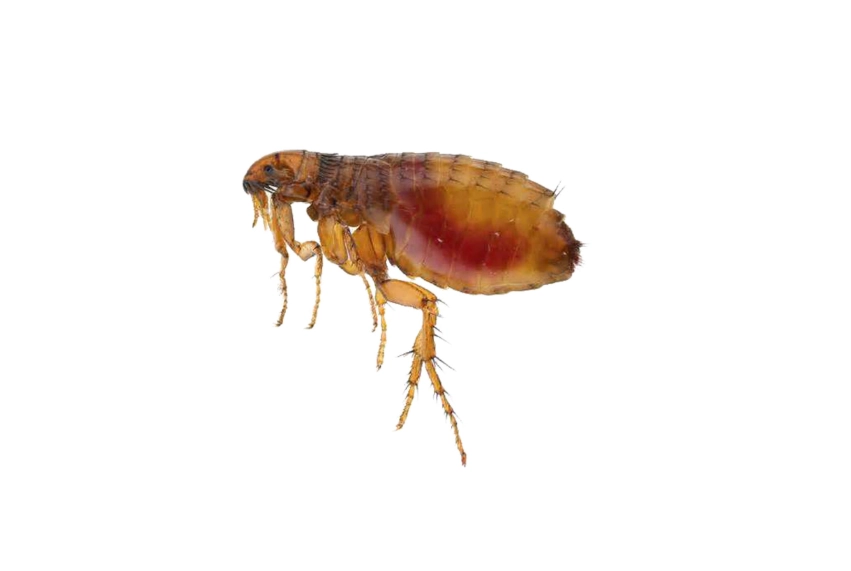
Step 1: Treat Your Pets. This is ground zero. Even if you don't see fleas on them, they are likely the carriers. Use a veterinarian-recommended monthly topical treatment or oral medication. Over-the-counter flea collars and shampoos are often ineffective against a full infestation. Consult your vet for the best option.
Step 2: Deep Clean Your Environment.
- Vacuum, Vacuum, Vacuum: Vacuum all carpets, rugs, upholstery, and pet bedding daily. Pay special attention to baseboards, under furniture, and crevices. The vibration also stimulates flea pupae to hatch. Immediately seal and dispose of the vacuum bag or empty the canister outside.
- Wash Everything: Wash all pet bedding, your bedding, and any removable fabric covers in hot water (at least 140°F/60°C) and dry on high heat.
Step 3: Apply Insecticides (If Needed). For serious infestations, you may need an insect growth regulator (IGR) like methoprene or pyriproxyfen. These mimic insect hormones, preventing eggs and larvae from maturing. You can find them in sprays or foggers. Always follow the Environmental Protection Agency (EPA) guidelines and product instructions to the letter. Consider a professional pest control service for persistent problems.
Preventing Future Flea Bites
Once you've cleared an infestation, keep it that way.
For Pets: Maintain year-round flea prevention as recommended by your vet. Don't skip doses in the winter; fleas can live indoors.
For Your Home: Regular vacuuming doesn't stop. Consider using food-grade diatomaceous earth (DE) in carpets before vacuuming. It's a fine powder that dehydrates fleas but is safe for humans and pets when used correctly. Keep your yard trimmed and avoid piles of leaves or debris where wildlife (and their fleas) might live.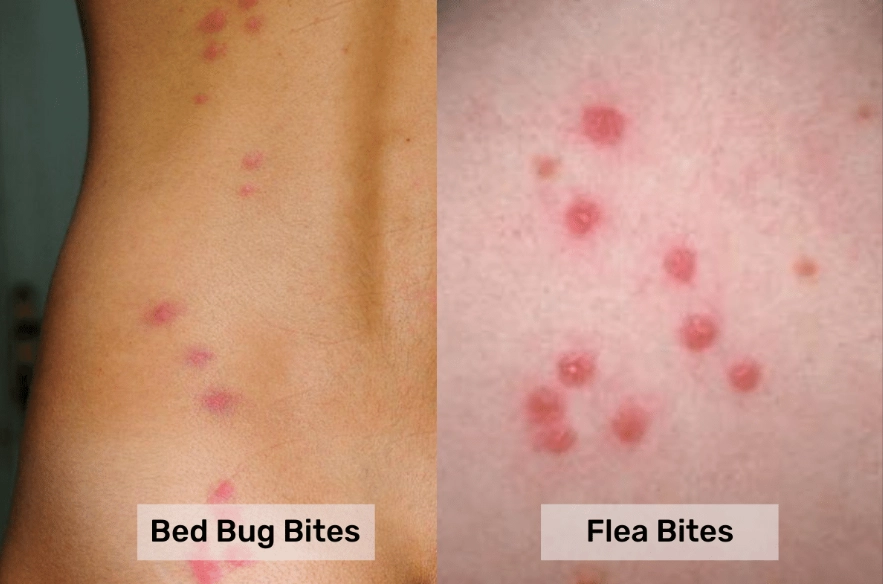
Common Mistakes That Keep the Cycle Going
I see people do these all the time.
Only treating the pet. Fleas spend most of their time in your environment, not on the animal. You must treat the home.
Stopping treatment too soon. The flea life cycle can take months. You need to continue cleaning and treating for at least 4-8 weeks after you stop seeing bites or fleas.
Using the wrong products. Many cheap store-bought sprays only kill adult fleas on contact. They don't affect the eggs or larvae, so a new generation emerges in weeks. Look for products with an IGR.
Neglecting the yard. If your pet goes outside, fleas can hitch a ride back in. Treat outdoor areas where your pet spends time.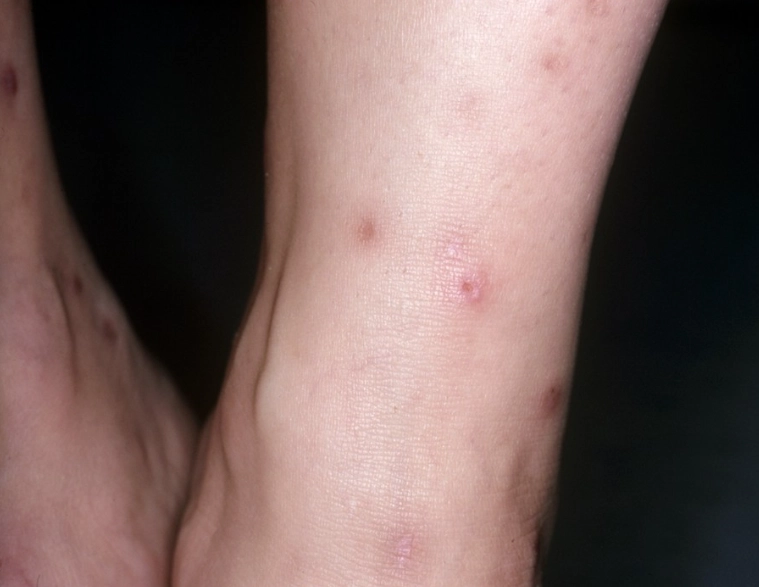
Your Flea Bite Questions Answered
Why do flea bites itch more at night?
Can you get flea bites without having pets?
What's the best home remedy for flea bites on a child?
How long do flea bites last if you don't scratch them?
Are flea bites dangerous? Can they transmit disease?

Comments