Let's be honest. Discovering bed bugs feels like a violation. It's not just about the itchy bites; it's the creeping anxiety, the lost sleep, and the sheer frustration of dealing with a pest that seems to defy common sense. I've been in the pest management field for over a decade, and I can tell you the panic is real, but so are the solutions. This guide cuts through the noise. We'll walk through exactly how to identify an infestation, why common DIY tricks often fail, and the step-by-step process—both DIY and professional—to eliminate them for good. Forget the fear-mongering; we're focusing on actionable, effective strategies.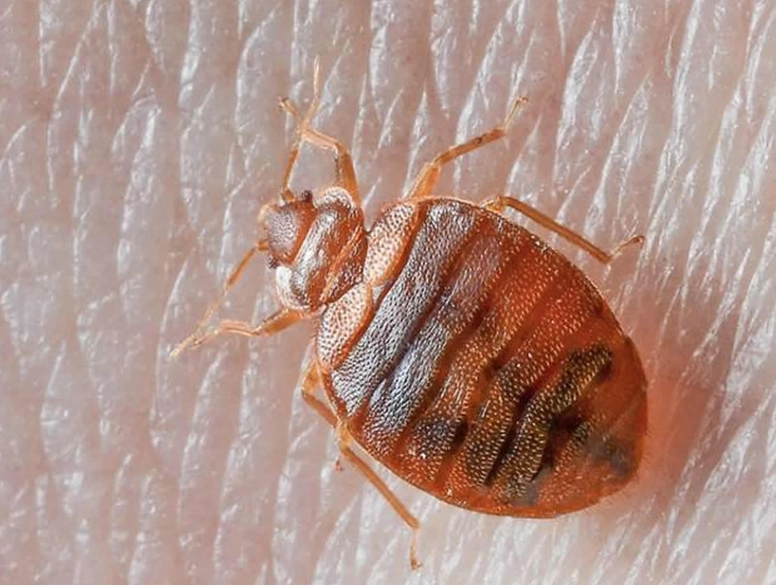
What You'll Find in This Guide
How to Know If You Have Bed Bugs: Signs Beyond the Bites
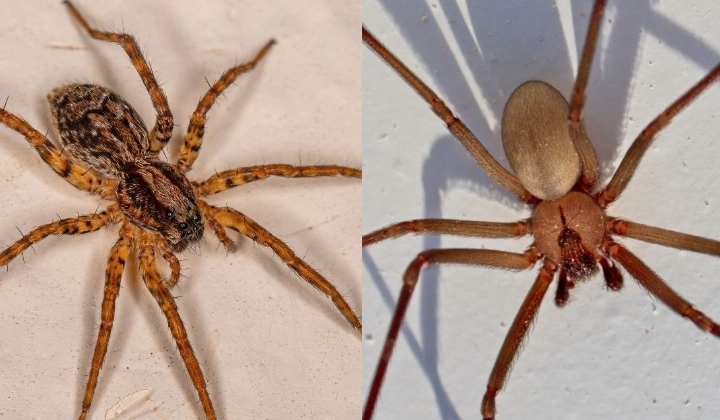
You wake up with a line of itchy, red welts. Is it a mosquito, a spider, or the dreaded bed bug? Bites alone are tricky. They affect people differently—some react violently, others not at all. You need to look for physical evidence.
Grab a flashlight and a credit card. Start with your mattress and box spring. Peel back the seams, especially along the edges and tags. Look for:
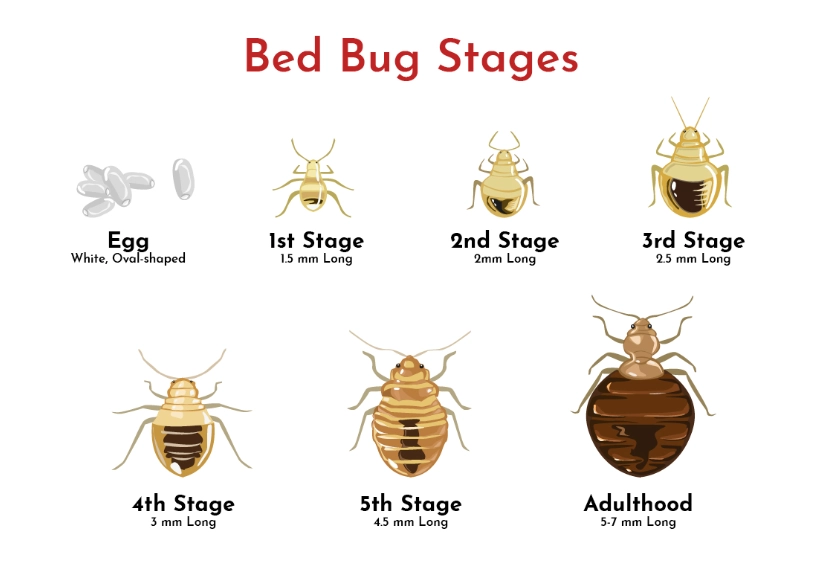
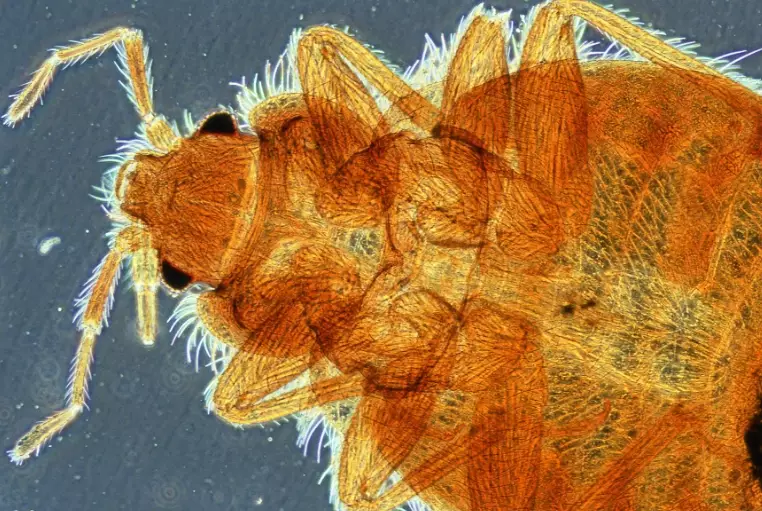
- Live bugs: Apple seed-sized, reddish-brown, flat and oval if hungry, swollen and longer after feeding.
- Fecal spots: Tiny black or dark brown specks, like a fine-point marker bled on the fabric. They smear when wet.
- Eggs and eggshells: Pearly white, about 1mm long, often stuck in crevices or fabric seams.
- Cast skins: Pale, hollow shells that nymphs shed as they grow.
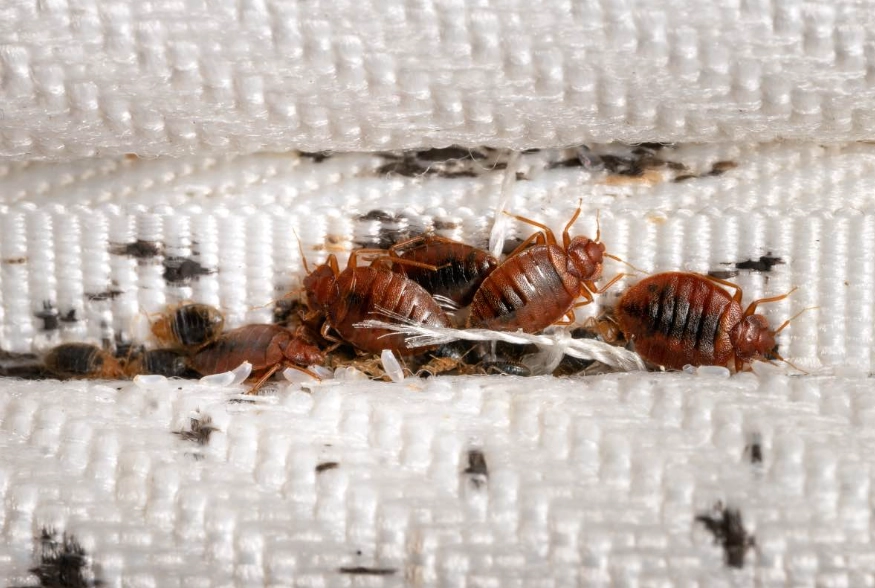
Don't stop at the bed. Check within 15 feet of where you sleep. That means nightstands (inside drawers and screw holes), behind headboards, along baseboards, under loose wallpaper, and even in electrical outlets and picture frames. They're masters of hiding in cracks thinner than a dime.
What Do Bed Bug Bites Look Like?
The classic pattern is a line or cluster of bites, often called "breakfast, lunch, and dinner." They're intensely itchy and can appear anywhere skin is exposed during sleep—arms, shoulders, neck, legs. Some people develop large, painful welts; others see nothing. If you're reacting, an anti-itch cream with hydrocortisone or taking an oral antihistamine can help. But treating the bites does nothing to solve the infestation.
Why Bed Bugs Are So Hard to Kill (And Why Bug Bombs Make It Worse)
This is the part that frustrates everyone. You spray, and they seem to disappear, only to return weeks later. Here's why:
Resistance: Many bed bug populations have developed genetic resistance to common pyrethroid insecticides found in store-bought sprays. A study cited by the U.S. Environmental Protection Agency (EPA) confirms widespread resistance, making some chemicals nearly useless.
Behavior: They hide in places spray can't reach. They also avoid treated surfaces if they can. Aerosol "bug bombs" or total-release foggers are particularly ineffective and dangerous. They push bugs deeper into walls and adjacent rooms, spreading the infestation. The EPA warns against using them for bed bugs.
Life Cycle: Eggs are incredibly resistant to insecticides. If you only kill the adults, a new generation hatches in 6-10 days, restarting the cycle. You must break this cycle.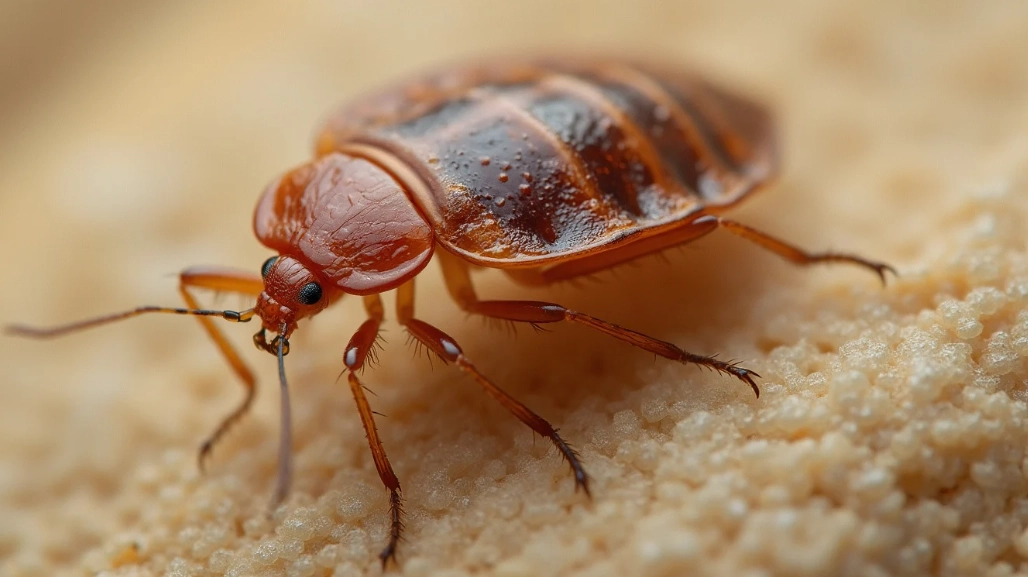
A Realistic, Step-by-Step DIY Treatment Plan
If you catch an infestation very early and it's confined to a single room, a meticulous DIY approach might work. It requires relentless effort. Here's the blueprint.
Phase 1: Containment and Preparation
First, stop the spread. Don't move items from the infested room to other rooms.
- Encase Your Mattress and Box Spring: Buy high-quality, bed bug-proof encasements with a secure zipper. This traps any bugs inside and makes future inspections easy. Leave them on for at least a year.
- Declutter: Reduce hiding places. Cardboard boxes are a favorite—transfer items to clear plastic bins.
- Launder and Heat-Dry: Bag all bedding, clothing, and curtains from the room. Take them directly to the washer. Use the hottest water and dryer settings the fabrics can handle. Heat kills all life stages. For dry-clean-only items, inform the cleaner about the potential bed bugs.
Phase 2: Physical and Chemical Attack
Now, tackle the room. Chemical sprays should be a supplement, not your main weapon.
Vacuum Thoroughly: Use a crevice tool on every seam, crack, and groove. Vacuum the mattress, box spring, bed frame, baseboards, and furniture. Immediately empty the vacuum canister into a sealed plastic bag and dispose of it outside.
Apply Diatomaceous Earth (DE) or CimeXa: These are desiccants—fine powders that scratch the bugs' waxy outer layer, causing them to dry out and die. Lightly dust them in voids, behind baseboards, and under furniture. Wear a mask when applying. CimeXa is often considered more effective and less messy than traditional DE.
Use Targeted Insecticides: If you use a spray, choose a product with a different mode of action than pyrethroids. Look for ingredients like chlorfenapyr or neonicotinoids (like imidacloprid), often in combination formulas. Apply only to labeled areas—cracks and crevices. Never spray the entire surface of a mattress or bedding you sleep on.
Install Interceptors: Place bed bug interceptor cups under each leg of your bed. These pitfall traps monitor activity and can catch bugs trying to climb up from the floor.
This process isn't a one-and-done. You must repeat inspections and treatments weekly for several weeks to catch newly hatched nymphs.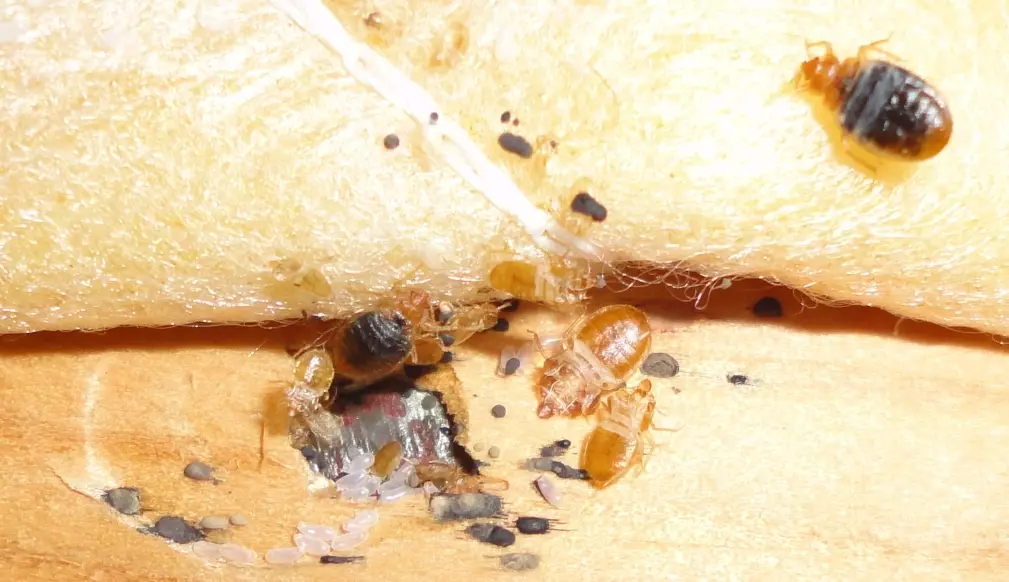
When and How to Hire a Professional Exterminator
Most of the time, especially with a widespread infestation or in multi-unit housing, professional help is the fastest, most reliable path to peace. Here's what you're paying for.
| Treatment Method | How It Works | Pros | Cons |
|---|---|---|---|
| Heat Treatment (Thermal Remediation) | Professionals use industrial heaters to raise the temperature of the entire room or structure to 120-135°F (49-57°C) and hold it for several hours. | Kills all life stages (bugs and eggs) in one day. No chemical residue. Penetrates deep into walls and furniture. | Most expensive option. Requires extensive prep (removing heat-sensitive items). Requires highly trained technicians. |
| Steam Treatment | Using a commercial steamer that delivers dry vapor at over 200°F (93°C) directly onto surfaces and into crevices. | Excellent for killing bugs and eggs on contact on surfaces like mattresses, couches, and baseboards. Chemical-free. | Does not penetrate deep into walls or clutter. Must be very slow and meticulous to be effective. Often used in combination with other methods. |
| Targeted Chemical Application | A licensed pro uses a combination of professional-grade liquid insecticides, dusts (like CimeXa), and aerosols in a strategic, multi-visit plan. | Can be very effective when done correctly. Often less costly than heat. Good for complex infestations. | Requires multiple visits (often 2-3, spaced 2 weeks apart). Success depends on technician skill and thorough prep by the homeowner. |
Choosing a Pro: Get multiple quotes. Ask specifically about their bed bug protocol. Do they offer a guarantee? Do they use a combination of methods? A good company will insist on a detailed inspection first and provide a clear prep sheet. Beware of quotes that seem too good to be true—effective bed bug work is labor-intensive and rarely cheap.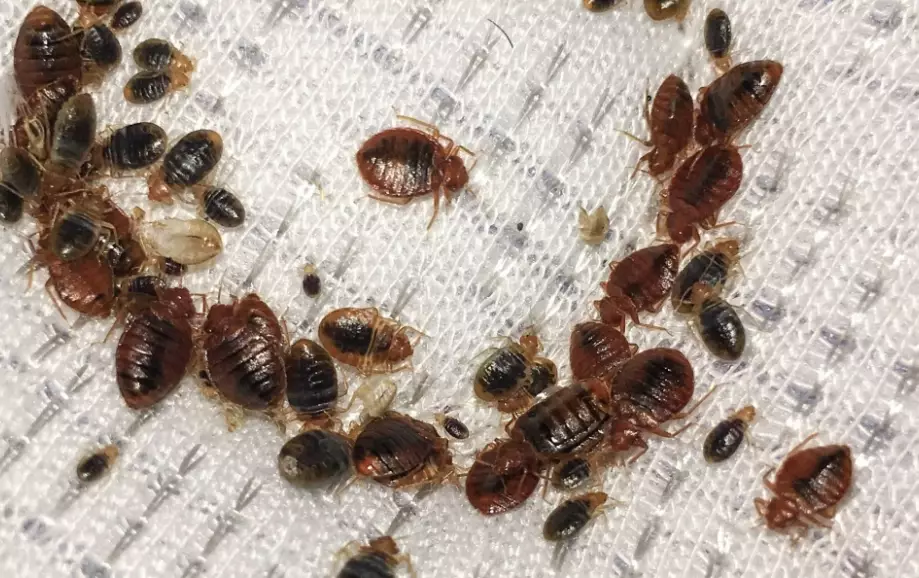
Keeping Bed Bugs Out for Good: A Practical Strategy
Once you're clear, staying clear is about vigilance, not paranoia.
- Travel Smart: Never put your luggage on the hotel bed or floor. Use the luggage rack, and inspect it first. Keep your bag in the bathroom (tile floors offer fewer hiding spots) during your initial inspection. Check the mattress seams and headboard.
- Second-Hand Furniture: Be extremely cautious with upholstered items or beds from curb-sides, thrift stores, or online marketplaces. Inspect them meticulously before bringing them inside. If in doubt, don't bring it in.
- Regular Monitoring: Keep interceptors under bed legs. Periodically check your mattress encasements for any tears or signs of activity.
- Reduce Clutter: A tidy home with fewer hiding spots is always less attractive to pests.
Your Top Bed Bug Questions Answered
 Can bed bugs live in my hair or on my body?


Comments