You hear a faint chirping at night, but it's not from outside. Then you see one—a dark, humpbacked insect darting across the basement floor. Camel back crickets. If you're reading this, you've probably had that unsettling moment. These aren't your typical field crickets; they're a different beast altogether, and getting rid of them requires a specific plan. I've dealt with them in old houses and helped neighbors clear out infestations. The standard advice often falls short because it treats them like other pests. Let's cut through the generic tips and talk about what actually works.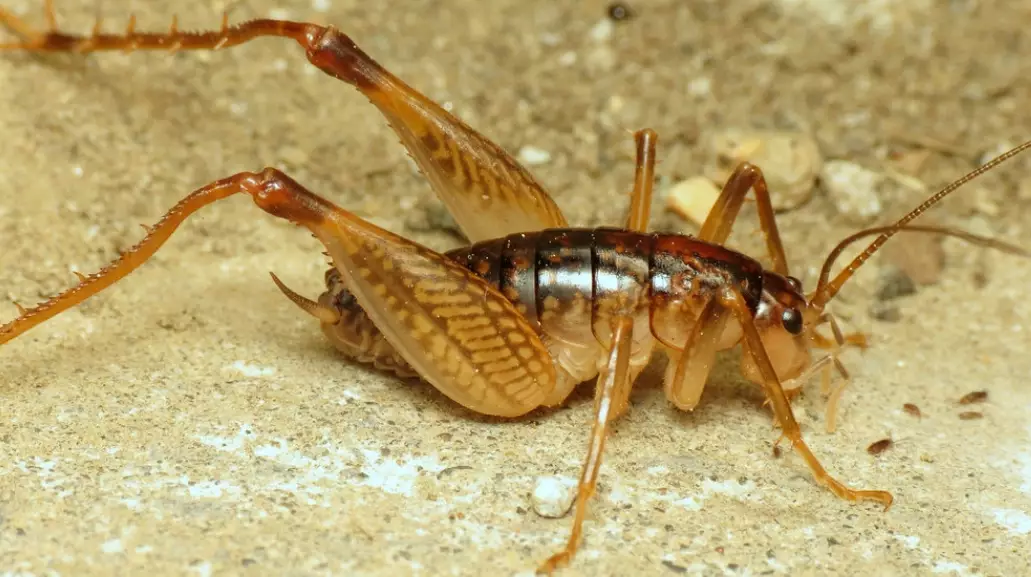
What's Inside This Guide
What Are Camel Back Crickets?
First off, the name. "Camel back cricket" is a common name, but you might also hear them called cave crickets, spider crickets, or sprickets. Their scientific family is Rhaphidophoridae. That humped back is the giveaway. Unlike the sleek, black field cricket that chirps on your porch, camel backs are tan to dark brown, have long, spindly antennae, and powerful hind legs built for jumping at you, not away from you. It's a startling defense mechanism.
They're moisture lovers. In the wild, they hang out in caves, under logs, in leaf litter—anywhere cool, dark, and damp. Your basement, crawl space, or garage is basically a five-star cave hotel for them. They don't chirp like other crickets. The noise you might hear is more of a faint tapping or rustling from a group of them moving around.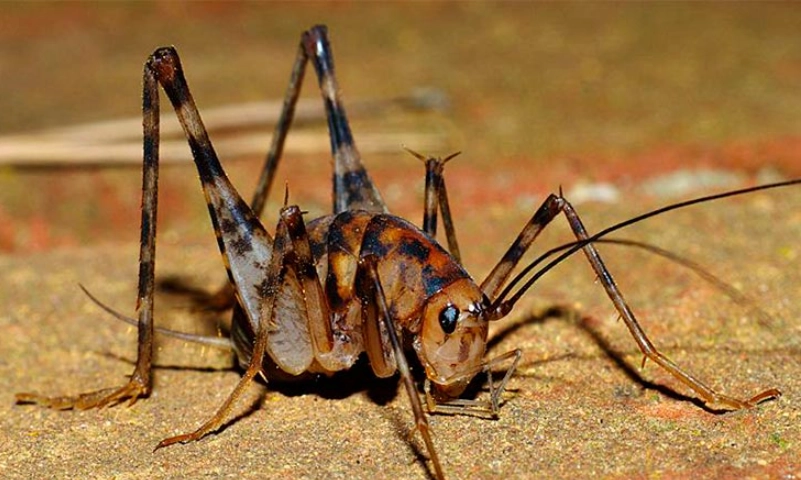
How to Spot the Difference: Identification Checklist
Mistaking them for another pest means using the wrong treatment. Here’s how to be sure you're dealing with camel back crickets.
- The Hump: The most obvious feature. A pronounced, arched, camel-like back.
- Color & Size: Light tan to dark reddish-brown. About 1/2 inch to 1 1/2 inches long (body, not including legs and antennae).
- Legs & Antennae: Extremely long, thread-like antennae, often longer than their body. Long, bent hind legs.
- Wings: They are wingless. If it has wings, it's not a true camel back cricket.
- Behavior: They jump erratically and often toward a perceived threat. They are nocturnal and prefer to hide during the day.
I once helped a friend who was convinced he had a spider problem. He described "hunched-over spiders" jumping from behind boxes. A quick look confirmed they were camel backs. Spraying for spiders did nothing, but addressing the dampness in his utility room solved it.
Why Camel Back Crickets Are a Problem in Your Home
They don't bite or sting humans, and they aren't known to carry diseases. So why the fuss? The issues are more indirect, but still significant.
They Damage Belongings. Camel back crickets are scavengers. They'll feed on fungi, decaying plant matter, and, unfortunately, organic materials in your home. This includes cotton, linen, silk, wool, and even paper. I've seen them chew on stored clothing, curtains, and important documents in a damp basement. The damage looks like small, irregular holes.
They Attract Other Pests. A population of crickets is a food source. Where you have camel backs, you might soon see spiders, centipedes, or even mice looking for an easy meal. You're not just solving one pest issue; you're preventing a chain reaction.
They're a Nuisance and a Sign. Their presence, especially in large numbers, is a clear indicator of excess moisture and harborage areas in your home. Ignoring them means ignoring a potential mold or structural dampness problem.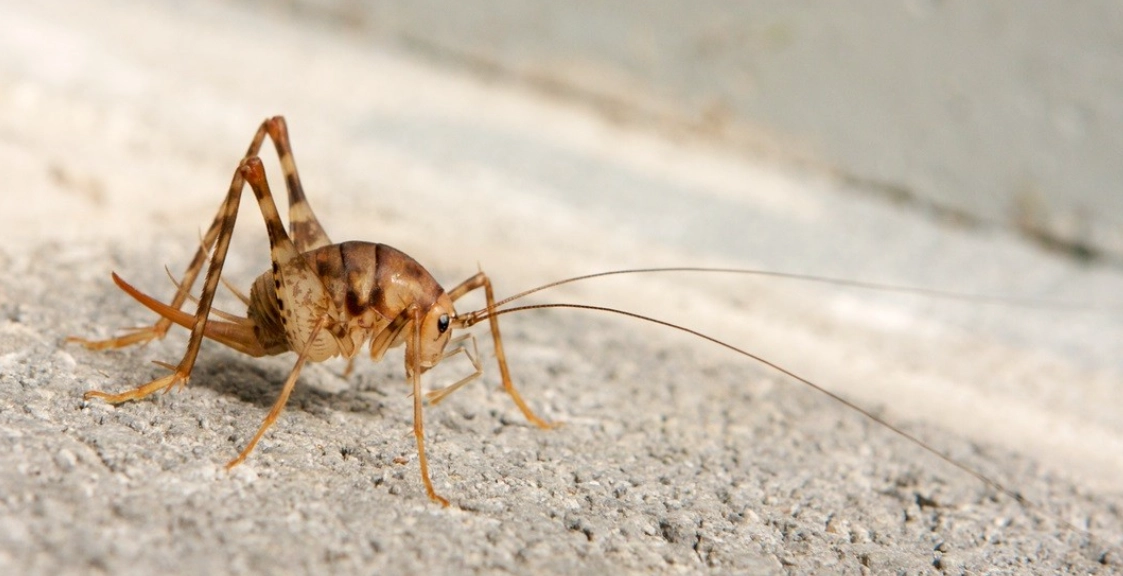
How to Get Rid of Camel Back Crickets for Good
Here's where most blogs give you a list of random tips. Let's structure it like a pro would: inspection, direct action, and habitat modification. The biggest mistake is just laying down glue traps and calling it a day. That catches a few but does nothing to stop the source.
Step 1: Inspection and Sanitation
Grab a flashlight. Look in the darkest, dampest corners of your basement, crawl space, garage, and around the foundation outside. Check under cardboard boxes (they love these), behind stored items, and near sump pumps or floor drains. Remove clutter. Cardboard is a magnet for moisture and crickets—switch to plastic bins with tight lids.
Step 2: Direct Control Methods
You need a combination approach. I prefer non-chemical methods first, but severe infestations might need targeted chemicals.
| Method | How to Use It | Best For / Notes |
|---|---|---|
| Sticky Glue Traps | Place along walls, in corners, and behind appliances. Use plenty—10-20 in an active basement isn't overkill. | Monitoring and reducing numbers. A great non-toxic first step. Check and replace weekly. |
| Diatomaceous Earth (DE) | Apply a thin layer of food-grade DE in cracks, along baseboards, and in crawl spaces. Wear a mask during application. | Long-term, passive control. It's a desiccant that damages their exoskeletons. Works best in dry areas. |
| Insecticidal Dusts | Similar application to DE but using products like boric acid or silica aerogel dust in wall voids and inaccessible areas. | Professional-grade control for severe infestations. More effective than DE but requires more caution. |
| Targeted Insecticide Sprays | Use residual sprays labeled for crickets on baseboards, foundation perimeters, and entry points. Not a fogger. | Knocking down a large, visible population. Follow label directions precisely. Foggers are useless—they just drive them deeper into hiding. |
A pro tip with glue traps: fold them into a tunnel shape. Crickets like to hide in dark crevices, and a tunnel trap is often more effective than a flat one.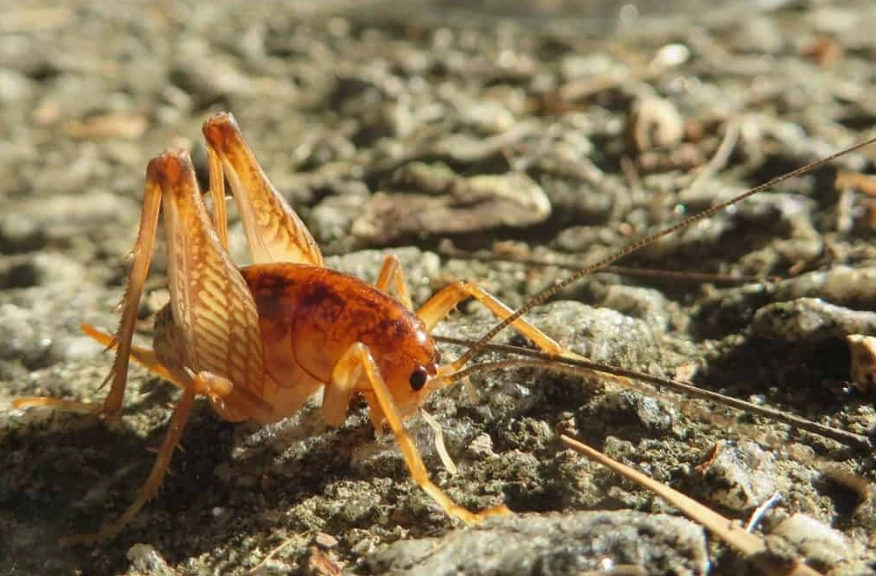
Step 3: Reduce Moisture (The Most Critical Step)
This is the non-negotiable part. No amount of trapping will work if your basement feels like a swamp.
- Dehumidify: Run a dehumidifier in your basement or crawl space. Aim for below 50% relative humidity.
- Ventilate: Ensure crawl spaces are properly vented. Use fans to improve air circulation in damp rooms.
- Fix Leaks: Repair leaky pipes, faucets, and foundation cracks. Grade soil away from your house to prevent water pooling.
- Use a Sump Pump: If you have chronic dampness, a sump pump may be necessary.
Preventing a Future Infestation: The Long-Term Strategy
Once you've cleared them out, keep them out. Prevention is cheaper and easier than elimination.
Seal Entry Points. This is the most overlooked step. Camel backs can squeeze through tiny gaps. Use caulk, steel wool, or expanding foam to seal cracks in the foundation, gaps around utility pipes, and spaces under doors. Pay special attention to where the wooden frame of your house meets the concrete foundation.
Maintain a Dry Perimeter. Keep gutters clean and extend downspouts at least 5 feet away from your foundation. Remove leaf piles, woodpiles, and dense vegetation from directly against the house. This removes their outdoor harborage and reduces moisture.
Keep Indoor Areas Uninviting. Continue using the dehumidifier during humid months. Store items off the floor on shelving. Keep basements and garages well-lit and clutter-free.
I learned the sealing lesson the hard way. After a successful cleanup, they came back the next fall. I found a 1/4-inch gap under the garage service door I'd missed. Sealing it was the final piece of the puzzle.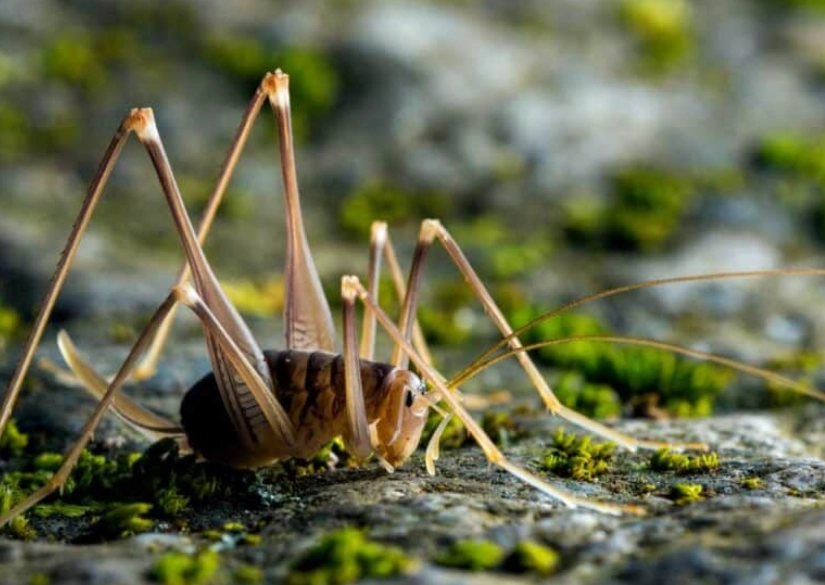
Your Camel Back Cricket Questions, Answered
Will camel back crickets eat my clothes like clothes moths?
Do camel back crickets bite people or pets?
I see one or two every few weeks. Is that an infestation?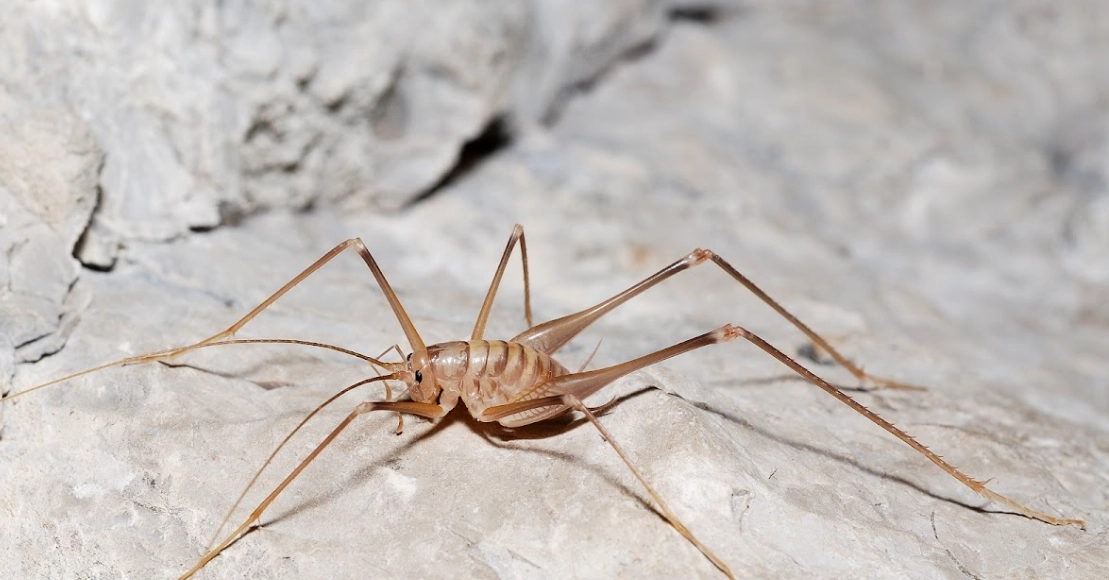
Can I keep a camel back cricket as a pet? I think they look cool.
Are there any professional resources for identifying or managing them?
Comments