If you're waking up to roaches in your kitchen, you're not alone—and you're not powerless. As a tenant, you have legal rights to a habitable home, and that includes protection from pest infestations. I've seen too many people suffer in silence or waste money on ineffective sprays, only to find the problem persists because the landlord didn't address the root cause. Let's cut through the confusion: here's exactly how to use the law to get rid of roaches for good.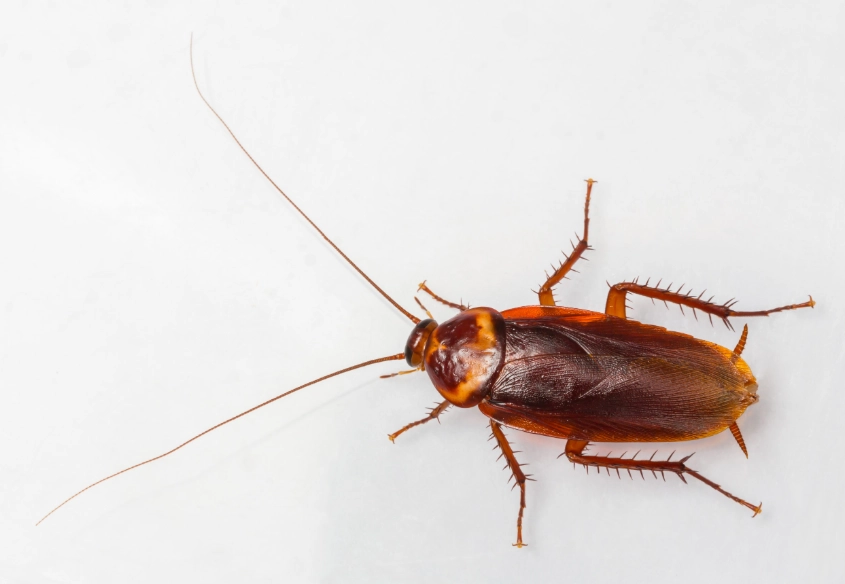
What You'll Find in This Guide
Understanding Your Legal Rights as a Tenant
Most tenants don't realize that roach infestations aren't just a nuisance—they're a legal issue. Under the implied warranty of habitability, which exists in every U.S. state, landlords must provide a safe and sanitary living environment. Roaches can trigger health code violations, and if your landlord ignores it, you have grounds for action.
The Implied Warranty of Habitability
This legal doctrine means your rental must be fit for human habitation. Courts have consistently ruled that pest infestations, especially roaches which carry diseases like salmonella, breach this warranty. I remember a case in New York where a tenant withheld rent after documenting roaches for months, and the court sided with them because the landlord failed to hire a professional exterminator.
State and Local Health Codes
Check your local health department website—many cities have specific codes against insect infestations. For example, in Los Angeles, the Housing Department requires landlords to address pests within a set timeframe. If they don't, you can file a complaint that forces inspection and fines.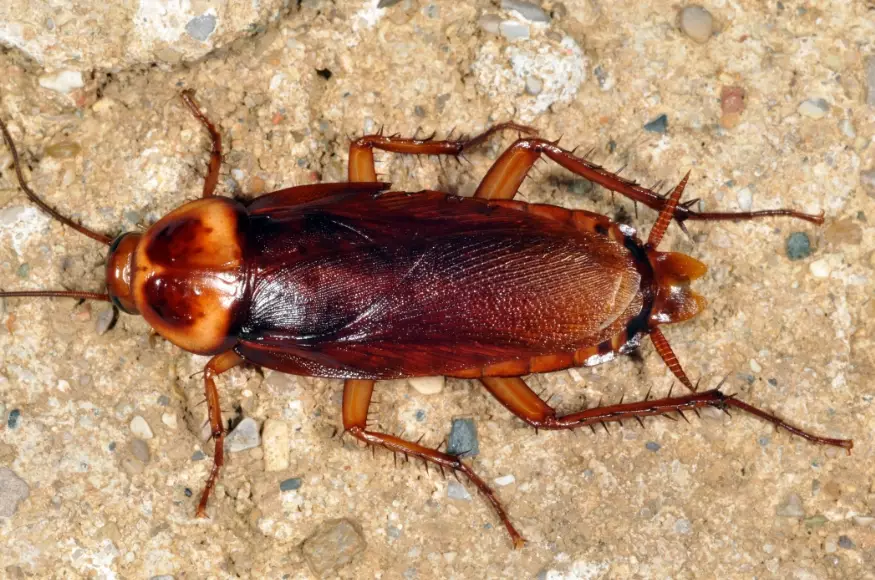
Key Point: Your right to a roach-free home isn't optional; it's embedded in rental laws. Don't let landlords brush it off as "normal" for urban living.
How to Document and Report a Roach Infestation
Documentation is your best weapon. Without it, your claim is just hearsay. Start by taking clear photos and videos of roaches in common areas—kitchen, bathroom, under sinks. Date them and note the time. I once helped a friend who only had blurry pics, and the landlord dismissed it as "old evidence."
Photographic Evidence and Logs
Create a log: every sighting, date, location, and any communication with the landlord. Use a spreadsheet or even a notebook. This builds a timeline that shows persistence, which matters in court. Include close-ups of roach droppings or egg cases—they're proof of an established infestation, not just a stray bug.
Formal Complaint Letters
Send a written complaint via certified mail or email. Keep it factual: describe the infestation, reference your photos, and cite local health codes. Demand action within a reasonable period, like 7-10 days. Avoid emotional language; stick to the legal requirements. Here's a template I've used successfully:
"Dear [Landlord's Name], I am writing to report a severe roach infestation at [address], first observed on [date]. This violates the implied warranty of habitability and [local health code]. I request professional pest control within 10 days. Please respond in writing."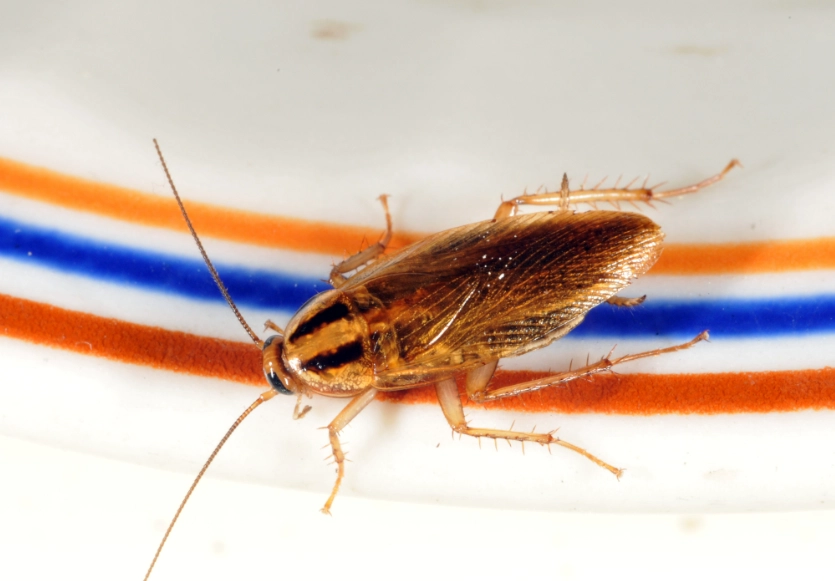
Landlord Responsibilities: What the Law Says
Landlords aren't just morally obligated to fix roach problems—they're legally required. Responsibilities vary by state, but generally, they must hire licensed exterminators and address structural issues that attract pests, like cracks or leaks.
| State | Landlord Duty Timeline | Tenant Remedies if Ignored |
|---|---|---|
| California | 30 days to act after notice | Withhold rent, repair and deduct, sue |
| Texas | Reasonable time, typically 7 days | Terminate lease, seek damages |
| New York | Immediate for health hazards | File with housing court, get rent abatement |
Many landlords try to shift blame, saying tenants caused it by being messy. But unless you're hoarding garbage, the law usually places the burden on them for building-wide issues. In my experience, roaches often come from neighboring units or shared walls, making it the landlord's problem to seal entry points.
Consequences of Non-Compliance
If a landlord refuses, they face penalties: fines from health departments, lawsuits for breach of contract, and even criminal charges in extreme cases. I've seen landlords pay thousands in tenant relocation costs after losing in court.
Step-by-Step Guide to Legally Force Action
When polite requests fail, escalate strategically. Don't jump to lawsuits immediately; follow these steps to build a strong case.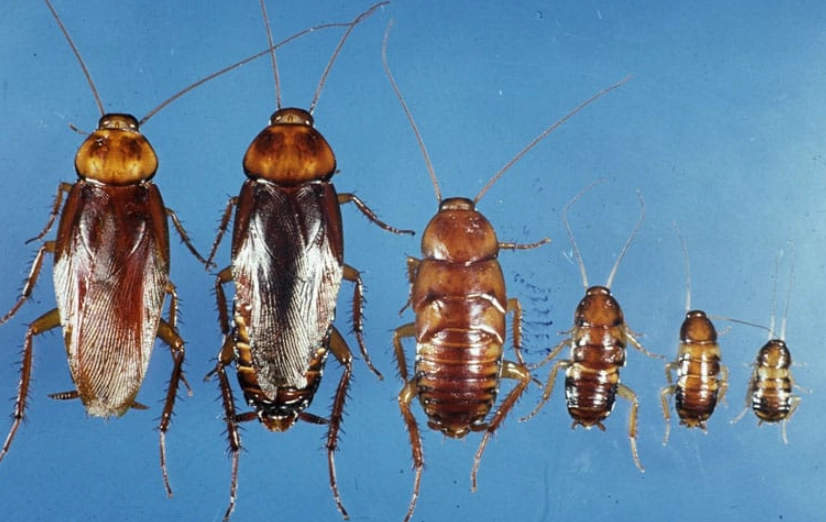
Step 1: Document everything. As above, photos, logs, and written complaints.
Step 2: Report to local authorities. Contact your city's health or housing department. They can inspect and issue violations. For instance, the EPA provides guidelines on integrated pest management that authorities often reference.
Step 3: Consider rent withholding or repair and deduct. In many states, you can withhold rent until the issue is fixed, but check local laws—some require placing rent in an escrow account. Repair and deduct lets you hire an exterminator and deduct the cost from rent, but usually only up to a limit, like one month's rent.
Step 4: Legal action. File a lawsuit in small claims court for damages, like medical bills from allergies or spoiled food. In severe cases, consult a tenant attorney; many offer free consultations.
A common mistake? Tenants wait too long. Roaches multiply fast; act within days of noticing them. I've seen infestations go from a few bugs to hundreds because of delay.
Preventive Measures to Protect Your Home
Even after elimination, prevention is key. Landlords should seal cracks, but tenants can help too.
Keep your space clean—wipe counters, store food in airtight containers, and take out trash regularly. But don't blame yourself; roaches can thrive in clean apartments if there's moisture or entry points. Use caulk to seal gaps around pipes and windows. Consider non-toxic deterrents like diatomaceous earth, but for severe cases, professional treatment is best.
During move-in, inspect for signs of pests. Ask the landlord about past infestations—they might not volunteer it, but it's worth a question. If you see roach traps or smell a chemical odor, probe further.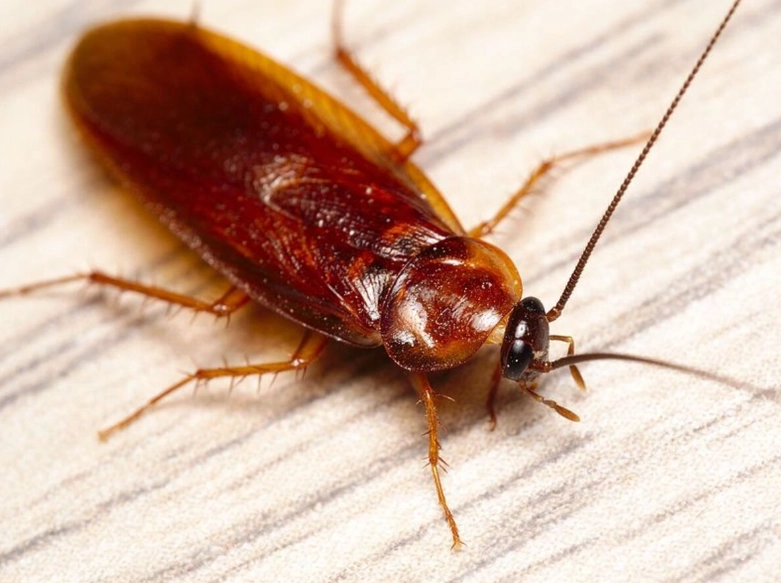
FAQ: Common Questions About Roaches and the Law
 How long does a landlord have to fix a roach problem legally?
Roach infestations are more than a pest problem—they're a legal battle waiting to be won. By knowing your rights and acting decisively, you can reclaim your home. Remember, persistence pays off; don't let landlords intimidate you into accepting substandard living conditions.


Comments