That sudden, acrid smell in your living room. It's not garbage, not a dead mouse... it's something else. You look around and spot a small, shield-shaped bug on your curtain. Congratulations, you've just met your first stink bug. This isn't just about a bad odor; it's about an invasion that disrupts your peace and can be surprisingly tricky to manage. I've spent over a decade in pest management, and I can tell you that most advice online misses the mark. They tell you to vacuum them, but don't mention that if you don't immediately empty the vacuum, your entire closet will smell like rancid cilantro for weeks. Let's cut through the noise and get to what actually works.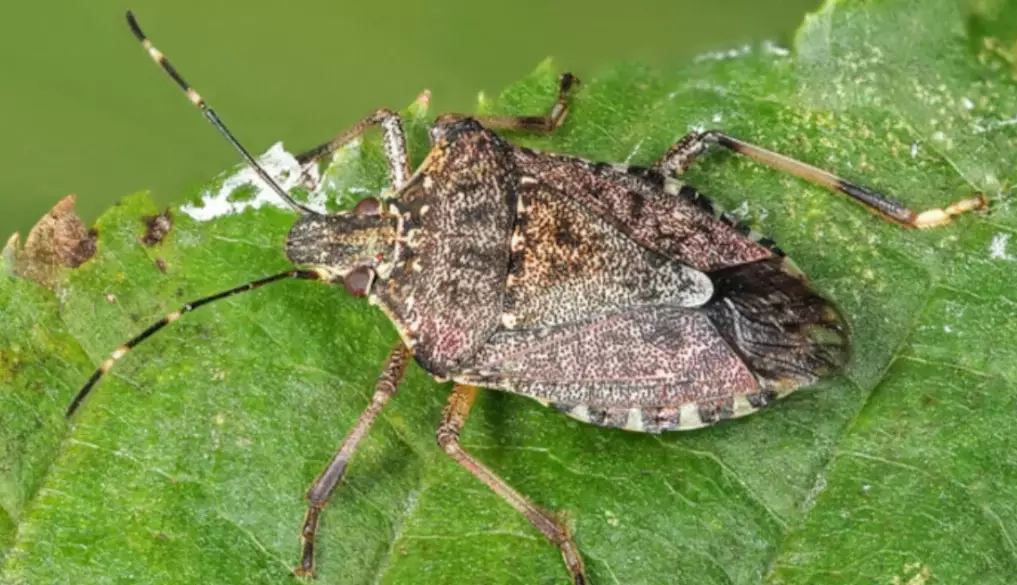
What You'll Find in This Guide
Know Your Enemy: Identifying Common Smelly Insects
Not every smelly bug is a stink bug. Misidentifying your pest means using the wrong tactics. Here’s a quick breakdown of the usual suspects.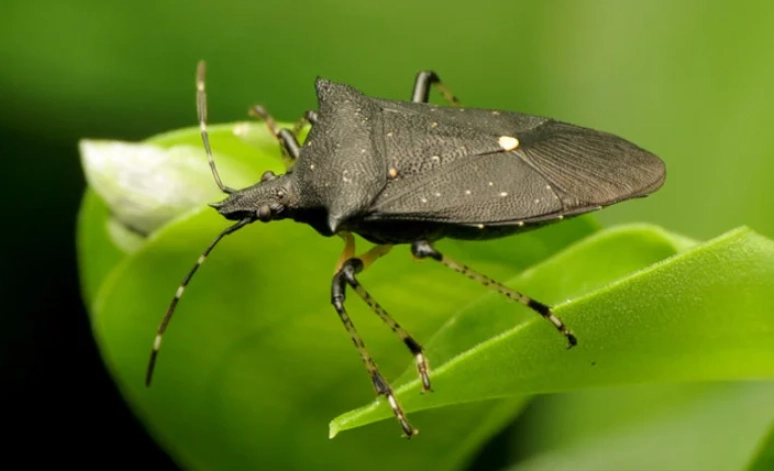
| Insect | Key Identifying Features | Smell Description & Origin | Common Habitats |
|---|---|---|---|
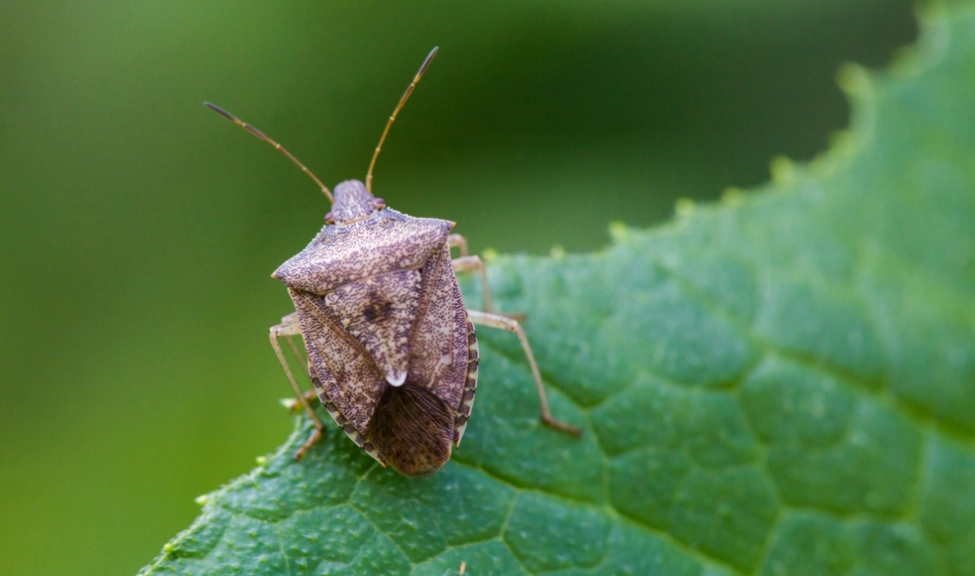
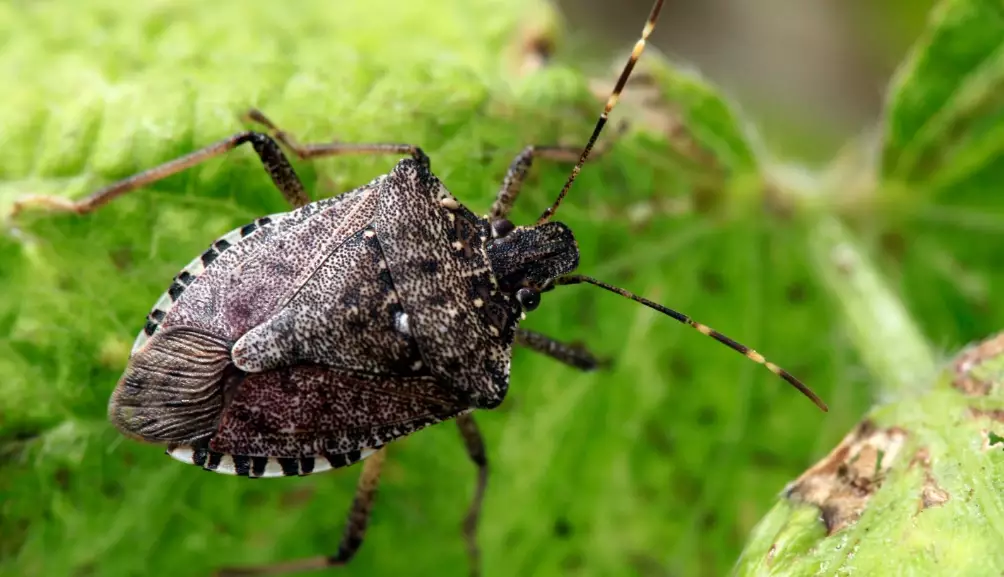
| Brown Marmorated Stink Bug | Shield-shaped, mottled brown/grey, about 3/4" long. Antennae have alternating light and dark bands. | Pungent, like rancid almonds or cilantro. Released from glands on the thorax when threatened or crushed. | Overwinters in attics, wall voids, behind siding. Active in gardens (tomatoes, beans) in summer. |
| Western Conifer Seed Bug | Often confused with stink bugs. Longer, narrower body, reddish-brown with a white zigzag line behind the head. | Mild, piney or musky odor. Less offensive than true stink bugs. | Seeks shelter in homes in fall. Found on conifer trees (pines, firs) in warm months. |
| Boxelder Bugs | Black with distinct red-orange markings on the back. Elongated, oval body. | Faint, unpleasant smell if crushed in large numbers. Not their primary defense. | Cluster on sunny sides of buildings, near boxelder and maple trees. |
| Cockroaches (Certain Species) | Varies by species. German cockroaches are small and tan with two dark stripes. | A persistent, oily, musty smell from pheromones and fecal matter. Sign of a large infestation. | Warm, moist, dark areas: under sinks, behind appliances, in cabinets. |
The brown marmorated stink bug is public enemy number one for a reason. Since its introduction from Asia, it's spread across North America with few natural predators. A study from Purdue University Extension details its rapid spread and economic impact on agriculture. In your home, it's a nuisance; in an orchard, it's a disaster.
Why Do They Come Inside? (It's Not Just the Cold)
We blame the cold weather, and that's a big part of it. As temperatures drop, these insects seek sheltered places to overwinter—a state of suspended animation. But it's more nuanced.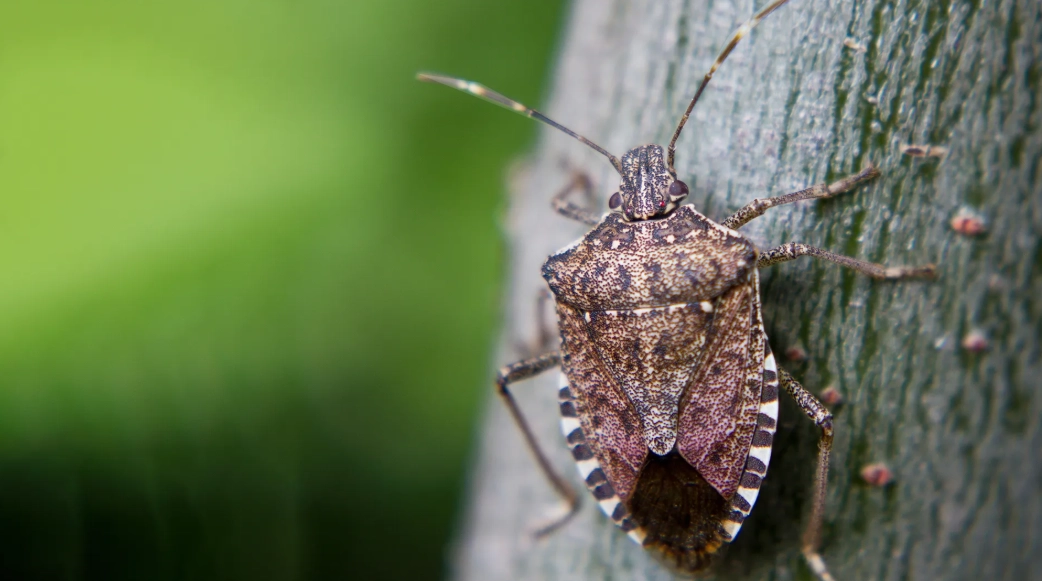
They're attracted to the warmth and light radiating from your house in the evening. Dark siding, especially on the south or west side of your home, absorbs heat and becomes a giant "welcome" mat. I've seen infestations where one side of a street was hit hard and the other barely touched, all due to siding color and sun exposure.
They also use chemical cues. That smell they release? It tells other stink bugs, "Hey, I found a good spot." So, a few pioneers in the fall can lead to a full-blown congregation by mid-winter if they aren't dealt with quietly.
The Overwintering Hotspots in Your Home
They don't want to live in your kitchen. They want to be undisturbed.
Attics and Crawl Spaces: The number one destination. Dark, quiet, and insulated.
Behind Wall Hangings & Bookshelves: Any tight space against an exterior wall is prime real estate.
Inside Window and Door Frames: Gaps behind trim are perfect entry and hiding points.
Underneath Furniture: Couches or beds pushed against exterior walls offer shelter.
Prevention Is Everything: Sealing Your Fortress
Killing bugs inside is reactive. Keeping them out is proactive and far more effective. This isn't a weekend warrior project; it's a systematic audit of your home's exterior.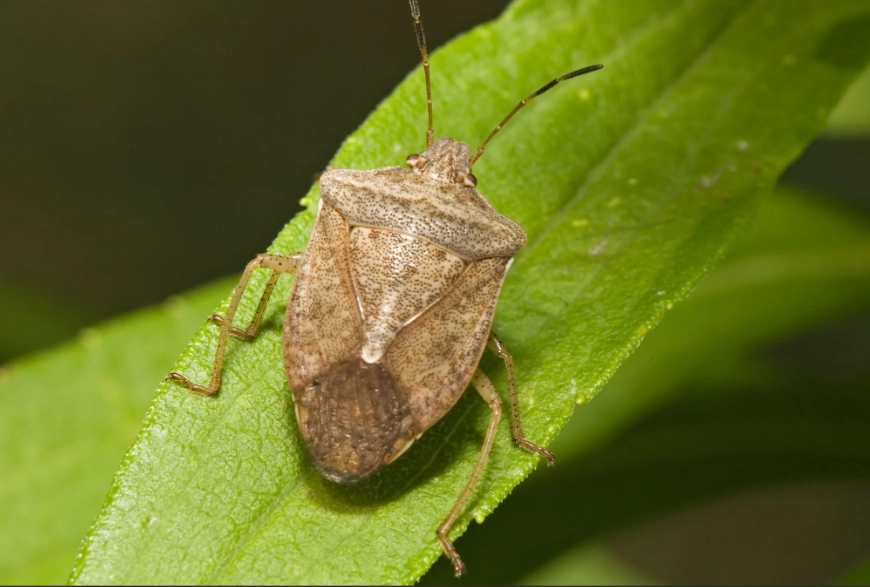
Late summer to early fall is the critical window. Do this before you feel the first real chill.
Your Home Seal-Up Checklist
- Inspect and Seal Utility Openings: Where pipes, wires, and cables enter your house. Use expanding foam or silicone caulk. Check around air conditioners, dryer vents, and outdoor faucets.
- Repair Screens: Any tear in a window or vent screen is an open door. Replace them. Ensure chimney caps are intact.
- Address Door and Window Gaps: Install or replace worn-out weatherstripping. Pay special attention to the bottom of doors. A gap of 1/8" is a highway for stink bugs.
- Examine Siding and Soffits: Look for loose panels, cracks, or gaps where different materials meet. Soffits (the underside of your roof overhang) are often poorly sealed and a major entry point.
- Manage Outdoor Lighting: Switch white incandescent or LED bulbs near doors to yellow "bug light" bulbs, which are less attractive to insects (and all the other bugs that stink bugs might follow).
- Landscape Wisely: Trim back tree branches and shrubs that touch your house. They're bridges. Keep a clear zone of at least 12-18 inches.
Safe Elimination: What to Do When They're Already In
So you missed the prevention window, or you moved into a house that's already a bug hotel. Here's the step-by-step for dealing with active invaders.
The Gold Standard: The Soapy Water Trap
This is my go-to, and it's embarrassingly simple. Fill a wide, shallow dish (like a pie plate) with warm water and a generous squirt of dish soap. Hold it underneath a stink bug on your wall or ceiling. Gently nudge the bug with a piece of paper or your finger. It will drop right into the soapy water. The soap breaks the surface tension, so the bug sinks and drowns quickly without releasing its smell.
No panic, no smell, no stain. Empty the dish outside. This method requires a steady hand but is 100% effective for individual bugs.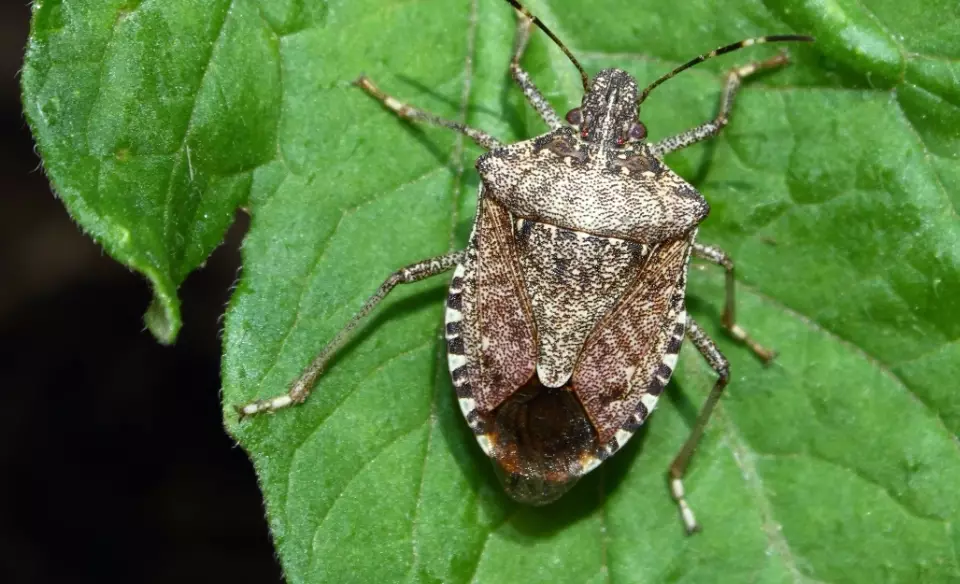
For Larger Invasions: The Vacuum Debate
Using a vacuum is controversial. A standard vacuum cleaner will make your vacuum bag or canister smell horrible. Here's the professional workaround:
- Use a shop vac or a vacuum you dedicate to this purpose.
- Before you start, put about an inch of soapy water in the bottom of the vacuum canister.
- Vacuum the bugs. They'll be captured in the water and drown.
- Immediately after you're done, empty the canister outside, rinse it thoroughly, and let it dry. Don't let them sit in there.
Never use your good indoor vacuum for this. Trust me, I learned that the hard way years ago.
What About Insecticides Indoors?
 Generally, I don't recommend them for stink bugs inside living spaces. Spraying a bug on your curtain will cause it to release its odor. However, targeted applications in attic or crawl space voids by a professional in the late summer can reduce overwintering populations. Products like desiccants (e.g., diatomaceous earth) can be dusted in these unused spaces—they work by drying out the insects' exoskeletons.
For active bugs in your home, physical removal is safer, cleaner, and just as fast.
Your Top Smelly Insect Questions, Answered
 I heard planting certain things keeps them away. Does mint or garlic around the foundation work?

Comments