You walk out to your porch and see them. Clusters of small, tubular mud structures stuck to the wall, under the eaves, or in a corner of the garage. Your first thought might be "Oh great, wasps." But before you reach for the spray can or call an exterminator, hold on. The insect that built these—the mud dauber wasp—is one of the most misunderstood and unfairly maligned creatures in your backyard. I've been observing and writing about solitary wasps for years, and the mud dauber's story is a fascinating one. This guide will cut through the fear and give you the straight facts on what they are, why they might be a silent ally, and how to handle them if you really need to.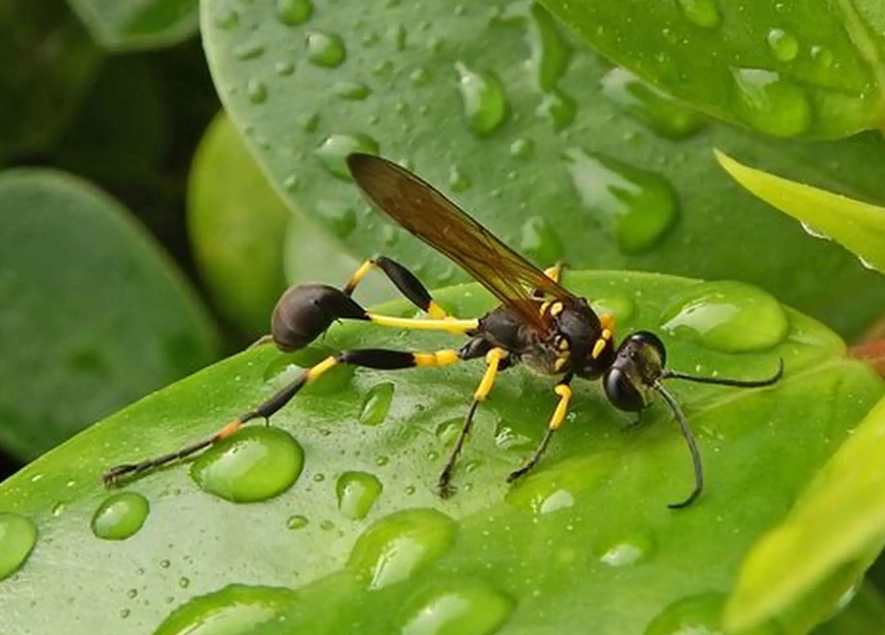
What You’ll Find in This Guide
What Exactly Are Mud Daubers?
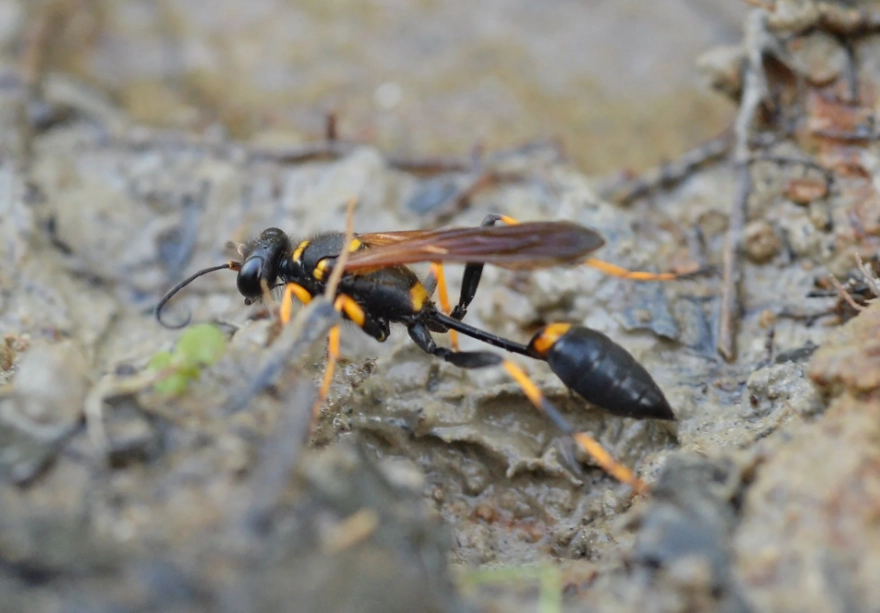
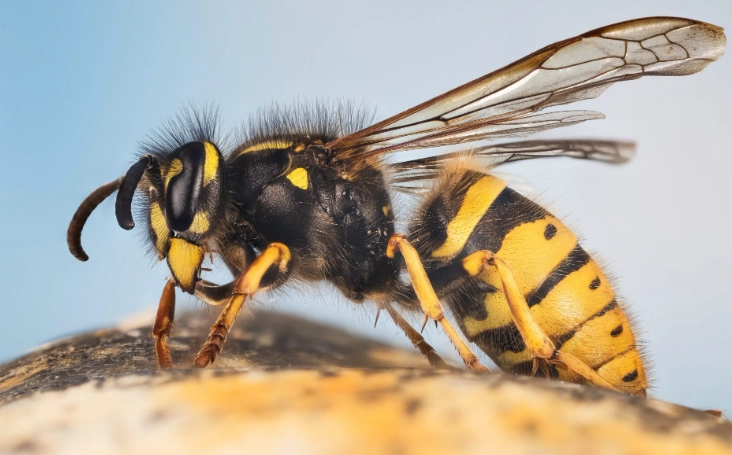
Mud daubers are a type of solitary wasp. That "solitary" part is crucial. Unlike yellow jackets or hornets that live in large, social colonies with hundreds of sisters defending a single queen, each mud dauber female is a lone operator. She's a single mom, working tirelessly to build a home and provide for her offspring all by herself. There's no hive mind, no swarm, no collective defense. This fundamental difference in biology is the root of their non-aggressive nature.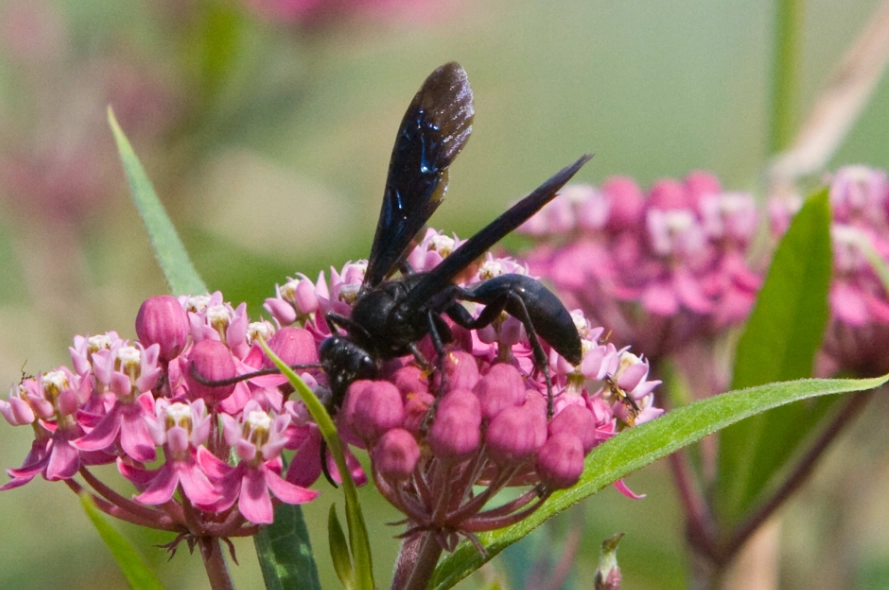
They belong to the families Sphecidae and Crabronidae. You'll commonly encounter a few types:
- Organ-pipe mud daubers build those iconic, parallel mud tubes that look like, well, organ pipes.
- Black and yellow mud daubers create a more lumpy, irregular nest, often shaped like a gourd.
- Blue mud daubers are sleek and metallic blue-black, and they often take over and renovate the nests of other mud daubers.
Their entire life cycle revolves around two things: mud and spiders. The female mixes soil with her saliva to create a portable, clay-like building material. She flies it back to her chosen construction site—your house, shed, or barn is prime real estate because it offers shelter from rain.
How to Identify a Mud Dauber Nest
Spotting a mud dauber nest is straightforward once you know what to look for. It's not the papery, football-shaped hive of a hornet. It's made of mud, plain and simple.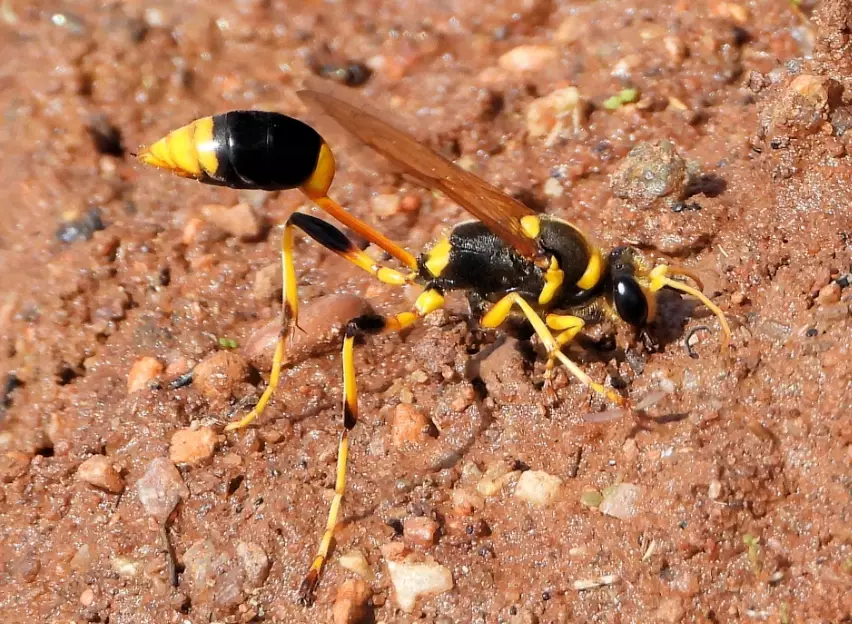
Key Visual Characteristics:
- Material: Dried, earth-toned mud. It looks like someone stuck small mud patties or tubes to your wall.
- Shape: Tubes (parallel or single), rounded lumps, or irregular globular cells.
- Size: Individual tubes are typically about 1 inch long and ½ inch in diameter. A cluster might be 3-6 inches across.
- Location: Almost always in a sheltered, vertical or horizontal surface. Common spots include:
- Under eaves, roof overhangs, and porch ceilings.
- Inside garages, sheds, or barns (on walls, window frames, or tucked behind objects).
- On the sides of houses, especially in corners or near light fixtures.
- Occasionally inside unused grills, playhouses, or even on patio furniture stored against a wall.
One telltale sign of an active nest is a small, round hole sealed with a mud plug at the end of each tube or cell. That plug means a female has finished stocking that chamber with paralyzed spiders and laid an egg inside. If the nest is old and abandoned, these plugs may be missing, or the nest may be crumbling.
Are Mud Daubers Dangerous? The Surprising Truth
Let's be blunt: the perceived danger of mud daubers is massively overblown. I've gently relocated nests while the female was away, and I've never been stung. Their reputation suffers from guilt by association with their more aggressive cousins.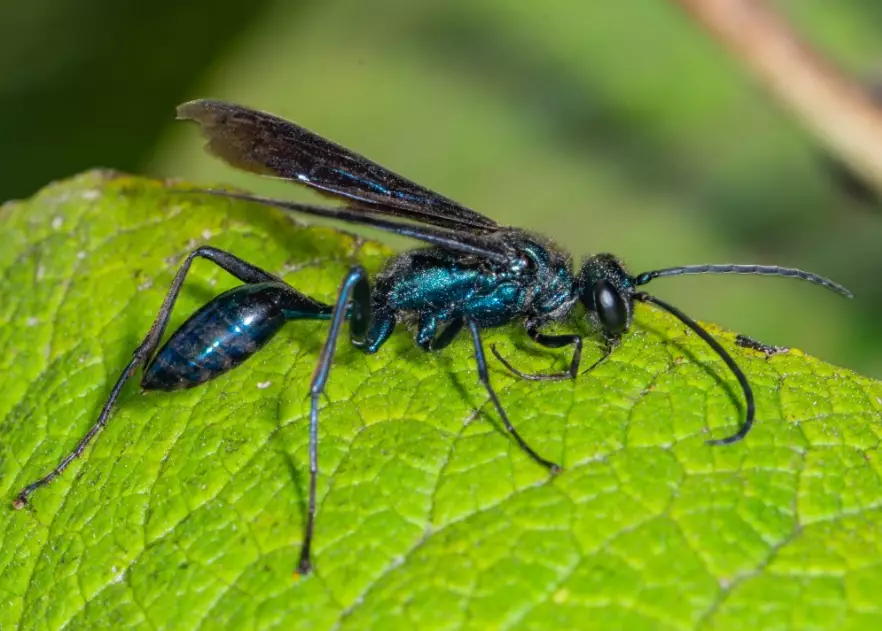
Sting Risk: Extremely Low. Mud daubers are not defensive of their nests in the way social wasps are. They have no colony to protect. A female's focus is on hunting and building. She will almost always choose to fly away rather than confront you. Stings are exceedingly rare and usually only occur if the wasp is physically trapped against your skin—like if you accidentally grab one. Even then, their venom is mild compared to other wasps, and they are not known to cause severe allergic reactions in most people (though any sting carries a risk for those allergic).
Property Damage: Minor, but Possible. This is a more valid concern than personal safety. The mud itself can stain siding or painted surfaces. If nests are built inside electrical boxes or machinery (a favorite spot for some species), they can cause short circuits or mechanical issues. Large, recurring nests in wood siding over many years could theoretically contribute to moisture retention, but it's not a primary cause of structural failure.
The biggest mistake homeowners make is panicking at the sight of any wasp and using indiscriminate chemical sprays. For mud daubers, this is almost always overkill and harms beneficial insects.
The Secret Benefit of Mud Daubers: Natural Pest Control
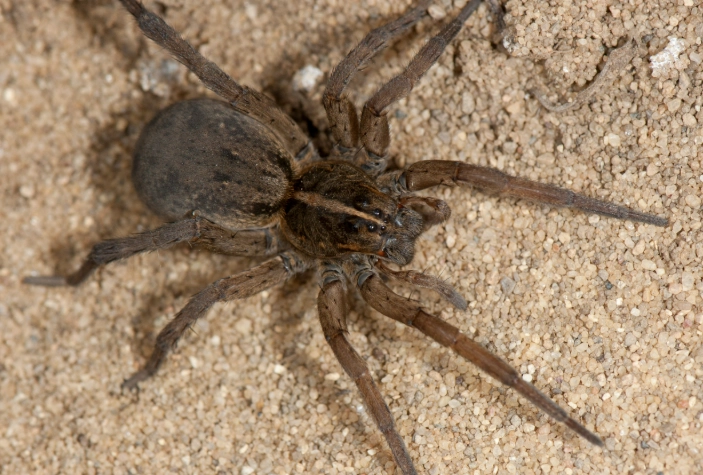
Here's where mud daubers shift from potential nuisance to garden ally. They are expert spider hunters. A single mud dauber nest cell is provisioned with anywhere from 6 to 25 paralyzed spiders, depending on the species. The female hunts, stings, and paralyzes spiders, then stuffs them into a mud cell as a living food larder for her single larva.
Think about that. One mud dauber family can remove dozens, even hundreds, of spiders from around your home. They target common species like crab spiders, jumping spiders, and even black widows and brown recluses. Research from institutions like the University of Kentucky's Entomology Department notes that blue mud daubers specialize in hunting black widow spiders.
This is free, non-toxic pest control. By reducing spider populations, they can indirectly reduce other insects spiders prey on. Before you decide to remove a nest, ask yourself: Is this mild aesthetic issue worth losing a squadron of effective, natural predators that are working for free?
| Common Mud Dauber Type | Typical Nest Appearance | Primary Spider Prey | Aggression Level |
|---|---|---|---|
| Organ-pipe Mud Dauber | Cluster of long, parallel mud tubes | Various small spiders | Very Low |
| Black & Yellow Mud Dauber | Irregular, lumpy mud mass | Orb-weaver spiders, others | Very Low |
| Blue Mud Dauber | Often repurposes old nests; smooth cells | Black widow spiders, others | Very Low |
How to Get Rid of Mud Dauber Nests Safely and Effectively
If the nests are in a problematic location (like an electrical box, a high-traffic doorway, or causing significant staining), removal is reasonable. The goal is to do it safely and discourage return visits.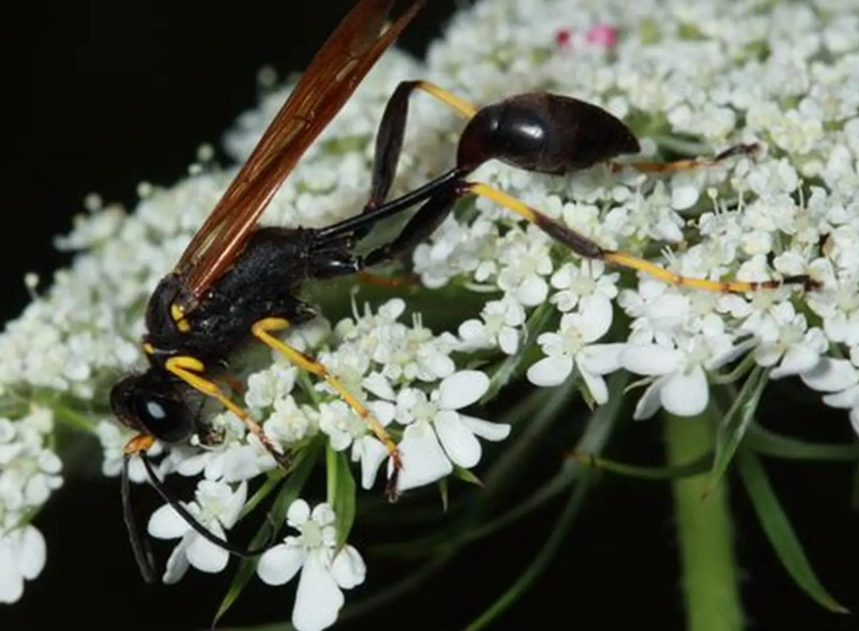
Step-by-Step Nest Removal
- Timing is Everything: The absolute best time to remove a nest is in late fall or winter. By then, all adults have died off, and any offspring inside are dormant. There's zero risk of encountering a wasp.
- For Active Nests (Spring/Summer): Wait until evening or early morning when the wasp is less active and likely inside the nest resting. Wear long sleeves and gloves for peace of mind.
- The Tools: Use a putty knife, paint scraper, or a stiff brush. Have a bucket of soapy water or a trash bag handy.
- The Action: Gently but firmly scrape the nest off the surface. It will usually come off in chunks. Drop it directly into the soapy water or bag. The soapy water ensures any paralyzed spiders or developing larvae are humanely dispatched.
- Clean Up: Scrub the area with the soapy water to remove mud residue and any chemical signature (pheromones) that might attract another wasp to the same spot. A hose can help for outdoor surfaces.
Prevention: Making Your Home Less Appealing
Removal is a temporary fix. Prevention is key to long-term management.
- Seal Entry Points: Caulk cracks and crevices in siding, around windows, and where utility lines enter the house. This removes potential building sites.
- Manage Spiders: Reduce their food source by controlling other insects (e.g., with exterior yellow bug lights). Regularly sweep away webs from eaves and corners.
- Remove Mud Sources: Fix leaky outdoor faucets and downspouts that create puddles of mud.
- Physical Barriers/Deterrents: Some people have success with applying a thin layer of diatomaceous earth (wear a mask when applying) to favored nesting areas, or using fake wasp nests (decoy nests), though evidence on the latter's effectiveness is anecdotal.
Avoid commercial wasp sprays for mud daubers. It's unnecessary, polluting, and kills the wasp before she can finish provisioning her nest, leaving a cell full of paralyzed spiders to slowly die of starvation—a pointless and cruel outcome.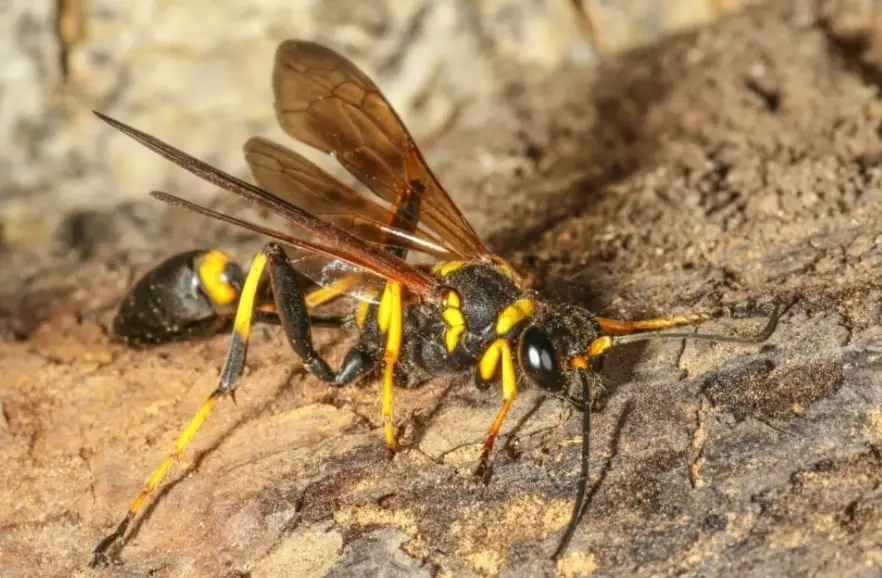
Your Mud Dauber Questions, Answered
 I knocked down a nest and found spiders inside. Are they dead?
Mud daubers are a testament to nature's ingenuity. They're architects, expert hunters, and dedicated parents that pose little threat to us. Often, the best course of action is simple tolerance. If their chosen construction site is truly inconvenient, now you have the knowledge to handle it safely, effectively, and with a new appreciation for the complex life happening right on your wall.


Comments