That moment. You're petting your dog, and your fingers run over a small, weird bump. It doesn't feel like a skin tag. You part the fur, and there it is—a grayish, pea-sized lump stuck to your dog's skin. Your stomach drops. A tick. If you've been there, you know the mix of disgust and worry. If you haven't, consider this your essential playbook. Ticks aren't just gross; they're dangerous parasites that transmit serious diseases like Lyme and Anaplasmosis. But here's the good news: with the right knowledge, you can move from panic to confident control. This guide cuts through the noise, giving you a vet-informed, step-by-step strategy for identification, safe removal, and—most importantly—effective prevention.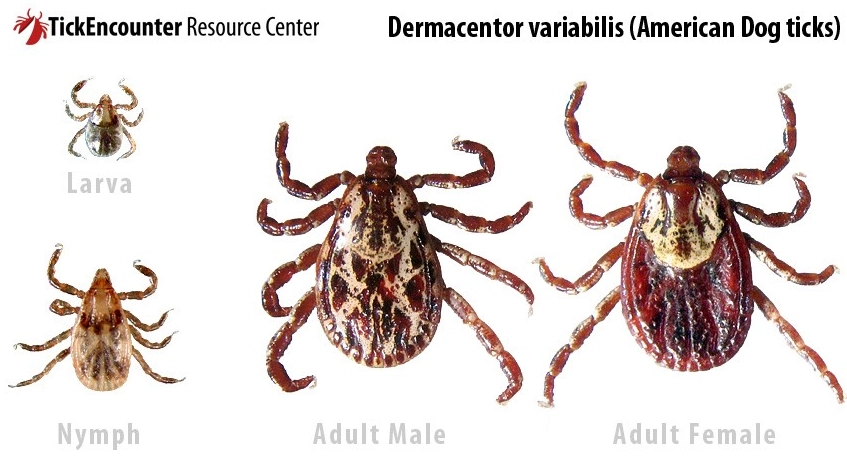
What’s Inside? Your Quick Action Map
- What Exactly Are Ticks and Why Should You Care?
- How to Identify a Tick on Your Dog: A Step-by-Step Visual Guide
- The Right Way to Remove a Tick: Tools and Technique
- Preventing Ticks on Your Dog: A Multi-Layer Defense Strategy
- Diseases Transmitted by Dog Ticks: Symptoms and Action Plan
- Your Tick Questions, Answered
What Exactly Are Dog Ticks and Why Should You Care?
Let's clear something up first. Ticks are arachnids, relatives of spiders and mites, not insects. They have eight legs (as adults) and one mission: to find a host, latch on, and feed on blood. They can't jump or fly. They practice "questing"—climbing to the tip of a blade of grass or a leaf and waiting with their front legs outstretched to grab onto a passing animal (or you).
The danger isn't the blood loss. It's what's in their saliva. As they feed, ticks can transmit a cocktail of bacteria, viruses, and parasites into your dog's bloodstream. The scary part? This transmission can happen quickly for some pathogens. A common myth is that a tick needs to be attached for 24-48 hours to spread disease. While that's often true for Lyme disease bacteria, other nasties, like the parasite that causes Babesiosis, can be transmitted much faster. Assuming you have a grace period is a risky gamble.
A Non-Consensus Point: Many people think a tick bite is an immediate red flag for Lyme disease. In reality, the most common initial sign of a tick-borne illness is no sign at all. Dogs can be asymptomatic carriers for weeks or months. This is why consistent prevention and annual screening (like the 4Dx test your vet recommends) are far more critical than just reacting to a bite.
How to Identify a Tick on Your Dog: A Step-by-Step Visual Guide
Finding a tick early is half the battle. They love warm, hidden areas. Make a habit of running your hands over your dog after every walk, paying special attention to:
- Ears and around the ears (inside and out)
- Between the toes and foot pads
- Armpits and groin
- Around the eyelids and under the collar
- Base of the tail
An unfed tick is small, flat, and dark brown or black. Once attached and feeding, it engorges with blood, becoming round, gray, and can swell to the size of a coffee bean or larger. Don't confuse them with skin tags or nipples. Ticks have visible, separate legs attached near the head.
Common Ticks on Dogs: Know Your Enemy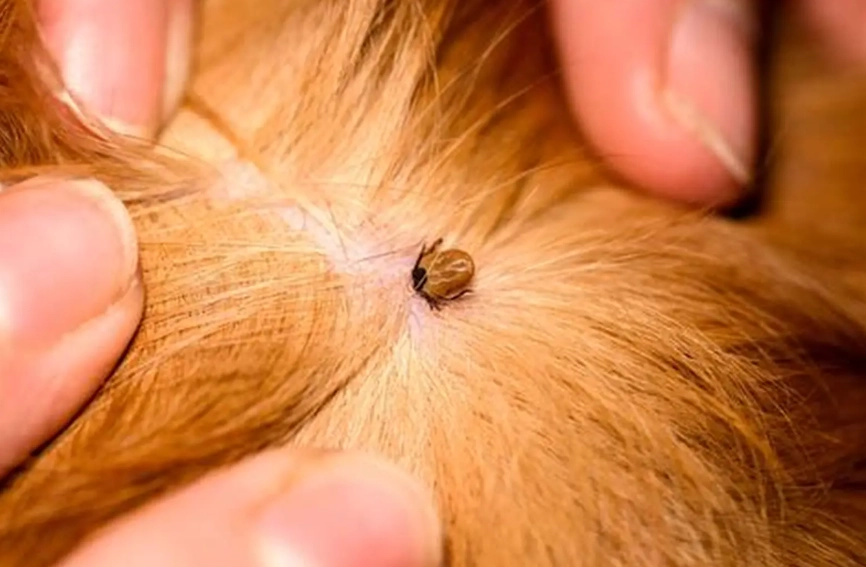
Different ticks carry different diseases. Here’s a quick rundown of the usual suspects in North America:
| Tick Species | What It Looks Like | Primary Diseases It Can Carry | Regions Commonly Found |
|---|---|---|---|
| Deer Tick (Black-legged Tick) | Very small; adults are reddish-brown with a dark shield; black legs. | Lyme Disease, Anaplasmosis, Babesiosis | Northeast, Upper Midwest, Pacific Coast |
| American Dog Tick (Wood Tick) | Larger; reddish-brown with silver-gray markings on the back (females). | Rocky Mountain Spotted Fever, Tularemia | East of the Rockies, parts of Pacific Coast |
| Lone Star Tick | Roundish; reddish-brown; adult female has a single white dot on her back. | Ehrlichiosis, Tularemia, STARI (Southern Tick-Associated Rash Illness) | Southeastern and Eastern U.S. |
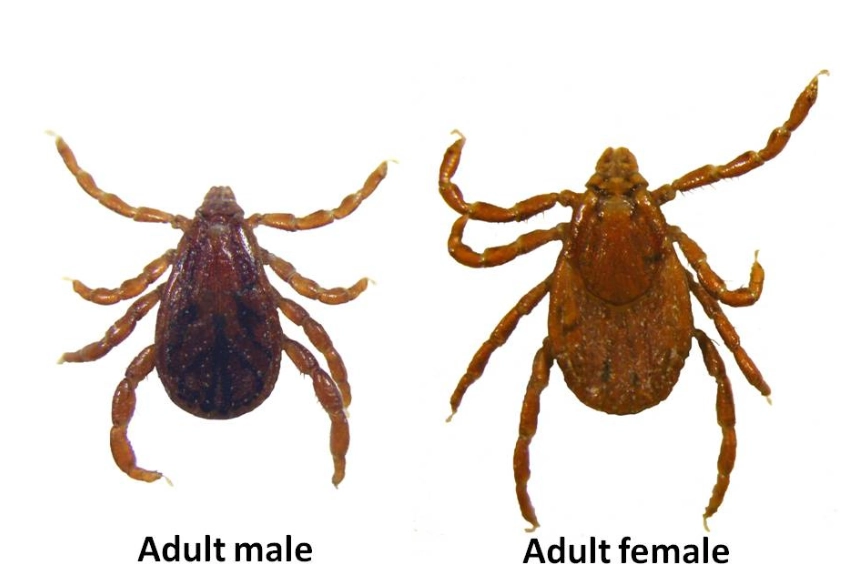
| Brown Dog Tick | Uniform reddish-brown; no markings. Can infest homes and kennels. | Canine Ehrlichiosis, Babesiosis | Worldwide, but thrives in warmer climates and indoors. |
If you find a tick, don't crush it with your bare fingers. Use a tissue or flush it down the toilet. Better yet, save it in a sealed bag or container with a damp cotton ball. If your dog gets sick later, identifying the tick can help your vet diagnose faster.
The Right Way to Remove a Tick: Tools and Technique
This is where most people make subtle, dangerous mistakes. Forget the old wives' tales. Do not use nail polish, petroleum jelly, or a hot match. These methods irritate the tick, causing it to regurgitate its stomach contents—and any pathogens—into your dog's bloodstream, increasing disease risk.
You need the right tool: fine-tipped tweezers or a dedicated tick removal hook (like a Tick Key or Tick Twister). I prefer the hook tools; they're idiot-proof and less likely to squeeze the tick's body.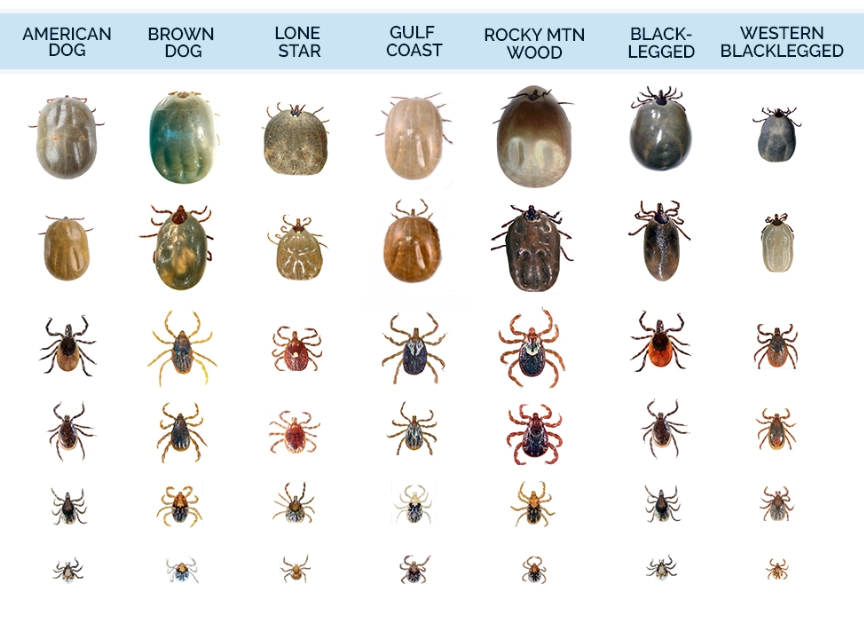
The Critical Step Everyone Misses: Before you even touch the tick, put on gloves or use a tissue to protect yourself. Ticks can transmit diseases to humans through mucous membranes or cuts on your hands. This simple step is almost never mentioned in basic guides.
The Removal Process:
- Stay calm and get a good grip. Using your tool, grasp the tick as close to your dog's skin as possible, right at the mouthparts.
- Pull straight upward with steady, even pressure. Do not twist, jerk, or crush. You want to detach the entire tick, leaving no mouthparts behind.
- Inspect the site. If a small black dot remains (the mouthparts), don't dig for it. It's like a splinter; your dog's body will likely expel it. Digging can cause infection. Clean the area thoroughly with antiseptic.
- Kill the tick. Drown it in rubbing alcohol, place it in a sealed bag/tape, or flush it. Wash your hands and the tool.
Monitor the bite site. A little redness is normal. But if redness, swelling, or a rash expands over the next few days, or if your dog seems lethargic or loses appetite, call your vet.
Preventing Ticks on Your Dog: A Multi-Layer Defense Strategy
Thinking one product is a magic shield is the biggest mistake I see. Ticks are relentless. You need a layered approach, what I call the "Tick Defense Triad."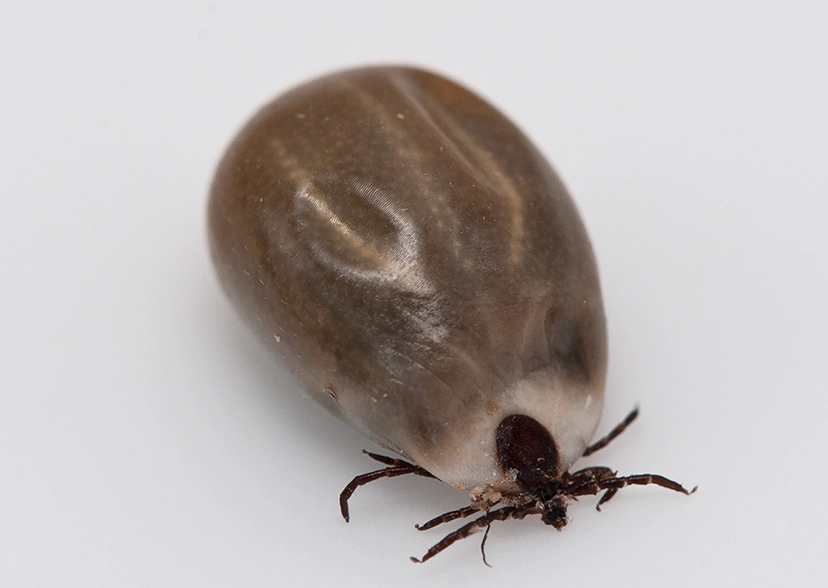
Layer 1: Topical or Oral Preventatives (The Foundation)
These are prescription or over-the-counter medications that kill ticks on contact or after they bite. Talk to your vet. Options include:
- Oral Chewables (e.g., NexGard, Simparica, Bravecto): Given monthly or every 3 months. They work systemically, killing ticks after they bite. Highly effective and convenient.
- Topical "Spot-ons" (e.g., Frontline Plus, K9 Advantix II): Applied to the skin monthly. Many repel and kill ticks.
- Collars (e.g., Seresto): Provide long-lasting (up to 8 months) protection by releasing active ingredients. Ensure a proper fit.
My take: In high-risk areas, I lean toward the oral chews. Bathing or swimming doesn't reduce their efficacy, unlike some topicals.
Layer 2: Environmental Control (The Perimeter)
Keep your yard unfriendly to ticks. Mow the lawn regularly, clear leaf litter and brush, and create a 3-foot wide barrier of wood chips or gravel between lawns and wooded areas. The Centers for Disease Control and Prevention (CDC) has excellent resources on tick-safe landscaping.
Layer 3: Behavioral Checks (The Daily Habit)
This is your fail-safe. After every outdoor adventure, do a thorough tick check. Run your hands over your dog. Use a fine-toothed flea comb to catch any hitchhikers before they attach. Consider keeping a tick removal kit (tool, antiseptic, baggies) by the door.
Diseases Transmitted by Dog Ticks: Symptoms and Action Plan
Early detection of illness is crucial. Symptoms are often vague and flu-like. If your dog has been in a tick area and shows any of these signs, mention the tick exposure to your vet immediately.
| Disease | Common Symptoms in Dogs | Key Action |
|---|---|---|
| Lyme Disease | Limping/lameness (shifting legs), fever, lethargy, swollen joints, loss of appetite. | Diagnosis requires blood tests. Treated with a long course of antibiotics (e.g., doxycycline). |
| Anaplasmosis | Similar to Lyme: lethargy, fever, joint pain, lameness. Also, vomiting, diarrhea. | Also treated with doxycycline. Often co-occurs with Lyme. |
| Ehrlichiosis | Three phases: acute (fever, lethargy), subclinical (no signs), chronic (severe weight loss, bleeding disorders). | Early treatment with doxycycline is critical to prevent chronic phase. |
| Rocky Mountain Spotted Fever | Sudden onset: high fever, muscle pain, skin rash (less visible on dogs), neurological signs. | A medical emergency. Requires immediate veterinary care and antibiotics. |
The American Veterinary Medical Association (AVMA) stresses that annual screening, even for dogs on prevention, is wise in endemic areas. The common 4Dx blood test checks for heartworm and exposure to Lyme, Anaplasma, and Ehrlichia.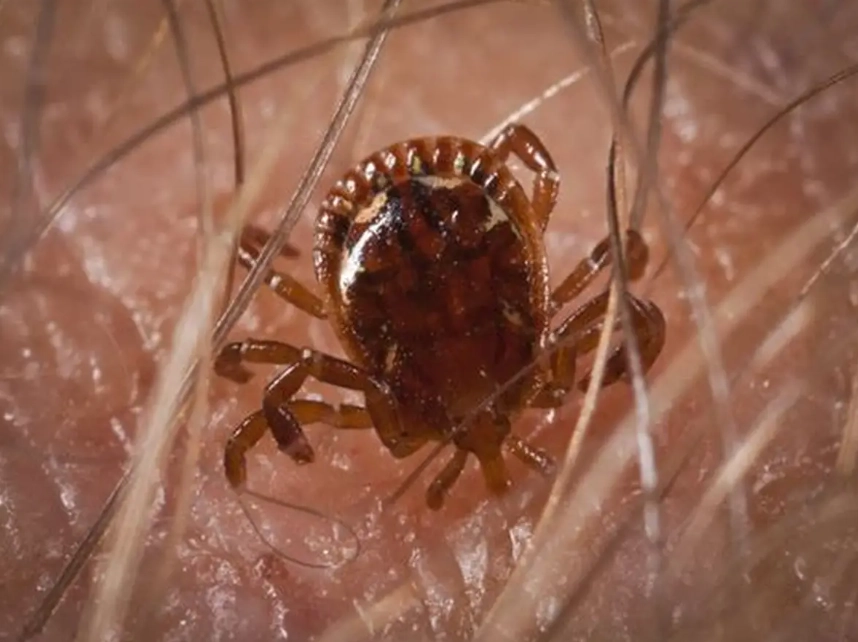
Your Tick Questions, Answered
 Are natural or essential oil repellents safe and effective against ticks for dogs?
Comments