Let's be honest, cockroaches give most of us the creeps. That quick scuttle across the kitchen floor at night is enough to ruin an evening. But beyond the ick factor, there's a fascinating and frankly frustrating story of evolutionary perfection. Understanding the core attributes of a cockroach isn't just about satisfying curiosity—it's the absolute key to figuring out why they're so hard to get rid of and what you can actually do about it. Most pest control fails because it treats the symptom (the visible roach) and not the root cause (the environment their attributes allow them to thrive in).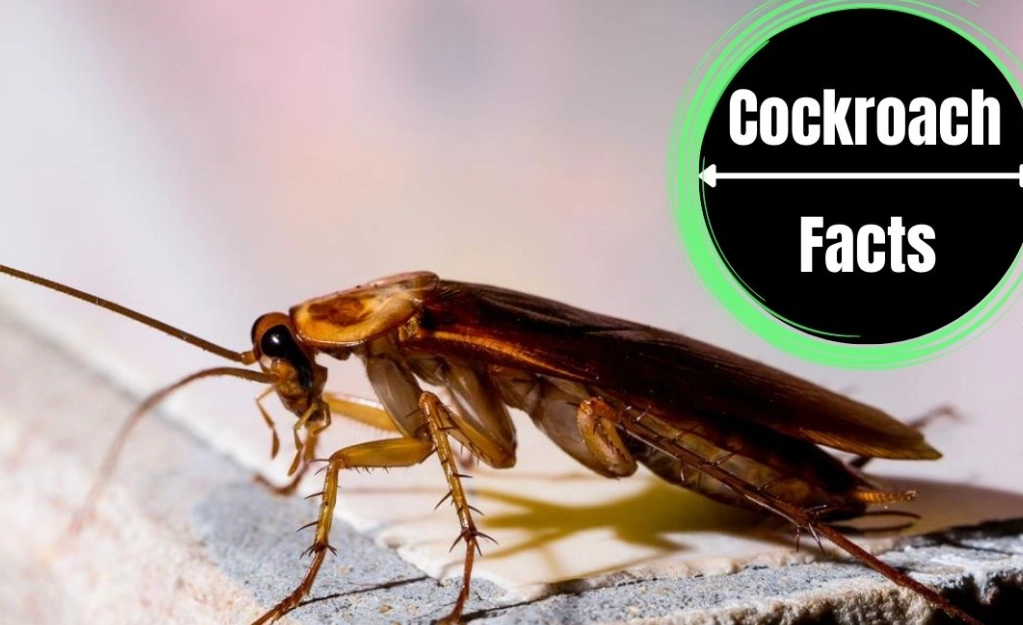
What's Inside This Guide
The Physical Blueprint: Built to Last
Forget fancy weapons or venom. A cockroach's body is its greatest survival tool. Every part of its anatomy solves a specific problem in the harsh world of cracks, crumbs, and potential predators (like us with a slipper).
1. The Exoskeleton: A Suit of Armor
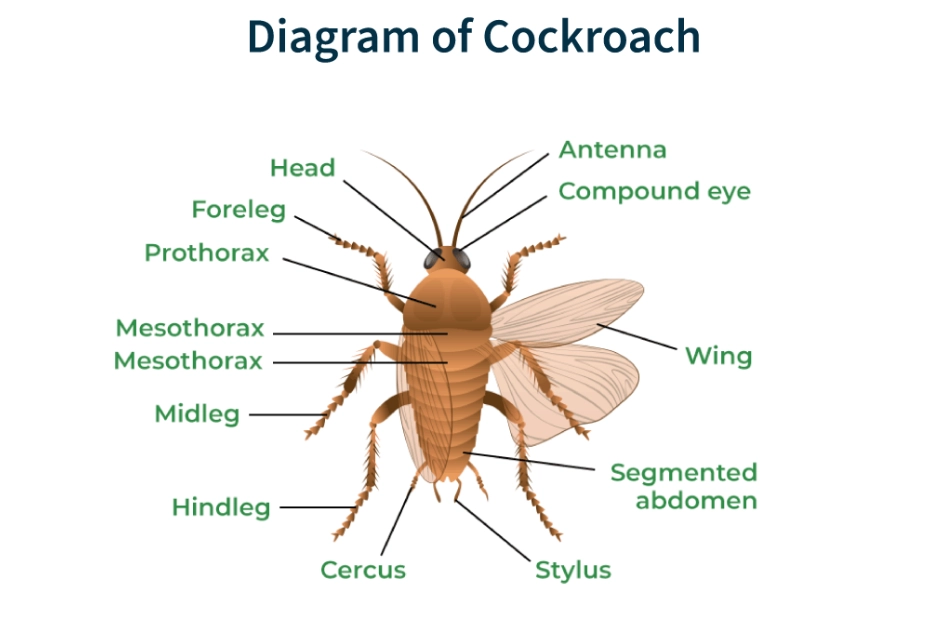
That shiny, brown shell isn't for looks. It's a complex exoskeleton made of chitin. Think of it as a full-body helmet. It provides incredible protection against physical damage and helps retain moisture, which is why they can survive in drier environments longer than you'd think. The exoskeleton also gives them that infamous flattened, oval shape. This isn't a random design. It's the perfect form factor for squeezing into spaces as thin as a dime. I've seen them vanish into gaps around pipes that looked completely sealed to the naked eye.
2. Sensory Superpowers
They might seem mindless, but their sensory network is highly tuned.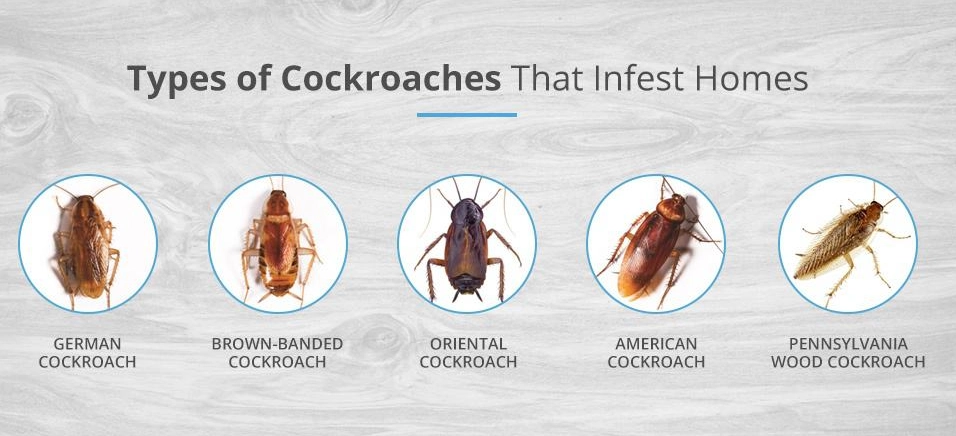
Antennae: These aren't just feelers. They're primary sensory organs, packed with receptors for smell, taste, touch, and even detecting air currents. A cockroach "smells" its world with its antennae, finding food, mates, and safe harbors. If you see one constantly waving its antennae, it's reading the room.
Cerci: Look at the rear end. Those two little appendages are cerci, and they're sensitive to the slightest air movement behind them. This is their early-warning radar system for approaching threats. It's why they're so hard to sneak up on. Swatting from above is often more effective than from behind.
3. The Mouth and Digestive System
Here's a common misconception: cockroaches only eat "clean" food. Wrong. Their mouthparts are designed for chewing, and their digestive system can handle a staggering range of organic matter. We're talking about glue, soap, paper, hair, dead skin cells, and even other dead cockroaches. This omnivorous capability means there's almost always a food source available in a human dwelling. A few crumbs under the toaster is a feast.
Sneaky Behaviors: The Night Shift
Their physical traits are impressive, but it's their behavior that really makes them a successful pest. They've optimized their lifestyle for avoidance and reproduction.
| Behavioral Attribute | What It Means | Why It's a Problem for You |
|---|---|---|
| Nocturnal Activity | Primarily active at night, hiding during the day. | Infestations can grow large before you ever see a roach in daylight. Seeing one during the day often signals a severe population. |
| Thigmotaxis | A strong preference for feeling surfaces on their top and sides. They love tight, enclosed spaces. | They nest deep inside walls, behind appliances, in electrical outlets, and in cardboard boxes. Out of sight, out of mind—until it's not. |
| Rapid Reproduction | A single female German cockroach (the most common indoor species) can produce 20-40 eggs per capsule and multiple capsules in her lifetime. | Populations explode exponentially. A small problem becomes a major infestation in weeks. |
| Gregariousness | They tend to aggregate in groups, driven by pheromones in their feces and skin sheds. | They create defined harborages (nesting sites). Finding one usually means many are nearby. |
A quick story: I once inspected an apartment where the tenant swore they only had "a couple." We pulled out the refrigerator. The warmth and tight space behind it created a perfect thigmotactic environment. The aggregation pheromones had done their job, creating a harbor-age with hundreds of individuals. The tenant never saw them because they were strictly nocturnal and hidden. The behavior told the real story.
What Makes Cockroaches So Hard to Kill?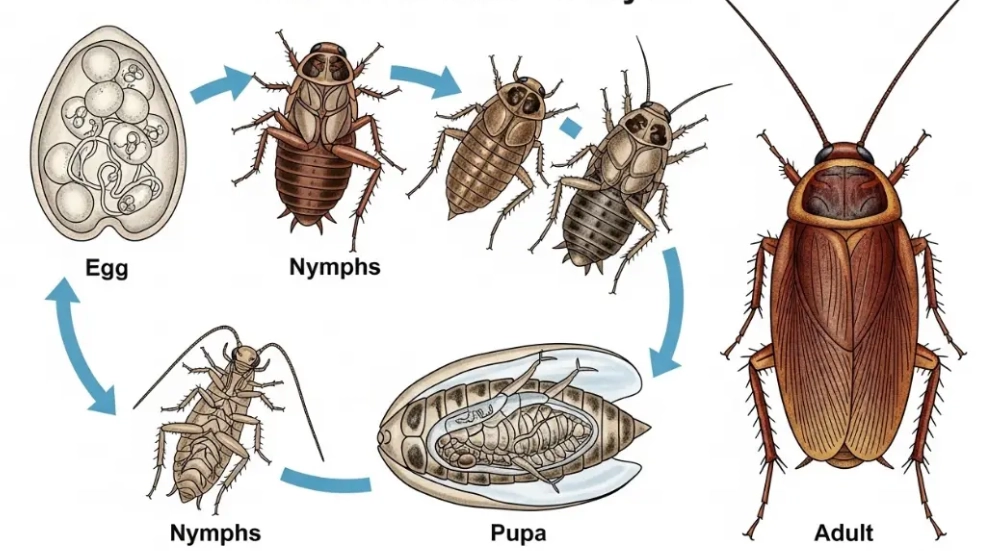
This is where their attributes combine into a nightmare of resilience. It's not one thing; it's the synergy.
Their exoskeleton offers physical and chemical resistance. Some insecticides have a hard time penetrating it effectively.
Their omnivorous diet means bait stations might be ignored if there's a better, safer food source available (like that unsealed cereal box).
Their nocturnal and thigmotactic behavior means they avoid treated surfaces during application times and retreat to safe harborages where sprays can't reach.
And then there's the infamous ability to survive without a head. It's true, for a week or more. Why? Because their nervous system is decentralized, and they breathe through spiracles (tiny holes) along their body. They eventually die of thirst, not asphyxiation. This trait is less about practical survival and more a testament to their simple, robust biological design.
Perhaps the biggest challenge is rapid evolution of resistance. According to research cited by institutions like Purdue University, cockroach populations can develop resistance to insecticides within a few generations. This is why professional pest management increasingly relies on Integrated Pest Management (IPM) strategies, not just chemical sprays.
How to Use Cockroach Attributes to Your Advantage
Knowledge is power. Instead of fighting their nature, use it against them.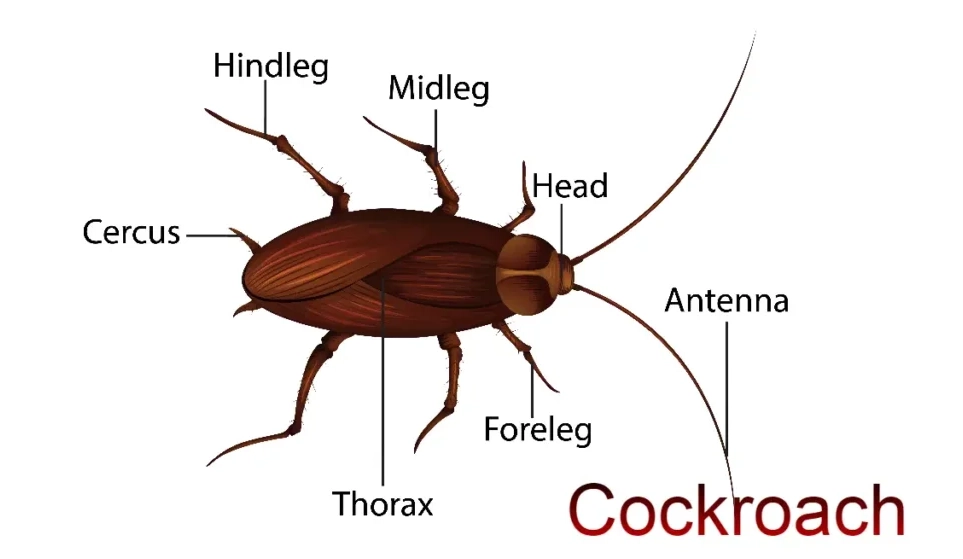
Exploit their Thigmotaxis: Place sticky traps (monitoring boards) flush against walls, in corners, and behind appliances. They'll run along these edges and get caught, giving you a clear idea of the infestation's location and severity.
Exploit their Gregariousness: Cleaning is not just aesthetic. Aggregation pheromones are in their droppings (which look like black pepper or coffee grounds) and shed skins. A thorough vacuuming and cleaning with detergent physically removes these chemical signals that say "live here."
Exploit their Need for Resources: The classic trio: food, water, shelter.
- Food: Store ALL dry goods in airtight glass or hard plastic containers. Not clips, not folded bags. Containers. This directly counters their omnivorous foraging.
- Water: Fix leaky faucets. Wipe down sinks nightly. Don't leave pet water bowls out 24/7. A cockroach can live a month without food but only a week without water. Deny water, you win.
- Shelter: Declutter. Remove cardboard boxes (they love the glue and the tight spaces). Seal cracks and crevices with caulk, especially in kitchens and bathrooms. Reduce their harborages.
Choose the Right Control Method: Gel baits are often highly effective because they exploit their foraging and gregarious nature. The roach eats the bait, goes back to the harborage, and dies. Others may then cannibalize it, creating a secondary kill effect. However, placement is critical—put dots of gel in areas where they travel and hide, not in the middle of an open floor.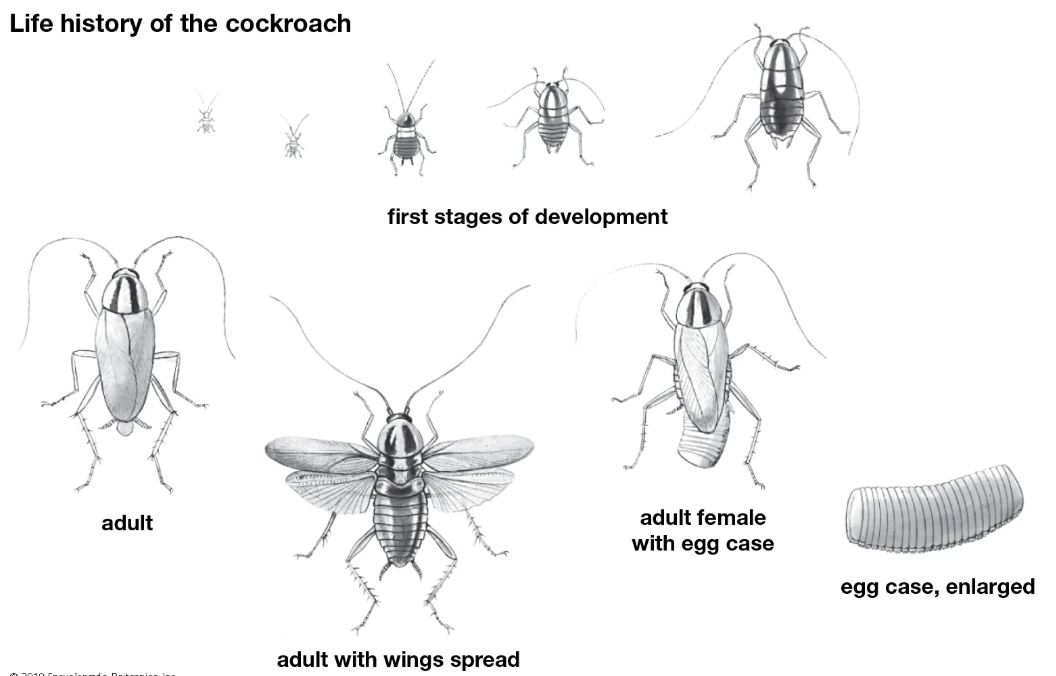
Your Cockroach Questions Answered
 I keep my kitchen clean. Why do I still have roaches?

Comments