Let's be honest. Seeing a cockroach scuttle across your floor is a uniquely horrible feeling. Your first instinct might be to grab a shoe, but that's a short-term fix. The real key to winning the war against these pests starts with a simple question: what species of cockroach am I dealing with? I've spent over a decade in pest management, and I can tell you that misidentification is the number one reason DIY control fails. German cockroaches need a different approach than American ones. Knowing your enemy is half the battle. This guide will walk you through the most common cockroach species in homes and businesses, how to spot them, and the specific strategies to get rid of them for good.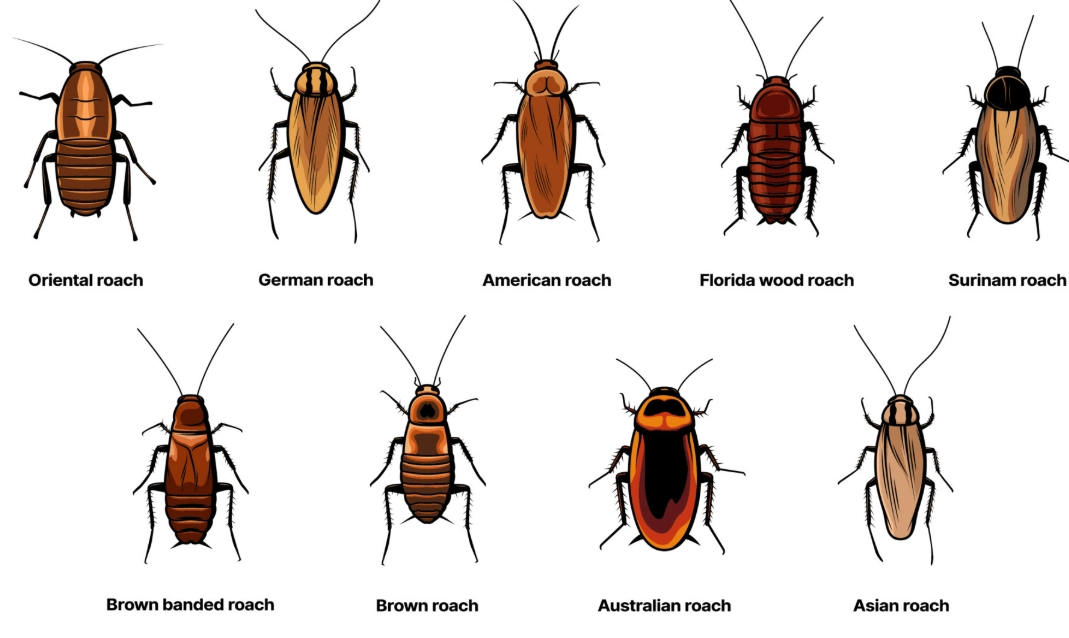
What's Inside: Your Quick Guide
Why Identifying the Species is Your First Step to Control
Many people think a roach is a roach. That's a costly mistake. Different cockroach species have wildly different behaviors, preferred habitats, and reproductive rates. Spraying a general insecticide might kill the one you see, but it does nothing to address the colony hidden in your walls.
For example, if you have German cockroaches, you're dealing with a pest that lives almost exclusively indoors, breeds incredibly fast, and hides in tiny cracks near food and warmth (think behind your fridge or under your stove). A broad-surface spray will just scatter them deeper into hiding.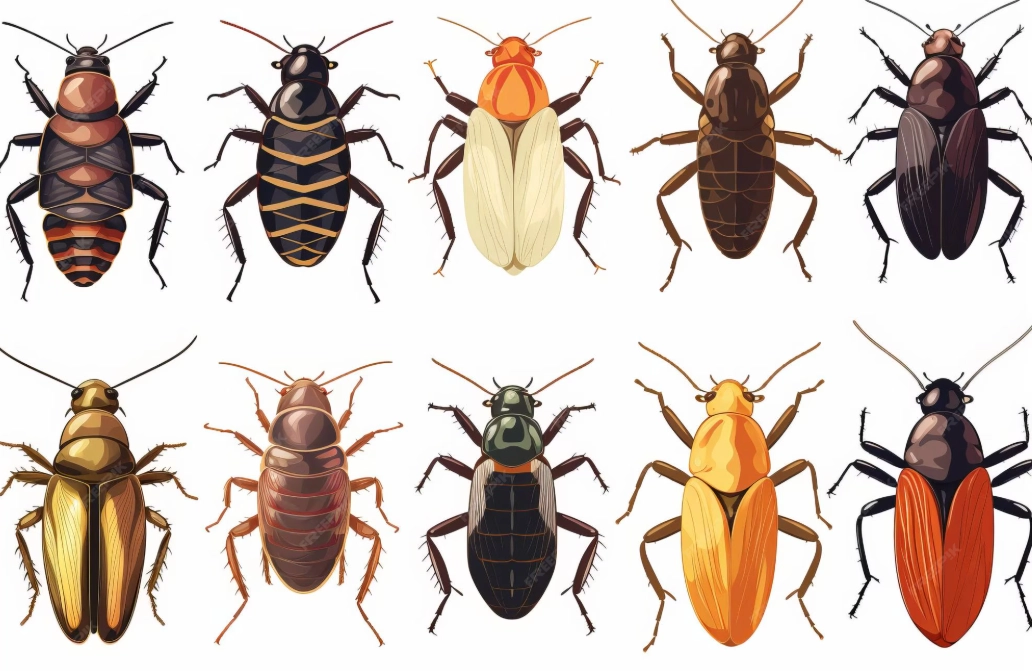
On the other hand, an American cockroach (those big, flying ones) often lives in sewer systems or mulch beds and comes inside seeking water or food. Killing the ones inside without sealing entry points and treating the perimeter of your home is like bailing water out of a leaky boat.
The Big Four: Most Common Home-Invading Cockroaches
While there are thousands of cockroach species globally, these four are the usual suspects in North American and European homes. Here’s a quick comparison to set the stage.
| Species | Size & Color | Key Identifying Feature | Primary Habitat | Biggest Challenge |
|---|---|---|---|---|
| German Cockroach | Small (1/2 to 5/8 inch), light brown to tan | Two dark, parallel stripes running from the head to the wings. | Indoors only. Kitchens, bathrooms, appliances. Loves warmth and humidity. | Extremely fast reproduction. Resistance to some pesticides. |
| American Cockroach | Large (1.5 to 2 inches), reddish-brown | Yellowish figure-8 pattern on the back of the head. | Outdoors (sewers, mulch) but invades indoors for food/water. Basements, crawl spaces. | Size and ability to fly short distances. Can come up through drains. |
| Oriental Cockroach | Medium (1 to 1.25 inches), dark glossy black or brown | Shiny, greasy appearance. Wings are underdeveloped in females. | Cool, damp areas. Cellars, basements, under sinks, floor drains. | Strong, unpleasant odor. Tolerates cooler temperatures. |
| Brown-Banded Cockroach | Small (1/2 inch), light brown | Two light, irregular bands across the wings and abdomen. Prefers higher locations. | Indoors, in drier, warmer areas away from water. Ceilings, behind pictures, furniture. | Hides in unusual places, making nests hard to find. |
Now, let's get into the gritty details of each one.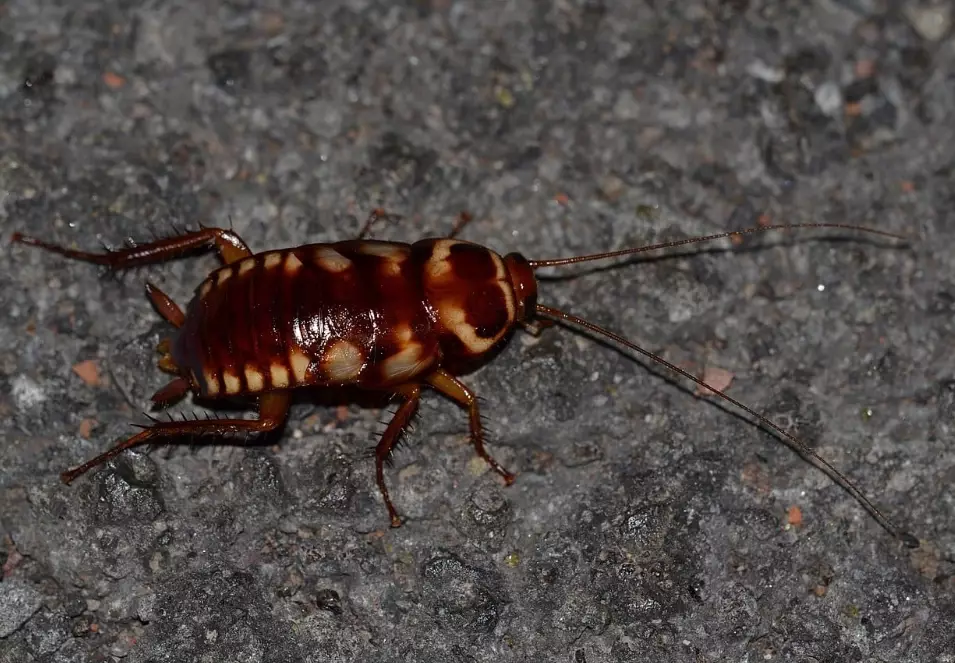
German Cockroach (Blattella germanica)
This is the #1 most common indoor cockroach pest worldwide. If you have an apartment infestation, it's almost certainly this guy. They're small, fast, and pale. The two dark stripes on their pronotum (the shield behind the head) are a dead giveaway, even on nymphs (babies).
Their habitat is your kitchen and bathroom. I've found them living inside the motors of refrigerators, behind electrical outlet plates, and in the spines of old cookbooks. They need moisture and are rarely found far from it. A single female can produce an egg capsule (ootheca) every few weeks, each containing 30-40 eggs. The math is terrifying. You're not dealing with a few roaches; you're dealing with a rapidly expanding colony.
A common mistake: People see a small, tan nymph and think it's a "baby" of a larger outdoor species. It's not. A small, tan cockroach inside your home is almost always a German cockroach nymph, which means the adults are hiding nearby.
American Cockroach (Periplaneta americana)
Despite the name, it's likely of African origin. These are the big ones that can make you jump. Reddish-brown with that distinctive yellowish margin on the pronotum. They are capable fliers in warm weather, which adds to the nightmare fuel.
They prefer outdoors but come inside, often through sewer lines or foundation cracks. I've responded to calls where they were pouring out of a basement floor drain after a heavy rain. They're looking for water more than food. Seeing one or two of these inside, especially in a basement or garage, might not indicate a huge indoor infestation, but it's a major warning sign that they're established on your property.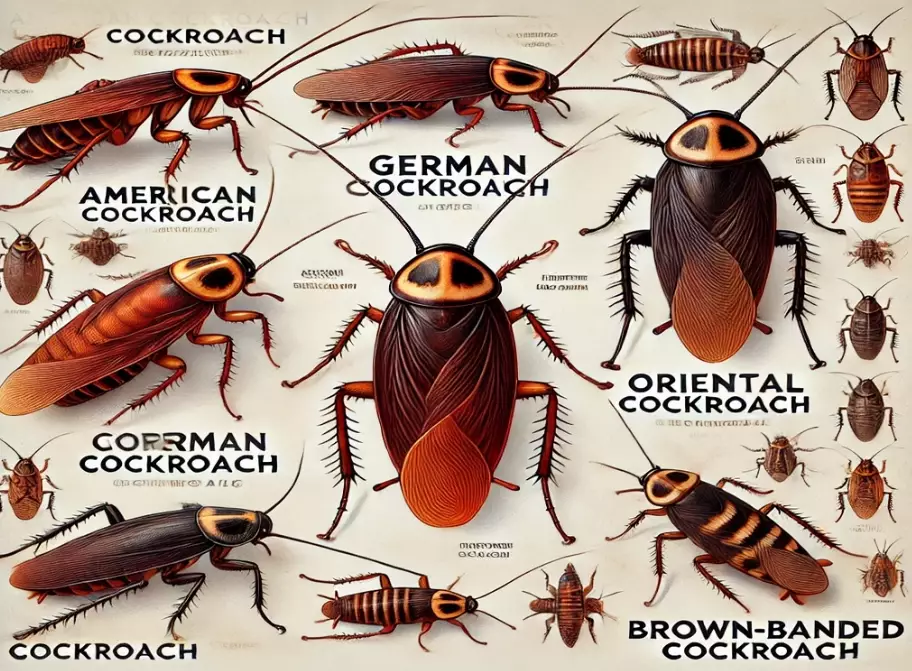
Oriental Cockroach (Blatta orientalis)
Often called "water bugs" because of their love for dampness. They're slower and shinier than the others. The females look almost wingless, with just tiny wing pads. They give off a strong, musty smell that can permeate an area with a large population.
You'll find them in the coolest, dampest parts of a structure: crawl spaces, under porches, in mulch beds right against the house. They are less reliant on human food and more on decaying organic matter. Their presence often points to a moisture issue—a leaky pipe, poor drainage, or insufficient ventilation in a basement.
Brown-Banded Cockroach (Supella longipalpa)
This one tricks people. They're small like Germans, but those light bands are distinctive if you look closely. Their behavior is the real differentiator. They don't need to be near water sources. I've found their egg cases glued to the undersides of chair seats, inside dressers, and on the ceilings of rooms. They love electronics because of the warmth.
If you're finding small roaches or their tiny, purse-shaped egg cases in your bedroom or living room, but your kitchen is spotless, think Brown-Banded. Their scattered nesting habits make them a nuisance to eliminate completely.
A Step-by-Step Guide to Identifying Your Cockroach
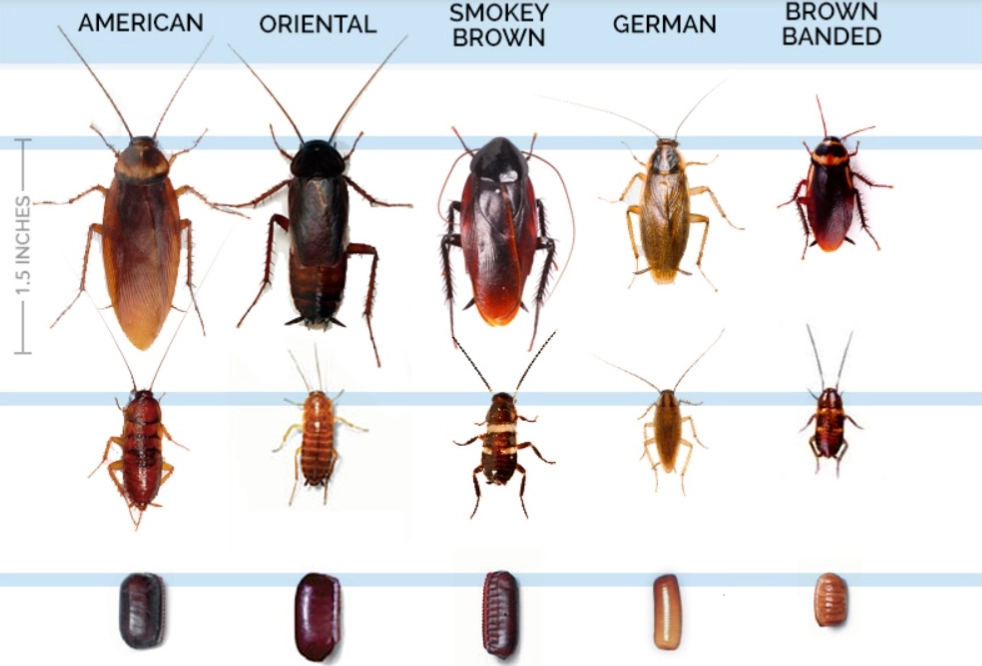
Don't just squash it. Take a mental picture or, if you can bear it, trap it in a jar. Here's your field guide.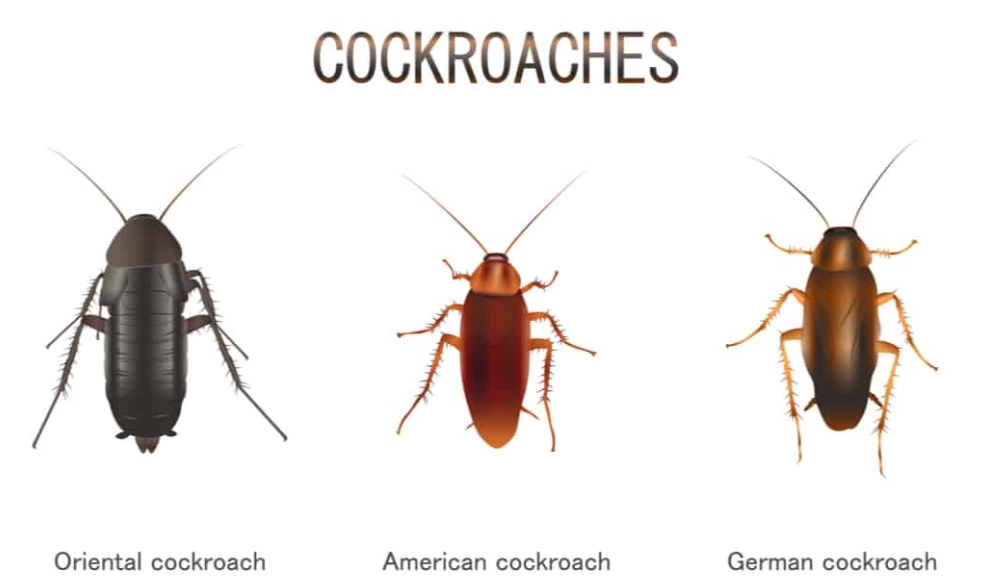
Step 1: Size it up. Is it over an inch? Think American or Oriental. Under 3/4 inch? Think German or Brown-Banded.
Step 2: Check the color and markings. Look for stripes (German), bands (Brown-Banded), or a figure-8 pattern (American). Is it uniformly dark and glossy (Oriental)?
Step 3: Note the location. Kitchen/bathroom? Strong hint for German. Basement or drain? American or Oriental. Living room, bedroom, or near the ceiling? Brown-Banded.
Step 4: Consider your geography. While all can be found in many places, Germans are universal indoor pests. Americans are more common in the southern and coastal U.S. Orientals are more frequent in cooler northern regions.
Step 5: Use a sticky trap. This is the best diagnostic tool. Place glue traps (like those from Victor or Terro) along walls in suspected areas. Check them after 24-48 hours. The captured specimens will give you a perfect look for identification and show you where the activity is concentrated.
Control Strategies: Tailoring Your Plan to the Species
Once you know the species, your attack plan becomes clear. Forget the bug bombs; they're largely ineffective and can drive pests deeper into walls.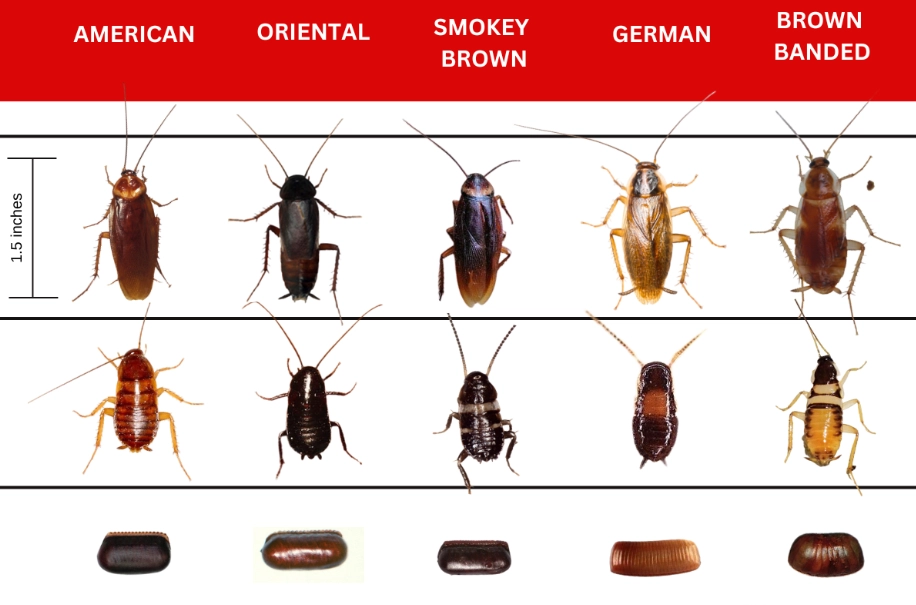
For German Cockroaches: This is an indoor war of attrition. You need insect growth regulators (IGRs) like Gentrol to sterilize them and stop reproduction. Combine this with gel baits (Advion, Invict). Place tiny dabs of bait—not globs—in areas where you see activity: under the sink, along cabinet hinges, behind the fridge. The roaches take the bait back to the nest. Sanitation is critical. Fix leaks, store food in airtight containers, and never leave pet food out overnight.
For American & Oriental Cockroaches: Your fight is both indoors and out. Outdoors, reduce harborage. Move mulch and firewood away from the foundation. Seal cracks with copper mesh and caulk. Use a perimeter spray or granular insecticide around the house, focusing on damp areas. Indoors, place bait stations (like Combat) in basements, garages, and along walls. Ensure all floor drains have properly fitting covers. The goal is to keep them from coming in and eliminate those that do.
For Brown-Banded Cockroaches: You have to think vertically. Inspect upper cabinets, behind wall hangings, and inside electronics. Vacuum thoroughly to remove egg cases. Use dust formulations (like CimeXa) in wall voids and attics. Gel baits placed in high locations, like the tops of cabinets, can be very effective.
The one mistake I see constantly? People treat the cockroaches they see and call it a day. You must treat the harborages you *don't* see. That's where the nymphs and egg cases are. If you only kill the foraging adults, the next generation is already on its way.
Your Cockroach Questions, Answered by an Expert
 Can I ever truly get rid of cockroaches, or will they always come back?



Comments