You know the sound. That lazy, persistent buzz near the window. You see the shadow dart across the counter. House flies (Musca domestica) are more than just a summer nuisance; they're uninvited guests that track filth from garbage and animal waste right onto your food and surfaces. Most guides tell you to buy a fly swatter or some spray. That's like putting a band-aid on a broken pipe. After dealing with infestations in everything from suburban homes to small farmsteads, I've learned that winning the war against house flies requires understanding the enemy. It's not about killing the ones you see, it's about breaking a cycle that can repopulate your home in days.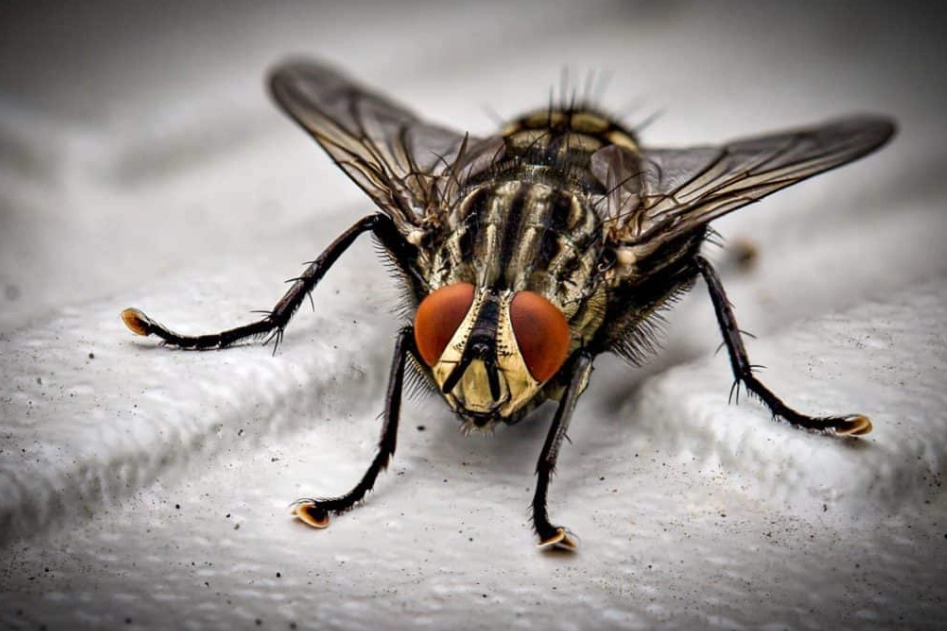
What You'll Learn in This Guide
Know Your Enemy: It's Not Just One Fly
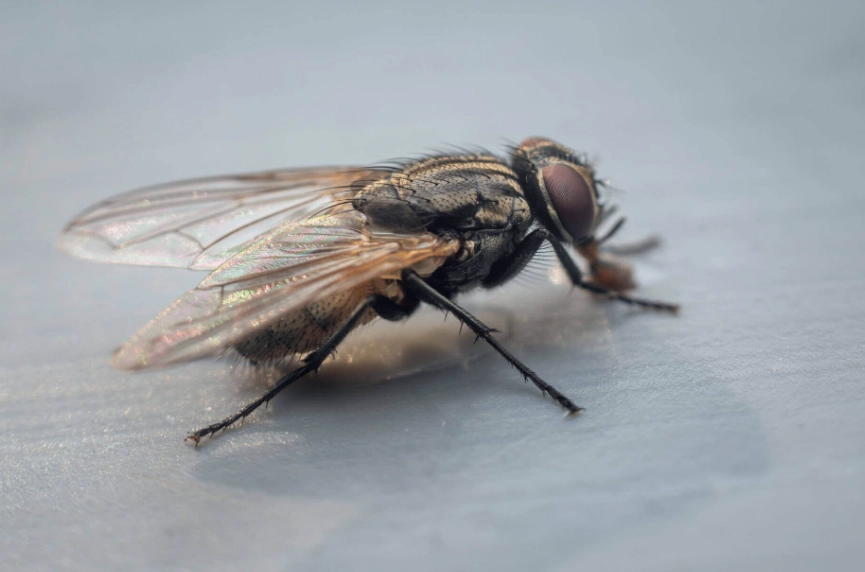
First mistake people make? Calling every flying insect in the kitchen a "house fly." Correct identification matters because lookalikes have different habits. The true house fly is about 1/4 inch long, grey with four dark stripes on the thorax, and has reddish compound eyes. They can't bite. The common lookalike is the cluster fly. It's larger, darker, and sluggish. Cluster flies hibernate in wall voids in fall and are a different problem altogether.
Then there's the fruit fly (tiny, loves fermenting fruit) and the drain fly (fuzzy, moth-like, breeds in sink sludge). If you're using house fly tactics on fruit flies, you'll fail. The CDC has good visual resources on insect identification, but for house flies, remember the stripes and the size.
Why House Flies Are Actually Dangerous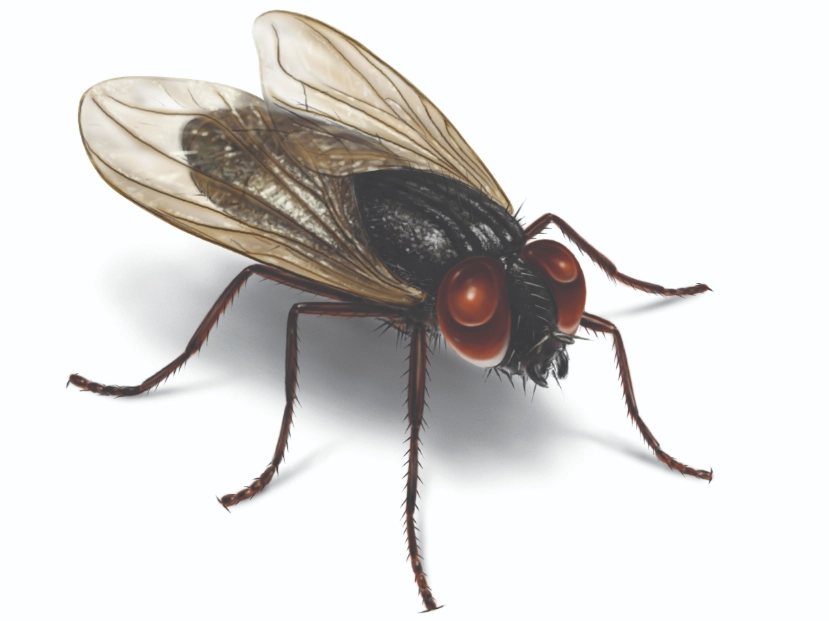
It's not the buzzing. It's the bacteria. A house fly's life mission is to find decomposing organic matter—manure, garbage, carrion—to lay eggs. Their bodies and legs are covered in tiny hairs that trap pathogens. When they land on your sandwich, they regurgitate a digestive fluid to liquefy the food and then sponge it up. This process, called "trombetting," deposits whatever was in their gut or on their feet from their last landing spot.
Studies, including those referenced by university entomology departments, have linked house flies to the transmission of over 65 diseases. We're talking about salmonella, E. coli, shigellosis, and even typhoid fever. Think of them as tiny, winged delivery trucks for germs. Their rapid breeding cycle makes it worse. A single female can lay 500 eggs in her short lifetime. Those eggs can become breeding adults in as little as 7-10 days in warm weather.
That's the core of the problem. You can kill a hundred flies today, but if a single mated female finds a suitable breeding site near your home, you'll have a thousand new ones next week.
Your Step-by-Step House Fly Prevention Blueprint
Prevention is 90% of the battle. It's less glamorous than zapping flies, but it's what professionals focus on. This is an Integrated Pest Management (IPM) approach—seal them out, remove their incentives, then monitor.
1. Seal the Fortress (Deny Entry)
Flies need an opening the size of a pencil tip. Check all window and door screens for tears. Not just holes—check the edges where the screen meets the frame. Use silicone caulk to seal gaps around windows, doors, and where utility pipes enter the house. Install tight-fitting sweeps on exterior doors. A lot of people forget about vents. Attic and crawl space vents should have fine mesh screening installed behind the louvers.
2. Eliminate Indoor Attractants
This goes beyond taking out the trash. Rinse all food containers—soda cans, soup cans, yogurt cups—before putting them in the recycling bin. Keep compost pails under the sink tightly sealed and empty them daily. Pet food is a huge attractant. Don't leave bowls of dry or wet food out all day. Feed pets at specific times, then pick up the bowl. Clean up pet feces in the yard immediately. Indoors, clean up any pet "accidents" thoroughly with an enzymatic cleaner.
3. Manage Moisture
Flies need moisture to survive. Fix leaky faucets under sinks. Don't let water stand in sink basins or dish racks. Ensure your indoor trash cans are dry and lined with bags. A damp trash bag bottom is a fly magnet.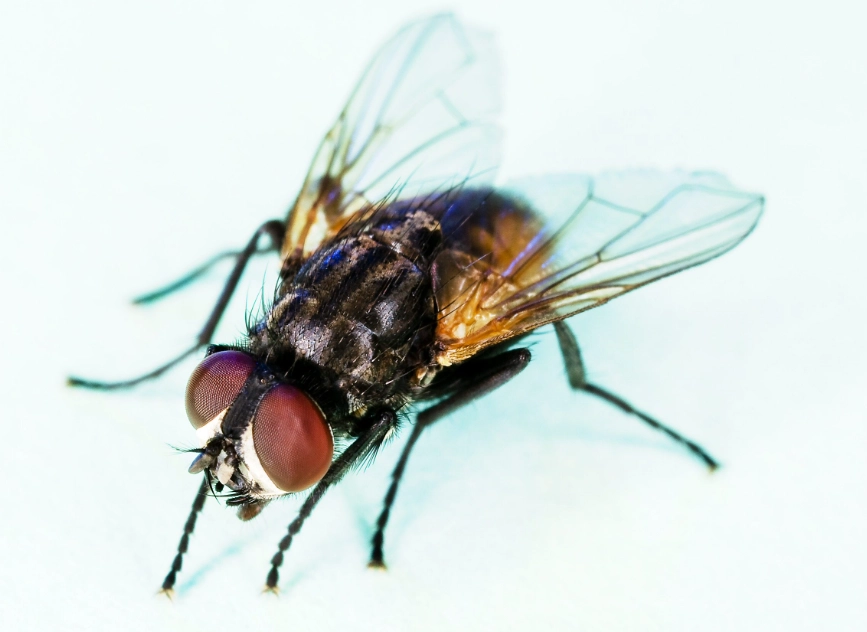
How to Get Rid of House Flies That Are Already Inside
So flies are in. Now what? The goal is immediate reduction while your prevention measures take hold. Avoid aerosol bug sprays for flying insects. They scatter a toxic mist that settles on your counters and dishes. Here's a better arsenal:
- The Classic Fly Swatter: Still effective for one or two flies. It's targeted and chemical-free.
- UV Light Traps: These are excellent for ongoing control in areas like kitchens (mount them away from windows and food prep areas). The flies are attracted to the UV light, get zapped by an electrical grid, or stuck on a glue board. The glue board models are less messy. Clean or replace boards monthly.
- Baited Jar Traps: A DIY option. Put an inch of apple cider vinegar, a drop of dish soap (to break surface tension), and a piece of overripe fruit in a jar. Cover with plastic wrap and poke pencil-sized holes. Flies go in, can't get out.
- Sticky Ribbons/Fly Paper: Messy and unsightly, but brutally effective in garages, barns, or porches where aesthetics don't matter. Place them away from walkways—you don't want to get stuck in your own trap.
| Control Method | Best For | Pros | Cons |
|---|---|---|---|
| UV Light Trap (Glue Board) | Kitchens, Restaurants, Indoor areas | Continuous control, chemical-free, captures many species | Requires electricity, glue boards need replacing |
| Baited Jar Trap (DIY) | Small infestations, fruit flies mixed in | Cheap, non-toxic, easy to make | Needs frequent bait refreshment, can smell |
| Fly Swatter | Immediate kill of individual flies | Instant, free, good for your reflexes | Not for large numbers, requires you to see the fly |
| Insecticide Spray (Residual) | Outdoor perimeter, door frames | Creates a barrier, long-lasting | Chemical exposure risk, kills beneficial insects too |
Tackling Outdoor Breeding Sites (The Real Solution)
This is the part most homeowners miss. If you have a persistent house fly problem, the breeding site is outside, within 100-200 feet of your home. You must find and eliminate it.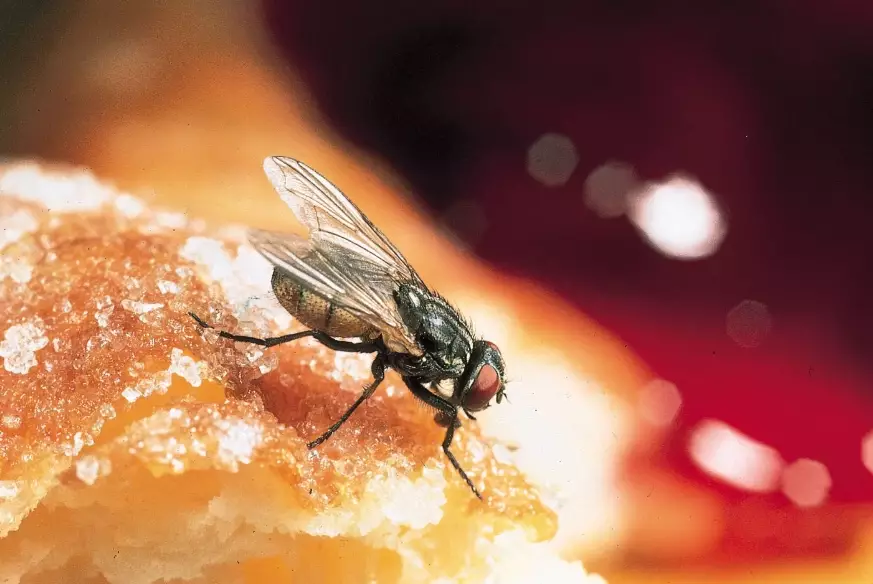
- Garbage Cans/Bins: Are lids cracked or not sealing? Are cans rinsed occasionally? Is garbage picked up frequently enough in summer?
- Pet Runs/Kennels: Is waste cleaned up daily? Is the area kept dry?
- Compost Piles: Are they properly managed (turned, kept hot)? Avoid adding meat, dairy, or oily foods to open compost.
- Animal Manure: If you have chickens, rabbits, or other livestock, manure must be managed. It should be composted in a hot pile or regularly removed.
- Organic Debris: A pile of wet grass clippings, rotting fallen fruit under a tree, or a dead rodent in the crawl space.
Go on a sniff test walk around your property. The smell of fermentation or decay is a clue. For manure or compost, consider using a biological control like Fly Predators (Spalangia cameroni, tiny parasitic wasps). These are harmless to humans and pets, and they naturally attack fly pupae in breeding sites. It's a long-term, natural solution used by many farms.
For garbage areas, clean bins with a hose and a disinfectant or soapy water weekly. Keep the area as dry as possible. Ensure your municipal pickup schedule is frequent enough for your household's summer waste output.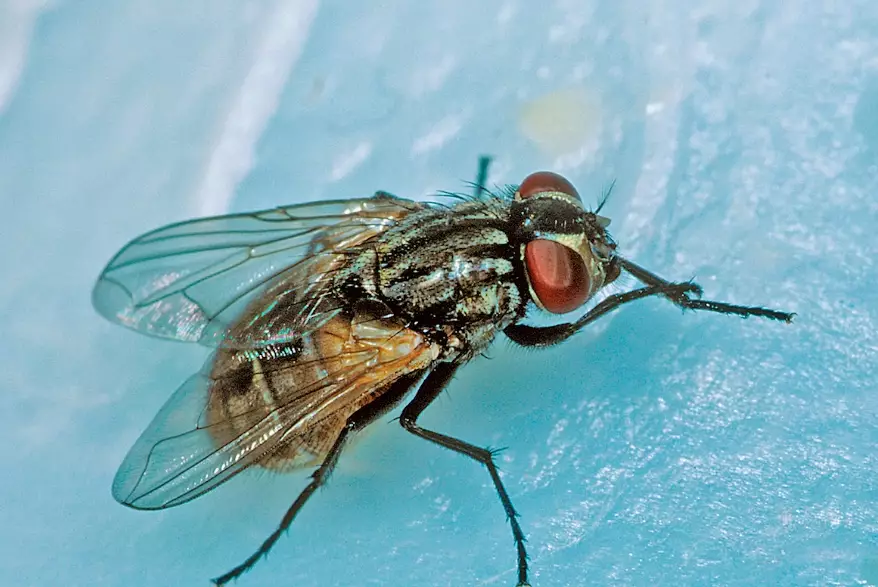
Your House Fly Control Questions, Answered
 What's the one mistake everyone makes when trying to control house flies?

Comments