Let's cut to the chase. You're probably here because you found a weird, flat, brownish bug in your bed or on your baseboard, and you're hoping against hope it's not a bed bug. The first question in your mind isn't about its life cycle or scientific name—it's "How big is this thing?" That instinct is spot on. Bed bug length is the single most practical, immediate clue you have for identification. Forget complex color charts or vague descriptions. If you can gauge its size, you're halfway to knowing what you're dealing with. I've been in pest management for over a decade, and I can't tell you how many infestations escalated because people misjudged the size of the early-stage bugs, dismissing them as "too small to be a problem."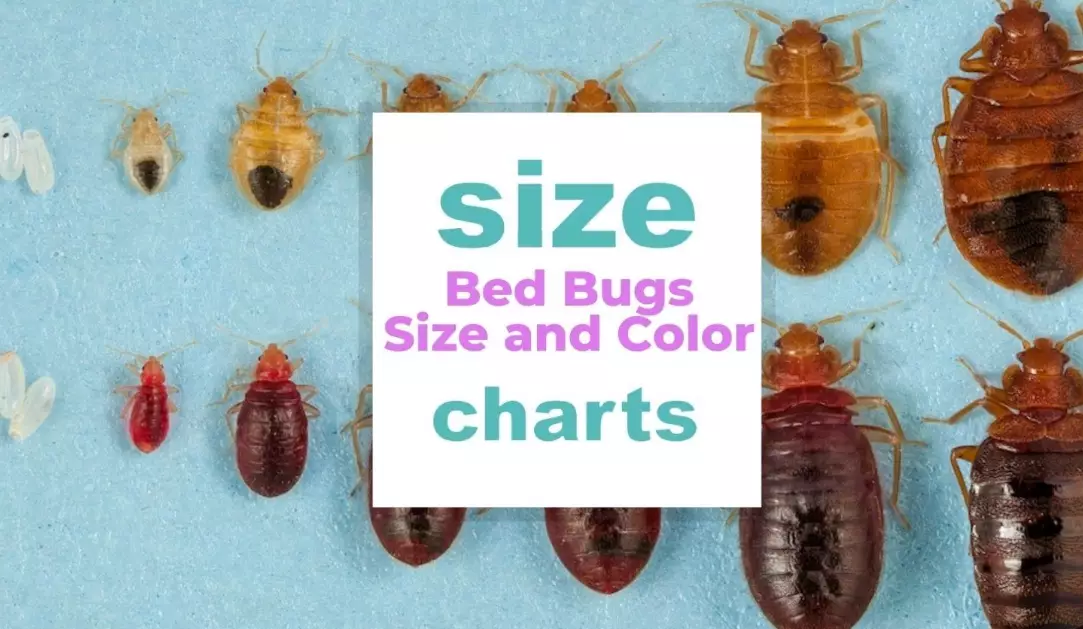
What You'll Learn in This Guide
Why Obsessing Over Bed Bug Length is Your Best Defense
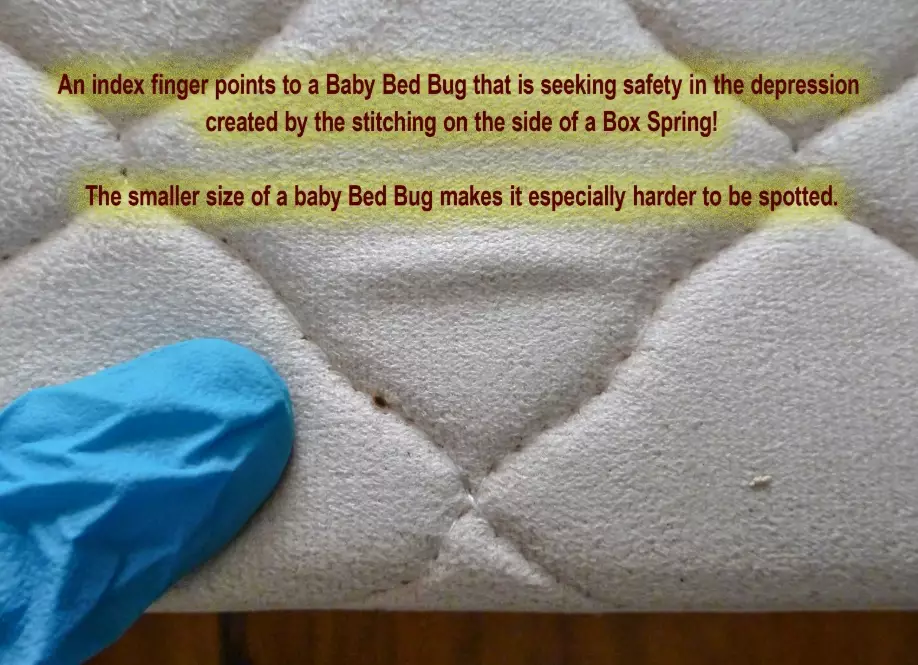
Most people picture a bed bug as one thing: the adult. That's a mistake. An infestation is a mixed-age family, and the babies (nymphs) are the real stealth operatives. They're the ones that spread to the electrical outlet behind your nightstand or the seam of the chair in your home office. By the time you see the sizable adults, the population is often well-established.
Knowing the exact size range trains your eye. It turns a vague suspicion ("Is that a speck of dirt?") into a targeted inspection ("That speck is exactly 1.5mm long—time to check this area with a flashlight and card."). Early detection is everything. It can mean the difference between treating a single room and having to tent your entire apartment.
The Bed Bug Size Spectrum: From Pinhead to Apple Seed
Here’s the breakdown. Think of it not as random sizes, but as a clear growth chart. A bed bug goes through five nymphal stages before adulthood, and it must eat a blood meal to molt and grow to the next stage. Its length is a direct report card of its last meal.
| Life Stage | Approximate Length | Common Comparison | Key Visual Cues |
|---|---|---|---|
| Egg | ~1 mm | Pinhead, grain of salt | Pearl-white, sticky, often in clusters. Nearly impossible to see on most surfaces without magnification. |
| 1st Stage Nymph | 1.5 mm | Poppy seed, small flea | Translucent or pale yellow. If it hasn't fed, it's almost invisible. After feeding, a tiny red dot. |
| 2nd Stage Nymph | 2 mm | Sesame seed fragment | Starts to show slight coloration. Still very fast and easy to miss. |
| 3rd Stage Nymph | 2.5 mm | Small ant | Now clearly brownish. This is where many people start to notice, but often confuse with other bugs. |
| 4th Stage Nymph | 3 mm | Large ant | Distinct oval shape is apparent. Legs are visible to the naked eye. |
| 5th Stage Nymph | 4.5 mm | Flax seed | Looks like a small, flat adult. Often found in seams just before molting. |
| Adult Bed Bug | 5–7 mm | Apple seed, lentil | Classic flat, oval, brown body. Unfed: mahogany, flat. Fed: reddish-brown, swollen, elongated. |
The Fullness Factor: This is the twist most guides gloss over. A bed bug's length changes. A hungry adult is around 5mm, flat as a credit card. After a full blood meal, it can stretch to 7mm or more, becoming plump and cylindrical. That's a 40% increase. So if you see two bugs of different lengths but similar width, they could be the same age—one just ate.
The Critical Mistake: Ignoring the Smallest Sizes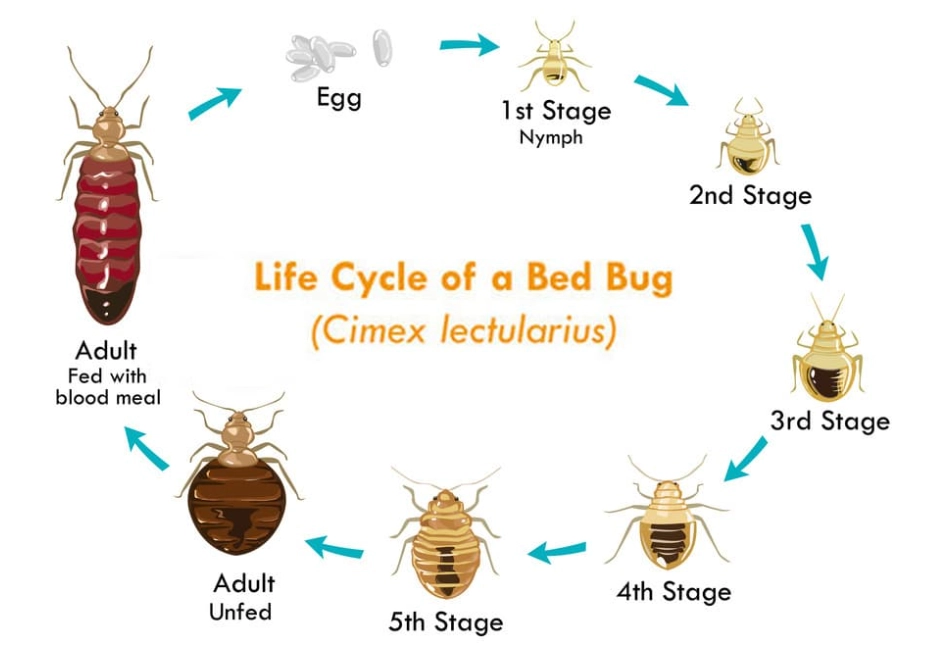
I've sat with countless homeowners who showed me a 2mm nymph they'd vacuumed up weeks prior, thinking it was a "baby spider" or "just a beetle." By the time they called me, nymphs were in the picture frames. The 1.5mm to 3mm range is your critical early warning zone. If you see bugs in this size range with that distinctive, flattened oval shape, sound the alarm.
How to Actually Measure a Suspect Bug (A Practical Guide)
You don't need calipers. You need a reference. Don't eyeball it.
Method 1: The Coin & Card Trick. This is my field go-to. Place the bug (dead or immobilized) on a white index card. Hold a coin next to it. A US dime is 17.9mm, a penny is 19mm. A 5mm adult bed bug will be just over a quarter the length of a dime. A 1.5mm nymph is a tiny fraction. Take a photo with your phone—the zoom helps.
Method 2: The Tape Capture. Clear packing tape is a pest professional's best friend. If you're squeamish, use a piece of tape to lift and trap the bug against a surface. You can then hold the tape against a ruler on your phone screen or a physical one. The tape preserves it for identification and flattens it slightly, giving a clearer view of its shape.
What not to do: Don't try to measure it crawling on a patterned sheet or a dark carpet. The contrast is terrible. Get it on a plain, bright background.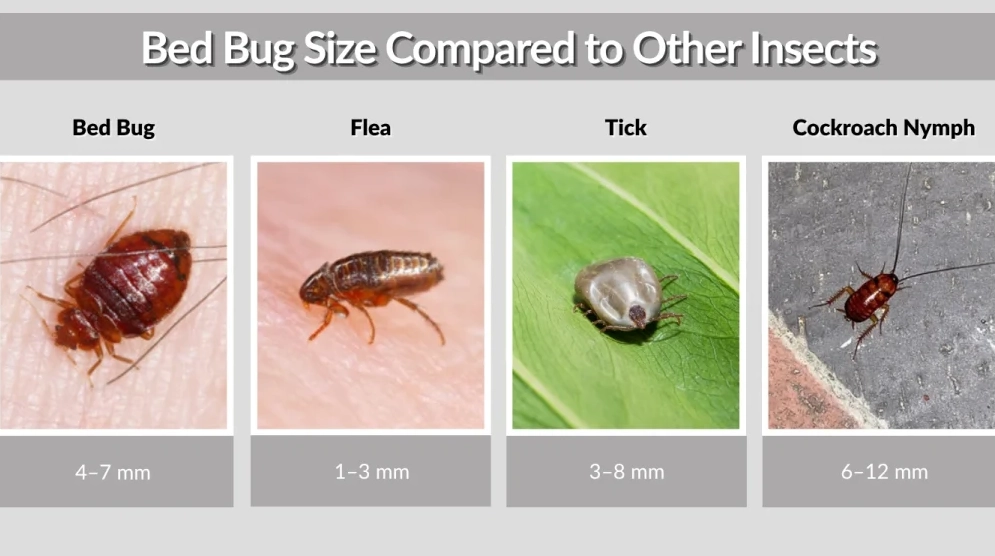
Common Size Misidentifications & What They Really Are
This is where experience talks. Here are the usual suspects people bring me, convinced they've found bed bugs.
The "Small Brown Bug" (3-4mm): Often a carpet beetle larva. They're hairy/ bristly, not smooth and oval. They don't crawl fast. Bed bug nymphs are sleek and quick.
The "Tiny Black Speck" (1-2mm): Could be a booklouse (soft-bodied, found in damp paper) or a bird or rodent mite (extremely tiny, often biting in bands where clothing fits tightly). Mites are usually under 1mm.
The "Apple Seed in the Bathroom" (5-6mm): Probably a cockroach nymph. Roach nymphs have longer, more antennae and a different body shape—less apple seed, more torpedo. They also love bathrooms. Bed bugs avoid tiled, cold, open spaces.
One Rule: If the bug you find is longer than 7mm and isn't grotesquely swollen with blood, it's almost certainly not a bed bug. You're looking at something else.
What to Do Once You've Confirmed the Size
So your measurement matches a bed bug. Don't panic, but do act deliberately and quickly.
Step 1: Contain & Confirm. Capture the bug in a sealed baggie or tape. Don't smash it into oblivion—you might need to show it to a landlord or pro. Now, do a calm, thorough inspection of the area. Use a bright flashlight and a credit card to run along mattress seams, behind the headboard, and in drawer joints. Look for more bugs, shed skins (which are the same size as the bug that molted them), and the tell-tale black fecal spots.
Step 2: Decide on Your Approach. For a single, isolated bug (rare, but possible), extreme vigilance and self-treatment might work. For any evidence of multiple sizes (eggs, small nymphs, adults), you have an established population. This is the time to call a professional. DIY solutions often scatter bugs, making the problem worse.
Step 3: Prepare for Treatment. Whether you go pro or try a careful DIY approach, preparation is 90% of the battle. This means laundering, vacuuming meticulously, and decluttering to eliminate hiding spots. The goal is to drive the bugs to the treated surfaces. The U.S. Environmental Protection Agency (EPA) has detailed checklists for this.
Your Bed Bug Size Questions, Answered
 How much does a bed bug's length increase after feeding?
Comments