You're out in the garden, admiring your tomatoes, when you see them. Tiny, stark black and white spots moving on the leaves. Or maybe you've found a curious-looking beetle with a checkered pattern on your windowsill. Your first thought is probably a mix of "What is that?" and "Is it going to kill my plants?" I've been there. For over a decade, I've worked with gardeners and homeowners, and misidentifying these black and white spotted bugs is one of the most common—and costly—mistakes I see. Treating a harmless insect with harsh chemicals or ignoring a destructive pest because it "looks interesting" can set you back an entire growing season.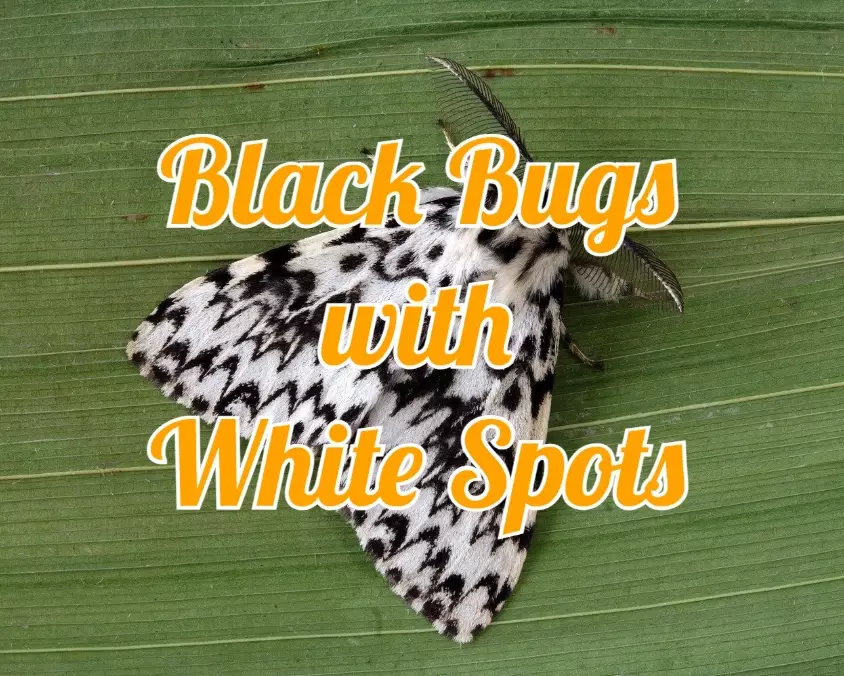
This guide cuts through the confusion. We'll match the bugs you're seeing to clear pictures and descriptions, explain exactly what they're doing (good or bad), and give you a battle plan that actually works. Forget generic advice; we're getting into the specifics of behavior, lifecycle weak points, and the subtle signs most people miss.
What You'll Find in This Guide
The Usual Suspects: 5 Common Black & White Spotted Bugs
Let's play match game. Here are the top contenders you're likely encountering, broken down not just by looks, but by their M.O.—their mode of operation.
| Bug Name (Common) | Key Identification Features | Where You'll Find Them | Friend or Foe? |
|---|---|---|---|
| Spotted Cucumber Beetle | Bright yellow-green background with 12 distinct black spots. Slender, about 1/4 inch long. Has a distinctive humpbacked look when viewed from the side. | Cucumbers, squash, melons, beans, corn. On flowers, leaves, and stems. | Major Foe. Spreads bacterial wilt and feeds heavily. |
| Squash Bug (Nymphs) | The young nymphs are the ones with stark black and white spots. They're wingless, with a grayish-white abdomen covered in black speckles. Adults are flat, gray-brown, and unspotted. | Undersides of squash, pumpkin, and cucumber leaves. Clustered in groups. | Destructive Foe. Nymphs and adults suck sap, causing wilting ("anasa wilt"). |
| Zebra Spider (Salticus scenicus) | A jumping spider with a brilliant black and white striped (sometimes spotted) pattern. Compact, fuzzy body. You'll notice two huge front eyes. | On sunny walls, fences, window sills, and sometimes plants. | Definite Friend. Voracious predator of flies, mosquitoes, and other small pests. |
| Spotted Lanternfly (Nymphs - Early Stages) | Early instar nymphs are black with bright white spots. They look like tiny, clumsy beetles. Later stages become red and black. Note: A serious invasive pest in many regions. | On Tree of Heaven (Ailanthus), grapevines, hops, maple, walnut, and many fruit trees. | Severe Invasive Foe. Must be reported and controlled. Saps trees and excretes sticky "honeydew." |
| Pillbug or Roly-Poly (Some species) | Not an insect but a crustacean. Some species have mottled black and white/gray patterns on their segmented armor. Rolls into a ball when touched. | In damp, decaying matter under pots, mulch, and stones. | Mostly Neutral. Decomposers. Can nibble seedlings but rarely a major problem. |
See the pattern? Color alone is useless. A spotted cucumber beetle and a zebra spider share a palette but have completely opposite roles in your garden. You need to note the shape, the habitat, and most importantly, what plant (or surface) they're calling home.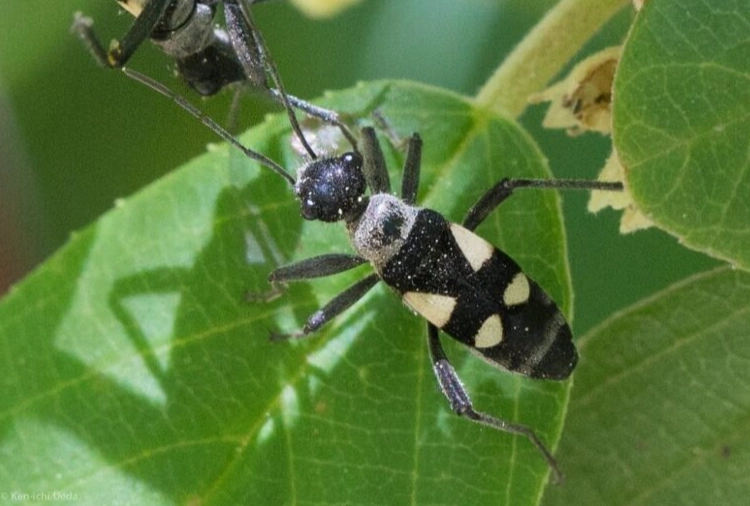
Beyond Looks: Why Identification is More Than Color
Here's the expert insight most blogs miss: you should spend more time looking at the damage than the bug. The bug might fly away, but the evidence it leaves behind is a permanent clue.
I once visited a community garden where everyone was panicking about "black and white beetles" on their beans. They were ready to spray. When I got there, I saw the bugs, but I also knelt down and looked at the leaves. No irregular holes. No wilting. Just a few perfectly round, tiny holes in the flower petals. The "beetles" were actually a species of pollen beetle, beneficial pollinators that were doing more good than harm. Spraying would have been a disaster for their yield.
Behavior is the real key.
- Do they fly away quickly when disturbed? (Like cucumber beetles).
- Do they scuttle under a leaf or play dead? (Like squash bug nymphs).
- Do they turn to watch you, almost curiously, with those big front eyes? That's your friendly zebra spider, a hunting genius.
Reading the Leaves: Connecting Bugs to Plant Damage
Let's diagnose. You see black and white spots on the bug, but what about black and white spots on the plant? The two are often linked.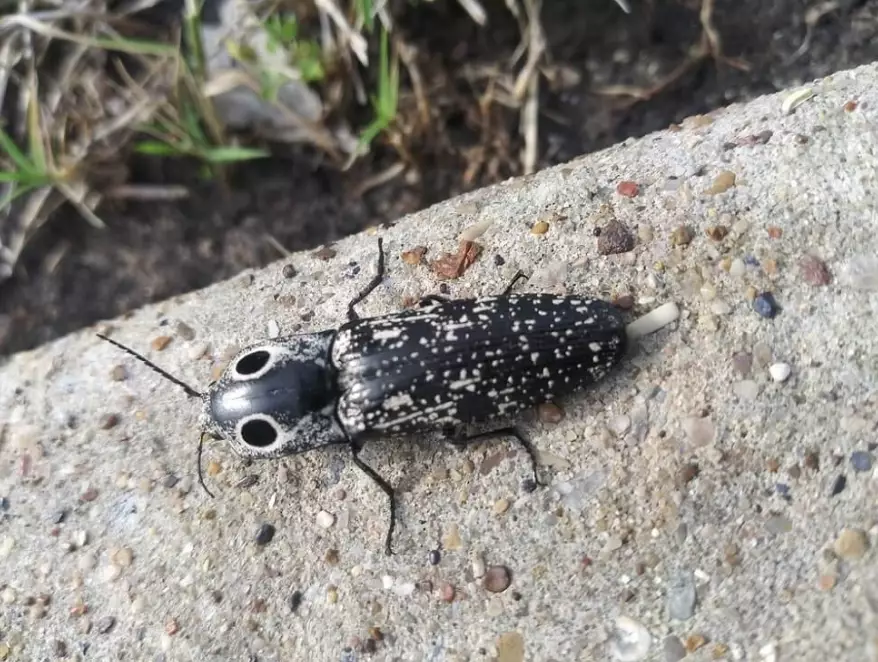
1. The "Shot Hole" Effect
If you see tiny, scattered black spots on leaves that eventually turn into little holes, you might be dealing with flea beetles or certain leaf miners in their early stages. While not always black and white themselves, the damage pattern is a classic clue. It looks like the plant was peppered with fine buckshot.
2. Sooty Mold & The Honeydew Connection
This is a big one. You see a black, sooty, powder-like film coating leaves. This isn't a bug itself, but a fungus growing on honeydew—the sugary, sticky waste excreted by sap-sucking insects. If you have this sooty mold, look directly above it. You'll often find aphids, whiteflies, scale, or spotted lanternfly nymphs. The white spots on the nymphs and the black mold on the leaves below are a telltale duo.
3. Wilting Without Yellowing
Your squash plant looks sad and wilted at midday, even with wet soil. The leaves aren't turning yellow first; they just go limp. Lift a leaf. If you find a congregation of those black-and-white-speckled squash bug nymphs on the underside, you've found the culprit. They're injecting a toxin as they feed.
Smart Control Strategies That Last
Okay, you've identified it. Now what? Throwing insecticide at the problem is the default move, but it's often the worst long-term strategy. It kills the good guys too, creating a vacuum that pests refill with a vengeance.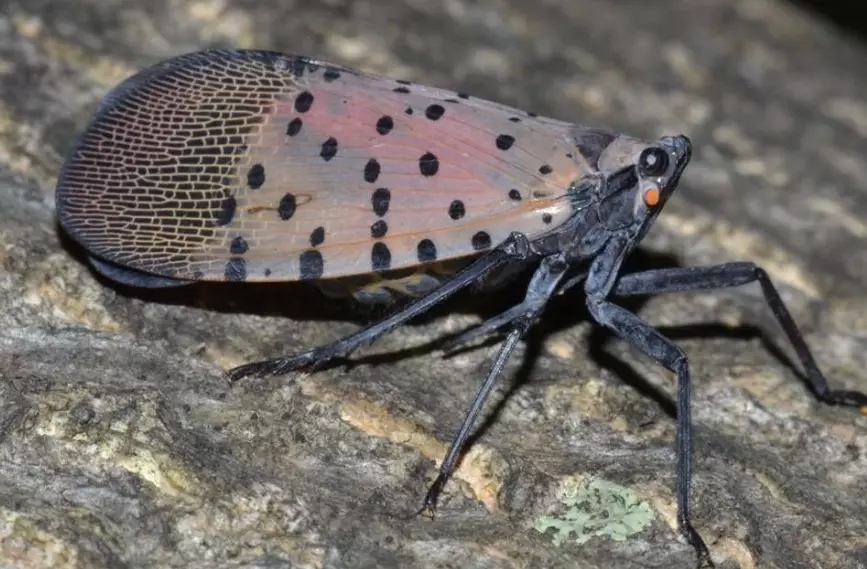
Your strategy should match the bug's lifecycle.
For Squash Bugs: The secret is early and manual. Adults overwinter in garden debris. Clean up in fall. In spring, place wooden boards or cardboard near squash plants. The bugs will congregate underneath overnight. Flip it over in the morning and dispatch them. Check the undersides of leaves every other day for the distinctive egg clusters (copper-colored, laid in a neat grid) and squash them. This 10 minutes of daily scouting in June saves you a catastrophe in August. Insecticides barely touch the adults.
For Spotted Cucumber Beetles: Use floating row covers when plants are young to create a physical barrier. Remove them when flowers appear for pollination. Plant trap crops like a few Blue Hubbard squash at the garden edge—they love it more than your cucumbers and will congregate there, making them easier to manage. If you must spray, neem oil or spinosad can help for heavy infestations, but timing is everything—target the young beetles.
For Spotted Lanternfly Nymphs: This is a public enemy. Report sightings to your state's department of agriculture. For control on your property, scrape egg masses (gray, putty-like patches) off trees in winter. For nymphs, circle trees with sticky tape traps, but cover the tape with chicken wire to prevent catching birds and beneficial insects. Insecticidal soaps are very effective against the young, soft-bodied nymphs.
The Big Mistake Everyone Makes (And How to Avoid It)
The single biggest error I see is acting too late. People notice the obvious adults flying around or massive wilting and then react. By then, the next generation of eggs is already laid, and you're stuck in a cycle of playing catch-up.
Pest control is a pre-emptive game. Your most important work happens when you see nothing.
- Spring Cleanup: Remove last year's plant debris where adults overwinter.
- Early Scouting: As soon as seedlings emerge or transplants go in, start looking under leaves every few days. Look for the first signs: a single egg mass, a lone nymph. That's when they are most vulnerable.
- Build Habitat for the Good Guys: Plant alyssum, dill, and yarrow. Let a small patch of your garden go a little wild. This attracts predatory insects that will patrol for you. That zebra spider needs a home too.
Think of yourself as a garden manager, not an exterminator. Your job is to create a balanced ecosystem where pests don't get the upper hand, not to achieve a sterile, bug-free zone (which is impossible and unhealthy).
Your Questions, Answered
 What's the most effective organic spray for these pests?
Comments