You wake up with a line of itchy, red bumps on your arm or leg. Your first thought might be mosquitoes, but a nagging worry creeps in: could it be bed bugs? That sinking feeling is real, and you're not being paranoid. Bed bug bites are more than just a nuisance; they're a sign of a persistent pest that requires specific action to eliminate. I've dealt with this professionally and seen the stress it causes. This guide cuts through the noise and gives you the straight facts on what bed bites look like, how to stop the itch, and the most effective ways to get rid of the source for good.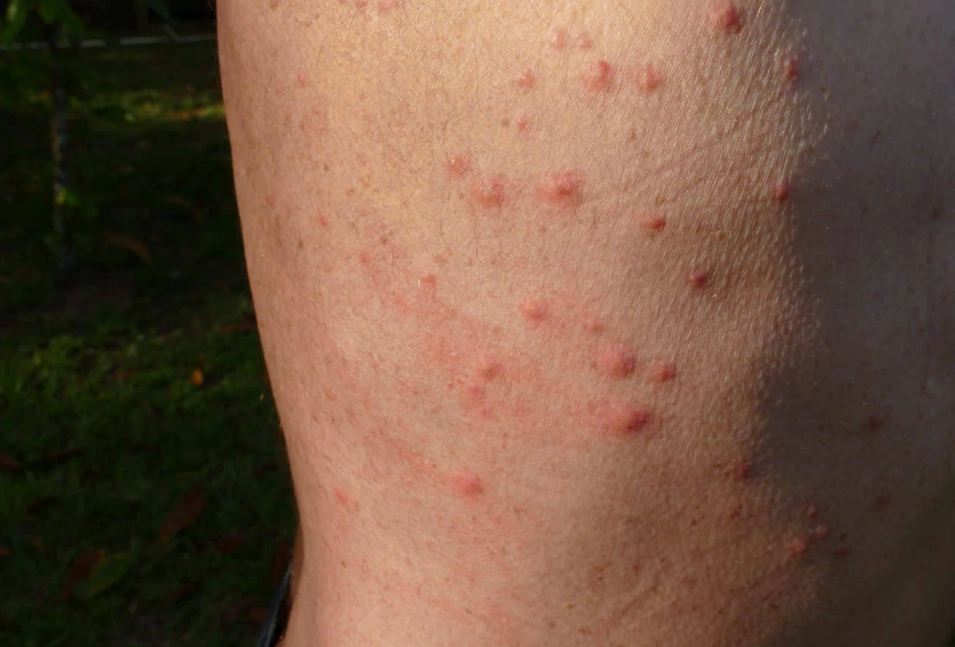
What You'll Find in This Guide
What Do Bed Bug Bites Look Like?
Let's get the identification right first, because misdiagnosis wastes time and money. Bed bug bites have a few telltale signs, but they can be confused with other insect bites or skin conditions.
The classic presentation is small, red, raised welts. They're often intensely itchy. But here's the key pattern most people miss: they frequently appear in a line or a cluster, what entomologists call "breakfast, lunch, and dinner." This happens because the bug probes your skin several times in one area before finding a good blood vessel.
However, reaction severity varies wildly. Some people have no visible reaction at all, which is why one person in a bed might be covered in welts and the other has nothing. This doesn't mean the bugs aren't biting the second person; it just means their immune system isn't reacting. This variation is a major reason infestations go unnoticed for so long.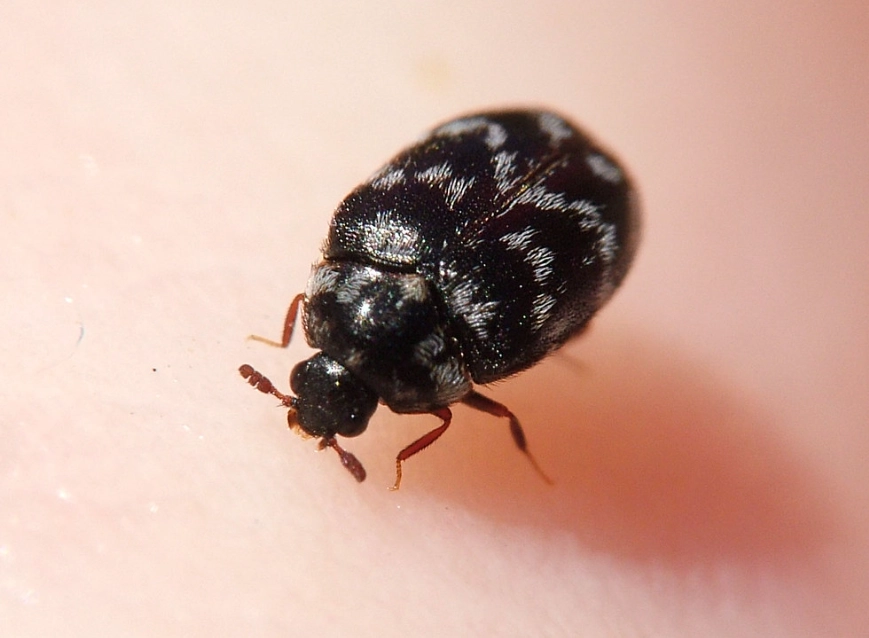
Bed Bug Bites vs. Other Common Bites
It's easy to mix them up. Here’s a quick comparison based on my experience helping people differentiate.
| Bite Type | Typical Pattern & Appearance | Key Differentiator |
|---|---|---|
| Bed Bug | Linear or clustered red welts; intense itch; may appear days later. | The "line or cluster" pattern on exposed skin after sleeping. Look for other signs like rust-colored stains on sheets. |
| Mosquito | Single, random, raised bump; immediate itch. | Usually solitary and random. You often feel the bite or hear the mosquito. |
| Flea | Small red bumps, often with a red halo; intensely itchy; commonly around ankles/legs. | Concentrated on lower legs and ankles. Associated with pets or carpeted areas. |
| Spider | Single bite, sometimes with two puncture marks; can cause pain, redness, swelling. | Usually a single, often painful, lesion. Not typically multiple bites in a group. |
Bites alone are never definitive proof. You need to find the bug or its evidence. Look for tiny rust-colored stains on your mattress seams (their fecal matter), tiny pale eggs, shed skins, or the bugs themselves—flat, oval, and about the size of an apple seed.
How to Treat Bed Bug Bites for Immediate Relief
The itch can drive you crazy. The goal is to reduce inflammation, prevent infection from scratching, and let your skin heal. I've found a step-by-step approach works best.
First, wash the bites with mild soap and cool water. This cleans the area and provides temporary relief. Pat dry, don't rub.
Next, apply a cold compress or an ice pack wrapped in a thin cloth for 10-15 minutes. This reduces swelling and numbs the itch. Do this several times a day.
For the actual treatment, you have a few good options:
- Over-the-counter hydrocortisone cream (1%): This is your first line of defense. It's a topical corticosteroid that reduces inflammation and itch. Apply a thin layer. Don't use it on broken skin.
- Oral antihistamines: Medications like cetirizine (Zyrtec) or loratadine (Claritin) can help control the allergic reaction and the itch from the inside, especially helpful at night.
- Calamine lotion or mentholated creams: These provide a cooling sensation that can distract from the itch. They're soothing but don't reduce inflammation like hydrocortisone does.
For severe reactions with extensive swelling or blistering, consult a doctor or dermatologist. They may prescribe a stronger topical steroid or other medication.
Healing time varies. Most bites fade within one to two weeks if you don't scratch them. Darker skin tones might experience post-inflammatory hyperpigmentation, where the bite marks leave dark spots that can take months to fade. Using sunscreen on healed areas can help prevent this darkening.
How to Prevent Bed Bugs from Entering Your Home
Prevention is infinitely easier than eradication. Bed bugs are expert hitchhikers. They don't fly or jump, but they crawl into luggage, bags, and used furniture. Here’s your defense strategy.
Travel is the biggest risk factor. I treat every hotel room the same way, regardless of the star rating.
Don't put your luggage on the bed or floor. Use the luggage rack, and better yet, keep your suitcase in the bathtub or on a tiled surface while you inspect. Pull back the sheets and inspect the mattress seams, especially at the corners, for those rust-colored stains, tiny white eggs, or the bugs themselves. Check behind the headboard if possible. Look in drawer joints and along baseboards.
When you get home, don't bring your luggage straight to the bedroom. Unpack on a hard floor, like in the garage or bathroom. Immediately wash and dry all your clothes—even the unworn ones—on the hottest settings the fabric allows. The heat of a dryer is lethal. For non-washable items, a portable heating chamber or carefully sealing them in a black plastic bag and leaving it in direct, hot sun for several days can work.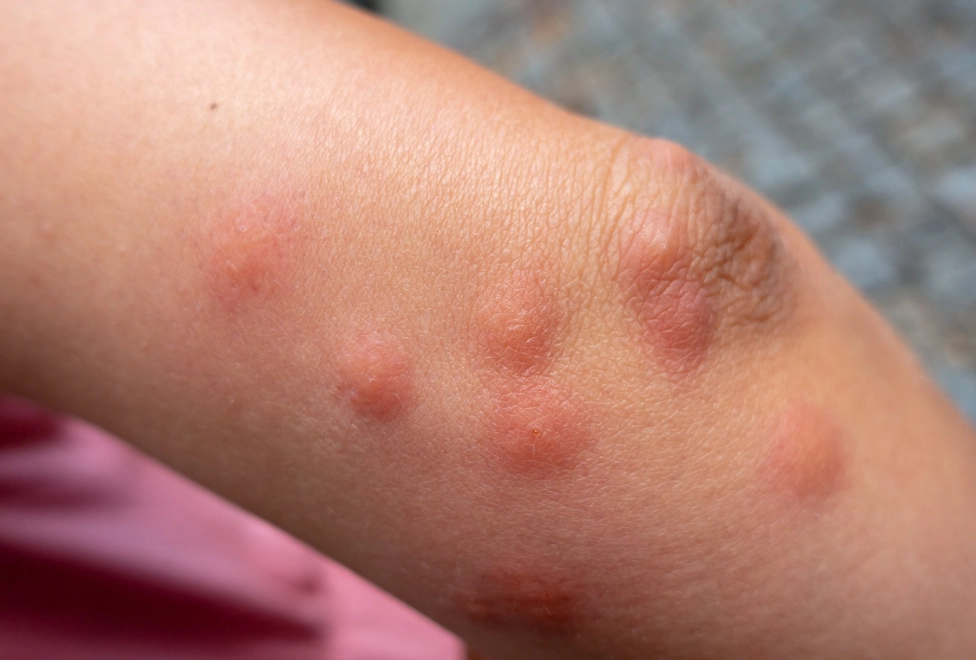
Second-hand furniture is the other major vector. That vintage armchair or mattress left on the curb is a potential Trojan horse. Inspect any used item meticulously before bringing it inside. If in doubt, don't bring it in. Consider professionally treating furniture before it enters your home.
At home, reduce clutter. It gives bed bugs fewer places to hide. Consider using protective, bug-proof encasements on your mattress and box spring. These are specially designed covers that zip shut, trapping any existing bugs inside (where they eventually die) and preventing new ones from establishing in the seams. The Environmental Protection Agency (EPA) lists this as a useful tool in an integrated pest management plan.
How to Confirm and Eliminate an Infestation
If you suspect an infestation, don't panic and start randomly spraying store-bought pesticides. That often makes the problem worse by scattering the bugs. Follow a systematic approach.
Step 1: Confirm. You need physical evidence. Get a bright flashlight and a credit card (to run along seams). Thoroughly inspect your mattress, box spring, bed frame, headboard, and nightstands. Look for live bugs, shed skins, fecal spots, and eggs. Bed bugs can also hide behind wallpaper, in electrical outlets, and in furniture joints. Many people find using sticky monitors or interceptors (pitfall traps placed under bed legs) helpful for early detection.
Step 2: Contain. Once confirmed, contain the area. Don't move items from the infested room to other rooms, as you'll spread the bugs. Keep your bed isolated—pull it away from the wall and ensure bedding doesn't touch the floor.
Step 3: Choose Your Treatment Method. For most infestations, especially moderate to severe ones, professional extermination is the most reliable and fastest solution. Look for a licensed pest control professional experienced with bed bugs. Ask about their methods.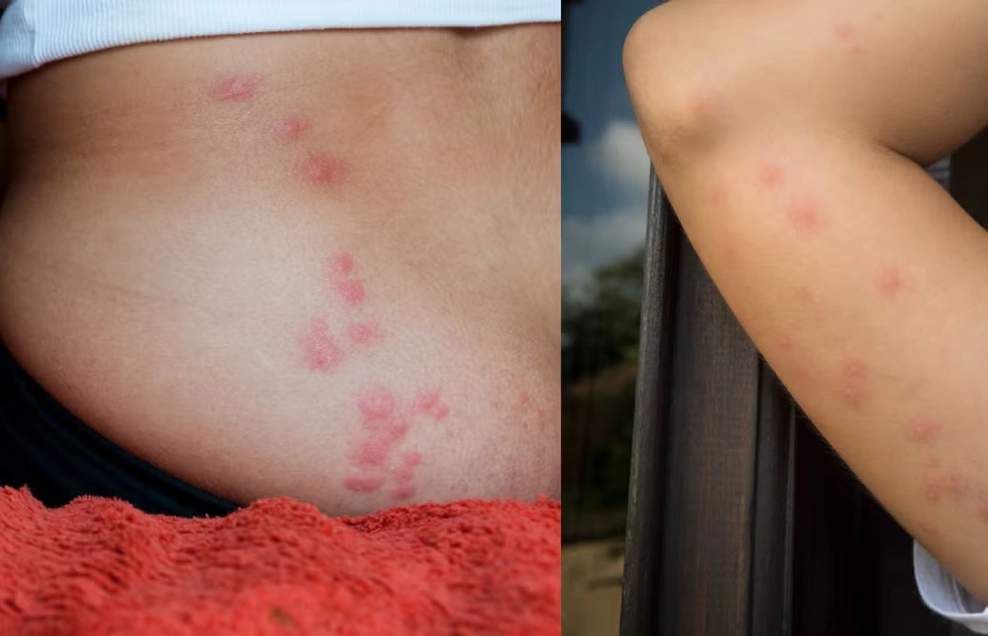
The two most effective professional treatments are:
- Heat Treatment: Professionals heat the entire room or home to a temperature lethal to all life stages (around 120°F / 49°C). It's fast, chemical-free, and penetrates walls and furniture. It's often done in a single day.
- Insecticide Application: A combination of targeted liquid sprays, dusts (for voids like wall cavities), and possibly insect growth regulators. This usually requires multiple visits spaced a few weeks apart. The pros know which products work and where to apply them safely.
For very minor, early-stage infestations, a diligent DIY approach might work, but it's a huge commitment. It involves vacuuming meticulously (empty the vacuum outside immediately), steam cleaning (steam must be >130°F), using diatomaceous earth or CimeXa dust in voids, and possibly applying EPA-registered bed bug sprays labeled for such use. You must be incredibly thorough. Missing one pregnant female can restart the whole cycle.
Whichever route you choose, you will need to prepare your home extensively—laundering all fabrics, bagging items, moving furniture—as directed by your chosen treatment plan.
Legal Rights and Responsibilities
This is where it gets sticky, especially for renters. Laws vary by state and municipality, so you must check your local codes. Generally, in most places, landlords are responsible for providing a habitable dwelling, which includes addressing pest infestations, even bed bugs. However, if you're a tenant, you also have responsibilities.
You must report the suspected infestation to your landlord or property manager immediately in writing. Delaying can make you liable for spreading it to other units. Cooperate fully with the extermination preparation process. If you caused the infestation (e.g., by bringing in infested furniture you were warned about), you might be billed for the treatment.
If a landlord refuses to act, document everything. Send written notices, keep copies, take photos. You may need to contact your local health or housing authority. In some jurisdictions, you may be able to pay for treatment yourself and deduct the cost from your rent, but you must follow the legal procedure to the letter—don't just stop paying rent.
For hotel stays, inform management immediately if you find evidence. A reputable hotel should move you to a non-adjacent room and should cover the cost of laundering your clothes and potentially treating your luggage. Take photos as evidence.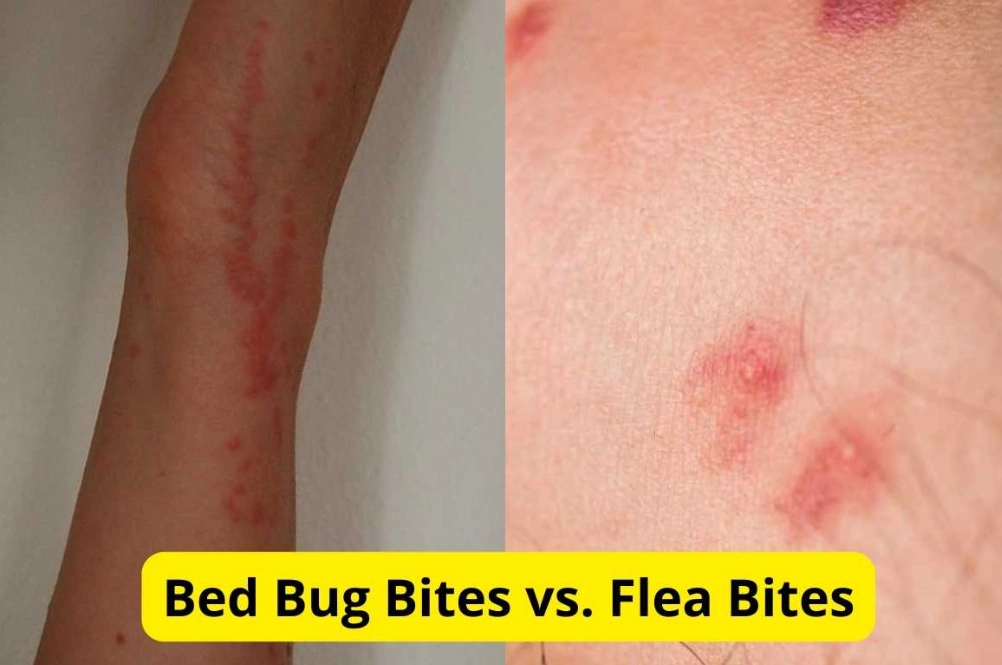
Your Top Bed Bug Bite Questions Answered
 What's the one mistake people make when trying to get rid of bed bugs themselves?
Comments