Rodents. The word probably conjures one of two images: a cute, fluffy hamster on a wheel, or a scuttling shadow in your attic. The truth is, the order Rodentia is massive, containing over 2,000 species. That's nearly half of all mammal species on Earth. Understanding the different types of rodents is the first step whether you're choosing a family pet, trying to identify a visitor in your garden, or dealing with an unwelcome houseguest. This isn't just a biology lesson. It's a practical field guide written from years of observing, keeping, and yes, sometimes having to manage these incredibly adaptable animals.
What You'll Find in This Guide
The One Thing All Rodents Share
Before we split them into categories, let's talk about what makes a rodent a rodent. It all comes down to their teeth. All rodents have a single pair of continuously growing incisors in their upper and lower jaws. These teeth have hard orange or yellow enamel on the front and softer dentin behind. This difference in hardness creates a self-sharpening chisel edge as they gnaw.
They must gnaw. It's not optional. If they don't wear these teeth down, the teeth will keep growing, eventually preventing them from eating. This biological imperative explains a lot of rodent behavior, from your hamster chewing its wooden hide to a rat gnawing through electrical wiring.
The Great Divide: Beloved Pets vs. Problem Pests
The line between a pet and a pest is often just a matter of context. A mouse in a cage is adorable. A mouse in your pantry is a nightmare. The main difference in these categories comes down to three things: domestication history, behavior around humans, and the diseases they may carry.
Pet Rodents (like Syrian hamsters, guinea pigs) have been selectively bred for generations for docility. Their genetics and early life socialization make them comfortable with human handling.
Wild/Pest Rodents (like house mice, roof rats) are inherently wary of humans. They see us as predators. While they can adapt to live near us for the food and shelter we provide, they avoid direct contact and can carry pathogens transmissible to humans or pets.
Here’s a quick comparison to set the stage:
| Type | Primary Examples | Typical Human Relationship | Key Concern |
|---|---|---|---|
| Companion Pets | Guinea Pig, Syrian Hamster, Gerbil, Fancy Rat/Mouse | Domesticated, handled, cared for indoors. | Providing proper habitat, diet, and veterinary care. |
| Occasional Visitors | Chipmunk, Squirrel, Vole | Wild, observed outdoors, sometimes cause garden damage. | Protecting gardens/bird feeders, occasional exclusion. |
| Structural Pests | House Mouse, Norway Rat, Roof Rat | Wild, invasive, live in/around structures unseen. | Property damage, food contamination, disease risk, requiring active control. |
A Closer Look at Common Pet Rodents
Choosing a small pet isn't just about cuteness. Each species has unique needs and a personality to match. A common mistake is treating all "small furries" the same.
Syrian Hamsters (The Solo Artist)
The classic golden hamster. They're solitary—put two together and they'll likely fight to the death. No exceptions. They're nocturnal, which means your kid's playtime after school might be when the hamster wants to sleep. They need a surprisingly large enclosure (forget the tiny cages sold with them) with deep bedding for burrowing. A wheel is non-negotiable. They can be nippy if startled awake.
Guinea Pigs (The Social Chatterboxes)
My personal favorite. Guinea pigs are highly social and should never be kept alone. Get at least two. They're diurnal (active day and night in short bursts), vocal with a wide range of wheeks and purrs, and have a sweet, gentle demeanor. Their biggest need is space—a large, flat enclosure—and a constant supply of hay for their digestive systems and teeth. Be warned: they poop. A lot.
Gerbils (The Desert Engineers)
If you want to watch natural behavior, get gerbils. They live in family groups, are intensely curious, and are master diggers and tunnelers. You need a tank-style enclosure filled at least 8-10 inches deep with bedding so they can create elaborate burrow systems. They're less likely to bite than hamsters and are fascinating to watch. Just make sure the lid is secure—they can jump.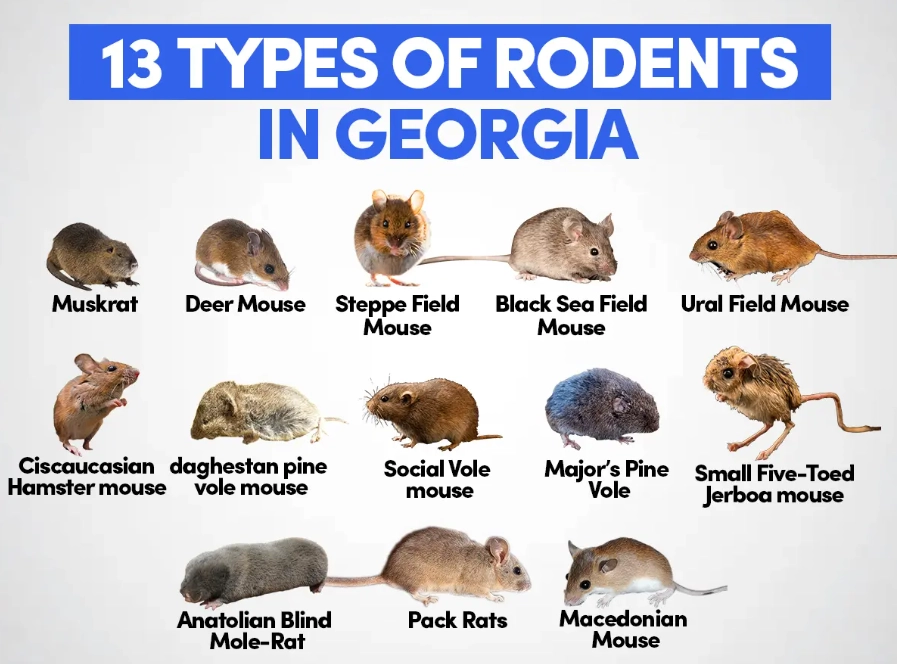
Identifying Common Wild & Pest Rodents
You hear a scratch in the wall. You see droppings in the garage. Which rodent is it? Proper identification is 90% of effective control.
House Mouse
Tiny (2-3 inches body, plus a long tail), with large ears and a pointed snout. Their droppings are rod-shaped, about the size of a grain of rice. They can fit through a hole the diameter of a pencil. They're curious explorers and will nibble on many foods. You'll often find nests made of shredded paper or insulation in hidden areas.
Norway Rat (Brown Rat/Sewer Rat)
Bulky and heavy-bodied (7-10 inches body), with a blunt snout, small ears, and a tail shorter than its body. They are burrowers, often digging under foundations, sidewalks, or debris piles. They're strong swimmers, commonly associated with sewers. Their droppings are capsule-shaped, about ¾ inch long.
Roof Rat (Black Rat/Ship Rat)
Slender and agile (6-8 inches body), with a pointed snout, large ears, and a tail longer than its body. As the name implies, they are excellent climbers, preferring to live in attics, vines, trees, and upper parts of structures. They have a more selective diet, often favoring fruits, nuts, and seeds.
Mistaking a roof rat for a Norway rat can waste your time. If you put bait stations on the ground for a roof rat colony living in your attic, you'll do nothing. You need to target their travel paths above ground.
How to Identify Rodents: A Step-by-Step Guide
Don't panic if you see signs. Be a detective. Follow this process.
Step 1: Examine the Droppings. This is the best clue. Size, shape, and location tell you a lot. Fresh droppings are dark and soft; old ones become gray and crumbly.
Step 2: Look for Entry Points. Inspect your foundation, utility lines, and roof lines. Look for gaps, chew marks, or greasy rub marks (from their fur) along walls.
Step 3: Listen and Observe. Are the sounds coming from the attic (roof rat) or the crawlspace/basement (Norway rat)? Do you see them at dusk near trees?
Step 4: Consider the Damage. Chewed wiring? That's a major fire hazard and points to a larger rodent like a rat. Nibbled cereal boxes in the cupboard? Classic mouse work.
Rodent Control & Prevention: Practical Steps
For pest species, removal is only half the battle. If you don't fix what attracted them, more will come.
Sanitation is Non-Negotiable. Store all food—including pet food and bird seed—in thick plastic or metal containers with tight lids. Take out the trash regularly. Don't leave dirty dishes out.
Exclusion is Your Best Weapon. Seal every hole you find. Use materials they can't easily gnaw through: steel wool, hardware cloth, metal flashing, or concrete. Pay special attention where pipes and wires enter the house.
Think Like a Rodent. Trim tree branches back from your roof. Keep firewood and dense vegetation away from the house's foundation. Ensure gutters are clear so water doesn't pool and attract them.
If you have an active infestation, you may need traps or professional help. Snap traps, when placed correctly along walls (rodents are thigmotactic—they hug walls), are effective and avoid the secondary poisoning risks of some rodenticides. Live traps require you to release the animal far away, which is often illegal and inhumane, as the relocated animal usually dies.
Your Rodent Questions Answered
I found a baby mouse in my house. Can I raise it as a pet?
What's the quietest and least smelly pet rodent for an apartment?
 I see a large rodent swimming in my pond. Is it a rat or a muskrat?
How can I tell squirrel damage from rat damage in my attic?

Comments