Quick Navigation
- What Exactly is an Apache Paper Wasp?
- How to Identify an Apache Paper Wasp (Don't Mix Them Up!)
- Key Identification Points for the Apache Paper Wasp
- The Life Cycle: From Queen to Colony
- The Sting: What Happens and What You Should Do
- Immediate First Aid for a Wasp Sting
- Dealing with a Nest: Removal and Prevention
- Common Questions About Apache Paper Wasps (FAQs)
- Beyond the Pest: Their Role in the Ecosystem
Let's be honest, the first thing most people think when they see a wasp isn't "Oh, what a fascinating pollinator!" It's more like "Please don't sting me." I get it. I've been there, standing frozen while one of these striped insects buzzes around my soda can. But after a particularly close encounter with a nest under my deck last summer, I decided to actually learn about them instead of just fearing them. Turns out, the specific wasp I was dealing with was likely the Apache Paper Wasp (Polistes apachus), a common resident across the southwestern United States. And you know what? They're actually pretty interesting creatures, even if you'd rather they nested somewhere else.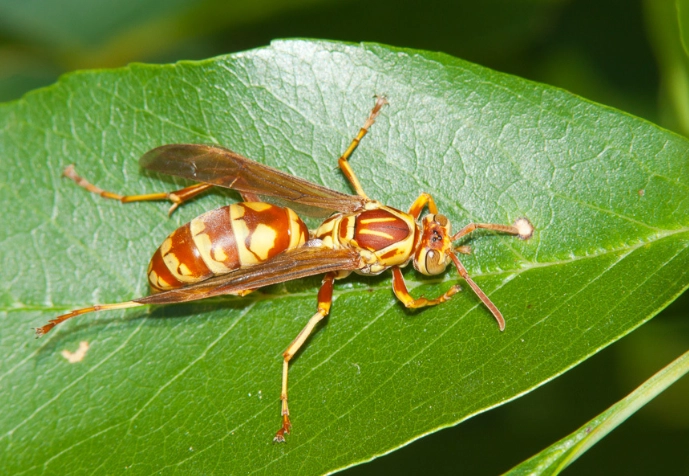
This guide isn't just a dry list of facts. It's the result of my deep dive into entomology resources, conversations with local exterminators (who were surprisingly passionate about wasp biology), and my own trial-and-error in figuring out how to live near them without starting a war. We'll cover everything from how to spot an Apache Paper Wasp to what you should really do if you get stung, and the safest ways to persuade them to move their real estate ventures away from your home.
What Exactly is an Apache Paper Wasp?
When you say "wasp," most people picture the aggressive yellowjacket. The Apache Paper Wasp is a different character altogether. They belong to the genus Polistes, which are the architects of those iconic, open-celled, umbrella-shaped nests you see hanging from eaves, inside sheds, or under patio furniture. The "Apache" part of its name points to its common range, though calling it a southwestern specialist is a bit more accurate.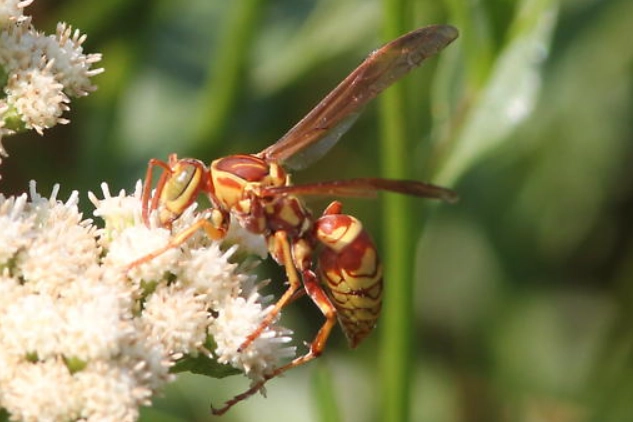
I found a fantastic, detailed resource on the University of California's Integrated Pest Management site that really breaks down the biology of paper wasps, including our friend Polistes apachus. They're less aggressively defensive of their territory than yellowjackets, but don't test them—especially near the nest. A single queen starts the colony in spring, chewing wood fibers mixed with saliva to create that papery nest you see. It's a marvel of natural engineering, really, even if it's in a terrible spot above your back door.
How to Identify an Apache Paper Wasp (Don't Mix Them Up!)
This is where things get practical. Mistaking a yellowjacket for a paper wasp could lead you to underestimate (or overestimate) a situation. Here’s a straightforward breakdown to help you tell them apart.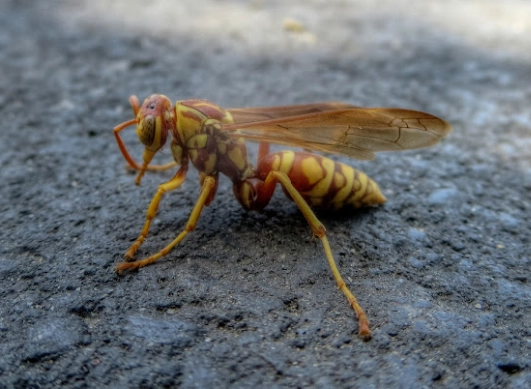
| Feature | Apache Paper Wasp (Polistes apachus) | Yellowjacket (Common Genus: Vespula) | Honey Bee |
|---|---|---|---|
| Body Shape | Slender, long-legged, with a very narrow "waist" (petiole). Looks elegant, almost delicate in flight. | Stockier, thicker-bodied, with shorter legs. The waist is less dramatically narrow. | Fuzzy, robust, and more rounded. Clearly hairy. |
| Coloration | Reddish-brown to dark brown front sections (head, thorax). The abdomen is mostly yellow with some brown patterns or stripes. Not as starkly black-and-yellow as a yellowjacket. | Bright, bold patterns of black and solid yellow. The stripes are more defined and contrasting. | Golden-brown and black striped, with a fuzzy appearance. |
| Nest Appearance | The classic "umbrella" or honeycomb-shaped nest, open from below. Made of a grey, papery material. Usually a single comb, not enclosed. | Nest is enclosed in a papery shell, often underground or in wall voids. You usually can't see the cells from the outside. | Wax combs inside a hive, tree hollow, or man-made box. Not made of paper. |
| Behavior at Nest | Generally less aggressive unless the nest is directly disturbed. They may hover and investigate but won't always swarm. | Highly defensive of the nest. Disturbing it can trigger a massive, aggressive swarm. | Defensive only if hive is threatened. Stinging is a last resort for them, as it kills the bee. |
| Flight Pattern | Legs dangle noticeably in flight. They often fly with a slower, more deliberate pace. | Legs tucked in during flight. Fast, darting, and direct movements. | Legs not as prominent in flight. Steady buzzing flight from flower to flower. |
See the difference? The Apache Paper Wasp has this sort of rusty, reddish touch to it, especially on the front half. Once you know what to look for, it becomes easier. I started noticing them more on my lavender plants—they're actually decent pollinators for some flowers, even if that's not their main job.
Key Identification Points for the Apache Paper Wasp
- The "Apache" Color Palette: Look for the combination of reddish-brown thorax and a yellow abdomen with brown markings. It's not just black and yellow.
- The Dangling Legs: This is a dead giveaway. In flight, their long legs hang down like landing gear. It's a very distinctive look.
- Nest Location & Material: That single, open-comb, grey paper nest is a signature. They love protected spots: under horizontal surfaces, inside grills, under patio furniture cushions (found that one the hard way).
The Life Cycle: From Queen to Colony
Understanding their life cycle is the secret to effective control. It's not about mindless killing; it's about timing and strategy. The colony is an annual one. It all starts in spring when a mated queen, who has overwintered in a sheltered spot (like under tree bark or in an attic soffit), emerges. She picks a site and starts building that first few cells of the nest, laying an egg in each.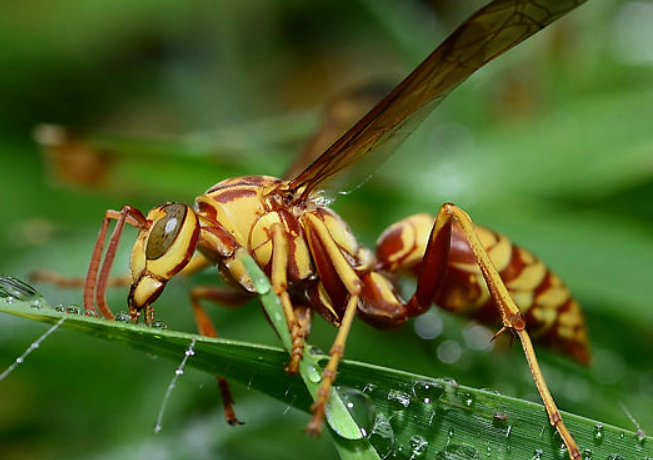
Those eggs hatch into larvae, which the queen feeds chewed-up caterpillars and other insects to. This is the part where I have to give them some credit—they are fantastic natural pest controllers in a garden. They can wipe out caterpillar populations. Once the larvae pupate and emerge, they become the first generation of sterile female workers. These workers take over the duties of nest expansion, foraging, and feeding new larvae, freeing the queen to just lay eggs.
The colony grows through the summer. By late summer, the queen starts producing males and new queens. These new reproductive individuals mate, and then, as fall temperatures drop, the entire colony dies off—except for the newly mated queens. They find a place to hunker down for the winter, and the cycle begins anew next spring. The old nest is almost never reused.
The Sting: What Happens and What You Should Do
Alright, let's talk about the elephant in the room: the sting. Yes, an Apache Paper Wasp can sting, and unlike a honey bee, it can sting multiple times. The sting is a modified egg-laying apparatus (an ovipositor), so only females can sting. Their venom is different from bee venom, designed to paralyze insect prey, but it packs a punch for us too.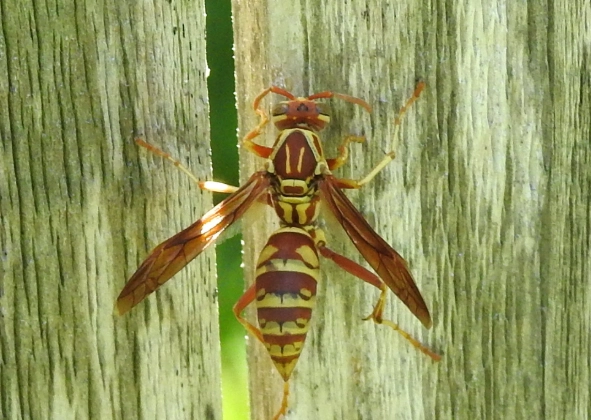
For most people, a sting is a painful, sharp, burning sensation, followed by redness, swelling, and itching around the site. It's unpleasant but usually resolves in a few hours to a day. The pain from a paper wasp sting, in my experience, feels more like a deep, fiery pinch compared to the immediate, sharp jab of a bee.
Immediate First Aid for a Wasp Sting
Here’s a step-by-step based on advice from medical sources like the CDC's guidelines on stinging insects and my own first-aid training:
- Move away calmly. Don't swat wildly. This can provoke more stings from the same wasp or its nest mates.
- Check if the stinger is embedded. Honey bees leave a barbed stinger behind. Wasps typically do not. If you don't see a stinger, don't dig around for one.
- Wash the area with soap and cool water.
- Apply a cold pack or ice wrapped in a cloth to reduce swelling and pain. 15 minutes on, 15 minutes off.
- Take an over-the-counter antihistamine (like Benadryl) for itching and an anti-inflammatory (like ibuprofen) for pain/swelling, if needed and if you have no contraindications.
- Keep it clean and don't scratch. Scratching can break the skin and lead to a secondary bacterial infection.
Some home remedies like a baking soda paste or vinegar are debated. The theory is that baking soda (a base) neutralizes acidic bee venom, and vinegar (an acid) neutralizes alkaline wasp venom. However, the evidence is shaky, and modern first aid focuses more on cleaning, cooling, and medication. I tried a baking soda paste once—it felt soothing, but it's hard to say if it was the paste or just time doing the work.
Dealing with a Nest: Removal and Prevention
This is the part everyone searches for. You've found a nest. Now what? Your options range from peaceful coexistence to full removal. The right choice depends on the nest's location, size, and your comfort level.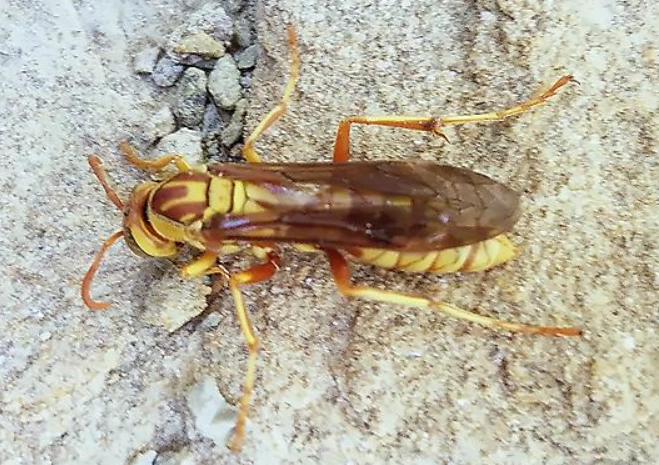
When to Consider Leaving the Nest Alone
I know it sounds counterintuitive, but hear me out. If the nest is in an out-of-the-way spot—like the far corner of your yard in a shrub, on a shed you rarely use, or high in a tree—removing it might be more trouble than it's worth. Remember, the colony dies naturally in the fall. They are providing free pest control in your garden. If it's not posing an immediate threat to traffic or play areas, letting it be is a valid, low-effort option. Just make sure everyone in the household knows it's there and to give it a wide berth.
Safe DIY Nest Removal
If the nest is small (golf ball or smaller) and accessible, and you are not allergic, you can consider DIY. Never attempt this if you are allergic, if the nest is large, or if it's in a wall void or underground. For those, call a pro.
Tools & Precautions:
- Wear protective clothing: long sleeves, pants, gloves, socks, shoes, and most importantly, a hat and veil or some kind of face protection. I used a bee veil once and felt a lot braver (and safer).
- Choose an aerosol wasp & hornet spray that shoots a jet stream from at least 10-15 feet away. Read the label.
- Plan your escape route.
The Process:
- Approach the nest at night or very early dawn when all wasps are home and are sluggish due to cooler temperatures and darkness.
- From a safe distance, thoroughly spray the nest entrance and the entire nest surface according to the product's instructions. Don't stand directly underneath it.
- Leave the area immediately and wait at least 24 hours.
- The next day, tap the nest from a distance with a long pole. If no activity, you can carefully knock it down into a bag, seal it, and dispose of it. Scrape away any residual "anchor" to discourage rebuilding.
I tried this on a small nest under a windowsill. The nighttime part is crucial—it works. But it's still nerve-wracking. For anything bigger than a fist, or anything indoors, I now skip the DIY drama and call someone.
Professional Extermination: When to Make the Call
Call a licensed pest control professional if:
- The nest is inside a wall, attic, or any structural void.
- It's very large (softball-sized or bigger).
- It's in a high-traffic area like a main doorway, mailbox, or playground.
- You or a family member has a known insect sting allergy.
- You simply don't want to deal with the risk or hassle.
Pros have the right equipment, insecticides, and experience to do it safely and ensure the colony is fully eliminated. They can also help identify and seal entry points to prevent future queens from getting inside structures.
Long-Term Prevention: Making Your Property Less Appealing
Stopping the problem before it starts is the best strategy. In early spring, be vigilant. Look for the founding queens starting their tiny nests. These are easy to scrape off with a putty knife or spray with a hose from a distance.
Make your home less inviting:
- Seal cracks and crevices in siding, around rooflines, and where utilities enter the house with caulk or steel wool.
- Repair torn window and door screens.
- Keep garbage cans tightly covered and clean up food/drink spills outdoors promptly.
- Consider hanging a fake wasp nest. The theory is that wasps are territorial and won't build near another colony. It's a hit-or-miss method, but some people swear by it. I hung one as an experiment, and no wasps built near it, but that's hardly scientific proof.
Common Questions About Apache Paper Wasps (FAQs)
Here are some of the specific questions I had and found answers to during my research.
Are Apache Paper Wasps aggressive?
Not typically, unless they feel their nest is threatened. They are less aggressive than yellowjackets or hornets. A foraging Apache Paper Wasp on a flower is usually just intent on finding food and will ignore you. The problem is when their nest is in a place where accidental contact is likely.
What attracts them to my house?
They are looking for sheltered, dry spots to build their nests (eaves, soffits, sheds, attics) and sources of food. Food includes insect prey (your garden pests) and sometimes sugars from fallen fruit or open soda cans.
Do they make honey?
No. Only honey bees (and a few related stingless bees) produce and store honey. Paper wasps do not produce any substance like honey.
How can I tell an Apache Paper Wasp nest from a yellowjacket nest?
The Apache Paper Wasp nest is that single, open honeycomb, usually grey. You can see the hexagonal cells from below. A yellowjacket nest is enclosed in a spherical or oblong paper shell, so you can't see the cells. Yellowjackets also often (but not always) nest in the ground or in cavities.
What's the best time of year to remove a nest?
Early spring, when it's just the queen and the nest is tiny (a few cells). Late fall or winter, after the colony has died, is safe for physical removal of the empty nest structure to discourage debris buildup.
Beyond the Pest: Their Role in the Ecosystem
After all this talk about removal, it's only fair to give them their due. As much as we might dislike them near our homes, Apache Paper Wasps play a beneficial role. They are predators. A single colony can consume hundreds, even thousands, of caterpillars, beetle larvae, and other insects throughout a season. This can be a huge help in controlling pests in gardens and agricultural settings naturally, reducing the need for insecticides.
They are also minor pollinators. While not as efficient as bees, they do visit flowers for nectar and can transfer some pollen in the process. An article from the University of Kentucky Entomology department notes that paper wasps are part of a complex ecosystem and their predatory nature is their most significant ecological contribution.
So, the goal isn't eradication from the planet. It's intelligent management. It's about encouraging them to live and hunt in the wilder parts of your property while gently discouraging them from setting up their condo complex on your patio ceiling. With the right knowledge—knowing how to identify the Apache Paper Wasp, understanding its lifecycle, having a clear plan for stings and nest removal—you can manage the situation effectively, safely, and with a bit more appreciation for this complex, if sometimes inconvenient, insect.
It changed my perspective, at least. Now when I see one hovering near the eaves, I don't panic. I assess. Is it a scout? Is there a nest starting? Or is it just a worker heading out to hunt some caterpillars that would otherwise eat my tomatoes? Knowledge, in this case, really is the best defense—and sometimes, it leads to a reluctant respect.
LEAVE A REPLY
Your email address will not be published. Required fields are marked *