You're out in your vegetable patch, checking on your cucumbers or maybe your milkweed plants, and you see it. A little beetle, boldly decked out in black and orange stripes. Your first thought might be panic. Is this thing going to devour my entire garden? Or maybe you're just curious—what on earth is this striking little insect?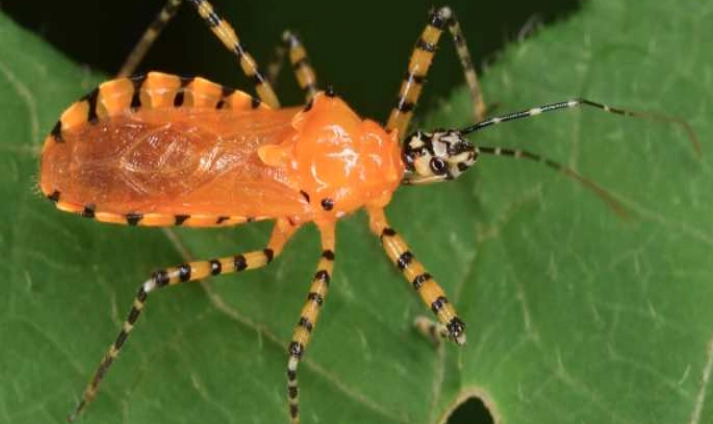
Quick Guide
- Meet the Usual Suspects: Which Black and Orange Bug Is In Your Yard?
- Side-by-Side: Telling Them Apart
- What To Do About the Striped Cucumber Beetle (The Real Pest)
- What To Do About the Large Milkweed Bug (Usually, Nothing)
- Other Bugs That Might Fit the Description
- Your Questions, Answered
- Wrapping It Up: Knowledge is Power
I've been there. I remember one summer, my zucchini plants were looking fantastic one day and absolutely shredded the next. The culprit? A small army of these very beetles. It sent me down a rabbit hole of research, trying to figure out what they were and how to stop them without nuking my garden with harsh chemicals.
Turns out, not every black orange striped bug is public enemy number one. In fact, misidentifying them can lead you to kill helpful insects or waste time on bugs that aren't really causing harm. That's the whole point of this guide. We're going to cut through the confusion.
We'll look at the two most common candidates when someone searches for a "black orange striped bug": the notorious Cucumber Beetle and the often-misunderstood Milkweed Bug. By the end, you'll know exactly what you're dealing with, what it does, and what (if anything) you should do about it.
Meet the Usual Suspects: Which Black and Orange Bug Is In Your Yard?
When you see those contrasting stripes, your mind is probably jumping to one of two insects. They look vaguely similar from a distance, but up close, they're very different in their habits and how much of a headache they'll cause you.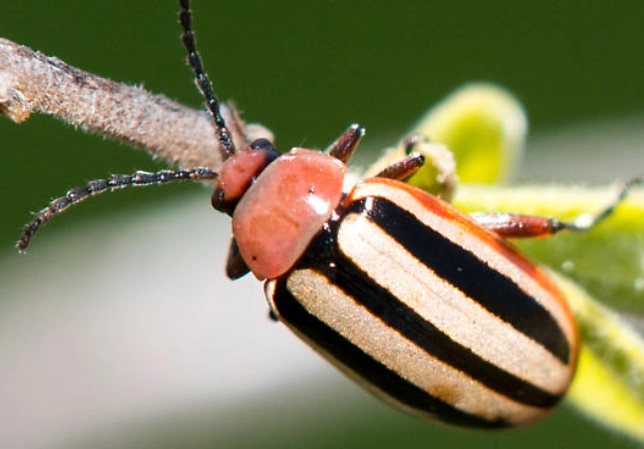
The Striped Cucumber Beetle: The Garden Menace
Let's start with the one that gives gardeners real nightmares: the Striped Cucumber Beetle (Acalymma vittatum). This is the pest. If you grow cucurbits—that's the plant family including cucumbers, squash, pumpkins, melons, and zucchini—this little beetle is your arch-nemesis.
What does it look like? Picture a small, oblong beetle, about a quarter-inch long. It has a yellow-orange body with three distinct, jet-black stripes running lengthwise down its wing covers. Its head is black, and it has a sort of sleek, shiny look to it. It's not a subtle bug.
Their life cycle is geared for maximum annoyance. Adults overwinter in plant debris and weeds, emerging in spring just as your seedlings are getting going. They lay eggs at the base of plants, the larvae feed on roots, and a new generation of adults appears in mid-summer to continue the feast. The University of Minnesota Extension has a fantastically detailed page on cucumber beetles that goes deep into their biology, which is worth a look if you're facing a severe infestation.
I made the mistake one year of thinking a few beetles weren't a big deal. By July, my cucumber plants were history. Lesson learned the hard way.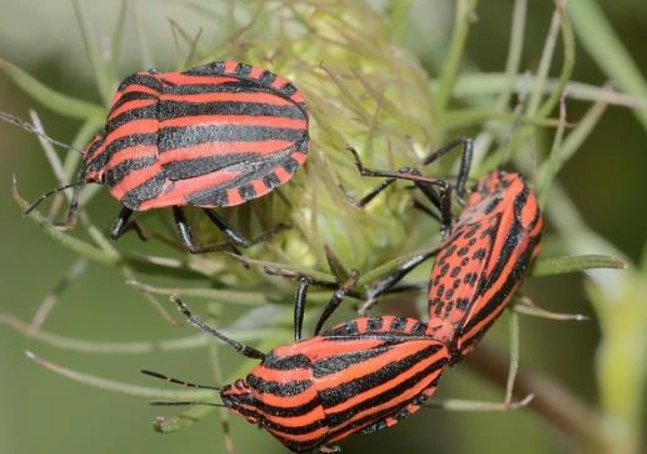
The Large Milkweed Bug: The Misunderstood Native
Now, for a completely different story. Meet the Large Milkweed Bug (Oncopeltus fasciatus). This insect also sports a striking pattern of black and orange, but the arrangement is different. It's more of a general black-orange-black pattern, with a distinct black band across the middle of its body and another at the rear. It has a longer, more slender body than the cucumber beetle and prominent black antennae.
Here's the key difference: this bug is a specialist. It feeds almost exclusively on milkweed plants (hence the name). It uses its piercing-sucking mouthpart to tap into the milky, toxic sap of the milkweed. This sap, full of cardiac glycosides, makes the bug itself toxic to predators, which is why it advertises itself with such bright warning colors.
So, is it a pest? If you're growing milkweed to support monarch butterflies, seeing clusters of these orange and black bugs can be alarming. They feed on the milkweed seeds, pods, and sometimes the sap. They can look crowded and messy.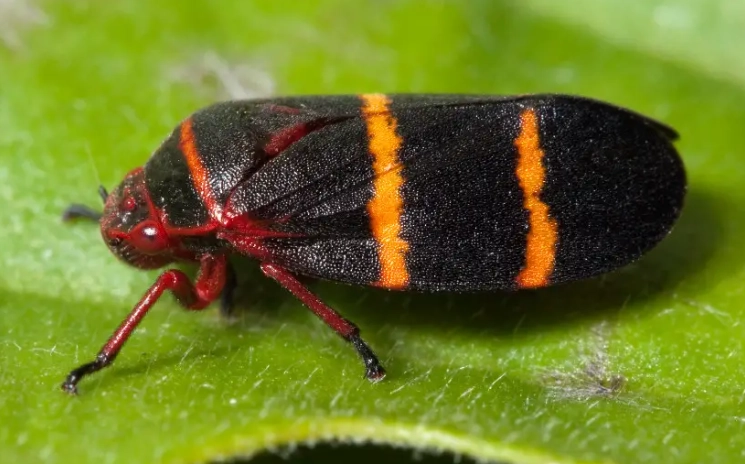
They're fascinating to watch, often clustering in mating pairs or groups on the seed pods. They're a native insect playing their role. Swatting them away feels different than battling cucumber beetles.
Side-by-Side: Telling Them Apart
It's easy to get them confused, especially when you're just quickly searching "black orange striped bug." This table should make it crystal clear.
| Feature | Striped Cucumber Beetle | Large Milkweed Bug |
|---|---|---|
| Primary Colors | Yellow-Orange with 3 clean black stripes. | Orange with broad black bands (especially a central band). |
| Body Shape | Oval, beetle-like, domed back. | Elongated, oblong, flatter. |
| Host Plants | Cucumbers, squash, pumpkins, melons, zucchini. | Milkweed species (common, swamp, etc.). |
| Type of Damage | Chews leaves, flowers, fruit rind. Vectors deadly diseases. | Sucks sap from seeds and pods; minimal harm to plant. |
| Mouthparts | Chewing. | Piercing-sucking (like a tiny straw). |
| Overwintering | Adult beetles in debris. | Typically migrates south; doesn't survive cold winters as adult. |
| Garden Status | Major Pest - Control is usually needed. | Mostly Benign - Often best left alone. |
See? Once you know what to look for, it's not so hard. The plant you find it on is the biggest clue. A black and orange striped bug on your pumpkin leaf is a problem. The same color bug on a milkweed pod is probably just going about its business.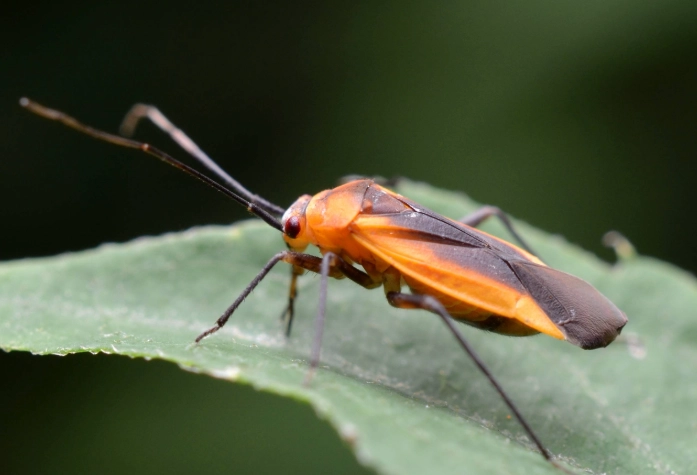
What To Do About the Striped Cucumber Beetle (The Real Pest)
Okay, so you've identified the villain. It's the cucumber beetle. Don't despair. A multi-pronged approach, what gardeners call Integrated Pest Management (IPM), works best. It's about being smart and persistent, not reaching for the strongest spray immediately.
Start With Prevention (The Best Medicine)
An ounce of prevention is worth a pound of cure, especially here.
- Row Covers: This is my number one, non-negotiable tip for new plants. Use floating row covers (lightweight fabric) over your cucumber and squash seedlings right after planting. It creates a physical barrier. Just remember to remove them when flowers appear so pollinators can get in.
- Clean Up: In the fall, religiously clean up all old vine debris. This destroys overwintering sites for the adult beetles. Tilling the soil in fall can also expose larvae and pupae to the cold and predators.
- Trap Crops: This is an advanced but cool tactic. Plant a very attractive variety (like a Blue Hubbard squash) a couple of weeks before your main crop. The beetles will swarm it. You can then focus your control efforts (like spraying or hand-picking) on that trap crop, sparing your main garden.
- Resistant Varieties: Some cucumber and squash varieties are less appealing to beetles. It's not total immunity, but every bit helps. Check seed catalogs for descriptions.
I skipped row covers one year because I was in a hurry. Never again. The time I saved planting was spent tenfold trying to control the beetles later.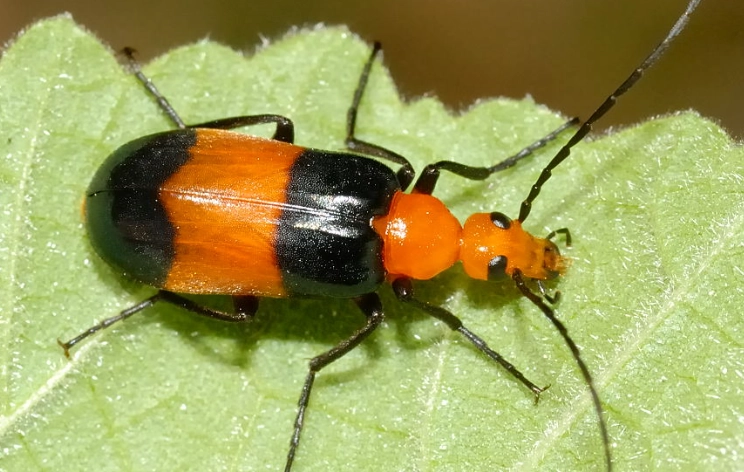
Safe and Direct Control Methods
When you see them, you need to act. Start with the least toxic methods.
- Hand-Picking: It's tedious but effective, especially in the early morning when the beetles are sluggish. Drop them into a jar of soapy water. This is perfect for small gardens.
- Yellow Sticky Traps: Cucumber beetles are attracted to the color yellow. Place sticky traps near your plants (but not so close you catch pollinators). It's a great monitoring tool to see how bad the population is.
- Beneficial Insects & Nematodes: Encourage predatory insects like soldier beetles and parasitic flies. You can also apply beneficial nematodes (like Steinernema feltiae) to the soil to attack the larval stage. The EPA's guide on IPM principles reinforces how crucial this biological approach is.
- Diatomaceous Earth (DE): Food-grade DE, dusted on leaves (reapply after rain), can deter and kill beetles through physical abrasion. Wear a mask when applying it.
- Kaolin Clay: Products like Surround WP create a harmless particle film on leaves that irritates and repels beetles. It also makes the plant less recognizable to them.
Considering Organic and Chemical Options
Sometimes, the infestation gets ahead of you. If you must spray, prioritize organic options and use them as a last resort.
- Neem Oil & Pyrethrin: These are botanical insecticides. Neem oil can disrupt feeding and growth. Pyrethrin (derived from chrysanthemums) is a contact insecticide. Both are considered softer options but can still harm bees and beneficials if sprayed directly on them. Always spray at dusk when pollinators are not active.
- Spinosad: This is a bacterial-derived product that is very effective against many pests and is considered organic. It is toxic to bees when wet but safe once dry.
A word on conventional pesticides: I'm not a fan for the home garden. They often create more problems than they solve, wiping out the natural predators that keep other pests in check. You can end up on a pesticide treadmill. If you feel you must go this route, the University of Maryland Extension's vegetable pest page offers current, science-based chemical recommendations for severe cases. Always, always read and follow the label. It's the law.
What To Do About the Large Milkweed Bug (Usually, Nothing)
Your approach here should be the opposite. The first step is often to do nothing and observe.
Milkweed is a critical host plant for the monarch butterfly. The goal of planting it is to support a complex ecosystem. Milkweed bugs, oleander aphids (the little yellow ones), and even the milkweed leaf beetle are all part of that system. They have evolved with the plant.
If you see a cluster of these black and orange bugs on your milkweed, ask yourself:
- Is the plant otherwise healthy?
- Are there monarch eggs or caterpillars present?
- Is the bug population so dense it's covering all the seed pods?
In 95% of cases, the answer is to let them be. They are a food source for birds, spiders, and other insects. Their bright colors are a textbook example of aposematic (warning) coloration, teaching predators to leave them—and by extension, other similarly colored insects—alone.
If you have a small, newly planted milkweed that is getting overwhelmed, you can use a strong spray of water from the hose to knock them off. Hand-picking is also an option. But please, avoid insecticides. You'll likely kill the monarch caterpillars you're trying to protect, and you'll disrupt the ecological balance. Tolerating a few bugs is the price of a healthy, living garden.
Other Bugs That Might Fit the Description
Nature loves variety. While the cucumber and milkweed bugs are the top hits, a few other insects could be mistaken for a "black orange striped bug."
- Boxelder Bugs: These are black with red (not orange) markings, often in lines along the edges of their body. They congregate on boxelder trees and sometimes become a nuisance on houses in fall, but they don't harm gardens.
- Colorado Potato Beetle Larvae: The adult beetle is yellow with black stripes, but its larvae are a hump-backed, reddish-orange color with black spots. They're a major pest, but of potatoes, tomatoes, and eggplants—not cucurbits.
- Some Assassin Bugs: Certain nymph (juvenile) stages of predatory assassin bugs can have orange and black patterns. These are beneficial insects that eat pests! Misidentifying and killing one of these is a big garden mistake.
The takeaway? Always look closely. The host plant is your best field guide.
Your Questions, Answered
I get a lot of the same questions from other gardeners. Here are the big ones.
Are black and orange striped bugs poisonous?
Not in a way that's dangerous to you. The Milkweed Bug sequesters toxins from its host plant, making it taste bad to predators, but it won't harm you if you touch it. The Cucumber Beetle isn't poisonous at all. Neither will bite or sting you in any meaningful way. The "poison" from the cucumber beetle is to your plants, in the form of disease.
Do they carry diseases that affect humans?
No. The bacterial wilt and mosaic virus carried by cucumber beetles are specific to plants. You don't have to worry about getting sick from these insects.
What's the fastest way to get rid of cucumber beetles?
For an immediate knockdown on a small scale, hand-picking into soapy water is shockingly fast and effective if you're diligent. For a larger infestation, a combination of row covers (for new plants) and a targeted spray of spinosad or pyrethrin (applied carefully at dusk) can bring numbers down quickly. But remember, the "fastest" way often isn't the most sustainable for your garden's health in the long run.
Should I kill milkweed bugs to help monarchs?
Generally, no. Research and conservation groups don't recommend it. They compete minimally for resources. A healthy milkweed patch can support both. Removing them disrupts the natural food web. Focus on planting more milkweed instead—it's the best way to support more monarchs.
I see the bugs, but my plants look fine. Should I still act?
For cucumber beetles: Yes. The disease transmission happens through feeding, often before you see major damage. A small population can still infect your plants. Early control is critical. For milkweed bugs: If the plant looks fine, you can relax and just watch the interesting insects.
Wrapping It Up: Knowledge is Power
Seeing a bold black orange striped bug doesn't have to be a moment of panic or confusion anymore. You're now equipped to play garden detective.
First, look at the plant. Is it a cucumber, squash, or melon? You've likely got a striped cucumber beetle, a pest that needs management. Start with prevention (row covers!), monitor closely, and use physical and biological controls first.
Is it on a milkweed plant? You've probably found a large milkweed bug, a native insect that's part of the local ecology. Take a photo, appreciate its warning colors, and let it be in most cases.
Gardening is about balance, not eradication. Understanding the difference between a destructive pest and a harmless bystander (or even a beneficial predator) is the key to being a better, more effective gardener. It saves you time, money, and frustration, and it makes your garden a healthier place overall.
So next time you see that flash of black and orange, take a closer look. You might just find yourself more fascinated than frustrated.
LEAVE A REPLY
Your email address will not be published. Required fields are marked *