Quick Guide
- What Exactly Are Boxelder Bugs?
- How to Identify a Boxelder Bug Infestation
- The Complete Boxelder Bug Control Plan: From Quick Fix to Long-Term Solution
- Boxelder Bug Control Method Comparison
- Common Questions About Boxelder Bugs (The "Box Beetles" FAQ)
- When to Call a Professional Exterminator
- Wrapping It Up: Your Action Plan
You're not going crazy. I see them too, every fall without fail. One day the siding on the sunny side of your house is clean, the next it's crawling with these black bugs with red markings, soaking up the last bits of warmth. You might hear people call them "box beetles," which honestly makes sense because they love boxelder trees, but the real name is boxelder bugs. Same pest, different label. They're harmless, but let's be real – a swarm of anything on your house is unsettling.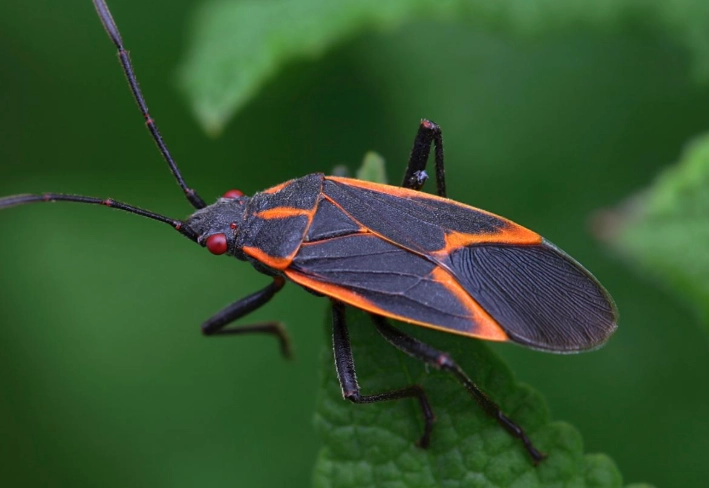
I remember the first time I saw a massive congregation on my garage. I thought some local insect convention had chosen my property as its venue. It was overwhelming. But after years of dealing with them (and learning a lot from trial and error), I can tell you there's a way to manage them that doesn't involve freaking out or wasting money on the wrong products.
What Exactly Are Boxelder Bugs?
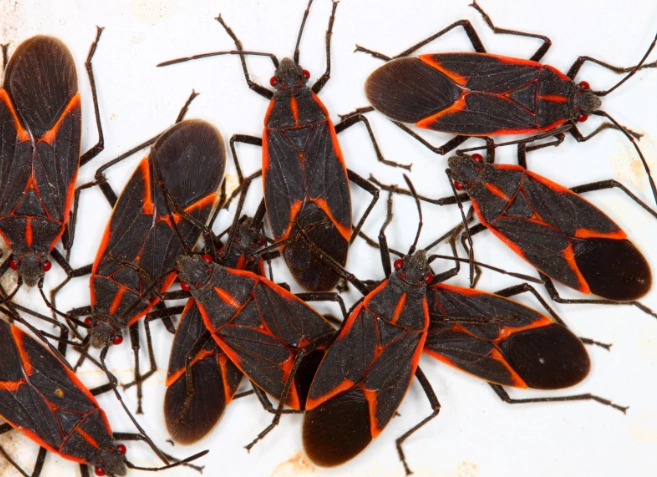
First things first, let's clear up the name. Boxelder bugs (Boisea trivittata) are true bugs, part of the same family as stink bugs. The nickname "box beetles" is a common mix-up, probably because "beetle" is a catch-all term for many insects, and they're always around boxelder trees. But they're not beetles at all. Beetles have chewing mouthparts; these guys have a piercing, straw-like beak they use to suck plant juices.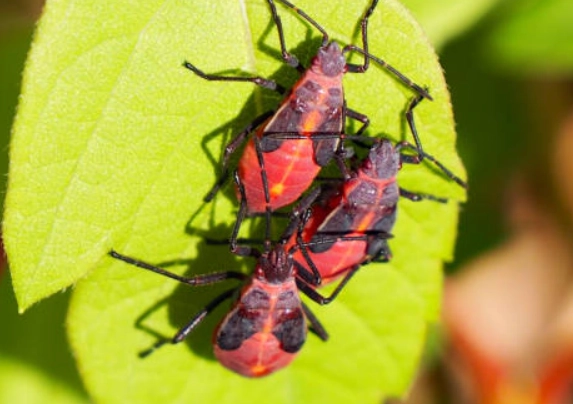
They're about half an inch long as adults. The adults are mostly black with those distinctive red lines running along their back and red edges on their wings. The nymphs (the young ones) are smaller and a brighter, almost entirely red color. They can fly, but they're not exactly ace pilots. You'll often see them clumsily bumping into windows or just walking in long lines.
Lifecycle and Habits: Why They Swarm
Understanding their life cycle is the key to breaking the cycle on your property. They live and breed on female boxelder trees (the ones that produce the helicopter-like seeds), as well as other maples and occasionally ash trees.
Here’s their yearly schedule:
- Spring: Adults emerge from winter hiding spots (more on that later), mate, and lay eggs on the leaves and bark of their host trees.
- Summer: Nymphs hatch and spend the warm months feeding on the seeds, leaves, and tender twigs of the tree. This is when their numbers quietly build up.
- Fall: This is the big show. As temperatures drop, the now-adult bugs start looking for a cozy place to overwinter. They’re attracted to warm, sunny surfaces. So, the south or west-facing side of a white, beige, or light-colored house becomes a giant "Welcome" sign. They don't want to come inside to live in your food (like pantry beetles), they want to get inside your walls, attic, or behind siding to sleep through the winter. That's the invasion you see.
- Winter: They're dormant, hiding in cracks and crevices.
Some years are worse than others. A hot, dry summer followed by a rapid cool-down in autumn seems to create the perfect storm for massive gatherings of boxelder bugs. It's like they all get the memo at the same time.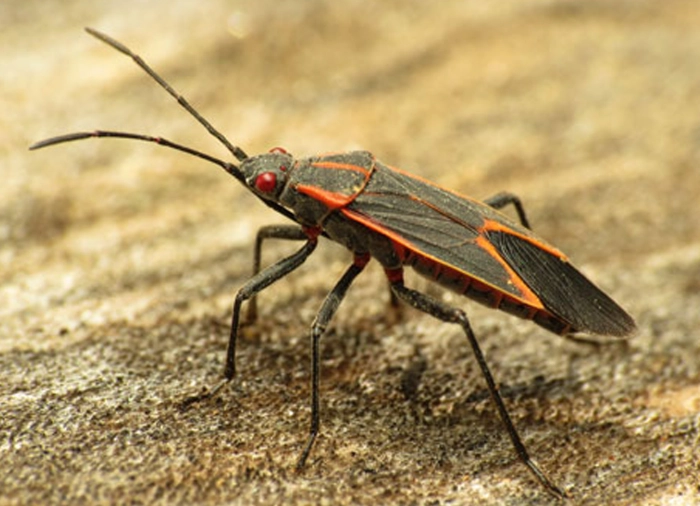
How to Identify a Boxelder Bug Infestation
It's usually pretty obvious. But let's make sure we're talking about the same bug and not a look-alike. You're dealing with a boxelder bug (or "box beetle") infestation if you see:
- Swarms on Sun-Exposed Walls: Dozens to hundreds of bugs clustered on the sunny side of your house, garage, or sheds in September or October.
- Slow-Moving Lines: They often crawl in distinct trails along siding seams or foundation cracks.
- Accidental Indoor Invaders: Finding a few (or many) inside during fall or on warm winter days. They sneak in through tiny gaps around windows, doors, vents, and utility lines.
- Red Stains: This is a big one. When crushed or scared, they can release a reddish-orange liquid that can stain curtains, walls, or upholstery. It's not blood, it's just their… well, let's call it defensive juice. It can also have a slight, unpleasant odor.
The Complete Boxelder Bug Control Plan: From Quick Fix to Long-Term Solution
Okay, let's get to the good stuff. Managing these bugs is a multi-step process. You can't just spray once and be done forever (I wish). Think of it in layers: immediate relief, outdoor prevention, and indoor exclusion.
Step 1: Immediate Action – Getting Rid of the Swarm
You've got bugs on the house right now. Here's what actually works, ranked from easiest to most involved.
The Soapy Water Spray (My Go-To Method): This is brilliantly simple and non-toxic. Mix a generous amount of dish soap (like Dawn) with water in a spray bottle or garden sprayer. Spray it directly on the clustered bugs. The soap breaks down their waxy outer coating and they die quickly. Then just hose them off. It's immediate, cheap, and safe around pets and kids once rinsed. No harsh chemicals needed.
The Vacuum Cleaner Trick: For bugs that have made it inside, your vacuum is your best friend. Use the hose attachment and suck them up. Pro tip: Put a little cornstarch or a cut-up dryer sheet in the vacuum bag/canister to help minimize any odor. Empty the bag/canister outside immediately after.
What About Insecticides? I'm not a huge fan of broad-spectrum sprays for this. A direct spray of soapy water is just as effective on contact. However, a residual insecticide sprayed as a barrier on the foundation and lower siding in late summer (before they swarm) can deter them. Look for products containing lambda-cyhalothrin or bifenthrin, always following the label to the letter. But honestly, sealing up entry points (Step 3) is more effective and longer-lasting than any spray.
Step 2: The Outdoor Game – Make Your Property Less Inviting
This is about tackling the source. If you have boxelder trees, especially female seed-producing ones, on or near your property, that's Ground Zero.
- Tree Management: This is the big one. Consider removing female boxelder trees if they are close to your house. It's the single most effective long-term strategy. If removal isn't an option, regular and thorough raking and disposal of the winged seeds in the fall can remove a major food source. You can consult an arborist about growth regulator injections for the tree, which can prevent seed production, but that's a more technical route.
- Seal Up Their Highway: Trim back tree branches and shrubs so they aren't touching your house. These act like bridges for the bugs to march right onto your siding.
- Mind the Mulch: Keep organic mulch (like wood chips) at least 6-12 inches away from your foundation. It's a great hiding place. Use gravel or stone near the foundation instead.
Step 3: Fortress Home – Sealing Them Out
This is the most important, permanent work you can do. It has the bonus of making your home more energy-efficient and keeping out other pests too. Grab a tube of high-quality silicone or acrylic latex caulk and some expanding foam. On a nice day, walk around your entire house and look for gaps.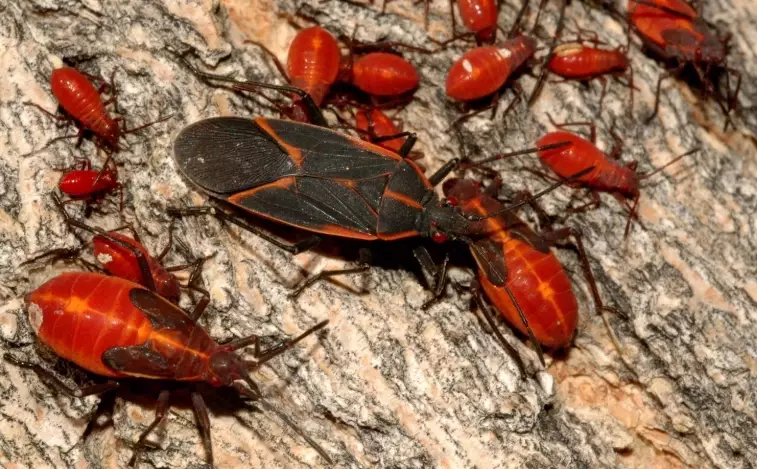
Caulk these spots:
- Around window and door frames
- Where siding meets trim
- Around pipe, wire, and cable penetrations
- Cracks in the foundation or mortar
Use expanding foam for:
- Larger gaps around plumbing under sinks
- Openings where utilities enter the house
- Gaps in attic eaves or soffits (check vents are properly screened!)
Install or repair tight-fitting door sweeps on exterior doors. Make sure your attic and crawl space vents are covered with fine mesh (1/16 inch) screening.
Boxelder Bug Control Method Comparison
Let's break down your options in a quick table to see what fits your situation.
| Method | Best For | Effectiveness | Effort/Cost | Long-Term Value |
|---|---|---|---|---|
| Soapy Water Spray | Immediate swarm removal | High (on contact) | Very Low / $ | Low (needs reapplication) |
| Vacuuming | Indoor stragglers | High (immediate removal) | Low / $ | Low |
| Residual Barrier Spray | Pre-swarm prevention (late summer) | Medium-High (lasts weeks) | Medium / $$ | Medium (seasonal reapplication needed) |
| Sealing Entry Points | Permanent exclusion | Very High | High (labor) / $$ | Very High (lasts years) |
| Tree Removal/Management | Eliminating the source | Highest (population control) | Very High / $$$ | Highest (permanent solution) |
Common Questions About Boxelder Bugs (The "Box Beetles" FAQ)
When to Call a Professional Exterminator
For most people, the DIY methods above will bring the situation under control. But consider calling a pro if:
- The infestation inside your living spaces is massive and recurring, despite your best sealing efforts.
- You live in a multi-unit building where the exterior and landscaping are managed by an HOA or landlord. The problem needs a coordinated, building-wide approach.
- You simply don't have the time, ability, or desire to do the sealing work yourself. A good pest control company can do a thorough exclusion job and apply targeted treatments.
A reputable exterminator won't just spray and leave. They should do an inspection, point out entry points, and offer a plan that includes exclusion. Ask about their approach to boxelder bugs specifically.
Wrapping It Up: Your Action Plan
Look, dealing with "box beetles" or boxelder bugs is mostly about changing the conditions around your home. It's not a war of annihilation; it's about making your house a less attractive winter resort.
Here’s your quick-start checklist:
- Right Now: For swarms, mix dish soap and water in a spray bottle. Spray, wait, rinse.
- This Weekend: Walk around your house with a flashlight and a tube of caulk. Seal every crack and gap you can find, especially up high near the roof line.
- This Season: Trim back vegetation touching the house. Consider the long-term role of any female boxelder trees on your property.
- Next Late Summer (August): Do another quick seal-check. Apply a residual insecticide barrier if you feel it's necessary, but focus on the physical barriers first.
The goal isn't to never see a single boxelder bug again—that's nearly impossible if the trees are around. The goal is to go from a swarming infestation to seeing the occasional lone bug that easily gets dealt with. That's a win.
They're just bugs trying to survive the winter. Our job is just to kindly but firmly tell them to find a hotel somewhere else. With a little focused effort, you can take back your sunny walls and enjoy the fall without the creepy-crawly decorations.
LEAVE A REPLY
Your email address will not be published. Required fields are marked *