Quick Navigation
You're out in the yard, maybe pulling weeds or just enjoying the sun, and you see them. A stream of big red ants, marching with purpose across your patio or, worse, boiling out of a disturbed mound near your foot. That sudden spike of annoyance (and a bit of alarm) is something most homeowners in many regions know all too well. I remember the first time I accidentally stepped on a nest as a kid—let's just say the memory of those stings is still vivid.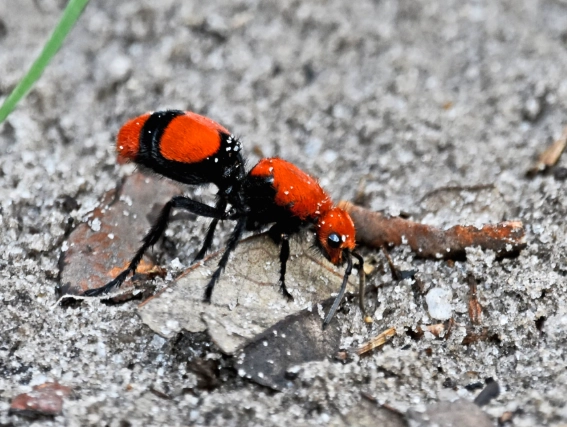
But here's the thing. Not every big red ant is created equal. Calling an ant "big" and "red" is a bit like calling a dog "brown"—it doesn't tell you much about its behavior, whether it's a nuisance or a genuine threat. Your mind probably jumps to fire ants, and for good reason. But is that what you're really dealing with? Misidentifying your six-legged problem can lead to wasted time, money, and ineffective solutions. You might be using a treatment for one type of ant while a completely different colony laughs it off from underground.
The term "big red ants" is most commonly used by people to describe the Red Imported Fire Ant (Solenopsis invicta), but it can also refer to other large, reddish ant species like the Southern Fire Ant or even non-stinging species. Knowing the difference is step one.
This guide is here to cut through the confusion. We're going to walk through exactly how to figure out which big red ants have moved into your neighborhood, why they're a problem (it's not just the stings), and most importantly, what you can actually do about it. I've tried methods that flopped and some that worked surprisingly well, and I'll share that too. Forget generic advice; let's get specific.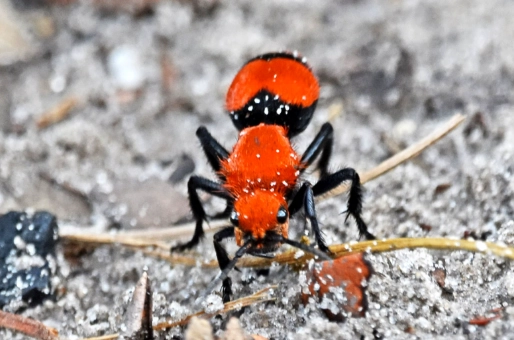
So, What Kind of Big Red Ant Is This Anyway?
You see red ants. Are they the infamous ones? Let's break it down. The most likely culprit, especially if you're in the southern United States, parts of California, or other warm climates around the world, is the Red Imported Fire Ant (RIFA). These guys are the celebrities of the big red ant world, and not in a good way. They're aggressive, they sting painfully, and their mounds can pop up anywhere.
But they have look-alikes. The Southern Fire Ant is a native cousin, also reddish, but generally less aggressive and with smaller colonies. Then you have species like the Thief Ant or the Caribbean Crazy Ant which can sometimes appear reddish, but they're much smaller. The size and the aggression are the big giveaways.
Here’s a quick comparison to help you play detective in your own backyard:
| Ant Species | Color & Size | Mound Appearance | Key Behavior | Sting/Bite? |
|---|---|---|---|---|
| Red Imported Fire Ant | Reddish-brown, workers vary in size (1/8" - 1/4") | Dome-shaped, no central opening, can be very large in sandy soil | Extremely aggressive. Swarm and sting when disturbed. | Painful sting that creates a white pustule. |
| Southern Fire Ant | Red & black, similar size to RIFA | Less structured, often under objects (rocks, logs) | Aggressive, but less so than RIFA. Will sting. | Painful sting, similar to RIFA. |
| California Harvester Ant | Red, large (up to 1/2") | Large, flat crater with a clear central opening, soil finely grained | Not highly aggressive unless nest is severely threatened. | Powerful, painful bite (no sting). |
| Velvety Tree Ant | Reddish-black, medium size | Nests in trees, wood, or wall voids, not soil mounds | Can be aggressive near nest. Forages indoors for sweets. | Can bite and spray formic acid. |
See what I mean? The mound is a huge clue. Fire ants build those classic, soil-dome mounds without a visible hole on top—the workers enter from underground tunnels. If you see a big red ant carrying a seed back to a mound with a obvious hole, it's probably a harvester ant, which is actually a beneficial native species in many areas. You might not want to get rid of those.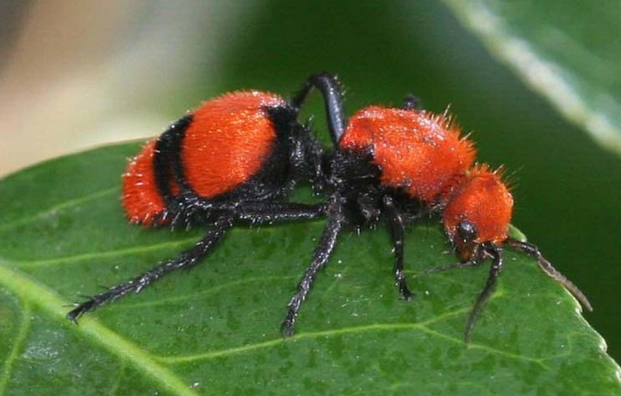
Why does this matter so much? Because control strategies differ. A broadcast bait that works on fire ants might not interest a species that prefers protein over sugars. The University of California Statewide Integrated Pest Management Program has excellent, detailed identification keys and notes that proper ID is the cornerstone of effective management. It's worth taking a minute to really look before you start pouring chemicals.
Why Are These Big Red Ants Such a Problem?
It's not just about a few itchy spots. The issues these ants cause range from personal health to ecological and economic damage. Let's talk about the sting first, since that's the most immediate concern.
The Notorious Sting
Fire ants don't bite to sting. They bite to anchor themselves, then curl their abdomen and inject venom with a stinger. The result is a sharp, burning pain—hence the name "fire" ant. For most people, this develops into an itchy, white pustule in a day or two. Do not pop this pustule. I know it's tempting, but it can lead to a secondary bacterial infection. Just let it heal.
For a small percentage of people, the reaction can be severe. Anaphylaxis is a real risk. Symptoms like excessive swelling, dizziness, difficulty breathing, or nausea after a sting mean you need to seek medical attention immediately. The Centers for Disease Control and Prevention (CDC) lists imported fire ants as a public health concern due to these allergic reactions. It's serious stuff, especially for kids who might not know to avoid the mounds.
First Aid for Fire Ant Stings: Get away from the nest to avoid more stings. Wash the area with soap and water. Apply a cool compress to reduce swelling and pain. Over-the-counter hydrocortisone cream or oral antihistamines can help with itching. Watch for signs of a severe allergic reaction.
Beyond the Sting: Garden and Property Damage
These ants are opportunistic omnivores. They'll damage seedlings, feed on fruits like strawberries and okra, and even attack young or vulnerable animals. I've seen them overwhelm newborn rabbits and birds in nests. Their mounds can smother grass, ruin the look of a lawn, and damage mower blades. In electrical equipment, they can cause shorts and failures by building nests—a costly problem.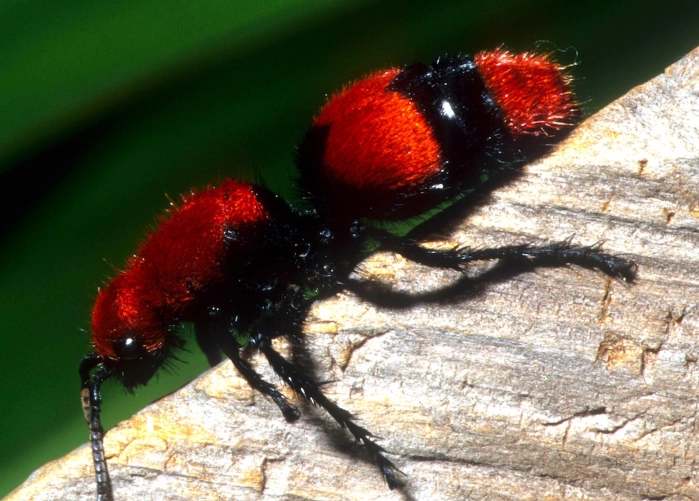
Ecologically, the Red Imported Fire Ant is an invasive bully. It outcompetes and displaces native ants, insects, and even small ground-nesting wildlife. This reduces biodiversity and disrupts local ecosystems. The United States Department of Agriculture (USDA) has extensive resources on their spread and impact, highlighting their status as a major invasive pest.
So it's a pest on multiple fronts. Your battle against big red ants isn't just for your own comfort; in the case of fire ants, you're helping to manage an invasive species.
How to Get Rid of Big Red Ants: A Realistic Strategy
Alright, you've identified them, you understand the why. Now for the how. Let's be clear: complete, permanent eradication from your entire neighborhood is nearly impossible, especially with fire ants. The goal is effective management—reducing their numbers to a level where they're not a threat or a nuisance.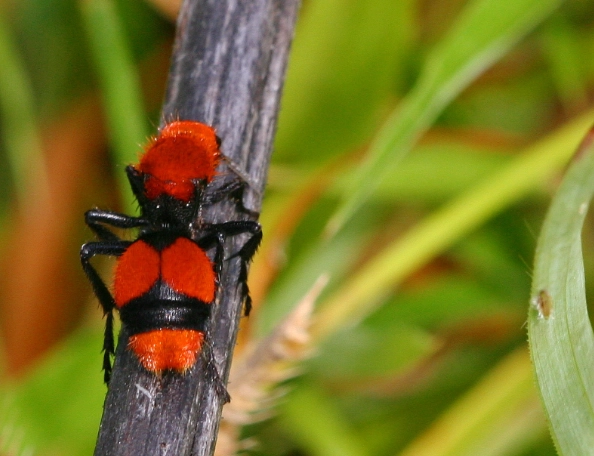
A two-step method is widely considered the most effective by extension services: broadcast baiting followed by direct mound treatment for problem colonies.
Step 1: Broadcast Bait (The Long Game)
Baits are slow-acting but thorough. Worker ants pick up the bait (which is usually a grain coated with insect growth regulator or slow-acting poison) and take it back to the colony, where it's fed to the queen and larvae. This kills the colony at its source. The key is to use fresh bait and apply it when ants are actively foraging—typically in the late afternoon or evening on a dry day. Don't apply it if rain is expected within 24 hours.
Baits like Amdro or Extinguish Plus are common for fire ants. You use a hand-held spreader for your yard. This won't give you instant gratification, but over several weeks, you should see a significant drop in active mounds. It's a preventative foundation.
Step 2: Individual Mound Treatment (The Quick Strike)
For mounds that are in high-traffic areas, near the house, or just need to be dealt with now, you need a direct treatment. Here are your main options, with my thoughts on each:
- Drench Insecticides (Liquid Concentrates): You mix a product like bifenthrin or permethrin with water and pour it directly onto the mound, following the label's gallonage instructions. This soaks through the tunnels and kills ants on contact. It's effective if done thoroughly. The downside? You have to find and treat every single mound.
- Dust Insecticides: Dusts like diatomaceous earth (a natural option) or insecticidal dusts can be puffed into the mound entrance. They work by desiccating or poisoning the ants. Good for hard-to-reach places, but can be messy.
- Granular Insecticides: Some granules are labeled for individual mound treatment. You sprinkle them on and around the mound, and then water them in. They're easier to apply than liquids but can take a bit longer to work.
Pro Tip: The best time to treat an individual mound is in the cooler parts of the day—early morning or late afternoon. More of the colony, including the queen, will be closer to the surface. And always, always read and follow the product label. It's the law, and it's there for safety and effectiveness.
What about home remedies? Boiling water, vinegar, baking soda concoctions? I've tried the boiling water method. It works on small, young mounds if you use a lot of water (think a large pot). But it kills the grass, scalds you if you're not careful, and often fails to reach the deep queen in established colonies. It's a temporary fix at best. For a serious infestation, commercial products are simply more reliable.
Prevention: Keeping the Big Red Ants From Coming Back
Killing existing colonies is one thing. Keeping new ones from moving into the prime real estate that is your yard is another. Think of it as making your property less appealing.
- Eliminate Food Sources: Keep pet food bowls clean and picked up. Store trash in sealed containers. Clean up spills and food debris from outdoor eating areas quickly.
- Reduce Moisture: Fix leaky faucets and irrigation lines. Improve drainage in areas that stay wet. Fire ants love moisture.
- Landscape Smartly: Keep mulch, pine straw, and thick ground cover several inches away from your home's foundation. This removes highway bridges for ants. Regularly turn over compost piles.
- Create a Barrier: Applying a granular or liquid insecticide as a barrier around the perimeter of your home, patios, and other key areas can provide several months of protection. Products containing bifenthrin are often used for this.
Consistency is key. An annual or semi-annual broadcast bait application in the spring and fall, combined with spot-treating nuisance mounds and good yard hygiene, is the most sustainable approach to managing big red ants.
Common Questions About Big Red Ants (Answered)
Are big red ants and fire ants the same thing?
Usually, yes, when people say "big red ants," they mean Red Imported Fire Ants. But not all reddish ants are fire ants, as we saw in the table. It's important to confirm based on behavior and mound structure.
What attracts big red ants to my yard?
Food, water, and shelter. They're attracted to protein and greasy scraps, sugary substances, moist soil for nesting, and undisturbed areas like garden edges, under pavement, or in open sunny spots in your lawn.
Can big red ants damage my house?
Unlike termites or carpenter ants, fire ants don't eat wood. However, they can occasionally nest in wall voids if they find an entry point, especially if there's a moisture issue. Their main structural threat is to electrical equipment, where they can cause short circuits.
Are there any natural predators of big red ants?
Some native ants compete with them. A few species of phorid flies are parasitic on fire ants and are being studied and released as biocontrol agents. In your yard, though, predators like birds or armadillos might dig into mounds but rarely control a population effectively.
When should I call a professional for big red ants?
Consider calling a licensed pest control professional if: the infestation is widespread and overwhelming; mounds are near sensitive areas like a child's play area or an electrical unit; you or a family member has a severe allergy to stings; or your own repeated efforts haven't worked. They have access to stronger products and expertise.
Look, dealing with these big red ants is frustrating. I get it. You spend time and money making your yard nice, and then these aggressive little insects set up shop. The key is to stop thinking of it as a one-time "spray and pray" event. It's more like ongoing yard management. Start with a positive ID—are they really the notorious fire ants? Then build your defense with a smart baiting program, knock back the visible mounds with direct treatments, and make your yard less inviting for the next colony looking for a home.
The resources from places like the Texas A&M AgriLife Extension Service, which is on the front lines of fire ant research, are invaluable for the latest, science-backed advice. Use them. With a consistent approach, you can reclaim your outdoor space from these unwelcome guests. It might not be a forever war, but winning the major battles is definitely within reach.
LEAVE A REPLY
Your email address will not be published. Required fields are marked *