Quick Navigation
I remember the first time I saw one clearly. It was late at night in a basement apartment, and something long, fast, and with way too many legs darted across the floor from under the couch. My heart jumped. My first thought wasn't "centipede" – it was "what on earth IS that?" It looked alien, a bit menacing, and nothing like the cute, slow millipedes I'd seen in the garden. That moment of confusion is probably what brings you here. You've seen something scuttle, and you need to know: is it a centipede? What does a centipede look like, really, when you stop screaming and start looking?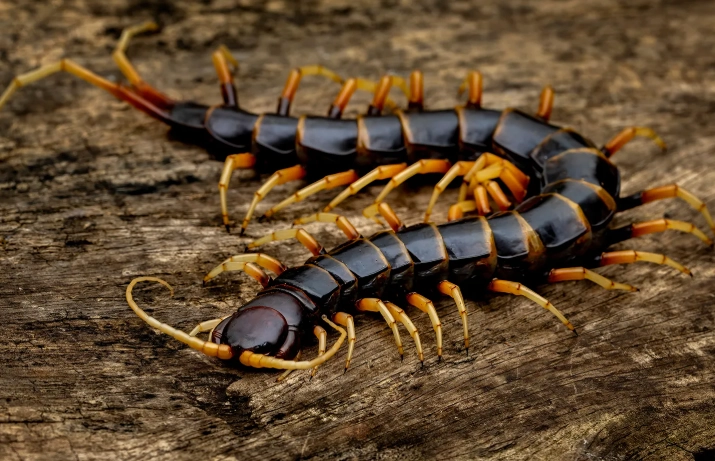
Let's clear that up right away. If you saw a long, flattened, worm-like creature with a single pair of legs on each body segment, moving with unnerving speed, you likely met a centipede. But there's so much more to their appearance than that quick description. Their look is a masterclass in evolutionary design for hunting, and it changes quite a bit depending on the species. The tiny one in your bathroom is a different beast from the giant in a tropical forest.
But if you want to truly become an expert at identifying them, to never confuse them with a millipede or a silverfish again, we need to dive deeper. We'll break down their anatomy piece by piece, look at the most common species you might encounter (especially in your home), and tackle all those nagging questions. By the end, you'll know exactly what you're looking at.
The Anatomy of a Centipede: A Segment-by-Segment Breakdown
Forget just counting legs (though we'll get to that infamous question). To understand what a centipede looks like, you need to understand its build. They're arthropods, cousins to insects and spiders, and their body plan is all about efficiency.
The Head: Sensory Central
This is where the business starts. A centipede's head is usually flattened and hard. The most prominent features are the long, thread-like antennae. I'm talking really long – often as long as or longer than the body in some species. They're constantly moving, tapping and sensing the environment for vibrations and chemical cues. If you see those waving feelers, you're definitely looking at a centipede or a close relative.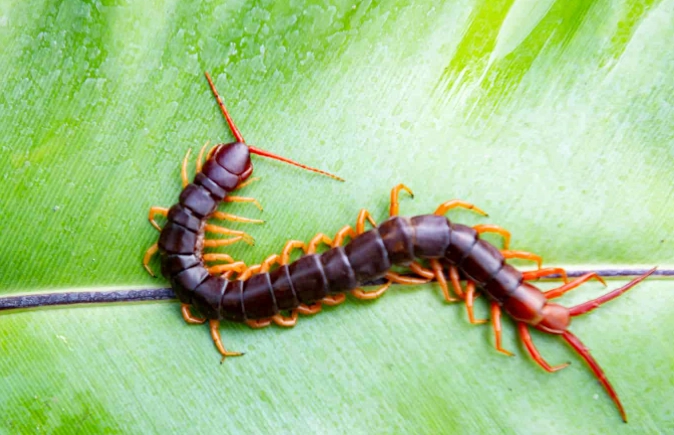
Their eyes are simple, just little clusters called ocelli. They can detect light and shadow, but they're not making out your face. They rely on those antennae. Now, here's the part that defines them as predators: the forcipules. Don't let the fancy name fool you. These are modified front legs that act like venom-injecting fangs or pincers. They're tucked under the head, and they're what they use to grab and paralyze their prey. It's this feature that makes them distinctly different from harmless millipedes.
The Trunk (Body Segments): Where the Legs Come In
This is the main event. The body is elongated and made up of numerous segments (somites). Each segment, after the head, typically has one pair of legs. This is the golden rule for telling a centipede from a millipede. Millipedes have two pairs per segment, making them look more "rounded" and crowded underneath.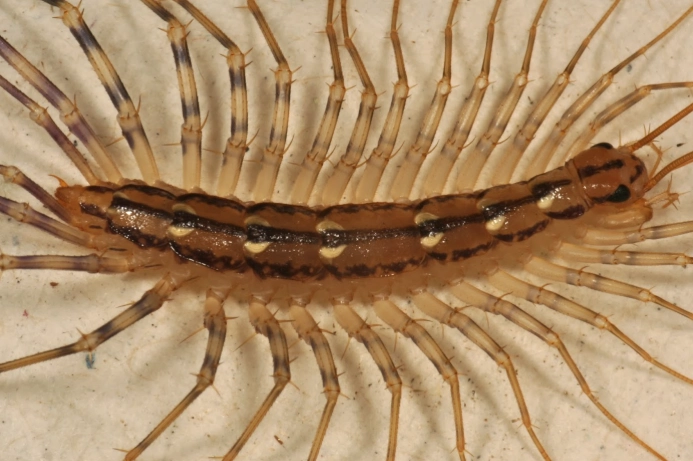
The legs get progressively longer towards the middle of the body and then shorten again near the rear. This gives them a sort of arched, streamlined profile, perfect for speeding through leaf litter or under baseboards. The body itself is dorsoventrally flattened – that's science-speak for "flat from top to bottom." This lets them squeeze into incredibly tight cracks, under rocks, and behind wallpaper.
You might be wondering, "Okay, but what does a centipede look like in terms of color?" Great question. It varies wildly. Common colors include: Yellowish-brown Reddish-brown Dark brown/black Striped (often yellow and black) Many have darker stripes or mottling along the length of their body, which provides camouflage.
The Tail End: More Than Just an Ending
The last few segments are legless or have legs that are modified. The very end often has a pair of longer, sensory appendages that look like tail-like legs. These help them sense what's behind them. There's no stinger back here – the business end is up front.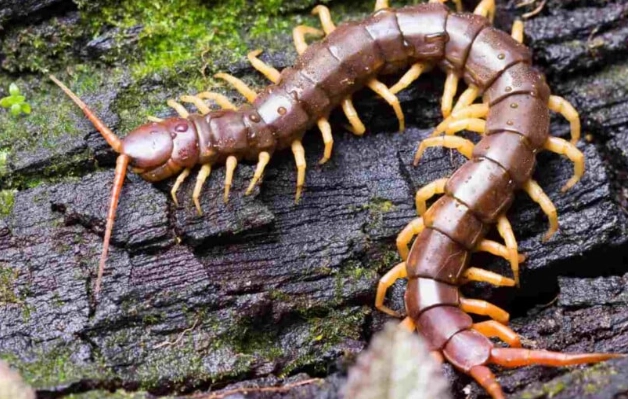
Key Takeaway: When trying to figure out what a centipede looks like, focus on the head (long antennae), the flat body with one pair of legs per visible segment, and that characteristically fast, fluid movement. Slowness usually means you're looking at something else.
Meet the Neighbors: Common Centipede Species and What They Look Like
Not all centipedes are created equal. The one in your garden might be a different species from the one in your basement. Knowing the common players helps immensely with identification.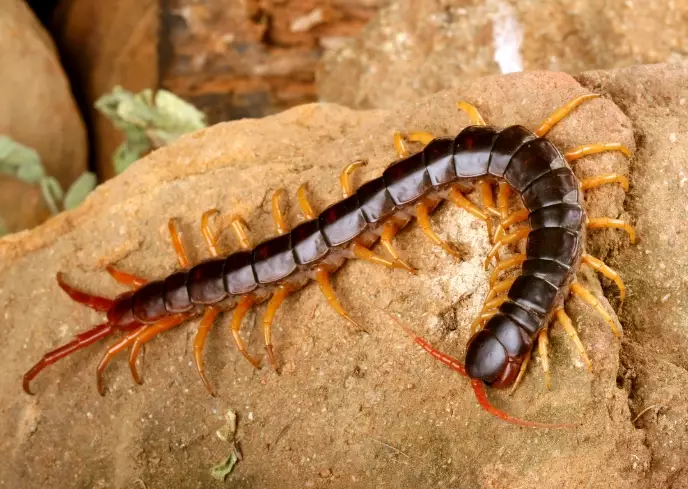
| Species Name (Common) | Typical Size | Color & Markings | Where You'll Find It | Key Visual Identifier |
|---|---|---|---|---|
| House Centipede (Scutigera coleoptrata) | 1-1.5 inches (body), legs make it appear 3-4 inches | Yellowish-grey with three dark dorsal stripes. Long, banded legs. | Indoors: basements, bathrooms, kitchens. Damp areas. | Extremely long, thread-like legs. Moves blindingly fast. Looks almost like a wispy spider. |
| Stone Centipede (Lithobiomorpha order) | 0.5-1.5 inches | Brown or reddish-brown, often solid-colored. | Outdoors under stones, logs, leaf litter. Occasionally wanders inside. | Stout body, 15 pairs of legs. Shorter legs than the house centipede. |
| Soil Centipede (Geophilomorpha order) | 1-3 inches (some longer) | Pale yellow to dark brown. | In soil, under debris. Rarely seen unless digging. | Very long, slender, worm-like body. Can have over 100 leg pairs. Moves slowly. |
| Bark Centipede (Scolopocryptops species) | 2-3 inches | Dark reddish-brown to black. | Under bark of dead trees, in rotting wood. | Robust, shiny body. Antennae with 17+ segments. |
| Giant Desert Centipede (Scolopendra heros) | 6-8 inches (up to 10!) | Black head, red/orange body, yellow legs. Striking. | Southwestern U.S., under rocks in arid areas. | Massive size. Aposematic (warning) coloration. Impossible to miss. |
Let's talk about the one you're most likely to meet indoors: the House Centipede. Honestly, this is the one that freaks people out the most, and I get it. Its appearance is bizarre. The body is small, but the legs are ridiculously long and delicate-looking. When it runs, it's a blur. This is a perfect example of why asking "what does a centipede look like" needs context. A house centipede looks more like a animated dust bunny with legs than the classic "worm with legs" image.
A Personal Gripe: I find the giant tropical centipedes fascinating in photos, but also deeply unsettling. They look like something from a prehistoric era. The size, the powerful forcipules... it's impressive, but I'm perfectly happy not having one in my shower.
On the other hand, the little brown stone centipedes you find under a garden pot are much less dramatic. They're tougher, with shorter legs, and they curl up when disturbed. They give you a much better look at that classic one-pair-per-segment layout.
Centipede vs. Millipede: The Ultimate Look-Alike Showdown
This is the most common point of confusion. People see a many-legged crawler and use the words interchangeably. But once you know what to look for, telling them apart is simple. It's all about lifestyle and build.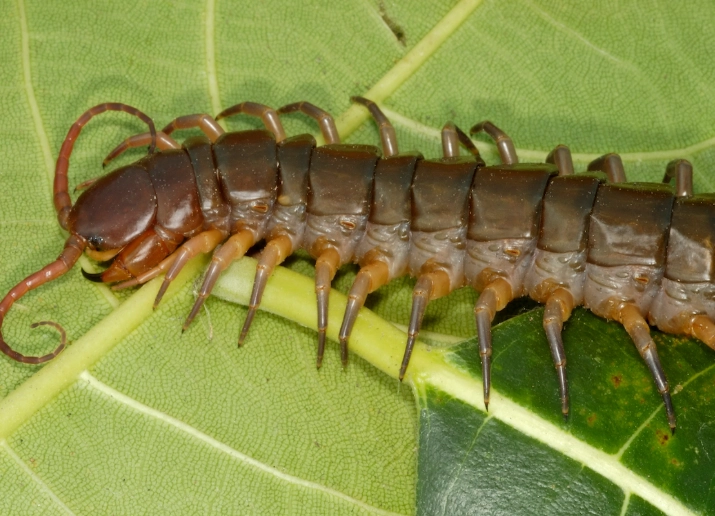
Think of it this way: Centipedes are the cheetahs – fast, flat, predatory. Millipedes are the armadillos – slow, rounded, defensive, and eating decaying stuff.
| Feature | Centipede | Millipede |
|---|---|---|
| Legs per Body Segment | One pair. Easy to see the spacing. | Two pairs. Legs appear crowded, often hard to see individually. |
| Body Shape | Flattened top-to-bottom (like a skimmer). | Rounded or cylindrical (like a tube). |
| Movement | Fast and agile. Runs for cover. | Slow and deliberate. Often curls up. |
| Antennae | Long and thread-like. | Short and club-like. |
| Diet | Carnivorous (insects, spiders). Has venomous forcipules. | Detritivorous (decaying leaves, wood). No venom. |
| Defense | Bites (rarely, if provoked). Runs away. | Curling into a ball. May secrete smelly/irritating chemicals. |
So, if you see a slow, round, many-legged thing that curls into a spiral when you poke it, you've got a millipede. A fast, flat one that vanishes in a heartbeat? That's answering the question of what a centipede looks like in action.
Your Questions Answered: The Centipede FAQ
- Reduce moisture. Fix leaks, use dehumidifiers in basements.
- Seal cracks and gaps in foundations, around windows, and doors.
- Clear clutter (boxes, papers) from floors, especially in storage areas.
- Keep outdoor areas tidy—move leaf piles, wood, and debris away from the house.
Beyond the Basics: Cool Features and Weird Facts
Once you get past the initial "ick" factor, centipedes are marvels. Some can live for several years, which is long for an arthropod. Certain soil centipedes are bioluminescent! They glow in the dark, possibly to deter predators. And their speed? It's not just for show. Studies of their locomotion help engineers design better multi-legged robots. Organizations like the Royal Entomological Society have great overviews of their biology.
Their legs are also fascinating. If a centipede loses a leg, it can often regenerate a new, slightly smaller one during its next molt. The legs on the rear segments are sometimes modified into sensory organs or used in mating rituals.
What to Do If You Find One
My advice? Unless it's one of the large, potentially painful species, consider leaving it be, especially if it's a house centipede. It's working for you. If you must remove it, don't squash it (it can be messy). Use a cup and a piece of paper to trap it and release it outside, away from your home. Insecticides are usually overkill for a solitary hunter.
So, the next time something many-legged zips into the shadows, you won't just freeze. You'll know. You'll recognize the flat body, the single pairs of legs, the long antennae. You'll understand its mission. You'll be able to confidently say, "Ah, I know what a centipede looks like." And maybe, just maybe, you'll feel a little less fear and a little more curiosity about this ancient, efficient, and ultimately helpful predator sharing our spaces.
The appearance of a centipede, from its venom-injecting forcipules to its oddly specific leg count, is a direct map to its life as a hunter. It's not a bug to be squished in ignorance, but a complex creature built for speed and survival. Now you have the visual guide to see it for what it truly is.
LEAVE A REPLY
Your email address will not be published. Required fields are marked *