What You’ll Find Inside
- What Exactly Is a Dog Tick? It's Not Just One Bug
- The Step-by-Step Guide to Safe Dog Tick Removal (No Panic Needed)
- Beyond the Tweezers: Prevention is the Real Game Changer
- The Scary Part: Diseases Dog Ticks Can Carry
- Your Yard and Home: Creating a Tick-Unfriendly Zone
- Answers to the Questions You're Probably Searching For
Let's be honest. Finding a tick on your dog is one of those moments that just feels... violating. There's this tiny, eight-legged hitchhiker, embedded in your best friend's skin, and your brain immediately goes into panic mode. What is it? Is it dangerous? How do I get it off without making things worse? I remember the first time I found one on my old Labrador, Sam. I freaked out, tried to pull it with my fingers, and let's just say it didn't end well for anyone involved. The head got stuck, Sam was miserable, and I felt like a terrible pet owner.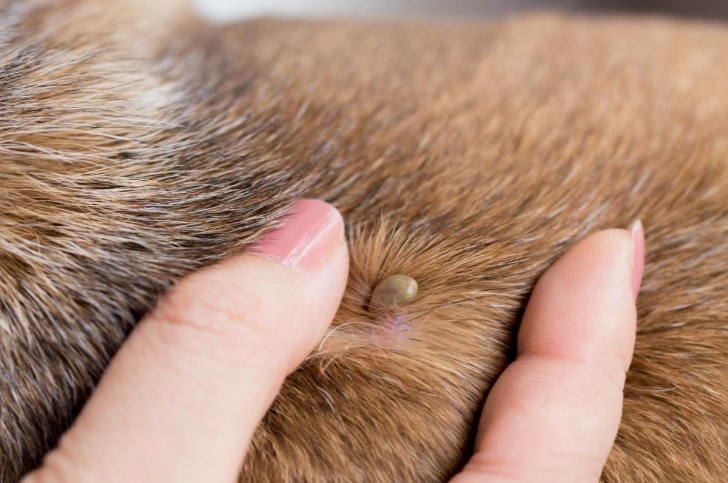
That experience taught me a hard lesson. Dealing with a dog tick isn't about brute force; it's about knowledge and a calm hand. Since then, I've spent way too much time researching these parasites, talking to vets, and figuring out what actually works. This guide is everything I wish I'd known back then. We're going to move past the generic advice and dive into the gritty details of identification, safe removal, real-world prevention, and the diseases you absolutely need to watch for. Because let's face it, a little knowledge is the best defense against these creepy crawlies.
What Exactly Is a Dog Tick? It's Not Just One Bug
First things first, "dog tick" is a bit of a misleading name. It's not a single species. It's a category that includes several types of ticks that commonly—and annoyingly—find dogs to be a perfect host. The two you're most likely to encounter in many parts of the world are the American Dog Tick and the Brown Dog Tick. They're different, and knowing which one you're dealing with can actually matter.
The American Dog Tick is the outdoor enthusiast. It loves grassy fields, wooded paths, and trails—basically, all the places you love to take your dog for a walk. It's a bigger tick, and the females have that distinctive silvery shield on their backs. This is the one most people picture. The Brown Dog Tick, on the other hand, is the indoor pest. And I mean that literally. It's the only tick that can complete its entire life cycle indoors. If you have a serious infestation, you might find them in cracks in the walls, behind baseboards, or even on your curtains. Terrifying, right? They're a uniform reddish-brown color and are a bit smaller.
There are others, of course. In certain regions, the Blacklegged Tick (often called the deer tick) is a major concern, primarily because it's the primary carrier of Lyme disease. But for the core issue of a standard "dog tick" problem, the American and Brown varieties are your usual suspects.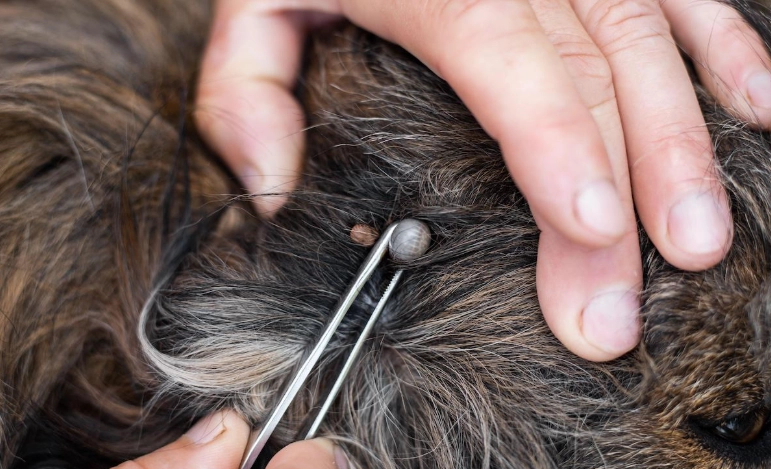
The Step-by-Step Guide to Safe Dog Tick Removal (No Panic Needed)
This is where most people mess up. The internet is full of bad advice: burn it with a match, smother it with Vaseline, twist it like you're starting a lawnmower. Please, for the love of your dog, don't do any of that. Those methods can stress the tick, causing it to regurgitate its stomach contents (and any diseases it's carrying) right into your dog's bloodstream. Not good.
Here's the only method you should ever use. It's boring, it's simple, and it works.
- Gather Your Tools. Fine-tipped tweezers or a dedicated tick removal tool (like a tick key or a tick tornado) are essential. Have a small container with a lid (like a pill bottle) and some rubbing alcohol ready. Oh, and treats for your dog. Lots of treats.
- Stay Calm and Position Yourself. Get your dog comfortable. Have someone help hold them if needed. Part the fur to get a clear view of the tick and where it's attached.
- The Grip is Everything. Using your tweezers or tool, grasp the tick as close to your dog's skin as possible. You want to grab the head/mouthparts, not the swollen body. Squeezing the body is what causes the bad stuff to get pushed back in.
- Pull Straight Out. Apply steady, even, upward pressure. Don't jerk, twist, or yank. Just pull straight back. It might take a little force—the tick's mouthparts are like a barbed hook. It should come out cleanly.
- Dispose and Disinfect. Drop the vile thing into your container with alcohol to kill it. Then, clean the bite area on your dog with soap and water or a pet-safe antiseptic. Wash your own hands thoroughly.
After you remove the tick, save it. I know it sounds gross, but stick it in a ziplock bag with a damp cotton ball and label it with the date. If your dog gets sick in the next few weeks, having the actual tick can help your vet identify potential diseases much faster.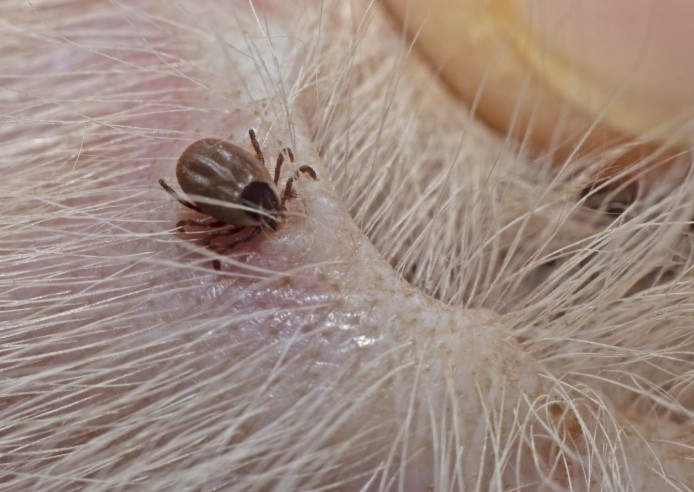
Beyond the Tweezers: Prevention is the Real Game Changer
Removing a tick is reactive. Prevention is proactive, and it's where you win the war. The market is flooded with options, and honestly, some are better than others. It can feel overwhelming. Based on my experience and vet conversations, here’s a breakdown of the main categories.
Topical Spot-On Treatments
These are the liquids you apply between your dog's shoulder blades once a month. Brands like Frontline Plus (fipronil & (S)-methoprene) and K9 Advantix II (imidacloprid & permethrin) are classics. They work by spreading over your dog's skin and oil glands, killing ticks on contact or shortly after they attach.
The good: Generally effective, widely available. Some, like K9 Advantix II, also repel ticks, which is a huge bonus because it prevents attachment in the first place.
The not-so-good: They can feel greasy, you can't bathe your dog right before or after application, and they only protect for a month. Also, some dogs have skin reactions. Sam's skin would get a little red at the application spot sometimes.
Oral Chewables
This is the newer generation of prevention. Products like NexGard (afoxolaner), Bravecto (fluralaner), and Simparica (sarolaner) are flavored chews your dog eats. The medication gets into their bloodstream, and when a tick bites, it ingests the drug and dies.
The good: Incredibly convenient. No mess, no bathing restrictions. Bravecto lasts for 12 weeks against some ticks, which is fantastic for forgetful people like me. They tend to be very effective at killing ticks quickly.
The not-so-good: They don't repel. The tick has to bite and take a blood meal to be killed. For diseases like Lyme, where transmission can happen quickly, this "kill-on-bite" speed is critical. There's also been online chatter about potential side effects for some dogs, though my vet has always emphasized that for the vast majority, the benefits far outweigh the risks. It's a personal decision you should make with your vet, considering your dog's health history.
Collars, Sprays, and Shampoos
Seresto collars (flumethrin & imidacloprid) are a popular long-term option, offering up to 8 months of protection through a slow-release mechanism. They both repel and kill ticks. I've known people who swear by them, especially for dogs that swim a lot where topicals wash off.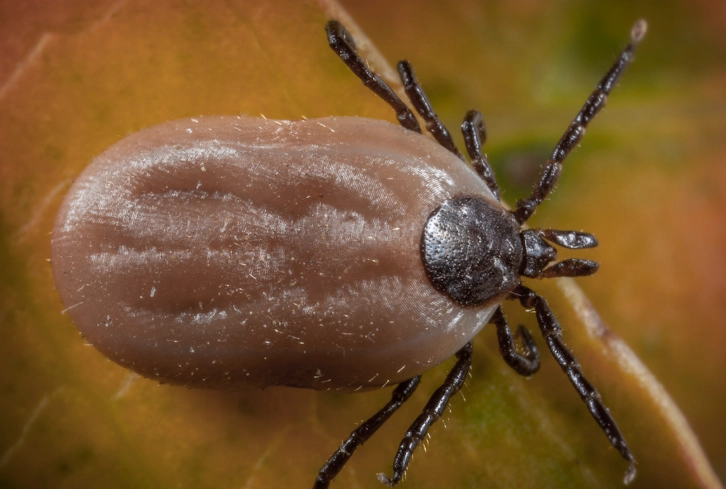
Sprays and shampoos are more for immediate, short-term protection. They're great for a pre-hike spray down, but I wouldn't rely on them as a sole, year-round strategy. The efficacy wears off too quickly.
The Scary Part: Diseases Dog Ticks Can Carry
This is why we go through all this trouble. A dog tick bite isn't just an itchy nuisance; it's a potential disease vector. The most common and significant ones are:
| Disease | Primary Tick Carrier | Key Symptoms in Dogs | Notes |
|---|---|---|---|
| Lyme Disease | Blacklegged Tick (Deer Tick) | Limping/lameness (shifting legs), fever, lethargy, loss of appetite. Can lead to kidney damage. | Not all ticks carry it. Transmission usually requires the tick to be attached for 24-48 hours. The CDC provides extensive resources on Lyme disease. |
| Rocky Mountain Spotted Fever (RMSF) | American Dog Tick, Others | Fever, stiffness, neurological signs (unsteady walk), bruising/petechiae (red spots) on gums/eyes. | Can be severe and progress rapidly. Requires prompt antibiotic treatment. |
| Ehrlichiosis | Brown Dog Tick, Lone Star Tick | Fever, lethargy, loss of appetite, bruising/bleeding disorders, eye inflammation. | Has acute, sub-clinical, and chronic phases. Can be very serious if it reaches the chronic stage. |
| Anaplasmosis | Blacklegged Tick, Brown Dog Tick | Similar to Lyme: lameness, joint pain, fever, lethargy. Also can cause low platelets, leading to bleeding. | Often occurs as a co-infection with Lyme disease. |
The tricky thing with these diseases is that symptoms can be vague—just a dog feeling "off"—and they might not appear for weeks or even months after the tick bite. That's why vigilance is key. If your dog has had a known tick attachment and later develops unexplained lameness, fever, or seems unusually tired, mention the tick bite to your vet. It could be the crucial clue.
Diagnosis usually involves blood tests. Treatment is typically a course of antibiotics, like doxycycline. The good news is that when caught early, most dogs respond very well to treatment. The American Veterinary Medical Association (AVMA) has great overviews of these tick-borne illnesses.
Your Yard and Home: Creating a Tick-Unfriendly Zone
You can protect your dog directly, but why not also make your property less inviting to ticks? It's a two-pronged approach.
- Landscaping Matters: Keep your grass mowed short. Ticks love tall grass and leaf litter. Create a 3-foot wide barrier of wood chips or gravel between your lawn and any wooded areas. This creates a dry, exposed zone ticks hate to cross.
- Sunlight is Your Friend: Trim bushes and trees to let in more sunlight. Ticks thrive in moist, shady environments.
- Discourage Wildlife: Use fences to keep out deer, raccoons, and rodents, which are all taxi services for ticks. Keep trash cans securely sealed.
- For Serious Infestations (Brown Dog Ticks): This is a job for a professional pest control company. They can treat the perimeter of your home and, if necessary, safe interior areas to break the life cycle. Regular vacuuming and washing your dog's bedding in hot water also helps.
Think of it as making your property a hostile environment for ticks. Every little bit helps reduce the number your dog is exposed to.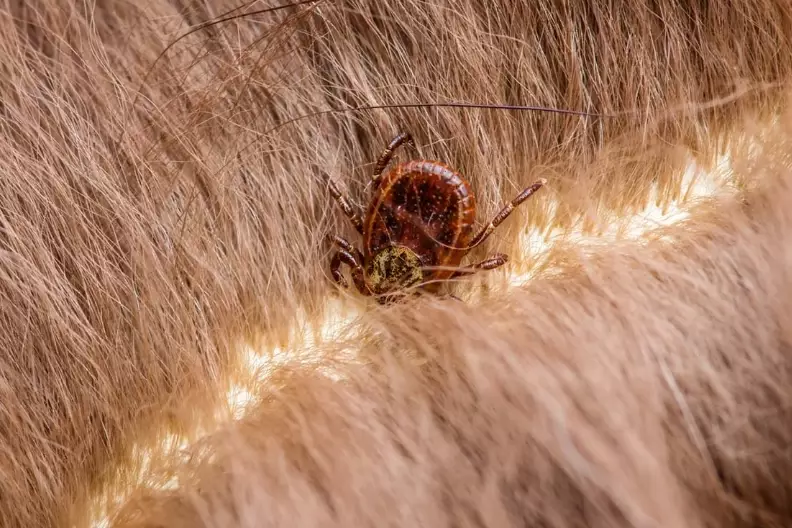
Answers to the Questions You're Probably Searching For
Let's tackle some of the specific things people type into Google when they're worried.
Can a dog tick bite or attach to a human?
Absolutely. While they prefer their canine hosts, an American Dog Tick or Brown Dog Tick will happily bite a human if given the chance. The same removal and disease precautions apply. Check yourself after being in tick habitats.
How long can a tick live on a dog?
If left undisturbed, a female tick will feed for about 7-10 days until fully engorged (gross, I know), then drop off to lay eggs. Males may attach for shorter periods. The point is, they're in no hurry if you don't intervene.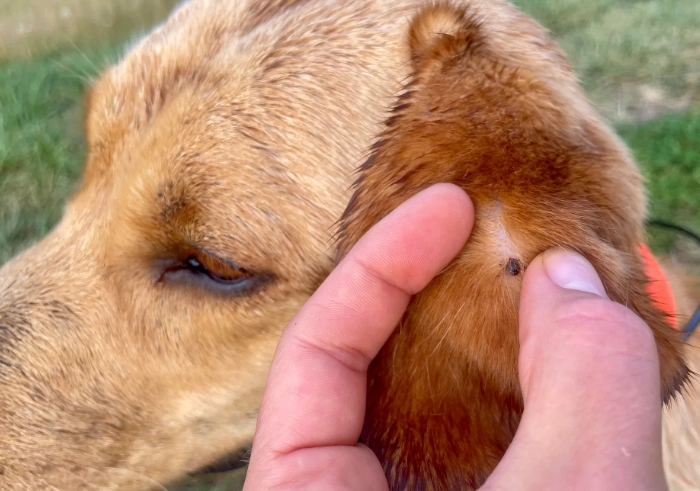
What does an embedded tick look like on a dog?
Early on, it looks like a small, dark brown or black speck, like a seed or a piece of dirt. As it feeds, its body (the idiosoma) swells dramatically and turns a grayish or tan color, while the head and legs remain small and dark at the skin's surface. An engorged tick can look like a smooth, gray bean.
Are tick collars safe for dogs?
EPA-registered tick collars, like Seresto, are generally considered safe when used according to the label instructions. However, as with any pesticide product, monitor your dog for any signs of a reaction (redness around the neck, excessive itching, hair loss). Fit it properly—you should be able to fit two fingers between the collar and your dog's neck. The American Kennel Club discusses the pros and cons of tick collars in a balanced way.
My dog ate a tick! Is that bad?
This happens more often than you'd think, usually from grooming. In most cases, a single tick being eaten is not a major concern. The stomach acid will kill it. The risk of disease transmission via ingestion is considered very low. Just keep an eye on your dog for any gastrointestinal upset.
Don't let fear of dog ticks paralyze you or keep you from enjoying the outdoors with your pup. It's a manageable problem. Arm yourself with the right tools (good tweezers, effective prevention), make a habit of doing thorough tick checks after every walk (run your hands over their whole body, feel for bumps), and know the symptoms of tick-borne diseases. It becomes just another part of responsible pet ownership, like brushing their teeth or trimming their nails. Well, maybe a slightly more disgusting part.
Be vigilant, be consistent, and you'll drastically cut the risks. Your furry friend is counting on you.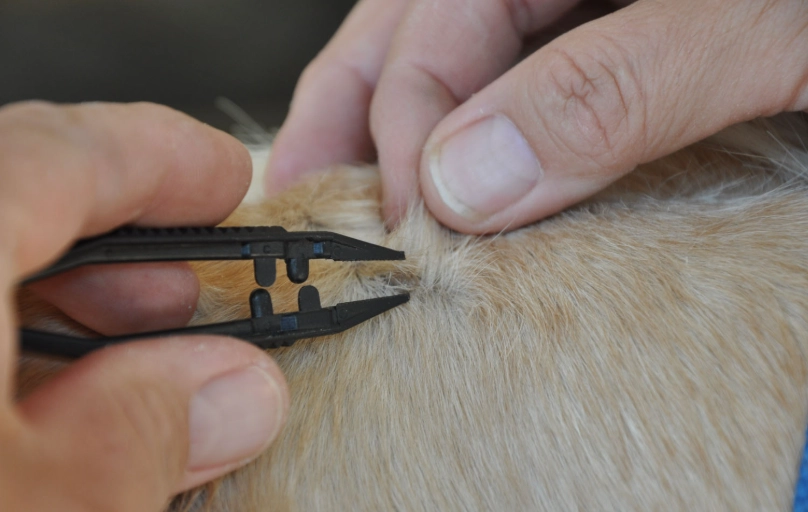
LEAVE A REPLY
Your email address will not be published. Required fields are marked *