Quick Navigation
You're out in the yard, maybe pulling some weeds or just enjoying the morning, and you see it. A messy-looking, sheet-like web hugging the grass, with a distinct funnel leading down into the thick thatch or a crack in the soil. It's empty now, but you just know something is lurking in that silken tunnel. Chances are, you've met the resident grass spider.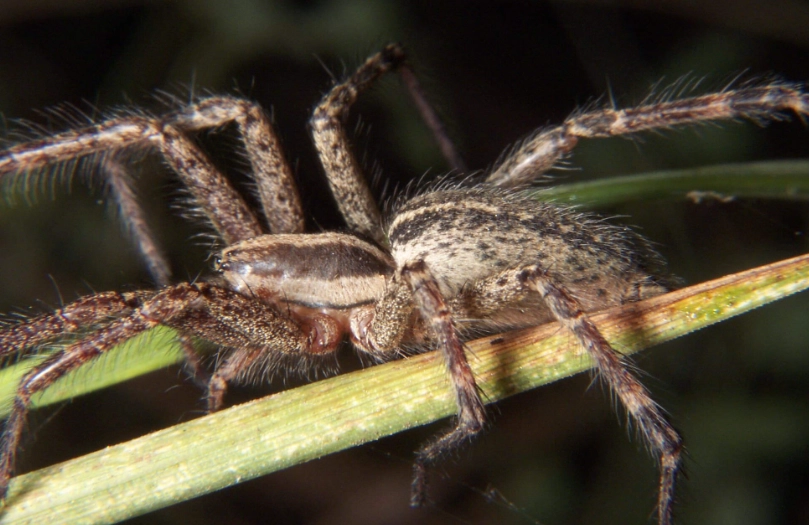
These guys are everywhere in North America, but they're masters of staying out of the spotlight. I remember the first time I really noticed one. I was kneeling down to look at a plant, and a small, leggy blur shot from the grass funnel and vanished before I could even react. It was more startling than scary, and it made me curious. What exactly was this speedy architect living in my lawn?
Quick Take: If you're short on time, here's the core info. Grass spiders (scientists call them Agelenopsis) are common, harmless funnel-weaving spiders. They build those classic sheet webs with a retreat funnel. They're timid, great at pest control, and their venom is not medically significant to humans. You can almost always just leave them be.
But if you're like me, that quick answer isn't enough. You want to know how to tell it apart from scarier-looking spiders, what that web is really for, and what happens if, against all odds, one actually bites you. You might be wondering if they should be welcomed in the garden or gently discouraged. Let's get into all of that.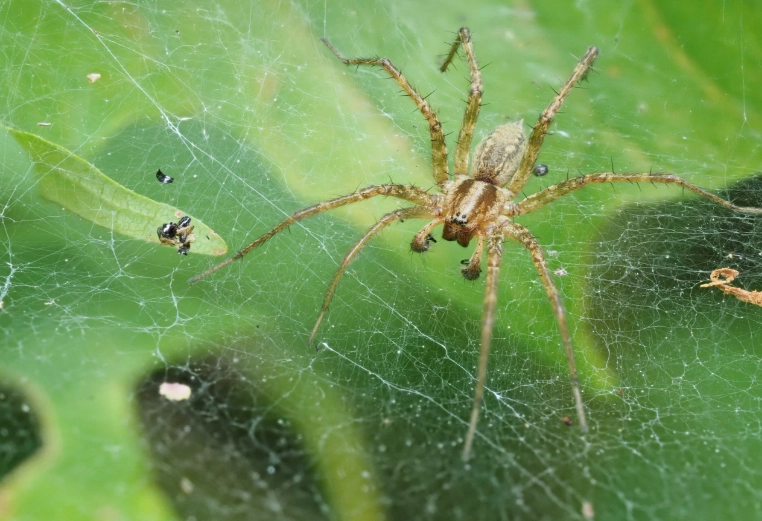
Meet the Grass Spider: More Than Just a Lawn Ornament
First things first, let's get a good mental picture. A typical grass spider is, well, kind of brown and beige. Not the most flashy creature. They have elongated bodies with a distinctly patterned cephalothorax (that's the front, fused head-and-chest part) that often has two darker stripes running lengthwise. Their abdomen usually has a lighter, sometimes chevron-like pattern running down the center.
The real giveaway, though, is their posture and their spinners. They have eight eyes arranged in two horizontal rows of four, but you'll rarely get close enough to see that. What you might notice are their long, trailing back legs. And if you ever see one up close (maybe it wandered into your garage), look at its rear end. Grass spiders have exceptionally long spinnerets—the little appendages they spin silk from. They look like two short tails sticking out the back. It's a key ID feature.
Size-wise, females are larger, commonly getting to about 3/4 of an inch in body length, with legs making them look bigger. Males are smaller and often skinnier. They're built for speed, not for show.
Where Do They Live? (Hint: It's Not Just Grass)
While lawns are prime real estate, grass spiders are habitat generalists. Anywhere they can anchor their sheet web works. I've found their funnels in:
- Dense ground cover like ivy or pachysandra.
- The corners of foundation plantings and rock walls.
- Tall, unmowed fields and meadow edges.
- Even in the dense lower branches of evergreen shrubs.
The common thread is structure. They need anchor points for the web's edges and a secure, hidden spot for their funnel retreat. That's why a thick, healthy lawn or a weedy garden bed is perfect—it's full of stems and leaves to build on.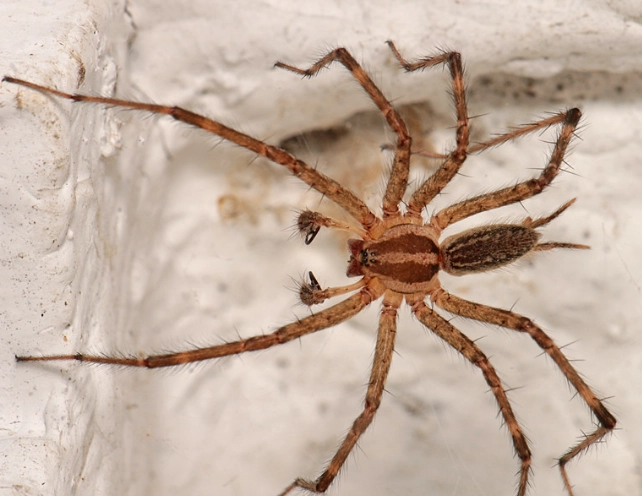
A Personal Observation: One summer, I had a particularly prolific grass spider living in a crack between my driveway and a stone border. Every morning, its web was perfectly repaired, glistening with dew. It was a fantastic natural indicator of insect activity in that area. I learned to step over it.
The Engineering Marvel: The Funnel Web
This is the spider's signature work. The web isn't sticky in the traditional sense. Instead, it's a messy, non-adhesive sheet of silk. The genius is in the design. The spider waits in the funnel, its legs touching the web's threads. When a beetle, cricket, or other unfortunate insect walks or falls onto the sheet, it creates vibrations.
The grass spider feels this through its legs, rushes out at astonishing speed, bites its prey to inject venom, and drags it back into the funnel to eat. The non-sticky sheet means the spider itself can move across it lightning-fast without getting stuck. It's a passive hunting system that's incredibly energy-efficient.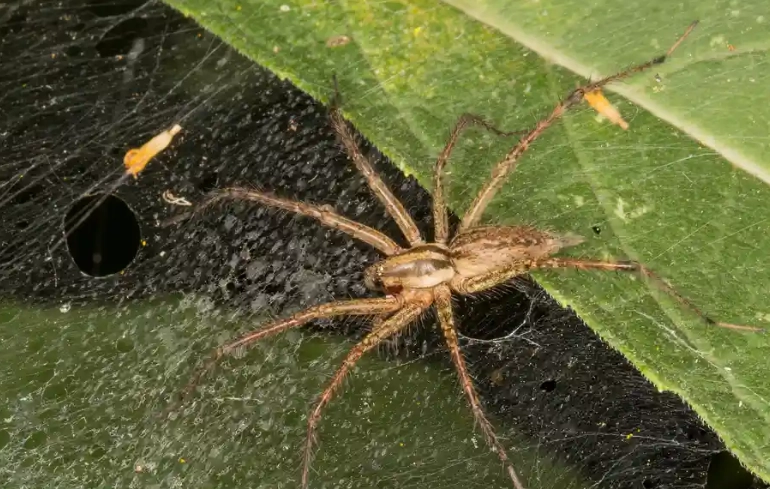
Ever see a web in the morning covered in dew? That's the best time to spot them. The intricate, horizontal sheet becomes a sparkling carpet, with the funnel clearly visible off to one side. It's actually quite beautiful in a creepy-crawly way.
Grass Spider vs. Other Common Spiders: Don't Get Them Confused
This is where a lot of fear comes from—misidentification. People see a brown spider and jump to conclusions. Let's clear that up.
| Spider | Key Visual Differences | Web Type | Common Location | Aggression/Venom Risk |
|---|---|---|---|---|
| Grass Spider (Agelenopsis) | Long spinnerets ("tails"), striped head, elongated body. Runs FAST. | Funnel web on ground/vegetation. | Lawns, gardens, fields. | Timid. Venom mild to humans. |
| Wolf Spider | Stocky, hairy, often with a distinct eye pattern (2 large forward-facing eyes). Carries egg sac. | No web (roams). | Ground, under debris, in burrows. | Defensive if provoked. Venom mild. |
| Brown Recluse | Uniform brown color, darker violin marking on head, six eyes arranged in pairs. | Loose, irregular "mess" in quiet areas. | Undisturbed indoor areas (boxes, closets). | Shy. Venom can be necrotic (rare). |
| Hobo Spider | Similar to grass spider but with less distinct markings and shorter spinnerets. Hard to ID. | Funnel web, often near ground on structures. | Basements, window wells, woodpiles. |
See the big difference? The web is the biggest clue. A ground-level funnel web in your grass is 99.9% likely to be a harmless grass spider. A spider with a similar web in your basement corner is more questionable (could be a hobo spider, though its danger is also debated). Context is key.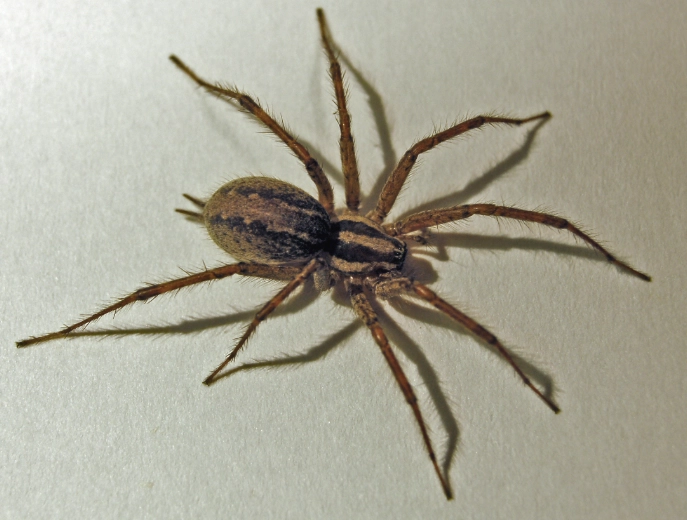
The Big Question: Are Grass Spiders Poisonous?
Let's get the terminology right first. Spiders are venomous (they inject toxin), not poisonous (you eat them). But since everyone searches "are grass spiders poisonous," we have to address it.
Yes, grass spiders have venom. It's how they subdue their insect prey. The critical point is its effect on humans. According to entomologists and medical resources, grass spider venom is not considered medically significant. Its composition is tailored for insects, not mammals.
Think of it like this: you might get a localized reaction—a small red bump, maybe some slight itching or minor swelling, similar to a mosquito bite or a minor bee sting. Nothing systemic, no necrosis, no need for a trip to the ER. The bite itself is also extremely rare because these spiders have zero interest in biting you. They'd much, much rather run.
Important Reality Check: Any bite that causes severe pain, spreading redness, ulceration, or systemic symptoms (fever, muscle aches) is unlikely to be from a grass spider. It's crucial to correctly identify the spider if possible and seek medical attention for severe reactions. For trustworthy information on spider bite management, the CDC's guidelines on spiders are a solid, no-nonsense resource.
Grass Spiders in Your Ecosystem: Friend or Foe?
From a gardening and ecological perspective, these spiders are unambiguous allies. They are voracious predators of insects many consider pests. Their menu includes:
- Ants
- Beetles (including some root weevils)
- Crickets and grasshoppers (especially young ones)
- Moths and flies that venture too low
They're providing free, non-toxic pest control 24/7. By keeping their populations in check, they help maintain a balance. If you have a lot of grass spider webs, it's a sign of a healthy, insect-rich environment. It means your garden is alive.
That said, I get it. Not everyone wants spiders right where their kids play or where they walk barefoot. The sheer number of webs on a dewy morning can feel overwhelming.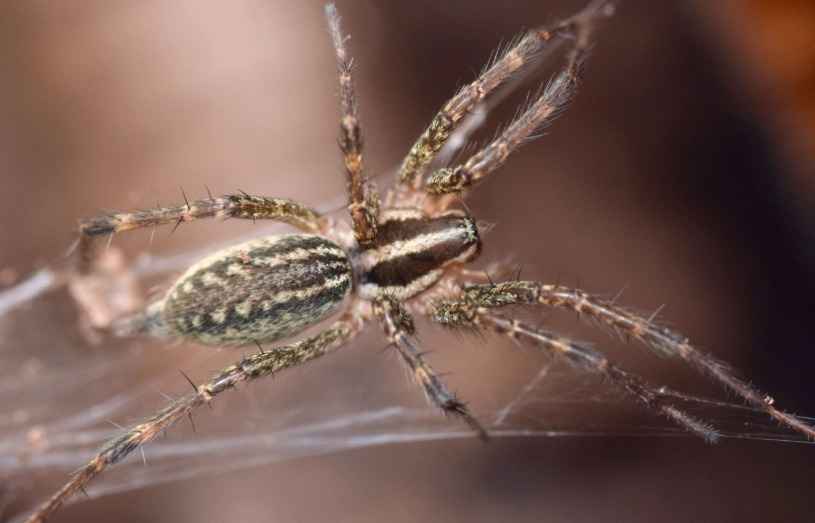
Coexisting (or Gently Discouraging) Grass Spiders
If you want to reduce their numbers without resorting to broad-spectrum pesticides (which kill all the good bugs too), try these tactics:
- Modify the habitat: Keep grass trimmed shorter and reduce thick thatch. This removes the ideal anchoring points and hiding spots for their funnels.
- Disrupt the webs: Simply sweeping a broom or using a leaf blower over the lawn in the early morning to destroy webs can discourage them. They may rebuild, but persistent disruption makes the location less attractive.
- Reduce night lighting: Lights attract the insects that spiders eat. Reducing outdoor lighting can lower the local food supply.
- Relocate individuals: If one is in a high-traffic spot, you can gently coax it into a cup and move it to a shrubbery or less-used garden area.
The goal isn't eradication—that's neither possible nor desirable—but management.
Life Cycle and Seasonal Activity
You'll notice grass spiders most from late spring through fall. Eggs are laid in the fall, often protected within the mother's funnel or a special silken sac. The spiderlings hatch but remain dormant through the winter, emerging in the spring to disperse and build their own tiny funnels.
Females may live for more than a year, often surviving one winter. Males typically die after mating in the late summer or fall. In autumn, you might see more spiders—especially males—wandering as they search for mates. This is when they're most likely to accidentally wander indoors. It's not an invasion; it's just dating season gone wrong for them.
Honest Opinion: The late-summer male wanderers are a bit of a nuisance. You find them in sinks or bathtubs, looking lost. They're not dangerous, just clumsy. A glass and a piece of cardboard are your best friends here.
Wrapping It Up: A Balanced View
So, what's the final verdict on the common grass spider? They're fascinating, beneficial, and overwhelmingly harmless residents of our outdoor spaces. Their intricate funnel webs are a testament to natural engineering, and their insect-control services are free and effective.
Are they a bit creepy? Sure, if you're not a fan of spiders. Their sudden, lightning-fast movements can make you jump. But understanding them takes the fear away. Knowing that the spider in the grass funnel is a timid recycler of pests, not a threat, changes the relationship.
You don't have to love them. But you can respect them. And in most cases, you can simply let them be. They're a small, busy part of the world right outside your door, going about their business of keeping the real pests in check. The next time you see that familiar funnel in the grass, maybe just give it a nod and step around it. Your garden will be better for it.
LEAVE A REPLY
Your email address will not be published. Required fields are marked *