Your Quick Guide
- Why Does Understanding Spider Diversity Even Matter?
- The Major Families: A Spider Family Tree
- Top 5 Popular Pet Spider Breeds (And Why They're Great)
- The Other Side: Spiders to Recognize and Respect
- How to Identify Different Breeds of Spiders You Find
- Spider Myths That Need to Die
- FAQs: Your Spider Questions, Answered
- Final Thoughts: From Fear to Fascination
Let's be honest, for a lot of people, a spider is just a spider. Something with eight legs that shows up in the bathtub. But if you take a moment to look closer, the world of arachnids explodes into this insane variety of shapes, colors, and behaviors. We're talking about over 48,000 described species, and scientists think there might be twice that many still waiting to be found. That's a lot of different breeds of spiders.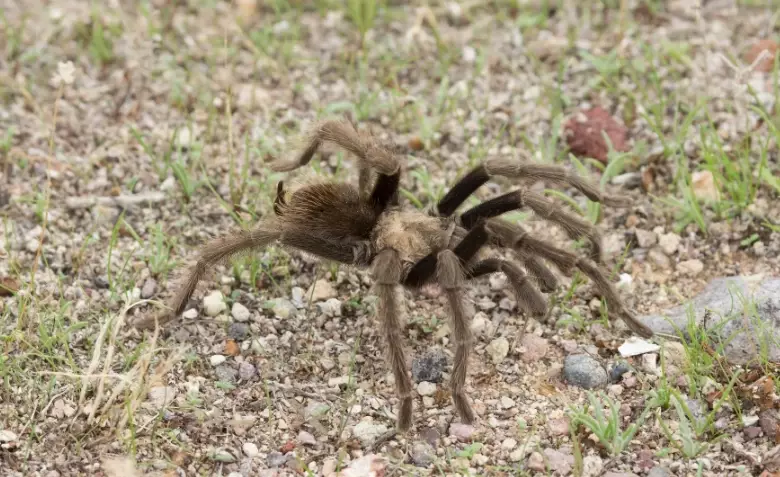
I got pulled into this world almost by accident. A friend left me to pet-sit their Chilean rose hair tarantula, and I was terrified. A week later, I was fascinated. It wasn't a mindless monster; it had routines, it was delicate when eating, and honestly, it was kind of beautiful in a weird, alien way. That experience made me realize how little most of us know about the different breeds of spiders sharing our planet.
Why Does Understanding Spider Diversity Even Matter?
You might ask, why bother? Well, besides being downright interesting, knowing your different breeds of spiders can turn fear into curiosity. It helps you figure out if the little guy in your garden is a helpful pest controller or one of the few you should give space to. For some, it opens the door to a unique hobby—keeping spiders as pets. And on a bigger scale, spiders are crucial environmental health indicators. Their presence and diversity tell scientists a lot about an ecosystem.
So, whether you're a curious homeowner, a budding naturalist, or someone wondering if a tarantula could be your next pet, getting a handle on the major groups is the first step.
The Major Families: A Spider Family Tree
Instead of listing thousands, let's group them into families you're likely to encounter. Think of these as the last names in the spider world.
The Weavers: Orb Weavers, Cobweb Spiders, and More
These are the classic web architects. The Araneidae (orb-weavers) make those beautiful, spiral wheel webs you see glistening with dew in the morning. They're often chunky and colorful, like the Black and Yellow Garden Spider. Then you have the Theridiidae (cobweb spiders), which include the infamous black widow. Their webs look messy and tangled, usually in corners or undisturbed spots.
Not all weavers are the same, though. The common house spider (Parasteatoda tepidariorum), making cobwebs in your basement, is a world apart from a massive golden orb-weaver whose silk is strong enough to catch small birds.
The Hunters: Wolf Spiders, Jumping Spiders, and Crab Spiders
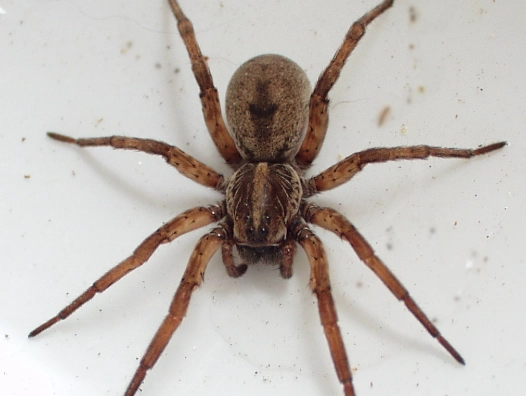
These different breeds of spiders ditch the sit-and-wait strategy. They actively hunt. Lycosidae, or wolf spiders, are ground-based speedsters. You'll see them scurrying across your patio. They don't build webs to catch prey; they chase it down. A cool fact? The females carry their egg sacs attached to their spinnerets, and later, the spiderlings ride on her back for a while. I saw this once while hiking—a mom with a hundred babies on her—and it was more heartwarming than I ever expected from a spider.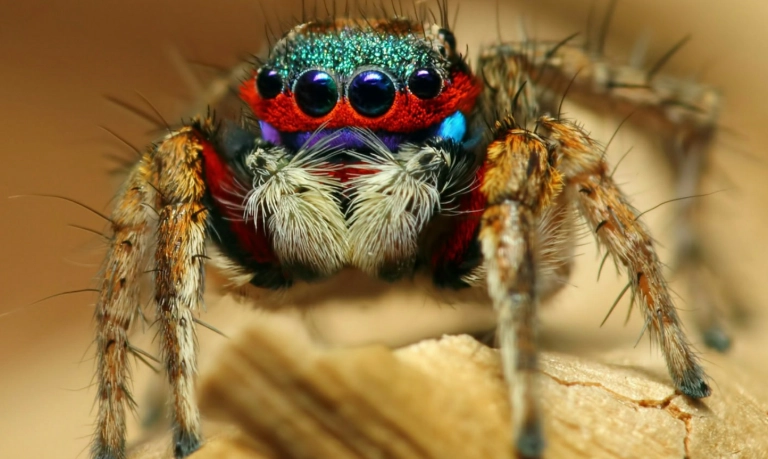
Crab spiders (Thomisidae) are ambush predators. They hide in flowers, often changing color to match, and grab unsuspecting insects that come to pollinate. No web needed.
The Burrowers: Tarantulas and Trapdoor Spiders
This is where things get big and, for many, fascinating. Theraphosidae are the tarantulas. They're the giants, relying more on size and strength. Many are fossorial, meaning they love to dig elaborate burrows. Then you have the Ctenizidae, the trapdoor spiders. These are engineering masters. They construct burrows with a hinged, camouflaged lid. You could walk right over one and never know it's there, waiting for vibrations of passing prey.
The variety within just the tarantula family is staggering. You have dry, desert species from the Americas and heavy-bodied, moisture-loving species from Asia. They represent some of the most sought-after different breeds of spiders in the pet trade.
Top 5 Popular Pet Spider Breeds (And Why They're Great)
Thinking about keeping one? The pet trade focuses on specific, usually hardy, and visually striking species. Here's a rundown of the most popular different breeds of spiders for beginners and enthusiasts.
| Spider Breed (Common Name) | Scientific Name | Temperament | Care Difficulty | Key Feature |
|---|---|---|---|---|
| Chilean Rose Hair | Grammostola rosea/porteri | Generally very docile, slow-moving | Beginner | The "classic" first tarantula. Often sits out in the open. |
| Mexican Red-Knee | Brachypelma hamorii | Calm but can be skittish | Beginner to Intermediate | Stunning orange/red knee joints. Long-lived. CITES listed, so buy captive-bred only. |
| Curly Hair Tarantula | Tliltocatl albopilosus | Usually very calm, great eater | Beginner | Covered in long, curly "hair." Forgiving of minor husbandry errors. |
| Brazilian Black | Grammostola pulchra | Extremely docile, "pet rock" personality | Beginner | Jet-black, velvety appearance. Highly sought after for its looks and temperament. |
| Regal Jumping Spider | Phidippus regius | Curious, active, interactive | Intermediate | Not a tarantula! Tiny, intelligent, and needs a different, active-care setup. |
A quick personal take? The Curly Hair was my first. I overthought everything—humidity, temperature, substrate depth. The spider just dug a hole, came out to eat, and was perfectly happy. They're tougher than we give them credit for.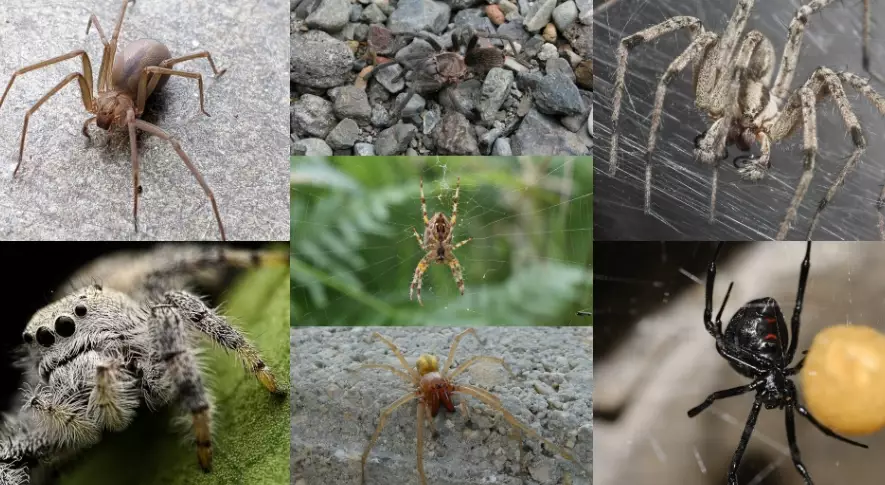
The Other Side: Spiders to Recognize and Respect
Okay, let's address the elephant in the room. Some different breeds of spiders have medically significant venom. In North America, the big two are the black widows (Latrodectus species) and the brown recluses (Loxosceles reclusa).
Black widows have that iconic red hourglass. Their venom is a neurotoxin. A bite can be serious, causing muscle pain and cramps, but fatalities are extremely rare with modern medical care.
Brown recluses have a violin-shaped marking on their cephalothorax. Their venom can cause necrotic lesions, which sounds scary. But here's the thing—most bites don't result in severe necrosis. Misdiagnosis of other skin issues as "brown recluse bites" is rampant outside their native range.
Fear sells headlines, but knowledge brings perspective.
The vast, vast majority of different breeds of spiders are physically incapable of breaking human skin, and those that can would rather flee. Bites are almost always defensive accidents.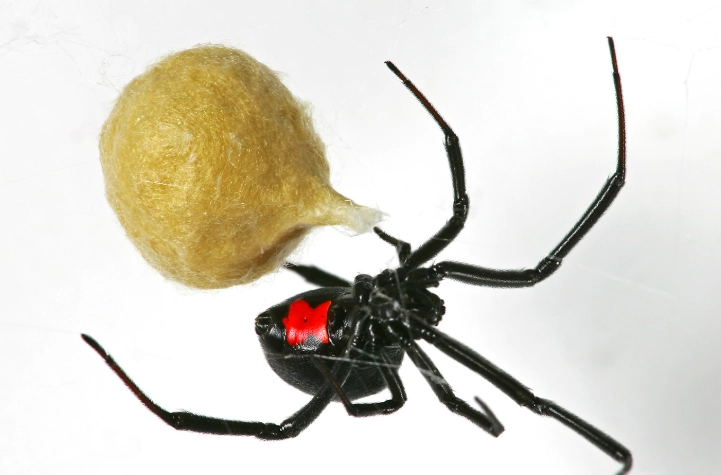
How to Identify Different Breeds of Spiders You Find
So you find a spider. How do you start figuring out what it is? Don't panic. Follow a simple process.
Step 2: Web or No Web? This is a huge clue. A neat orb web points to an orb-weaver. A messy tangle in a corner suggests a cobweb spider. No web and it's running on the ground? Think wolf spider. Sitting motionless on a flower? Crab spider.
Step 3: Note Key Features. Look at the eye arrangement (if you can get close enough—jumping spiders have a very distinct front-facing pair). Note any distinctive colors or markings. What's the body shape?
Step 4: Use a Reliable Resource. Don't just Google "brown spider." Use dedicated guides. Fantastic resources include the World Spider Catalog for taxonomic authority, and sites like the iNaturalist platform where a community can help with identification from your photos.
Spider Myths That Need to Die
Let's clear the air. You've probably heard that you swallow spiders in your sleep. It's a complete urban legend with zero evidence. Spiders have no interest in your warm, exhaling mouth.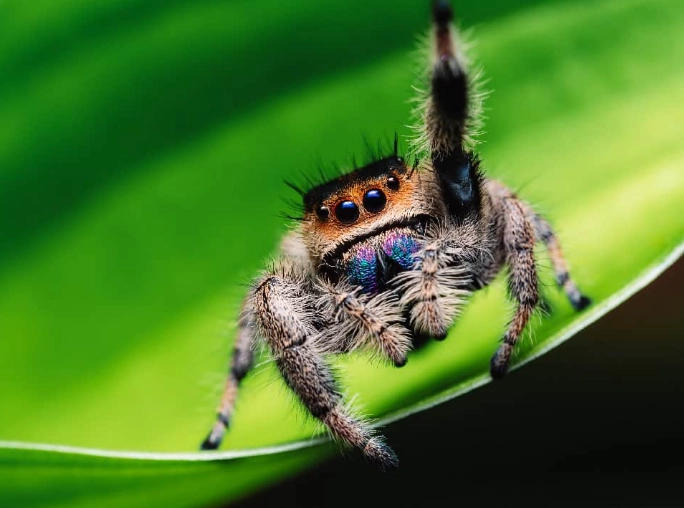
Another one: Daddy longlegs (harvestmen) are not the most venomous spiders in the world. They aren't even spiders! They're a different order of arachnids (Opiliones) without venom glands. And even if they were, "most venomous" is a meaningless term without context of delivery and dose.
Myths like these just muddy the water when you're trying to learn about the genuine, amazing differences between breeds of spiders.
FAQs: Your Spider Questions, Answered
Final Thoughts: From Fear to Fascination
Exploring the different breeds of spiders is like discovering a hidden layer of the world. It transforms anonymous "creepy-crawlies" into distinct creatures with their own stories—the patient orb-weaver, the attentive wolf spider mother, the inquisitive jumping spider.
You don't have to love them. You don't have to want one in your hand. But a little understanding goes a long way. It replaces a generic fear with a specific respect. And for a few of us, that respect turns into a deep fascination for one of nature's most diverse and successful groups of predators.
If you're keen to dive deeper into the science, I highly recommend exploring the research and data available through institutions like the American Museum of Natural History or the Australian Museum, which have fantastic arachnology departments. The world of different breeds of spiders is vast, complex, and waiting for you to look a little closer.
LEAVE A REPLY
Your email address will not be published. Required fields are marked *