Explore This Guide
- Getting to Know the Different Kinds of Dirt Daubers
- The Lifecycle: From Mud Tube to Flying Hunter
- The Downside: When Mud Nests Become a Nuisance
- To Remove or Not to Remove? A Practical Guide
- Dirt Daubers vs. The Usual Suspects: A Quick ID Guide to Avoid Confusion
- Answering Your Burning Questions About Dirt Daubers
- A Final Thought: Rethinking Our Backyard Neighbors
You're probably here because you spotted some weird, mud-looking tubes or clumps under your eaves, in your garage, or on a shed wall. And buzzing around them were these long, skinny, dark-colored insects. Your first thought might have been "oh great, wasps," followed by a healthy dose of concern. I get it. I had the same reaction the first time I found a cluster of those mud nests on my patio ceiling. But let me tell you, after digging into the subject, my perspective did a complete 180. So, what are dirt daubers, really? They're not the villains we often mistake them for.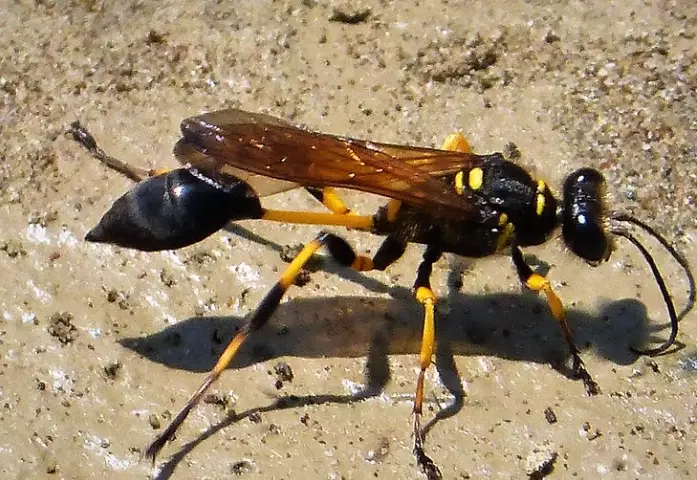
Dirt daubers, also commonly called mud daubers, are a type of solitary wasp. That "solitary" part is the key detail most people miss. Unlike their infamous cousins—yellow jackets, hornets, and paper wasps—dirt daubers don't live in big, social colonies with hundreds of sisters ready to defend a queen. There's no hive mind, no massive nest to protect. Each female is a single mom, working entirely alone to build her nest, hunt for food, and lay eggs. This one fact changes everything about how they interact with us.
Their name comes from their signature architectural material: mud. They collect little pellets of wet soil or clay, fly them back to their chosen construction site, and meticulously sculpt their nursery chambers. It's actually pretty incredible to watch if you ever get the chance—a tiny, determined insect acting as both builder and provider.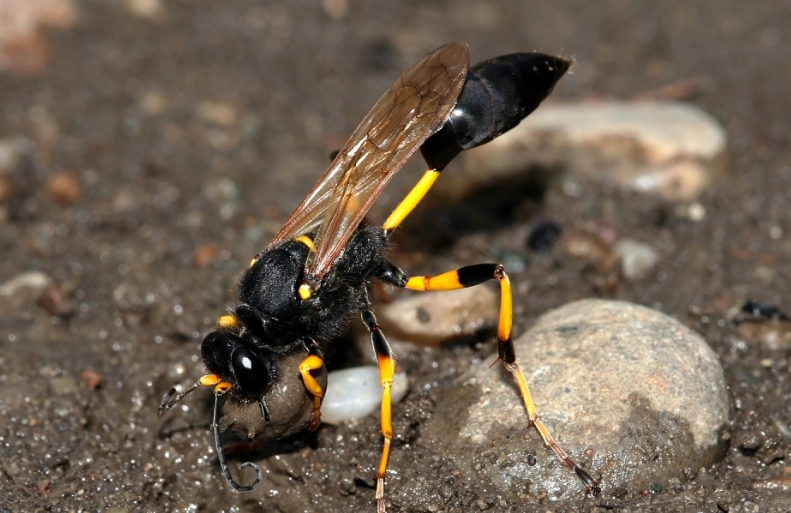
Getting to Know the Different Kinds of Dirt Daubers
Not all dirt daubers are the same. In North America, you're likely to encounter a few main characters. Knowing who's who helps clear up a lot of confusion.
The most common one is the black and yellow mud dauber (Sceliphron caementarium). It's, well, black with some bright yellow markings, and it has that iconic, super-thin thread-like waist (a "petiole") that makes it look fragile. It builds those classic, series of tubular mud cells that look like a bunch of organ pipes stuck together. I find these guys all over the place in the summer.
Then you have the blue mud dauber (Chalybion californicum). This one is stunning—a metallic blue or blue-black, almost like a jewel flying around. It's a bit of a cheater when it comes to construction. Instead of making its own mud from scratch, it often takes over old nests from other mud daubers, fixes them up, and uses those. Efficient, I guess!
Finally, there are the organ-pipe mud daubers (Tropoxylon species). True to their name, they build nests that look exactly like a cluster of parallel mud pipes. Their work is neater and more organized than some of the others, which can make their nests even more noticeable (and sometimes alarming) on a light-colored wall.
| Type of Dauber | Key Identifying Features | Nest Appearance | Primary Prey |
|---|---|---|---|
| Black & Yellow Mud Dauber | Black body with yellow markings, extremely thin waist. | Clusters of cylindrical mud tubes, often rough-looking. | Spiders (especially orb-weavers & jumping spiders). |
| Blue Mud Dauber | Metallic blue-black body, less thread-like waist. | Often refurbishes old nests; smooth mud cells. | Black widow spiders and other cobweb spiders. |
| Organ-Pipe Mud Dauber | Mostly black, slightly sturdier build. | Neat, parallel rows of long mud tubes. | Spiders (various small species). |
You can find detailed identification guides and range maps for these species on authoritative entomology sites like the BugGuide network, which is a fantastic resource maintained by entomologists and dedicated naturalists.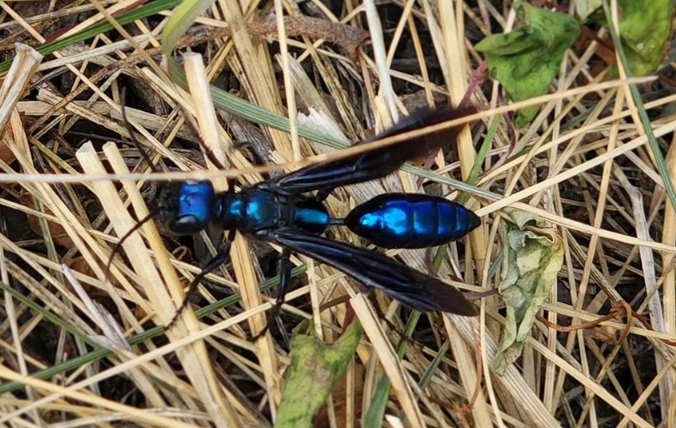
The Lifecycle: From Mud Tube to Flying Hunter
Understanding what dirt daubers do is the best way to answer the question "what are dirt daubers" at their core. Their life story is a cycle of solitary, focused work.
It all starts with a mated female in the spring or summer. She finds a suitable spot—somewhere sheltered from rain is key—and starts gathering mud. She forms it into a tube-shaped cell. This is the nursery. Now for the gruesome-but-brilliant part: provisioning. She goes hunting, specifically for spiders. She paralyzes a spider with her sting (it doesn't kill it, just immobilizes it), flies it back, and stuffs it into the mud cell. She'll pack several spiders in there. Then, she lays a single egg on one of the spiders and seals the cell shut with more mud.
The egg hatches, and the larva has a live, fresh, but motionless buffet of spiders to eat. It grows, pupates inside the mud cell (transforming into an adult), and eventually chews its way out to start the process all over again. The adults, by the way, don't eat the spiders. They feed on nectar and plant sap, acting as minor pollinators. The hunting is purely for their offspring.
This leads to one of their biggest benefits, which most pest control companies will quietly admit.
Top 3 Reasons Dirt Daubers Are Actually Beneficial
- Natural Spider Control: This is their superpower. A single mud dauber female can eliminate dozens, even hundreds, of spiders in a season to feed her young. If you have an issue with spiders around your house, dirt daubers are working overtime for free. They are particularly known for hunting black widows. The blue mud dauber specifically targets them. Think about that—a wasp that specifically hunts one of the most venomous spiders in North America. That’s a pretty good ally to have.
- They Are Not Aggressive: I can't stress this enough. Their sting is reserved for paralyzing prey. They have zero interest in defending a nest because their offspring are sealed behind mud walls. They don't have a colony to protect. You practically have to squeeze one in your hand to get stung. I've sat within feet of active nest builders and they've ignored me completely, focused on their mud pellet. Compare that to accidentally mowing over a yellow jacket ground nest—it's a world of difference.
- Minor Pollination: While they're no honeybee, their visits to flowers for nectar do contribute a small bit to pollination in your garden.
So, if they're so great, why does anyone want to get rid of them? Well, the nests.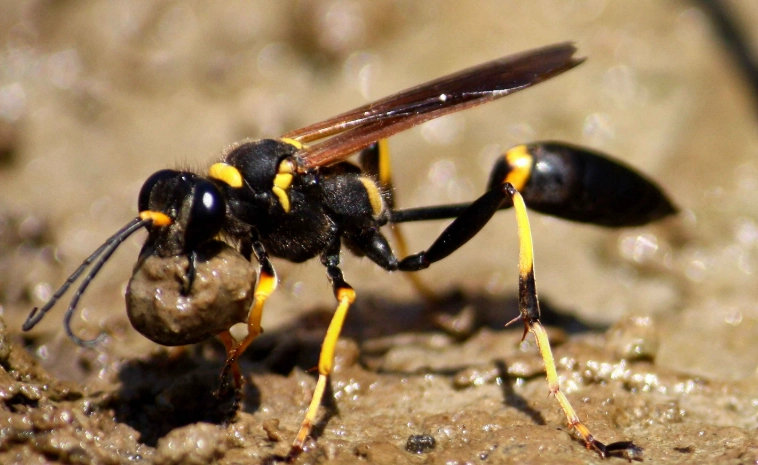
The Downside: When Mud Nests Become a Nuisance
Let's be real. Aesthetic damage is the number one complaint. Their mud constructions can be unsightly, especially on the clean painted siding of a house, light fixtures, or inside the corners of garage doors. The mud can stain light-colored surfaces, and if you let dozens of nests accumulate over years, removing all that caked-on mud can be a chore.
There's also a potential, though often overblown, concern about moisture. A large cluster of mud nests in a wooden soffit or eaves could theoretically trap moisture against the wood over a very long period, but this is rarely a structural issue. The bigger practical problem is that old, abandoned mud dauber nests are prime real estate for other insects. Other solitary bees or wasps might move in, or worse, the cavities can be used by pest insects like carpet beetles or clothes moths.
To Remove or Not to Remove? A Practical Guide
This is the heart of the matter for most people searching for information on what dirt daubers are and what to do about them. The answer isn't always "exterminate."
Scenario 1: Live Nests (Active Construction)
If you see a female actively flying to and from a nest, adding mud or spiders, that nest is "live" with developing young inside. Here are your options, from most to least recommended:
- Live and Let Live (The Best Option): Seriously consider it. If the nest is in a low-traffic, out-of-the-way spot (high on a shed, deep in a garage corner), just leave it. The wasp is providing free pest control and will be gone by fall. The adults die off in winter, and only the new generation, still sealed in their cells, overwinters.
- Gentle Relocation (The Nighttime Move): If the nest is in a truly problematic spot (above a doorway, on a patio chair), you can attempt removal at night when the adult female is inside and less active. Gently slide a putty knife or flat tool underneath to pry the whole nest off in one piece. Place it in a small box or container, move it to a sheltered spot nearby (like a shrub or another part of your property), and release the wasp. She will often continue her work at the new location. This takes some nerve, but it works.
- Physical Removal & Discard: Using the same nighttime method, scrape the nest off into a sealed bag and dispose of it. This is effective but terminates the life inside.
Spraying an active nest with insecticide is almost always overkill. You're using a chemical to kill a single, beneficial insect that poses little threat. It's like using a fire hose to put out a candle. Most university extension services, like those from the University of Minnesota or Penn State, advise against pesticide use for solitary wasps unless there is a proven allergy or high-risk situation.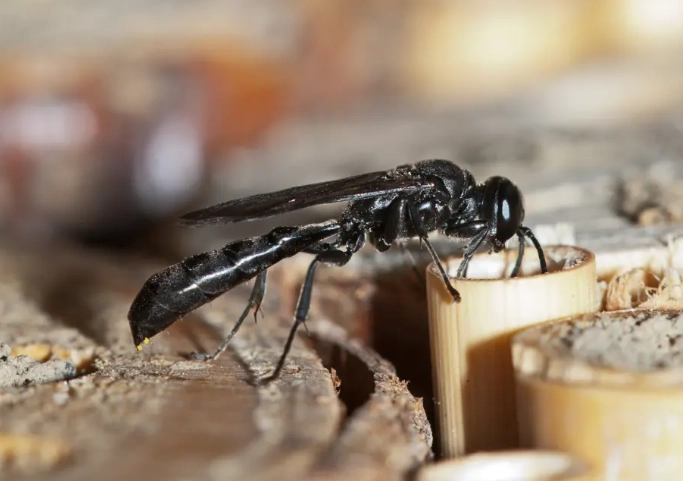
Scenario 2: Old, Abandoned Nests
This is where action is more justified. In late fall, winter, or early spring, any mud nests you see are abandoned. This is the perfect time for cleanup.
- Scrape and Clean: Use a stiff brush, a scraper, or a pressure washer on a low setting. Soaking the mud with water first can soften it. Removing these eliminates potential homes for other pests.
- Seal Entry Points: After cleaning, look for gaps in siding, cracks around windows, and openings into attics or soffits. Sealing these with caulk or screen makes those spots less attractive for next year's builders.
You might wonder, what's inside an old nest? If you break one open, you'll usually find either the papery cocoon of the emerged adult, or the dried remains of the spider prey. Sometimes, if the larva didn't survive, you'll just find the mummified spiders. It’s a fascinating, if slightly macabre, little time capsule.
Dirt Daubers vs. The Usual Suspects: A Quick ID Guide to Avoid Confusion
A lot of fear comes from misidentification. Let's clear the air. You see a flying insect near a nest on your house. Is it a problem?
Dirt Dauber: Long, thin waist. Often dark or metallic. Flies directly to a mud nest, often with a mud pellet or spider. Flight is direct, purposeful. Not aggressive.
Yellow Jacket: Bright yellow and black, thicker body, shorter legs. Flies in and out of a hole in the ground, a wall cavity, or a large, papery, enclosed gray nest. Flight is quick, darting. Very aggressive near nest.
Paper Wasp: Brownish with yellow markings, long legs that dangle in flight. Builds a single, exposed layer of open-celled, papery comb (like an umbrella). Often seen on the comb. Can be defensive if nest is disturbed.
Honey Bee: Hairy, golden-brown, robust. Pollinates flowers. Lives in large hives in hollow trees or man-made boxes. Not aggressive unless hive is threatened.
See the difference? Behavior and nest type tell you almost everything. The Environmental Protection Agency (EPA) has resources on integrated pest management that emphasize proper identification as the critical first step before any action, a principle that absolutely applies here.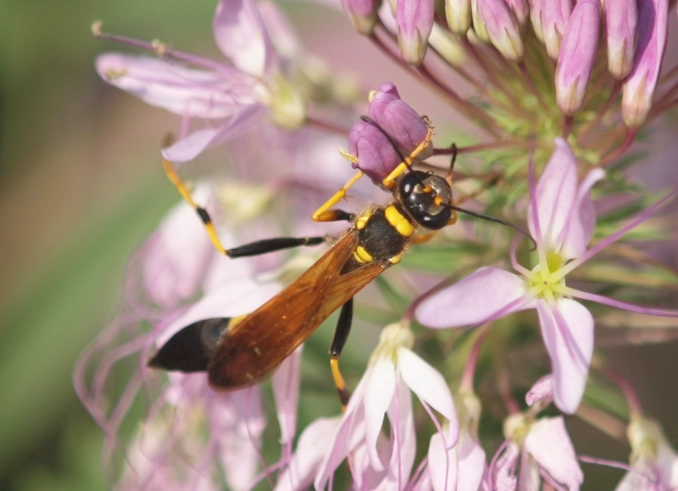
Answering Your Burning Questions About Dirt Daubers
Let's tackle some of the specific questions people have when they're trying to figure out what dirt daubers are all about.
Do dirt daubers sting humans?
They can, but it's exceedingly rare. Their stingers are designed for paralyzing spiders, not defending against mammals. You would have to severely threaten one, like catching it in clothing or accidentally squeezing it. Even then, their venom is mild compared to social wasps. For most people, it would be a minor, temporary pain, similar to a sweat bee sting. The fear is way out of proportion to the actual risk.
What happens if you leave a dirt dauber nest alone?
The adult female will finish provisioning it, seal it, and then leave. She may build more cells nearby or move on. The young develop inside, emerge as adults (usually the next generation in spring), and fly away. The old nest becomes a dry, empty mud structure. That's it. No swarm emerges. No colony forms. The cycle ends.
Are dirt daubers dangerous to my house's structure?
Not really. The mud is applied to the surface; they don't bore into sound wood like carpenter bees or termites. The worst they do is cause cosmetic staining. The idea that their mud causes significant water damage is largely a myth, unless you have pre-existing, severe wood rot they happen to build on.
How can I prevent them from building nests?
It's more about management than total prevention. Since they need mud, reducing persistent puddles or very damp soil near your house can help a little. The most effective method is to simply remove old nests in the off-season and seal obvious cracks and holes where they like to build. Some people have luck hanging fake, decorative nests (like those sold for paper wasps), as the scent may deter other solitary wasps, but the evidence is anecdotal.
If you have a recurring, severe problem in a specific area, applying a residual insecticide dust (like diatomaceous earth or a labeled insecticidal dust) into cracks before the building season can deter them. But this should be a last resort, not a first step. Always follow the label instructions precisely. Resources from your local Cooperative Extension Service are invaluable for safe, effective pesticide guidance.
A Final Thought: Rethinking Our Backyard Neighbors
So, what are dirt daubers? They're fascinating, solitary architects. They're nature's own pest control service, specializing in spiders. They're one of the most misunderstood and needlessly feared insects in our backyards.
The next time someone asks you "what are those mud tubes?" or "what kind of wasp is that?", you can tell them. You can explain the difference between a solitary dirt dauber and a social yellow jacket. You can share that these insects have a role to play, and that our first reaction doesn't always have to be destruction. Sometimes, the best course of action is simply to understand, and maybe even appreciate, the complex little world happening right on our own walls.
That’s the real answer to the question of what dirt daubers are. They’re a reminder that not everything that buzzes is out to get us, and that a little knowledge goes a long way in sharing our space with the natural world.
LEAVE A REPLY
Your email address will not be published. Required fields are marked *