Quick Navigation
You know, I used to think I knew the answer to "what color are mice." Growing up, every mouse I saw in the garage or heard scratching in the walls at night was that standard, boring agouti brown. You know the one – a sort of dusty brown-gray that lets them vanish against dirt and shadows. It wasn't until a friend of mine got into breeding fancy mice as pets that my whole perspective shifted. He showed me a mouse the color of rich, dark chocolate. Another that was a brilliant, snowy white with ruby-red eyes. There was even one with patches of orange and black, like a tiny calico cat. My mind was blown. It turns out, asking what color are mice is like asking what color are dogs – the answer is way more complex and fascinating than you'd guess.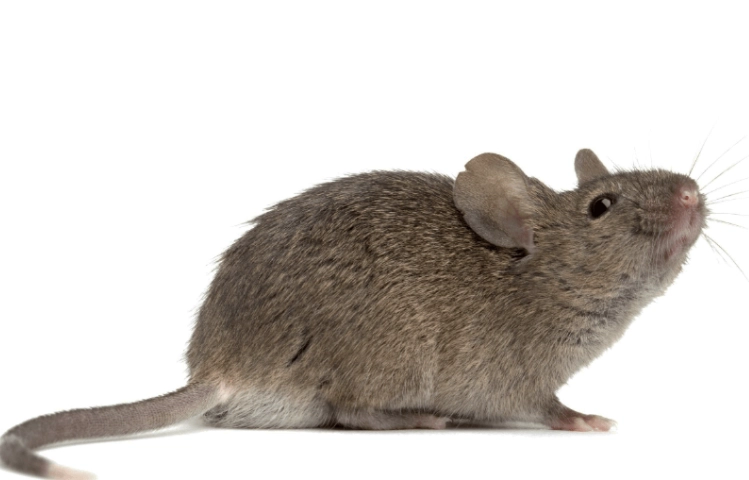
So let's dive in. Whether you're trying to identify a wild visitor, choose a pet mouse with a unique coat, or are just plain curious, understanding mouse colors involves a bit of biology, a dash of genetics, and a whole lot of looking beyond the stereotype.
The Wild Bunch: What Color Are Mice in Nature?
Let's start with the mice you don't invite over – the wild ones. Their color isn't about fashion; it's a matter of life and death. Camouflage is the number one rule.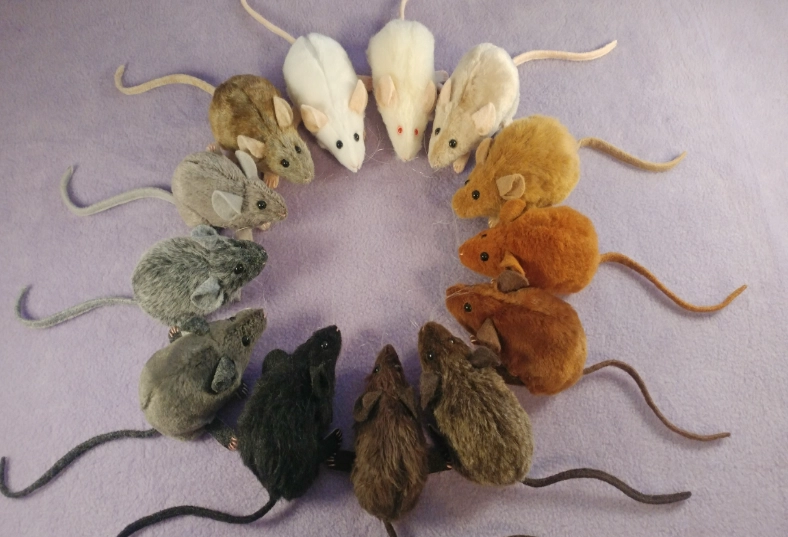
The champion of wild mouse colors is the agouti pattern. This isn't a flat color. If you look closely, each hair is banded – usually dark at the base, a lighter band in the middle, and a dark tip. This creates a mottled, grizzled effect that mimics dappled light, soil, and leaf litter perfectly. It's nature's perfect dusty cloak. This is, without a doubt, the color most people picture when they wonder, "what color are mice?"
But even in the wild, there's variation. Deer mice (Peromyscus maniculatus), common in North America, often have a cute white underbelly with brown fur on top. Wood mice have a more reddish-brown tinge. It depends heavily on their specific habitat. A mouse living in a dark, loamy forest might trend darker, while one in a sandy, arid area might be noticeably paler. The University of Michigan's Animal Diversity Web has great details on these regional subspecies and their adaptations, which often include coat color changes.
Then there are the oddballs. Melanism – an overproduction of dark pigment – sometimes creates all-black wild mice. It's rare because a solid black mouse is a sitting duck on most terrains, but it happens. I remember reading a study from the UK where black mice became more common in soot-covered industrial areas during the 19th century. Once the air cleared, the brown agouti mice came back on top. Talk about natural selection in action!
The Rainbow in Your Cage: Pet Fancy Mouse Colors
This is where the question "what color are mice" gets really fun. Fancy mice, the domesticated descendants of the wild house mouse, have been selectively bred for over a century for color, pattern, and temperament. The variety is staggering, and honestly, some of the color names breeders use are prettier than what you find in a paint catalog.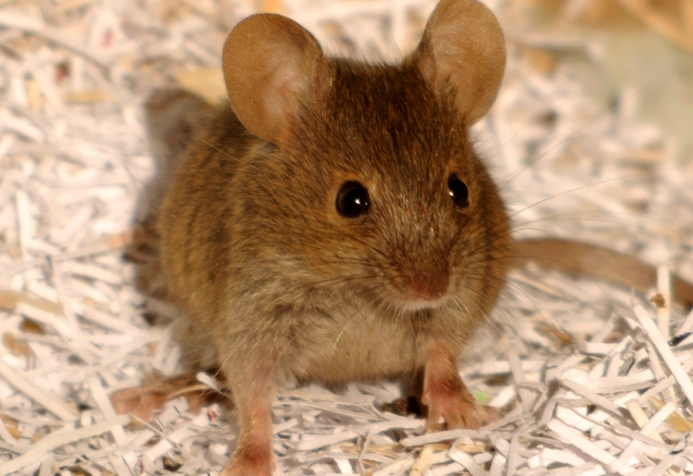
We can break pet mouse colors down into a few big categories. It helps to think like a breeder.
Self Colors: Solid and Simple
These mice are one solid color from nose to tail tip, with no banding or patterns. The eyes are usually dark, except in albinos.
- Black: A deep, solid jet black. Very sleek and dramatic looking.
- Chocolate: A rich, warm brown. It's like the mouse is made of milk chocolate.
- Beige/Fawn: A light, sandy color. One of my personal favorites for its soft look.
- White (Albino): This is the classic lab mouse. Pure white fur with pink or red eyes, caused by a lack of melanin. They're not just white-colored; they're true albinos.
- White (Black-Eyed): Crucial distinction! These are solid white but have dark eyes. It's a different genetic pathway than albinism.
Ticked and Agouti Colors: The Wild Look, Refined
These keep the banded hair of the wild agouti, but the base colors are changed.
- Golden Agouti: The classic. Think of a rich, warm chestnut brown with dark ticking.
- Silver Agouti: A cool, silvery-gray base with black ticking. Looks very elegant.
- Blue Agouti: A soft blue-gray base with darker slate ticking. This one is less common and really striking.
Marked and Patterned Mice: The Real Showstoppers
This is where genetics gets artistic. Patterns are controlled by separate genes that lay over the base color.
- Broken Marked: Any solid or agouti color with irregular white patches. No two are alike.
- Banded: A white "belt" around the mouse's middle. It can be neat or messy.
- Dutch: Like the rabbit pattern – a white blaze on the face, a white collar, and a white lower body. Getting a "perfect" Dutch marking is a breeder's challenge.
- Spotted: Like a Dalmatian, but mouse-sized. Round spots of color on a white background.
To make sense of it all, here's a table that links the common colors you might want in a pet to the typical genetic names and what they look like. It's a cheat sheet I wish I'd had when I started.
| Common Name | Genetic/Show Name | Description | Eye Color |
|---|---|---|---|
| Standard Wild Color | Agouti | Grizzled brown-gray with banded hairs | Black |
| Pure White (Red Eyes) | Albino | All white, no pigment | Pink/Red |
| Pure White (Dark Eyes) | Dominant Spot White | All white, but produces pigmented offspring | Black |
| Chocolate Brown | Chocolate | Uniform rich brown coat | Black/Dark Ruby |
| Dove Gray | Blue | Even slate-gray color | Black/Dark Ruby |
| Siamese-like | Himalayan | Creamy body with dark brown points (nose, ears, feet, tail) | Red/Pink |
| Orange & Black Patches | Tortoiseshell (often with White) | Mix of orange and black patches, usually on a white base | Black |
That tortoiseshell one? Yeah, it's almost exclusively female. The gene for orange fur is on the X chromosome. Getting that orange-and-black mix requires two X's, making male torties incredibly rare. See, the question of what color are mice can even lead you into genetics class!
The Science Behind the Shades: It's All in the Genes
Okay, let's get a tiny bit technical, but I'll keep it painless. You don't need a biology degree to get the gist. Mouse coat color is controlled by a series of genes that act like switches and paint pots.
The main players are:
- Melanin Types: Eumelanin (black/brown pigment) and Pheomelanin (red/yellow pigment). The ratio and distribution of these two create most colors.
- The Agouti Gene: This is the master switch for the banded hair pattern. The wild-type "on" position creates agouti. The "off" mutation (non-agouti) gives a solid color.
- The Albino (C) Gene: This is the master controller for pigment production. A mouse with two recessive "c" alleles is a true albino – no pigment anywhere, resulting in white fur and red eyes. All other colors require at least one working "C" gene.
- Color Dilution Genes: These "water down" colors. The "dilute" gene turns black into blue (gray) and chocolate into lilac (pale fawn-gray).
It's a cascade. First, the albino gene decides if there's any paint at all. Then, the agouti gene decides if the paint is applied in bands (agouti) or solidly (self). Then other genes pick the specific pigments and their intensity. The Jackson Laboratory, a world leader in mouse genetics for biomedical research, has mapped hundreds of these genes. They've literally written the book on it, and their online resources are a deep dive for the truly curious. It's humbling to think that the same genes giving a pet mouse a cute silver coat are also helping scientists understand human biology.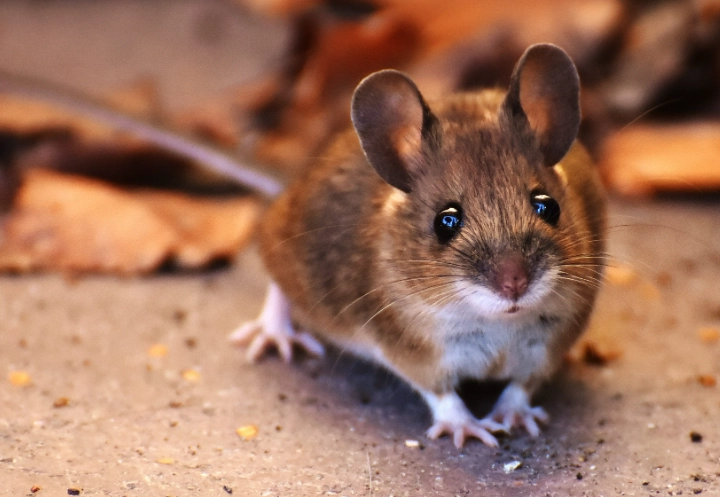
What Does a Mouse's Color Tell You? (And What It Doesn't)
People love to attach meaning to colors. Is a black mouse more aggressive? Is a white mouse weaker? In my experience, and according to most reputable breeders, absolutely not. Temperament is linked to breeding for temperament, not color. I've met skittish black mice and cuddly ones. I've known bold white mice and shy ones.
There are a couple of tiny, loose correlations, but they're more about the genetics behind the color than the color itself. For example:
- Albino Mice (white, red eyes): They can sometimes have slightly poorer eyesight due to the lack of pigment in their eyes, making them more sensitive to bright light. This might make them seem a bit more hesitant in a brightly lit, open space. But in their familiar, well-set-up cage, they behave just like any other mouse.
- Dilute Colored Mice (Blue, Lilac): There's an old breeder's tale that the dilution gene can be linked to a slightly softer coat texture, which is nice. But I've never seen convincing evidence it affects personality.
The biggest takeaway? Choose a pet mouse based on its health, alertness, and how it interacts with you (or its calmness, if you prefer a watcher rather than a handler). The color is just the beautiful wrapping paper.
Your Burning Questions, Answered
Are white mice with red eyes blind?
No, they are not blind. But their vision is generally poorer than that of pigmented mice. The lack of pigment in the eye affects how light is focused and makes them very sensitive to bright light. They rely more on their other superb senses—whiskers, hearing, and smell—to navigate. They get around just fine in normal home environments.
Can a mouse's color change as it gets older?
Yes, slightly! Many mice, especially agouti varieties, are born a much darker, almost slate gray color. Their adult coat, with the proper banding, comes in over the first few weeks. Some mice may also fade or develop a slight "rust" tinge as they age, particularly on their sides. It's a normal part of aging, like humans getting gray hair.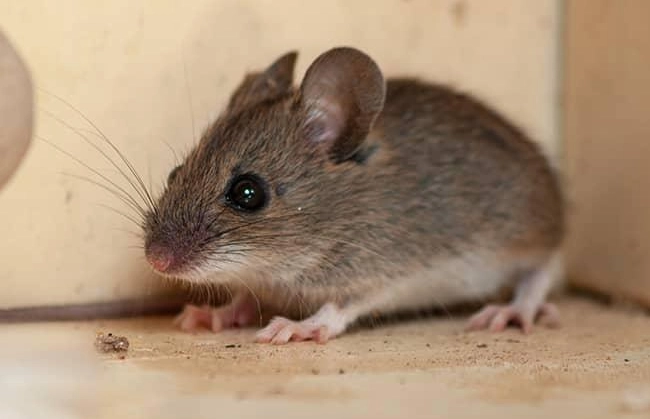
What is the rarest mouse color?
In the fancy mouse world, true, consistent lilac (a diluted chocolate, resulting in a pale, pinkish-fawn gray) is quite rare. Certain complex patterns, like a perfectly symmetrical Dutch or a clear Merle, are also hard to produce reliably and are sought after by show breeders.
I saw a mouse with orange patches. What is it?
You likely saw a Tortoiseshell or Brindle mouse. The orange/red patches are pheomelanin expression. This is almost always combined with white spotting. As mentioned, due to the X-linked inheritance, these are almost exclusively female mice. They're gorgeous and lively.
Do different colored mice have different health issues?
There is one well-documented link. The gene complex that creates some extreme white spotting patterns (like a mouse that is mostly white) can, in rare cases, be linked with a higher incidence of inner ear defects. This can sometimes lead to mice that circle or have head tilts (waltzing mice). Responsible breeders avoid breeding from lines that show these neurological signs. For the average pet owner buying from a good source, this is a very minor risk. Albinism itself is not a health problem.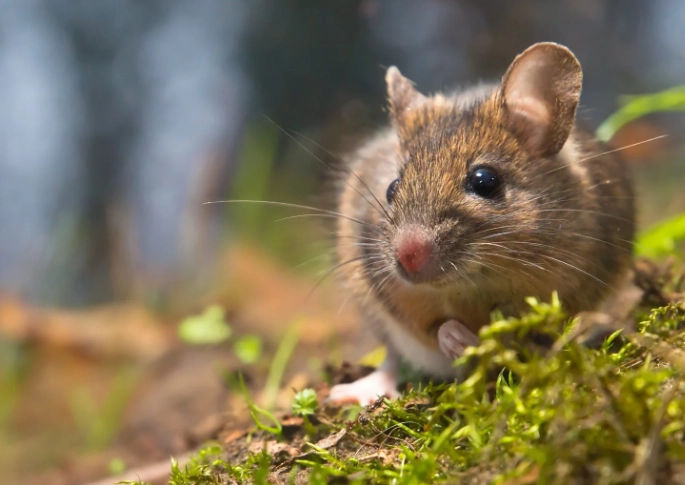
If you're ever in doubt about a color-related health concern, a great resource is the American Fancy Rat and Mouse Association (AFRMA). They have decades of collective breeder experience documented.
Wrapping It Up: A World in Miniature
So, what color are mice? They're a living palette. From the utilitarian, life-saving camouflage of the wild agouti to the dazzling, human-selected rainbow of the fancy mouse world, their coats tell a story of survival, genetics, and even our own desire for beauty in small things.
The next time you see a mouse—whether it's a shadow in the garden or a potential pet in a tank—look closer. That color isn't random. It's a tiny, wearable history of its life and lineage. And I think that's pretty amazing for such a small creature.
Maybe you'll even develop a favorite. I'm still partial to a rich, warm chocolate self. But don't tell the silver agouti I said that.
LEAVE A REPLY
Your email address will not be published. Required fields are marked *