Quick Navigation
You see one scuttle under the fridge and the first thing you want to do is cut off its supply lines. Food? You're meticulous about crumbs. Water? That's trickier. So the question burns: how long can roaches live without water anyway? If you can dry them out, you win, right?
Let's cut to the chase. The simple, frustrating answer is about one to two weeks for most common household species. But honestly, that simple answer is almost useless. It's like saying a car can go "some distance" on a tank of gas. It depends on the model, the conditions, and how hard you're pushing it. The real story of cockroach dehydration is a fascinating, and frankly annoying, tale of biological survival. And understanding it is your absolute best weapon.
I remember thinking I had them beat once. I cleaned everything, stored all food in airtight containers, and felt triumphant. A week later, I found a few lingering near a tiny, almost invisible condensation line behind my toilet. That's when I realized this wasn't about being clean; it was about understanding their limits.
The Straight Answer: It's All About the Species
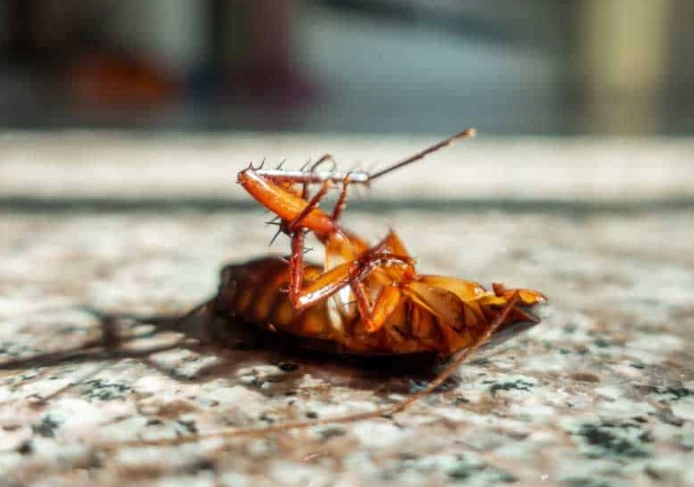
If you're looking for a single number, you won't find it. The timeframe for how long a cockroach can survive without water varies wildly. A German cockroach (those small, light brown ones that infest kitchens) is a wimp compared to its larger cousins. It might start succumbing in as little as a week in a dry environment. On the other hand, a larger American cockroach (the big, reddish-brown "palmetto bugs") can be a real marathon runner, potentially lasting two weeks or even a bit more.
But wait, there's more.
That survival clock starts ticking the second they lose access to liquid water. Here's the kicker though—they're masters at finding moisture you'd never notice. We're talking condensation on pipes, the water film in a sink drain, the dampness around a potted plant, even the moisture in a fresh glue trap. Their entire survival strategy is based on not having to answer the question of how long they can live without water because they're so good at always finding some.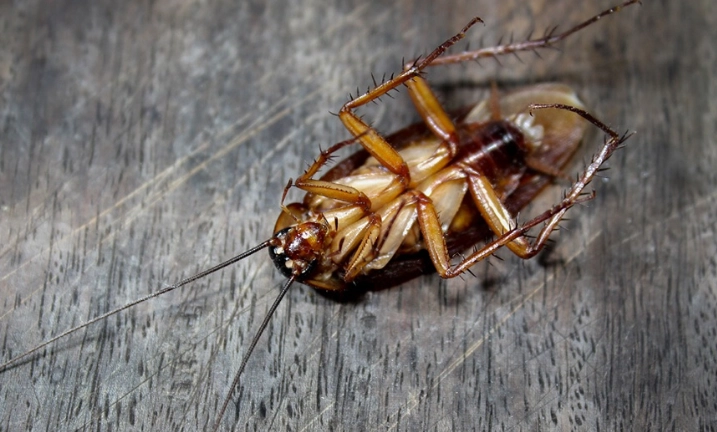
| Cockroach Species | Estimated Survival Without Water (Ideal Lab Conditions) | Relative Thirst Tolerance | Common Indoor Water Sources |
|---|---|---|---|
| German Cockroach | ~ 1 week | Low | Sink drains, condensation, pet bowls, leaky faucets |
| American Cockroach | ~ 2 weeks | Medium-High | Basement drains, sewer lines, sump pumps, bathroom leaks |
| Oriental Cockroach | ~ 1 month (but prefers cool/damp) | Very High | Damp crawl spaces, rotting mulch, cellar floors |
| Brown-banded Cockroach | ~ 10 days | Low-Medium | Ambient humidity, bathroom steam, small droplets |
See what I mean? The Oriental roach is a tank. Knowing which enemy you're facing changes your entire battle plan. Most of us are dealing with Germans or Americans.
Key Takeaway: The one-week to two-week range is your target. If you can create an environment devoid of accessible moisture for that long, you will severely stress and kill a significant portion of the population. But "accessible" is the operative word.
Why Water is Their Lifeline (And Their Biggest Weakness)
You have to understand why they need it so badly. It's not just about drinking. For a cockroach, water is integral to almost every bodily function.
First, they don't have a closed circulatory system like we do. They use a kind of fluid called hemolymph to shuttle stuff around, and water is a huge part of that. No water, their internal transport grinds to a halt.
Second, they breathe through little holes in their sides called spiracles. This process causes water loss through evaporation. In a dry environment, they're literally breathing out their precious moisture.
Third, and this is a big one, they need water to digest food and process waste. Their droppings are relatively dry (one of their water conservation tricks), but the process still requires hydration. If they eat dry food but have no water, they can't actually get the nutrients out of it efficiently. They'll starve with a full stomach.
So when you ask how long roaches survive without water, you're really asking how long their systems can run while slowly seizing up. It's a slow, internal shutdown.
Their Sneaky Survival Tricks
This is where it gets impressive, in a disgusting kind of way. Roaches aren't just passive victims of drought. They have a whole playbook for holding onto every drop.
- Behavioral Changes: They become nocturnal ninjas, moving less to conserve energy (and thus reduce metabolic water needs). They'll congregate in the most humid micro-climates your house offers—under the kitchen sink, behind the toilet, in the basement near the washing machine drain.
- The Fat Factor: When they metabolize fat, a byproduct is metabolic water. A well-fed roach has a bit of an internal canteen. This is why the question "how long can a cockroach live without water" is tied to food. No food, they burn reserves faster and dehydrate quicker.
- Waxy Coat: Their exoskeleton has a thin, waxy layer that helps reduce water loss. It's not perfect, but it's better than nothing.
- Clustering: They huddle together, which reduces the surface area exposed to dry air for each individual, helping to maintain a slightly more humid microenvironment.
It's a pretty good system, I have to admit. Annoyingly good.
I read a study once where researchers tested this. They put roaches in a dry container with food but no water. The ones with dry dog food died much faster than the ones with nothing at all. Why? Because digesting that dry food sucked the moisture right out of them. Sometimes, leaving dry bait out can actually backfire if it's the wrong kind.
What This Means for Your War on Roaches
Okay, so theory is fine. But how do you use this information? Knowing how long cockroaches can live without water is the foundation for a strategy that actually works, often better than just spraying toxic chemicals everywhere (which they're increasingly resistant to anyway).
Your new mission: become a moisture detective. Your goal isn't to create a desert in your home (though that would work), but to eliminate every exploitable water source for that critical one-to-two-week period.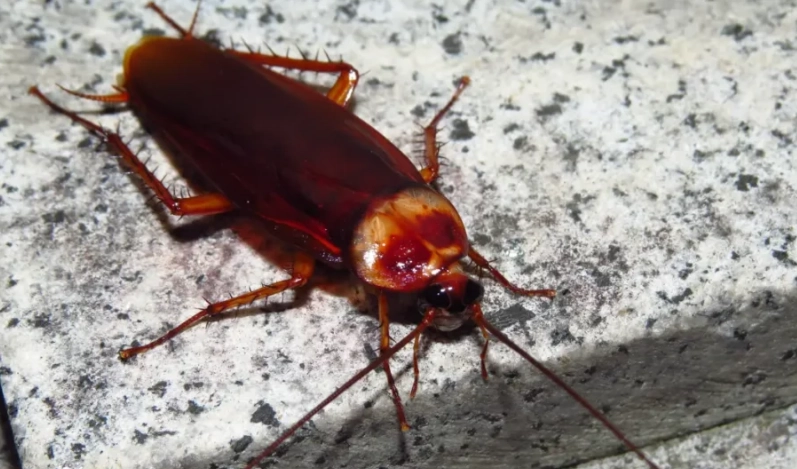
The Dry-Out Protocol: A Step-by-Step Guide
This isn't about cleaning. It's about strategic dehydration.
- Fix the Drips: This is non-negotiable. A single slow drip under a sink or from a refrigerator ice maker provides a lifetime supply for a colony. Tighten everything.
- Attack Condensation: Insulate cold water pipes, especially in basements and under sinks. That sweat on the pipes is a five-star roach resort. Use pipe insulation foam from the hardware store.
- Deny the Nightly Drink: Never leave water in pet bowls overnight. Pick them up, wash them, and put them away after your pet's last drink. This one habit disrupts a major water source.
- Break the Seal on Drains: Sink and shower drains (especially the overflow hole in bathtubs) have a constant film of moisture. At night, pour a little bleach or a enzymatic drain cleaner down them and plug them with a stopper. This makes the well poisonous or inaccessible.
- Dehumidify: If you have a damp basement, cellar, or crawl space, run a dehumidifier. Keeping relative humidity below 50% makes life very hard for them. This is a game-changer for Oriental and American roaches.
- Ventilate: Run the bathroom fan during and for 20 minutes after a shower. Use the stove hood fan while cooking. Don't let steam settle and create pockets of humidity.
It sounds tedious, but it's more effective than most sprays. Sprays kill what you see. Removing water kills what you don't see, and breaks the breeding cycle.
Pro Tip: Use silica gel desiccant packets (the "Do Not Eat" ones from shoe boxes) in cabinets, under sinks, and in electrical outlets (safely contained in a small breathable pouch). They passively suck moisture from the air, creating a localized dry zone. It's a cheap, passive weapon.
How This Works with Other Methods
Drying them out doesn't mean you ignore other tactics. It makes them work better.
Think about it. A dehydrated roach is a desperate roach. It will take more risks to find water and food. This makes it more likely to:
- Walk over your gel bait stations, which often contain attractive moisture.
- Consume insect growth regulator (IGR) baits that disrupt their reproduction.
- Be exposed to diatomaceous earth (a fine powder that scratches their waxy coating, causing them to dehydrate and die faster—see how it connects?).
By removing water, you turn your other tools from occasional hazards into critical lifelines that the roaches are forced to interact with. It's a force multiplier.
But here's a negative opinion on a common practice: Those "roach motel" sticky traps? Alone, they're pretty useless for an infestation. They catch a few scouts. But if you've cut off water, the trapped roaches die faster and can't release aggregation pheromones to call more friends to the trap. So even your monitoring becomes more effective.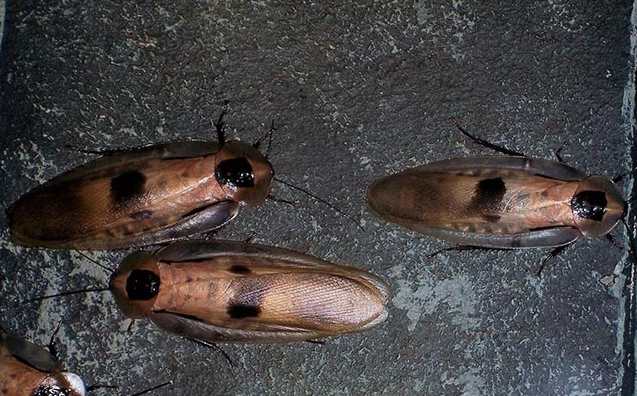
Common Questions (And Real Answers)
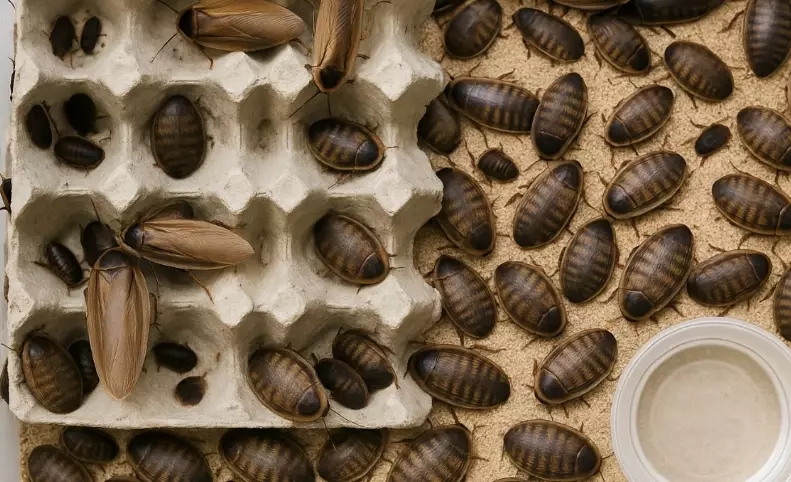
A Word on Accuracy: A lot of the extreme survival numbers you see online ("roaches can live a month without water!") often come from older studies or refer to specific, highly adaptable species in laboratory conditions. In your home, with its fluctuations and their need to be active, the one-to-two-week frame is the practical one to plan around. For authoritative information on cockroach biology and behavior, resources like the University of Florida's Entomology Department are invaluable.
Putting It All Together: Your Action Plan
So you've waded through the biology and the strategies. Let's make this simple. If you're dealing with roaches, here's your priority list, born from understanding their need for water.
Week 1: The Dry Siege. Don't even buy bait yet. Spend a week being a moisture tyrant. Fix every leak. Insulate pipes. Dry sinks and tubs religiously. Pick up pet bowls. Run dehumidifiers. Your goal is to answer the question "how long can roaches live without water in MY house" by making that answer "not long."
Week 2: Introduce the Bait. Now, place gel baits (which have a moist, attractive matrix) in areas where you suspect activity—under sinks, behind appliances, in corners of cabinets. The dehydrated population will be drawn to them like an oasis. Use IGRs (like Gentrol) to sterilize any survivors.
Ongoing: Maintain the Dry State. This isn't a one-time cleanup. It's a change in habit. Roaches are a symptom of available resources. By permanently removing the most critical resource—water—you make your home fundamentally inhospitable.
It's less about killing what's there and more about making sure nothing new can ever get started.
Look, I get it. It's frustrating. You spray and they come back. You set traps and catch a few. The idea of attacking something as basic as their water feels almost too simple. But that's why it works. You're fighting on your terms, exploiting a fundamental, unchangeable weakness. Their resilience is legendary, but it has a very specific limit. Your job is to find that limit and push them over it.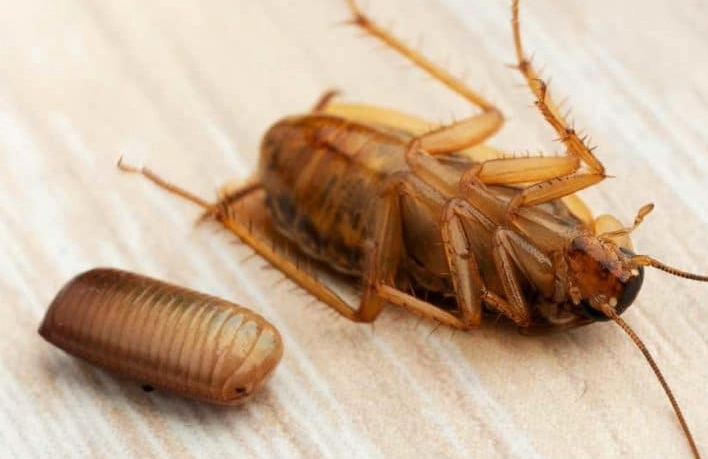
For comprehensive, science-based pest management strategies that go beyond DIY, the National Pest Management Association (NPMA) provides guidelines that often emphasize source reduction—which includes moisture control—as a cornerstone of effective management. It's not just a home remedy; it's professional-grade strategy.
So, the next time you see one, don't just reach for the spray. Reach for the wrench to fix that drip. That's a far more permanent solution. Knowing how long they can live without water gives you the power to make sure they never live that long in your space again.
LEAVE A REPLY
Your email address will not be published. Required fields are marked *