Quick Guide
- Meet the Tenant: What Exactly Is a Black House Spider?
- The Million-Dollar Question: Are Black House Spiders Poisonous to Humans?
- What If It Actually Bites? Symptoms and Realistic Outcomes
- First Aid: What to Do If You’re Bitten
- Black House Spider vs. Other Common Black Spiders
- Living With (or Without) Black House Spiders
- Safe and Effective Removal (No Murder Required)
- Your Questions, Answered (The Stuff You’re Really Wondering)
- Final Thoughts: From Fear to Fact
You’ve seen it. A dark, leggy shadow tucked in the corner of your window frame, or maybe behind a bookshelf. It’s that spider everyone just calls the “black house spider.” And the first question that pops into your head, the one that brings you here, is the big one: are black house spiders poisonous? I get it. I’ve been there, frozen with a vacuum cleaner in one hand and my phone in the other, frantically searching for answers. The internet is full of scary stories and blurry photos that make every eight-legged creature look like a deadly menace. Let’s cut through the noise.
This isn’t just a quick yes or no. It’s a deep dive into what these common roommates are all about. We’ll talk about what “poisonous” even means for spiders, what really happens if one bites you (it’s probably not what you think), and most importantly, how to live with them—or show them the door—without losing your mind. I’ll share some of my own clumsy encounters too. Because let’s be real, knowing is always better than worrying.
Meet the Tenant: What Exactly Is a Black House Spider?
Before we panic about venom, let’s make sure we’re talking about the right guy. “Black house spider” is a common name, and common names are messy. It usually refers to a species called Badumna insignis in Australia and New Zealand, and its close relatives elsewhere. But in many places, people call any dark-colored, web-building house spider a “black house spider.” For the sake of this guide, we’re focusing on the typical ones: the dark grey to black spiders that build those messy, funnel-shaped webs in quiet corners.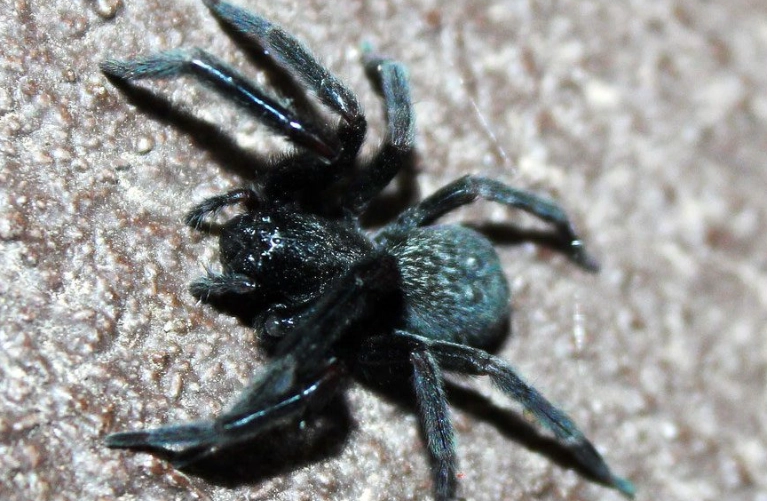
Quick ID Checklist: Is it likely a true black house spider? Look for these traits:
- Color: Charcoal grey to jet black, often with a slightly velvety appearance.
- Web: A lacy, tangled mess with a distinctive funnel or tube retreat in one corner where the spider hides. It’s not a pretty, symmetrical orb web.
- Location: Loves dry, sheltered spots. Window frames, eaves, attic corners, behind furniture, in sheds. They’re homebodies.
- Size: Females have a body up to about 18mm (¾ inch), with legs making them look larger. Males are smaller and more slender.
- Movement: They’re not great runners. If disturbed, they usually dart back into their funnel. You won’t often see them cruising across the floor like a huntsman.
I remember once confusing a black house spider with a mouse spider in my garage. The mouse spider was chunkier and burrowed in the ground—a totally different vibe. Correct identification is step one. If you want to get really precise, the Australian Museum’s page on Badumna insignis has fantastic, detailed photos and scientific info.
The Million-Dollar Question: Are Black House Spiders Poisonous to Humans?
Okay, here’s the core of it. Let’s break down the language first. In everyday talk, we say “poisonous,” but biologists are picky. They say venomous if it injects toxins (like a spider bite) and poisonous if it’s toxic when touched or eaten. So technically, spiders are venomous. But since everyone searches “are black house spiders poisonous,” we’ll use the common term, knowing what we mean.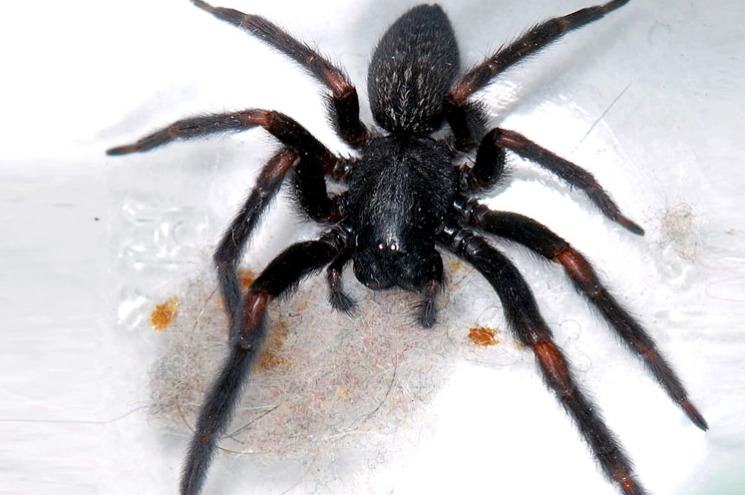
The short, direct answer is: Yes, they possess venom. Almost all spiders do—it’s how they turn their insect meals into spider smoothies. But—and this is the most critical “but”—the venom of the common black house spider is not considered medically significant or dangerous to healthy humans.
Think of it like this: many things have the potential to cause a reaction. Peanuts, bee stings, certain antibiotics. For the vast majority of people, a black house spider bite is a minor nuisance, less severe than a typical bee sting. Their venom is designed for subduing flies and moths, not for taking down mammals a thousand times their size.
The Important Exception: As with any foreign substance, individual reactions can vary. Some people might have a stronger local reaction. In extremely rare cases, someone could be allergic to the venom. This is why it’s always smart to monitor a bite, just as you would a wasp sting. The key is not to assume widespread danger from a creature that is, biologically speaking, pretty low on the threat scale to us.
So, to the person wondering if black house spiders are poisonous because they have kids or pets, the risk is generally very low. Far lower than the risks from common household chemicals or even tripping over a toy left on the floor. Their reputation is scarier than their reality.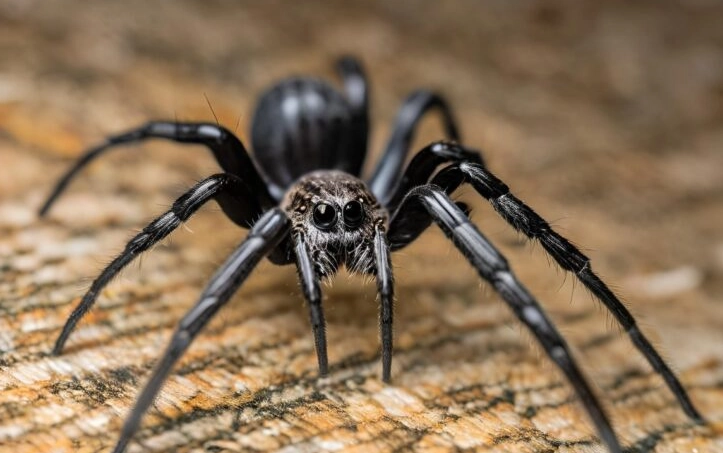
What If It Actually Bites? Symptoms and Realistic Outcomes
Bites are rare. These spiders are shy and would much rather run (well, scuttle) than fight. A bite usually happens only if they are accidentally pressed against skin—like when you put on gardening gloves they’ve been living in, or when you’re cleaning out that forgotten corner of the garage. It’s a defensive move, not an attack.
If a bite does occur, here’s what you can realistically expect, based on documented cases and clinical reports:
- Initial Sensation: Often a sharp pinch, sometimes not even felt.
- Local Effects: This is the most common reaction. The bite site may become red, swollen, and itchy or painful. It can resemble a mosquito bite or a small, angry pimple.
- Possible Progression: In some individuals, the area around the bite may become more swollen and the pain can intensify over several hours. It might even develop into a small ulcer or a blister. This looks unpleasant but is typically a localized reaction that resolves on its own.
- Systemic Symptoms (Very Uncommon): Nausea, headache, lethargy, or general malaise have been reported in a small number of cases. These pass.
- What It’s NOT: It is not a necrotic (flesh-eating) bite. That’s a dangerous myth often confused with recluse spider bites, which are a different story in different parts of the world. You won’t get a gaping wound from a black house spider.
Let’s put this in a simple table to compare with other common concerns:
| Bite/Sting Source | Typical Pain Level | Common Reaction | Medical Attention Usually Needed? |
|---|---|---|---|
| Black House Spider | Mild to Moderate | Local redness, swelling, itchiness | Rarely |
| Honey Bee | Moderate | Sharp pain, local swelling, redness | Only for allergic reactions |
| Common Mosquito | Mild | Itchy bump | No |
| European Wasp | Moderate to Severe | Intense pain, significant local swelling | For multiple stings or allergies |
See? Context matters. I’d personally take a known black house spider bite over an angry wasp sting any day.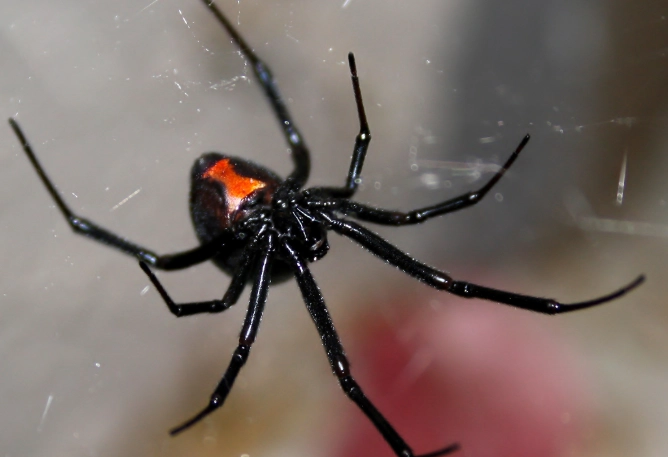
First Aid: What to Do If You’re Bitten
Stay calm. Panic doesn’t help. Follow these simple steps:
- Clean the site: Wash gently with soap and cool water. This prevents bacterial infection, which is a more common risk than the venom itself.
- Apply a cold pack: Use a wrapped ice pack or cold compress on the area for 15-minute intervals. This reduces swelling and pain.
- Elevate if possible: If bitten on a limb, keep it raised.
- Manage symptoms: Over-the-counter pain relievers (like ibuprofen or paracetamol) can help with pain. An antihistamine can help with itching.
- Monitor: Keep an eye on the bite for the next 24-48 hours.
When to See a Doctor: Seek medical advice if symptoms worsen rapidly, if you develop signs of infection (increasing redness, heat, pus, fever), or if you experience any severe systemic symptoms like difficulty breathing, dizziness, or muscle spasms. It’s always better to be safe. For authoritative first-aid guidance on spider bites in general, the Mayo Clinic’s guide is a solid, reliable resource.
Black House Spider vs. Other Common Black Spiders
This is where confusion breeds fear. Not every black spider is the same. Mistaking a harmless black house spider for a more venomous species is easy. Let’s clear that up.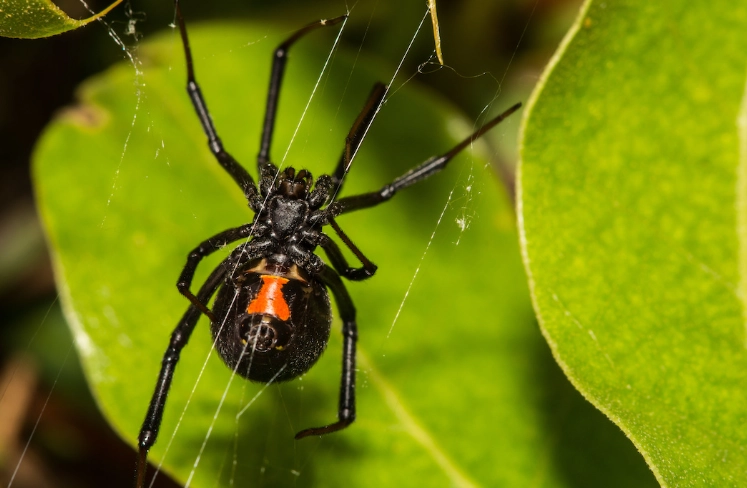
The “False Widow” (Steatoda species): These are the big imposters. They’re often glossy black or brown with some pale markings, and they build similar messy webs. Some Steatoda species have a slightly more potent venom that can cause more pronounced pain and systemic effects. They’re still not considered highly dangerous, but their bite might pack a bigger punch. Look for a more rounded, bulbous abdomen compared to the black house spider’s more cylindrical one.
The Black Widow (Latrodectus species): This is the famous one with the (sometimes) red hourglass. Widows have a very different, more globular body shape and build irregular, strong webs, often in low-lying, undisturbed areas. Their neurotoxic venom is medically significant. If you’re in an area with black widows, learning the difference is crucial. The black house spider lacks any red markings and has a different body structure entirely.
Funnel-web Spiders (Atrax/Hadronyche): This is critical for Australians. Some funnel-webs are large, black, and glossy, and they build funnel-shaped burrows in the ground or in stumps—not the messy aerial webs of the black house spider. Sydney Funnel-webs are extremely dangerous. If you are in eastern Australia and see a large, glossy black spider with prominent spinnerets (the finger-like appendages at its rear) near a ground-level funnel, exercise extreme caution and do not approach. The CDC’s overview on spiders provides good context on dangerous species, though it’s US-focused.
The takeaway? Context and details matter. A black spider in a web in your window is almost certainly a harmless house spider or false widow. A big, glossy black spider in a hole in your Sydney garden is a whole different ball game.
Living With (or Without) Black House Spiders
Now for the practical stuff. Knowing black house spiders are not dangerously poisonous might make you more tolerant. They are fantastic pest controllers, silently catching flies, mosquitos, and moths for you. If one is in an out-of-the-way spot like a garage or shed, leaving it be is a valid, eco-friendly option.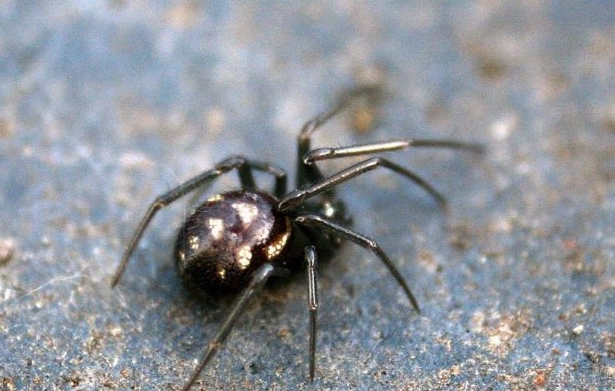
But I’m not a saint. If one sets up shop above my bed or in the shower, it’s gotta go. Aesthetics and peace of mind are real factors.
Safe and Effective Removal (No Murder Required)
You don’t need to squash them. That’s messy and, frankly, a bit harsh for a creature just doing its job. Here’s the kinder method I always use:
- The Cup-and-Card Method: Take a clear glass or plastic cup and a stiff piece of card (an old gift card is perfect). Slowly place the cup over the spider. Gently slide the card between the cup rim and the surface, trapping the spider inside. Carry it outside and release it in a sheltered spot like a bush or behind a garden shed.
- Vacuum Cleaner: For empty webs or hard-to-reach spiders, use the vacuum hose attachment. It’s effective. Just be sure to empty the vacuum bag/canister outside afterwards if you’re concerned about it crawling back out inside.
- Deterrence: Reduce their appeal. Regularly clean away webs in corners, window frames, and eaves. Seal up large cracks and gaps around windows and doors to make it harder for them to enter. Reduce outdoor lighting right near windows, as lights attract the insects that attract spiders.
Myth Bust: Commercial spider sprays and “conker” (horse chestnut) remedies are largely ineffective long-term. Sprays kill on contact but don’t provide lasting barriers, and they introduce pesticides into your home. Physical removal and exclusion are more reliable and less toxic.
Your Questions, Answered (The Stuff You’re Really Wondering)
Final Thoughts: From Fear to Fact
Look, I’m not here to tell you to love spiders. Arachnophobia is real and valid. But I am here to replace blanket fear with specific knowledge. The question “are black house spiders poisonous” has a nuanced answer: they have venom, but they pose a negligible threat to human health.
Understanding this transforms them from potential monsters into what they are: slightly awkward, beneficial, and mostly harmless little predators that happen to share our living spaces. They’re more interested in catching that buzzing fly than in bothering you.
The next time you see that familiar dark web in the corner, you can take a breath. You can make an informed choice: to let a helpful ally be, or to gently escort it outside. You’re no longer operating on fear and myth. You’ve got the facts. And that’s always the best place to start.
Knowledge really does dissolve a lot of unnecessary anxiety. Now, if you’ll excuse me, I have to go gently relocate a tenant from my back porch light. His web is getting a bit too ambitious.
LEAVE A REPLY
Your email address will not be published. Required fields are marked *