Quick Navigation
- What Exactly Is a Silverfish?
- Why Are Silverfish a Problem? (It's Not What You Think)
- Where to Look for Silverfish (The Usual Suspects)
- How to Get Rid of Silverfish: A Tiered Strategy
- Silverfish vs. Other Common Bugs (Don't Get Them Confused)
- Answering Your Silverfish Questions (FAQ)
- Wrapping It Up: Your Action Plan
Let's be honest. The first time you see one, it's a bit of a shock. You flick on the bathroom light at 2 AM, and there it is – a tiny, silvery, alien-looking thing darting under the sink faster than you can blink. Your first thought might be "what on earth IS that?" followed quickly by "is it dangerous?" and "how do I make it go away?"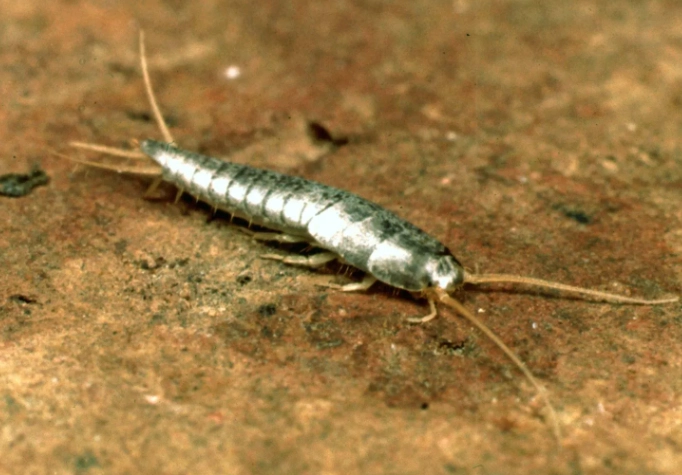
You've just met the silverfish. And if you're seeing one, there's a good chance it's not alone.
I remember my own first encounter. I pulled an old cardboard box of books out of a closet, and a handful of these little critters scattered. I was more creeped out than anything. They looked ancient, like something that belonged under a rock, not in my apartment. That started a deep dive into what they are, what they want, and most importantly, how to politely (or not so politely) show them the door.
This guide is the result of that research, plus talking to experts and testing more methods than I care to admit. We're going to move past the creepy-crawly fear and into practical, actionable control. No fluff, no scare tactics, just clear info.
What Exactly Is a Silverfish?
Silverfish (Lepisma saccharina) are one of the oldest insects on the planet. Scientists believe they've been around for over 400 million years. That means they were scurrying around long before the dinosaurs. They're not fish, of course. The name comes from their fish-like shape, silvery scales, and wiggling movement.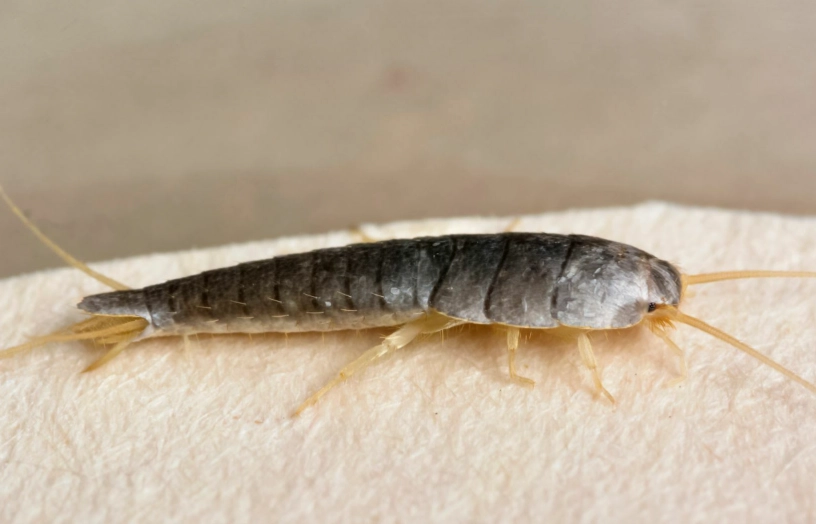
Quick ID Check: If it's less than an inch long, has a teardrop shape covered in metallic gray scales, long antennae, and three long "bristles" at its rear end, you're looking at a silverfish. They're wingless and move in a quick, darting motion that can be surprisingly fast.
They're primitive insects. They don't have the complex life cycles of flies or beetles. A silverfish bug starts as a tiny nymph, looking like a miniature adult, and just grows through a series of molts. They can live a surprisingly long time for an insect – up to eight years under the right conditions.
Now, here's the key thing to understand about silverfish behavior: they are nocturnal, moisture-loving, and starch-loving. This trio of traits tells you exactly where to find them and what they're after in your home.
Why Are Silverfish a Problem? (It's Not What You Think)
This is where people get confused. Let's clear the air.
Do silverfish bite people or pets? No. They lack the mouthparts to bite. They are physically incapable of it. So you can scratch that fear off your list.
Do they carry diseases? There is no credible evidence that silverfish are vectors for human diseases like mosquitoes or ticks can be. They're not hanging out in sewers and then tracking germs onto your countertops.
So why the bad reputation? The real issue with a silverfish infestation is property damage. They are chewing insects, and their diet is the problem.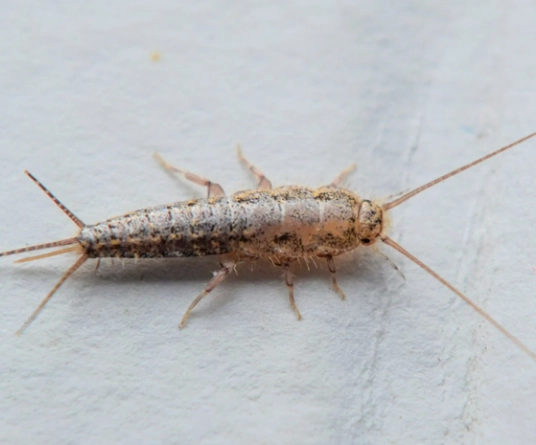
What Silverfish Love to Eat (Your Stuff)
Silverfish have a taste for polysaccharides, particularly starches and dextrins. In your home, that translates to a surprisingly broad menu:
- Paper & Books: This is the big one. They'll eat the glue in book bindings, the paper itself, photographs, wallpaper paste, and envelopes. I've seen old books with notched edges and tiny yellow stains (their feces) – classic silverfish damage.
- Fabrics: They're attracted to stains on clothing (food, sweat, bodily fluids) and will eat natural fibers like cotton and linen, especially if they are starched or soiled. They can leave irregular holes.
- Pantry Items: While not common pantry pests like beetles or weevils, they will go for dried grains, pasta, cereal, and pet food if they find it.
- Other Oddities: They've been known to feed on dead insects, their own shed skins, and even synthetic fabrics if they're soiled.
The damage is usually slow and cumulative. You won't wake up to a book that's been devoured overnight. But over months or years, a significant infestation can ruin important documents, cherished books, or clothing. For archivists, librarians, or anyone with a collection of paper items, they are a serious threat.
Beyond the damage, let's be real: they're a nuisance. Finding them is unsettling. They indicate there are conditions in your home that might attract other, potentially worse, pests. And for some people, just knowing they're there is enough to want them gone.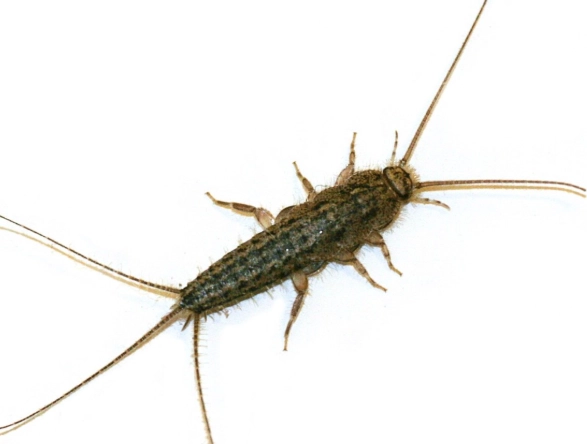
Where to Look for Silverfish (The Usual Suspects)
Remember their love triangle: darkness, moisture, and food. They seek out high humidity (ideally 75-95%) and cool-to-moderate temperatures.
Primary Hotspots:
- Bathrooms: Ground zero. Check under sinks, around toilet bases, in bathtub overflow drains, and in damp corners. That silverfish you saw was probably thirsty.
- Basements and Crawlspaces: Often damp and full of stored cardboard boxes (which they love). Check around foundations, near sump pumps, and on stored items.
- Kitchens: Under appliances (fridge, dishwasher), in dark cabinets, and especially under the sink where leaks can occur.
- Attics: If there's old stored paper, insulation, or roof leaks causing moisture.
Less Obvious Hiding Places:
- Inside the voids of walls, especially near plumbing.
- Behind baseboards and door frames.
- In the folds of stored clothing or bedding in a damp closet.
- Behind loose wallpaper – the paste is a gourmet meal.
Look for their signs: the insects themselves (alive or dead), their tiny pepper-like feces, yellow stains on paper or fabric, or shed silvery skins.
How to Get Rid of Silverfish: A Tiered Strategy
Throwing a can of spray at the problem rarely works long-term. You need a strategy that evolves from making your home less inviting to directly attacking the population. Think of it like this: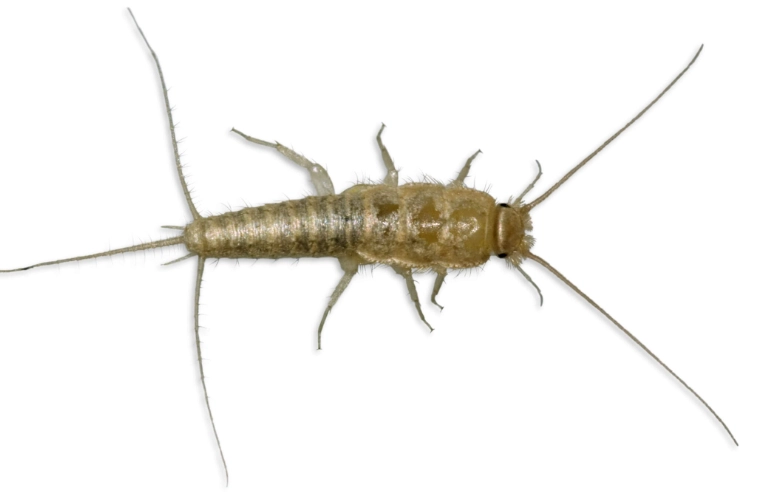
Step 1: Prevention & Habitat Denial (The Long Game)
This is the most important step and often neglected. If you don't change the environment, they or others will come back. It's about eliminating what a silverfish needs.
Reduce Moisture: This is critical. Use dehumidifiers in basements, crawlspaces, and other damp areas. Aim for below 60% relative humidity. Fix leaky faucets, pipes, and appliances immediately. Improve ventilation in bathrooms and kitchens—run exhaust fans during and after showers/cooking. Ensure your home has proper drainage and grading so water flows away from the foundation.
Eliminate Food Sources: Store important papers, books, and documents in sealed plastic bins, not cardboard boxes. Regularly vacuum and declutter storage areas. Keep pantry items like flour, cereal, and pasta in airtight glass or hard plastic containers. Be mindful of food spills and stains on clothing; store clean, dry clothes only.
Seal Entry Points: Caulk cracks and crevices in foundations, around baseboards, and where utilities enter the home. Install door sweeps. Repair torn window screens.
Step 2: Active Population Control (Direct Action)
When you're already seeing silverfish bugs, you need to combine prevention with active measures. Here's a breakdown of common methods, from simple to more involved.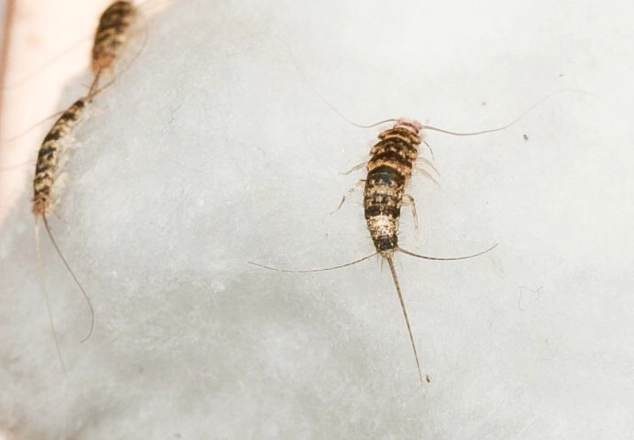
| Method | How It Works | Pros | Cons / My Take |
|---|---|---|---|
| Diatomaceous Earth (DE) | A fine powder made from fossilized algae. It's abrasive and absorbs lipids from insects' exoskeletons, causing them to dehydrate and die. | Non-toxic to humans/pets (use food-grade), long-lasting if kept dry, works on many crawling pests. | Works slowly. It's a physical desiccant, not an instant poison. You must apply a light, even dust in areas where they travel (under appliances, along baseboards). It's messy and loses effectiveness if it gets wet. I've had mixed results—good for maintenance, less so for a heavy infestation. |
| Boric Acid & Baits | A stomach poison that also abrades the exoskeleton. Often mixed with a food attractant (like flour or sugar) in homemade or commercial baits. | Very effective, relatively low toxicity to mammals in small amounts, insects can carry it back to nests. | USE WITH CAUTION around pets and children. Must be placed in inaccessible areas. The U.S. Environmental Protection Agency (EPA) regulates its use as a pesticide. It can be the cornerstone of a DIY approach if applied correctly and safely. |
| Insecticidal Dusts (e.g., CimeXa, Delta Dust) | Engineered silica or pyrethrin-based dusts designed for pest control. They work similarly to DE but are often more effective and longer-lasting. | Highly effective, long residual action, good for wall voids and other hidden spaces. | Typically labeled for professional use or requires careful reading of labels. Not all are safe for home use around families. This is where you might consider a pro. |
| Pheromone Traps | Sticky traps coated with a scent that attracts silverfish. | Excellent for monitoring. They tell you if you have an active problem and where it's worst. Non-toxic. | They don't control an infestation on their own. They catch wandering individuals but won't eliminate the source. I always recommend using a few traps under sinks and in basements just to keep an eye on things. |
| Pyrethrin/Pyrethroid Sprays | Contact insecticides derived from chrysanthemums (pyrethrin) or synthetic versions (pyrethroids). | Can provide a quick "knockdown" of visible insects. | Offer little to no residual control. They only kill what they directly hit. They don't address the hidden population and can cause insects to scatter deeper into walls. I'm not a big fan of sprays as a primary solution for silverfish. |
My personal go-to combo? Severe moisture control + strategic boric acid bait stations in safe, hidden locations + DE or traps for monitoring. It's a multi-pronged attack that addresses both the symptom and the cause.
Step 3: When to Call a Professional
There's no shame in it. If the infestation is widespread, if you're dealing with valuable items at risk, or if DIY methods haven't worked after a few months, call a licensed pest control professional (PMP).
A good pro won't just spray. They will do a thorough inspection, identify moisture sources and harborage sites, and likely use a combination of crack-and-crevice treatments with insecticidal dusts, along with recommending the cultural changes we've discussed. They have access to tools and products not available to consumers. The National Pest Management Association (NPMA) is a great resource for finding reputable professionals and understanding standard practices.
Silverfish vs. Other Common Bugs (Don't Get Them Confused)
It's easy to mix them up. Here’s a quick cheat sheet:
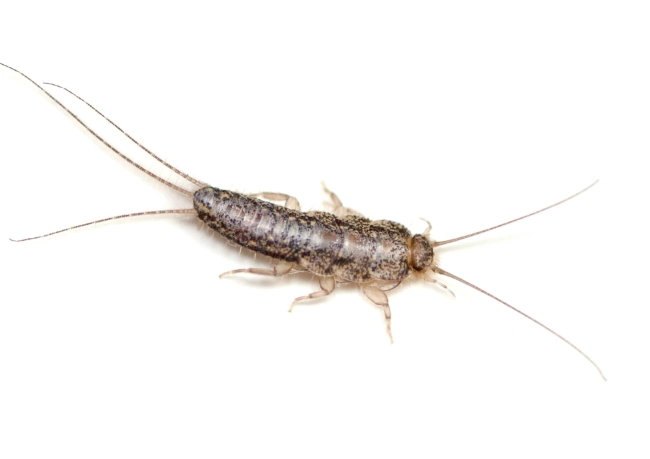
- Firebrats: Close cousins to silverfish. Nearly identical shape and behavior, but they are mottled gray/brown and prefer HOT, dry areas (near furnaces, boilers, insulation).
- Earwigs: Dark brown/black, with prominent pincer-like cerci at the rear. They don't have the silvery scales or teardrop shape.
- Carpet Beetle Larvae: Small, fuzzy, slow-moving larvae that damage fabrics. They look like tiny caterpillars, not fast-moving silver insects.
- Centipedes: Many more legs, elongated body, and much faster. They are predators that actually eat silverfish and other insects.
Answering Your Silverfish Questions (FAQ)
Wrapping It Up: Your Action Plan
Dealing with silverfish is more of a marathon than a sprint. It's about changing the environment of your home. Here’s a quick checklist to start with today:
- Investigate: Go to the rooms where you've seen them. Feel for dampness. Look for leaks. Check cardboard storage.
- Dehumidify: Get a hygrometer to measure humidity. Run a dehumidifier in problem areas.
- Declutter & Seal: Get rid of old cardboard boxes. Transfer important paper items to plastic. Caulk cracks.
- Choose Your Control Method: Decide on a safe, direct control method—whether it's food-grade DE, carefully placed boric acid bait, or sticky traps for monitoring.
- Monitor: Give it time. Check traps. Don't expect overnight miracles.
- Call for Backup if Needed: If you're not making progress, get a professional assessment.
Silverfish are creepy, but they're manageable. They've survived for hundreds of millions of years because they're good at what they do: finding damp, starchy hideouts. Your job is to show them that your home is no longer one of those places. Start with the moisture. Everything else gets easier from there.
Good luck! And if you find an old book with their tell-tale damage, well, now you know who the culprit was.
LEAVE A REPLY
Your email address will not be published. Required fields are marked *