Quick Navigation
- What Exactly Is an Assassin Bug? Breaking Down the Basics
- From Ambush to Lure: How Assassin Bugs Hunt
- The Elephant in the Room: The Assassin Bug Bite
- The Good, The Bad, and The Ugly: Are They Beneficial or Pests?
- Beyond the Garden: Assassin Bugs and Human Health
- Coexisting with Assassin Bugs: A Practical Guide
- Assassin Bug FAQs: Your Questions, Answered
- The Final Verdict: Respect, Don't Fear
Let's be honest, the name "assassin bug" sounds like something from a spy thriller, not your backyard. The first time I heard it, I pictured a tiny insect in a black suit with a microscopic briefcase. The reality is both less dramatic and far more fascinating. These aren't bugs to be casually squished. In fact, after learning about them, you might just start looking for them.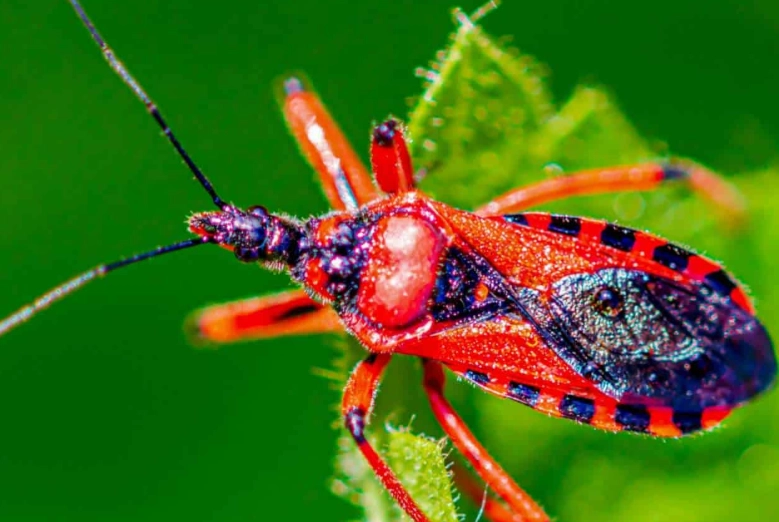
They're the ultimate ambush predators of the insect world, members of the Reduviidae family. Think of them as the sit-and-wait specialists. They don't chase their food. They let it come to them. I remember spotting my first one on a sunflower stalk—perfectly still, front legs poised like a praying mantis, but with a completely different vibe. It looked patient. Deadly patient.
This guide isn't just a dry list of facts. We're going to dig into what makes an assassin bug tick, why that infamous bite happens, and the surprising truth about whether they're friend or foe. If you've ever found a strange, long-legged bug with a curved beak and wondered "what on earth is that?", you're in the right place.
What Exactly Is an Assassin Bug? Breaking Down the Basics
So, what are we actually talking about here? Assassin bugs are a huge family, with over 7,000 species worldwide. They're true bugs, meaning they have piercing-sucking mouthparts (that beak, called a rostrum) and incomplete metamorphosis (the nymphs look like tiny, often wingless versions of the adults).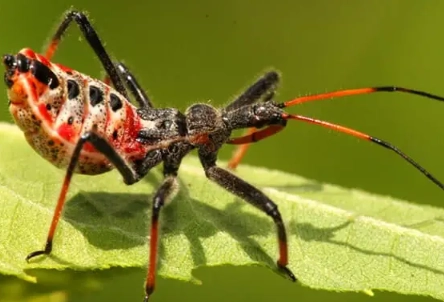
Size varies wildly. Some are tiny, just a few millimeters long, easily mistaken for a bit of plant debris. Others, like the impressive Wheel Bug (Arilus cristatus) found in North America, can be over an inch and a half long. That one's hard to miss, with its distinctive cogwheel-shaped crest on its thorax. It looks like a medieval knight's helmet.
Quick ID Tip: The most reliable feature isn't color or size—it's the shape. Look for a relatively narrow head with a prominent, curved, needle-like beak that tucks neatly under the body when not in use. The front legs are often thicker and designed for grabbing, not walking.
Their colors are a masterclass in camouflage. You get browns, grays, blacks, and greens that blend into bark, soil, or leaves. Some tropical species are brightly colored, which in nature often screams "I'm toxic, don't eat me!". But the real artistry is in their behavior. They move slowly, deliberately. No frantic scurrying. It's all about stealth.
The Assassin's Toolkit: Anatomy of a Predator
Every part of an assassin bug is built for its lifestyle. Let's break down the key features.
The Beak (Rostrum): This is the business end. It's not like a mosquito's simple proboscis. It's a three-part syringe. Two outer stylets form a protective sheath, and inside are two canals: one for injecting saliva, one for sucking up the liquefied insides of their prey. The saliva is the scary part—it contains potent enzymes and neurotoxins that paralyze the prey and start digesting its tissues from the inside out. It's essentially injecting its prey with a digestive smoothie, then drinking the result. Gruesome, but effective.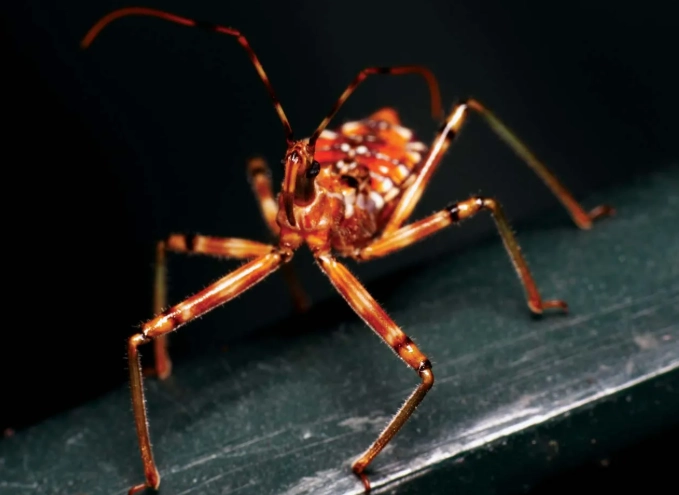
Front Legs: These are their grappling hooks. Often raptorial (modified for grasping), they're used to swiftly snatch and hold struggling prey while the beak does its work. The grip is surprisingly strong for their size.
Antennae and Eyes: Their vision is decent, but they rely heavily on vibration and touch. Those long, often thin antennae are constantly sensing the air and surfaces around them. They can feel the faintest footstep of an aphid or caterpillar.
From Ambush to Lure: How Assassin Bugs Hunt
Not all assassin bugs use the same strategy. It's not just hiding and stabbing. They've evolved some incredibly clever tricks.
The classic method is the ambush. They'll sit motionless on a flower, a stem, or even on the ground, front legs raised, blending in perfectly. When an unsuspecting insect—a bee, a beetle, a caterpillar—gets within range, snap! The front legs shoot out, pinning the victim, and the beak delivers a lightning-fast stab. The whole process is over in seconds. The prey stops moving almost immediately due to the neurotoxins.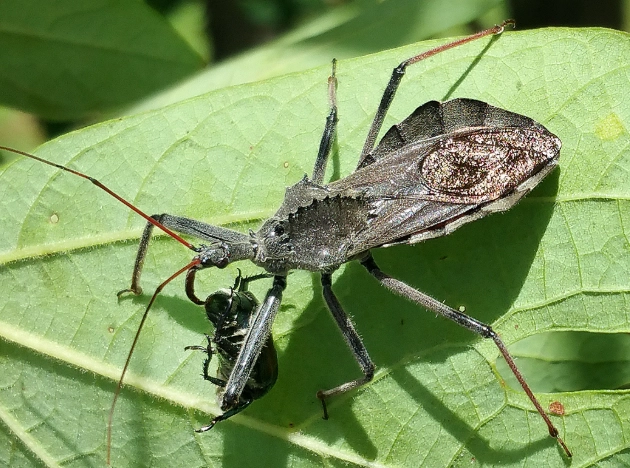
Then there's the active foraging method. Some species, especially smaller ones, will slowly stalk their prey across leaves. It's a painstakingly slow pursuit.
But the most mind-blowing strategy belongs to the ambush bugs (a subfamily of assassin bugs) and others who practice aggressive mimicry. They don't just hide; they attract. Some species have bright markings on their legs that they wave slowly, mimicking the movement of a flower's stamen or a tasty bit of pollen. Bees and flies, coming in for a snack, get a fatal surprise. Others cover their legs with sticky plant resins or even the carcasses of their previous victims to attract scavenging insects. It's a macabre but brilliant bait-and-switch.
The Elephant in the Room: The Assassin Bug Bite
This is why most people search for them online. The bite. Let's get straight to it.
Assassin bugs are not aggressive toward humans. They have zero interest in us as a food source. A bite almost always happens because the bug feels threatened, trapped, or squished. You might accidentally press one against your skin while gardening, or one might get caught in your clothing.
The Pain: It's famously, memorably painful. Descriptions range from a sharp, intense bee-sting-like pain to a deep, throbbing ache that can last for hours or even a couple of days. The wheel bug's bite is particularly notorious. It's not an exaggeration to say it's one of the more painful insect bites in North America. The initial sharp pain is from the physical puncture, but the prolonged ache is from the powerful digestive enzymes being injected into your tissue. Your body does not appreciate that.
The bite site typically becomes red, swollen, and itchy. For most people, it's a localized reaction—unpleasant and memorable, but not medically dangerous. However, as with any insect bite or sting, some individuals can have more severe allergic reactions.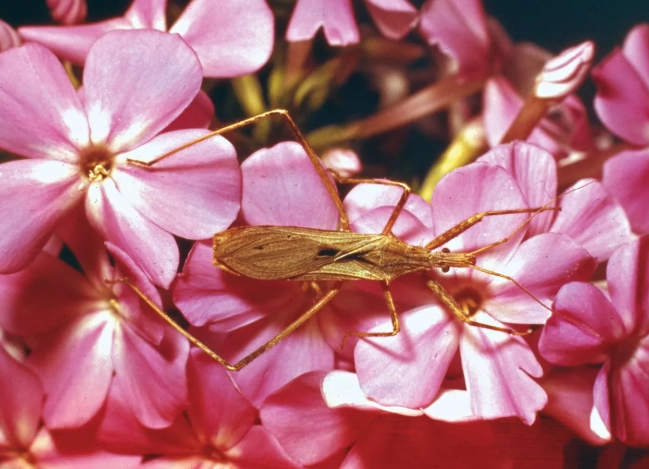
What To Do (And NOT Do) If You're Bitten
If you have the misfortune of experiencing an assassin bug bite, here's a practical, step-by-step approach.
- Stay Calm and Move Away. Gently brush the insect off. Don't slap or crush it, as that could cause it to bite again or release irritants.
- Wash the Area. Use soap and cool water thoroughly. This helps remove any residual saliva or contaminants.
- Apply a Cold Compress. This is the single best thing for the pain and swelling. Use an ice pack wrapped in a cloth for 10-15 minutes at a time.
- Monitor the Site. Watch for signs of a spreading rash, increased swelling beyond the immediate area, difficulty breathing, dizziness, or nausea. These are signs of a more serious allergic reaction.
- Consider Over-the-Counter Relief. An oral antihistamine (like Benadryl) can help with itching and allergic response. A topical hydrocortisone cream can also reduce itch and inflammation.
What NOT to do: Don't try to "suck out the venom." That's for snake bites in movies and doesn't work for injected enzymes. Don't apply heat initially, as it can increase swelling. Avoid scratching, as it can break the skin and lead to a secondary bacterial infection.
When in doubt, or if symptoms seem severe, seek medical attention. It's always better to be safe. For authoritative first-aid information on insect bites and stings, you can always refer to resources from the Centers for Disease Control and Prevention (CDC) or the American Red Cross.
The Good, The Bad, and The Ugly: Are They Beneficial or Pests?
This is where perspective flips. To a gardener or farmer, most assassin bugs are considered highly beneficial insects. They are voracious predators of a wide range of common pests.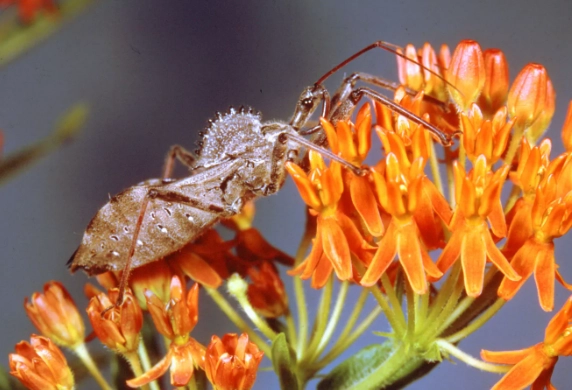
Take a look at what's on their menu. This table shows just how helpful they can be.
| Common Garden Pests Eaten | How the Assassin Bug Helps | Notes |
|---|---|---|
| Aphids | Direct population control of sap-sucking pests. | Both nymphs and adults feed on aphids. |
| Caterpillars | Targets leaf-eating larvae of moths and butterflies, including some cabbage worms. | Can take on prey larger than themselves. |
| Japanese Beetles & Other Beetles | Reduces numbers of hard-bodied foliage destroyers. | Their powerful beak can penetrate tough beetle shells. |
| Leafhoppers & Treehoppers | Controls other sap-sucking insects that can spread plant diseases. | Specialized hunters for these quick pests. |
| Mosquitoes & Flies | Some species specifically hunt flying insects. | A great form of natural biocontrol. |
See the pattern? They're essentially free, organic pest control. They don't damage plants, they don't eat your vegetables. They eat the things that do. Integrated Pest Management (IPM) programs often encourage their presence. Universities with strong entomology departments, like the University of Minnesota Department of Entomology, have extensive resources on promoting beneficial insects like assassin bugs in gardens and farms.
Now, the "bad" side is almost exclusively related to that defensive bite. They are not a threat to structures like termites, they don't infest homes like cockroaches, and they don't target pets. The risk is a chance encounter that leads to a painful bite. For most people, the ecological benefit far outweighs this small, avoidable risk.
The "ugly"? Well, their feeding method is pretty brutal by our standards. But in the ecosystem, it's just efficient.
Beyond the Garden: Assassin Bugs and Human Health
We need to address a specific and serious sub-topic. While the vast majority of assassin bugs are just garden predators, one subfamily, the Triatominae, are known as "kissing bugs." These are a significant public health concern in parts of the Americas, including the southern United States, Mexico, and Central and South America.
This is crucial: Not all assassin bugs are kissing bugs, but all kissing bugs are a type of assassin bug. The key difference is behavior and diet. Kissing bugs are blood-feeders on vertebrates (like mammals, birds, and humans). They are nocturnal and often live in cracks and crevices of homes, especially in rural areas with poor housing construction. They are called "kissing bugs" because they often bite people on the face, near the lips, while they sleep.
The major danger from kissing bugs is their ability to transmit the parasite Trypanosoma cruzi, which causes Chagas disease. This is a chronic, potentially life-threatening illness.
Do not panic. The common garden-variety assassin bugs you find on your plants (like the wheel bug or milkweed assassin bug) are NOT kissing bugs. They do not feed on blood and do not transmit Chagas disease. The risk comes from a specific group with very different habits. For accurate identification and information on Chagas disease, the CDC's Chagas Disease page is the definitive source.
Coexisting with Assassin Bugs: A Practical Guide
So, you want the pest control benefits but don't want to get bitten. It's a reasonable goal. Here's how to make it work.
In the Garden:
- Look, Don't Touch. The golden rule. Appreciate them from a distance. Use a camera or just observe.
- Wear Gloves. When gardening, especially when reaching into dense foliage, wearing gloves is simple protection against accidental encounters with not just assassin bugs, but thorns, spiders, and other surprises.
- Shake Out Gear. If you leave gardening gloves, hats, or kneeling pads outside, give them a good shake before putting them on. Insects of all kinds like to hide in them.
- Promote a Healthy Ecosystem. Avoid broad-spectrum insecticides. These will kill the assassin bugs and other beneficials along with the pests, creating a worse problem long-term. Plant diverse, native flowering plants to support a whole food web.
If One Gets in Your House:
- Stay calm. It likely flew in by accident, attracted to light.
- Use the cup-and-card method. Gently trap it under a clear cup or jar, slide a stiff piece of paper or cardboard underneath, and carry it outside to release.
- Do not try to handle it with bare hands.
Assassin Bug FAQs: Your Questions, Answered
Assassin Bug FAQs: Your Questions, Answered
The Final Verdict: Respect, Don't Fear
After all this, my own view has solidified. Assassin bugs are incredible animals. They're efficient, specialized, and play a non-negotiable role in keeping insect populations in check. That bite is no joke, I won't downplay that. But it's a defensive last resort, not an offensive strategy.
The next time you're in the garden and see one of these cryptic hunters poised on a stem, take a moment. Don't reach for the spray or the shoe. Just watch. You're looking at millions of years of evolutionary refinement in the art of the ambush. They're not out to get you. They're out to get the bugs that are out to get your plants.
By understanding them—knowing how to identify them, why they behave the way they do, and how to avoid their bite—you can safely appreciate one of nature's most effective and fascinating small-scale predators. Turn that initial fear or curiosity into respect. Your garden will likely be better for it.
Want to Learn More? For truly in-depth, scientifically accurate information on insect identification and biology, nothing beats the resources from major natural history museums and university extensions. The BugGuide network, hosted by Iowa State University's Department of Entomology, is a fantastic citizen-science resource for identification, and the University of Kentucky Entomology department has some of the best public-facing fact sheets around.
LEAVE A REPLY
Your email address will not be published. Required fields are marked *