I remember the first time I saw one. I was reaching for a tomato, and there it was, clinging to the leaf stem like a tiny, living piece of jewelry. Brilliant red body, sleek black wings, and legs that looked like they were designed for speed. My first thought wasn't "beneficial insect"—it was "should I be worried?".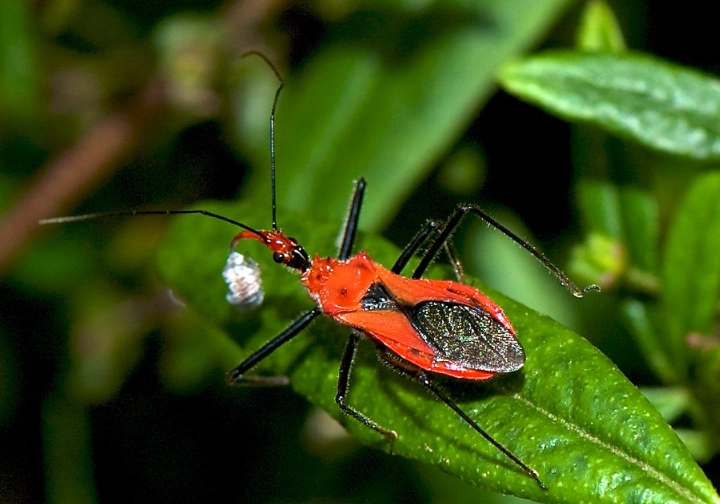
That's the thing about the Red Assassin Bug (and its close relatives often grouped under the same common name). They look dangerous. And honestly, they are, if you're a garden pest. But for a gardener? They might just be one of the best allies you never knew you had. Let's cut through the confusion and the fear. This isn't just another bug guide; it's a straight talk session about what this predator is, what it does, and how to live with it (or gently encourage it to move along if it's in the wrong place).
What’s Inside?
- What Exactly Is a Red Assassin Bug?
- The Life and Times of a Garden Assassin
- The Great Garden Debate: Beneficial Predator or Nuisance?
- Living with Red Assassin Bugs: A Practical Guide
- Red Assassin Bug vs. The Look-Alikes: A Crucial ID Check
- Your Red Assassin Bug Questions, Answered
- A Final, Personal Thought
What Exactly Is a Red Assassin Bug?
First, let's clear up the name. "Red Assassin Bug" isn't the scientific name for a single species. It's a common name that gets slapped on a few different species of true bugs in the family Reduviidae that happen to be, well, red. The most famous candidate is probably Pselliopus cinctus, the Ringed Assassin Bug, with its distinctive red-orange body and black bands. You might also find Zelus luridus, which can be greenish but often has reddish hues, doing the same job.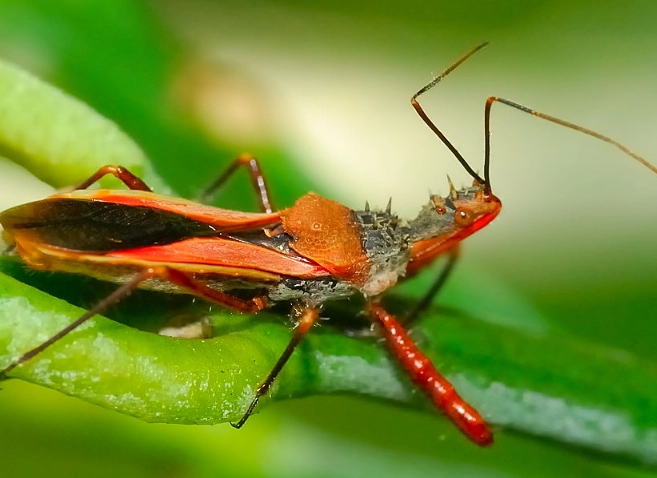
They're often confused with other red and black insects. I've seen people panic, thinking they've found a kissing bug (also in the Reduviidae family, but a different subfamily). That's a serious concern, but here in North America, the red assassin bugs you find in your garden are not the blood-feeding kind. They're insect hunters. The University of Florida's Entomology Department has a great resource on beneficial assassin bugs that helps distinguish the good guys from the rare problematic ones.
So what are they? They're stealth predators. They don't build webs or chase prey down over long distances. They use the sit-and-wait method, or slowly stalk their target. And their weapon? A powerful, straw-like beak called a rostrum.
Anatomy of a Hunter: How to Spot One
You can't mistake them once you know what to look for. They have this angular, almost robotic look. The head is narrow and distinct from the body, with prominent, curved eyes that give them excellent vision. The antennae are long and thin, constantly sensing the air.
But the real giveaway is the beak. It's thick, three-segmented, and curves back underneath their head when not in use, kind of like a folded knife. This isn't for sipping nectar. It's a hypodermic needle. When they find prey, they stab with lightning speed, inject a potent cocktail of enzymes that paralyzes the victim and liquefies its insides, and then... well, they slurp up the bug smoothie. It's brutal, but incredibly effective pest control.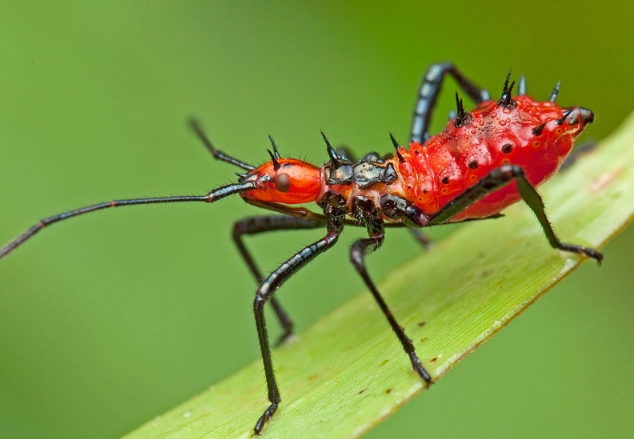
Their coloration—that vibrant red, often with black markings on the wings and legs—is a warning. In nature, bright colors often scream "don't eat me, I'm dangerous or taste bad." It's a defense against birds and lizards.
The Life and Times of a Garden Assassin
These bugs go through a simple metamorphosis: egg, nymph, adult. The females lay clusters of distinctive, barrel-shaped eggs, often on leaves or stems. The nymphs that hatch look like tiny, wingless, and often even brighter versions of the adults. They're just as hungry, too.
I watched a nymph on my milkweed plant last summer. It was maybe a quarter-inch long, fire-engine red, and it took down an aphid twice its size. It was relentless. The entire lifecycle, from egg to adult, can take several weeks to a couple of months, depending on the species and climate. In warmer areas, you might get multiple generations a year.
| Life Stage | Appearance | Key Activity | Duration |
|---|---|---|---|
| Egg | Small, cylindrical, brownish clusters glued to plants. | Development; often overlooked. | 1-2 weeks |
| Nymph (Instars 1-5) | Wingless, brightly colored (red/orange), resembles adult. | Extremely active hunting of small pests like aphids. | 4-8 weeks total |
| Adult | Fully winged, vivid red & black pattern, ~0.5-0.75 inches. | Hunting, mating, laying eggs. Top-tier predator. | Several weeks to months |
Their hunting strategy is fascinating. Some species, like certain Zelus, use a sticky substance on their front legs to snag prey—like living flypaper. Others are pure ambush artists. They'll sit perfectly still on a flower head, blending in, waiting for a bee or fly to come within striking distance. This is where they get a bad rap from beekeepers, as they can occasionally prey on honeybees. It's a valid concern, though studies like those referenced by the USDA's Agricultural Research Service suggest their overall impact on healthy hives is minimal compared to their consumption of true pests.
The Great Garden Debate: Beneficial Predator or Nuisance?
Let's weigh it out. On the pro side, the list is impressive.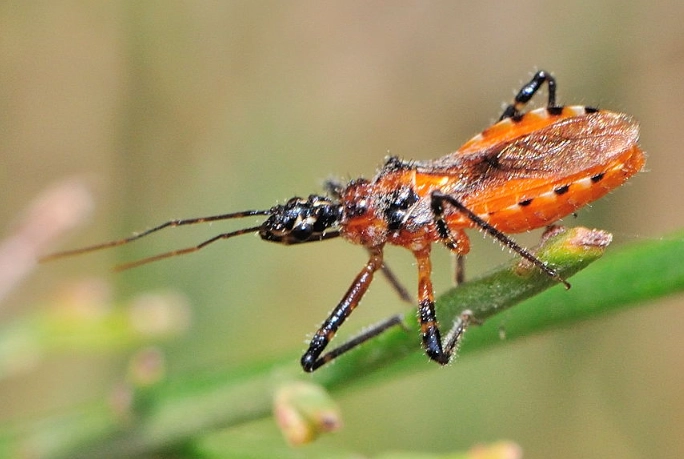
- Voracious Appetite: A single red assassin bug can consume hundreds of pest insects in its lifetime. We're talking aphids, small caterpillars (including cabbage loopers and tomato hornworms in their early stages), beetle larvae, leafhoppers, and even stink bugs.
- Free, Non-Toxic Pest Control: They work 24/7 for no cost. They leave no chemical residues and don't harm plants.
- Target Specific: They go after mobile, soft-bodied pests that are often the bane of a gardener's existence.
- Ecosystem Balance: Their presence indicates and contributes to a diverse, balanced garden where pests are kept in check naturally.
But it's not all roses. There are legitimate cons.
- The Bite: This is the big one. Red assassin bugs can and will bite humans if they feel threatened, are handled, or accidentally pressed against skin. I haven't been bitten by one of the red ones, but I've been nailed by a related species. It feels like a sharp bee sting that can throb for hours. It's not medically significant for most people (no venom), but it's painful and can cause localized swelling. The CDC clarifies that the assassin bugs of concern for Chagas disease are specific, blood-feeding species not typically encountered in most North American gardens.
- Indiscriminate Hunting: They will eat beneficial insects too. Ladybug larvae, lacewings, and yes, the occasional bee or butterfly. They're opportunists.
- Presence Can Be Alarming: Finding one on your patio furniture or, worse, inside your home, is unsettling. Their appearance screams "caution."
My personal take? In the vast majority of garden settings, the benefits far outweigh the risks. You're much more likely to be annoyed by mosquitoes or have your plants destroyed by aphids than to be bitten by an assassin bug. They're a key part of the natural checks and balances.
Living with Red Assassin Bugs: A Practical Guide
Okay, so you've identified one in your yard. What now?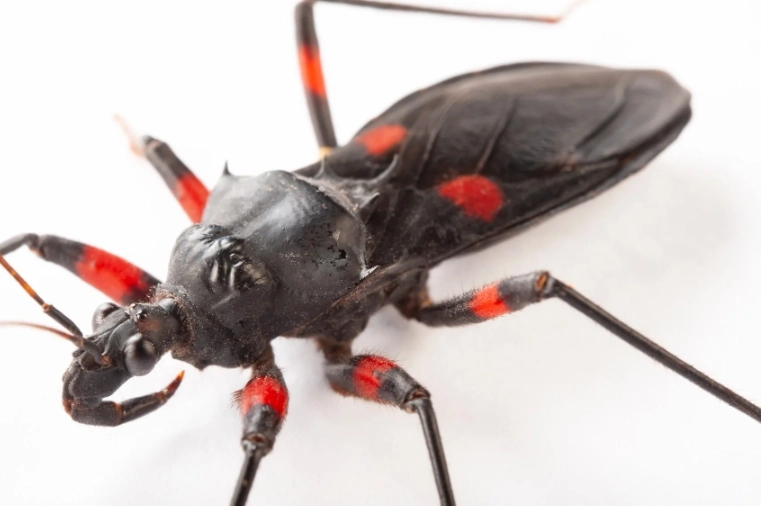
If You Want to Encourage Them (The Gardener's Approach)
Do nothing. Seriously. The best way to attract and keep these beneficial predators is to stop using broad-spectrum insecticides. Those chemicals kill the good bugs just as dead as the bad ones. Instead, focus on:
- Plant Diversity: Grow a variety of flowering plants to support a whole ecosystem of insects, which provides a stable food source for predators.
- Provide Shelter: Leave some leaf litter, have a small rock pile, or let a patch of your garden grow a little wild. They need places to hide and overwinter.
- Tolerance: Accept a little bit of pest damage. A few aphids on a plant are the signal that brings in the assassins. If you wipe out every pest instantly, the predators have no reason to stay.
If You Need to Manage Them (The Safety-First Approach)
Maybe they're too close for comfort—on the kids' playset, the porch, or you just have a severe phobia. You don't need to reach for the spray can.
The absolute best method is physical removal. Gently coax the bug onto a piece of paper or into a cup, and relocate it to a shrub or garden area away from high-traffic spots. They're not aggressive; they're defensive. A slow, gentle approach avoids provoking a bite.
To keep them from entering your home, ensure window screens are tight and seal cracks around doors and foundations. They're usually wandering inside by accident, not to set up shop.
Ouch! I Got Bit by a Red Assassin Bug
Stay calm. Remember, these are not venomous in the way a spider or snake is. The pain is from the physical puncture and the digestive enzymes. Here's what to do:
- Wash the area thoroughly with soap and cool water.
- Apply a cold pack or ice wrapped in a cloth to reduce swelling and pain.
- Take an over-the-counter antihistamine (like Benadryl) if itching is severe, and use hydrocortisone cream on the bite site.
- Monitor the bite. While severe allergic reactions are extremely rare, watch for signs of infection (increasing redness, warmth, pus) or anaphylaxis (difficulty breathing, swelling of the face/throat). Seek medical attention immediately if any systemic symptoms appear.
The pain usually subsides in a few hours, but tenderness can last a day or two. It's a memorable experience, one that certainly teaches you to respect wildlife.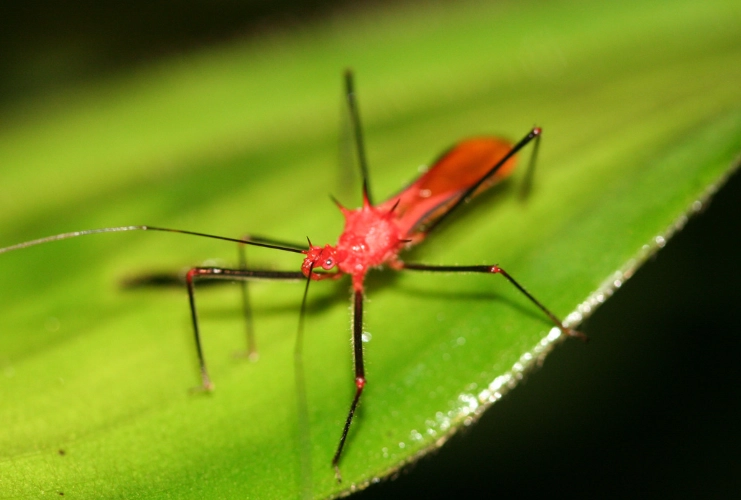
Red Assassin Bug vs. The Look-Alikes: A Crucial ID Check
This is where people get tripped up. Let's clear the air on a few common imposters.
- Boxelder Bugs: These are true bugs too, but they're flatter, have more distinct black lines on red wings, and are seed-feeders, not predators. They're nuisance pests that gather in large numbers but don't bite.
- Milkweed Bugs: Similar red and black pattern, but they feed exclusively on milkweed seeds. They're often found in clusters and have a more rounded shape. No biting risk.
- Kissing Bugs (Triatominae): This is the serious one. They are a subfamily of assassin bugs. Key differences: Kissing bugs are usually darker (brown or black, sometimes with red markings), have a cone-shaped head, and stripes along the edge of their body. Crucially, they are nocturnal and feed on vertebrate blood. While their range is expanding, finding one in your garden in most of the U.S. is still unlikely compared to the common red assassin bug. The Texas A&M University's insect identification resources provide excellent comparison images if you're in a concerned area.
When in doubt, observe behavior. Is it slowly stalking other insects? It's likely a beneficial predator. Is it clustered on a tree or plant in large numbers, not moving much? Probably a seed-feeding look-alike.
Your Red Assassin Bug Questions, Answered
A Final, Personal Thought
I'll be honest, I still jump a little when I see one up close. That beak is no joke, and they have an intense, purposeful aura about them. They're not "cute" beneficials like ladybugs. They're the silent commandos of the insect world.
But learning about them transformed my perspective. That initial fear turned into respect. Now, when I see that flash of red and black among the leaves, I don't reach for a spray. I pause and watch. I might see it take out a hornworm that was about to decimate my tomato plant. In that moment, the red assassin bug isn't a scary intruder; it's a partner in the messy, complicated, and utterly fascinating business of gardening.
They remind us that not every insect with a fearsome reputation is a foe. Sometimes, the best protection for your garden comes in a sleek, red and black package, armed and ready—just not against you.
LEAVE A REPLY
Your email address will not be published. Required fields are marked *