Let's be honest, ticks are the worst. You're out enjoying a hike, or maybe just letting the dog out in the backyard, and these tiny hitchhikers see it as an all-you-can-eat buffet invitation. I've pulled a few off my own jeans after gardening, and it's never a pleasant experience. But have you ever stopped to think about where they come from? I mean, they don't just materialize out of thin air. Understanding the life cycle of ticks isn't just entomology trivia; it's your secret weapon in figuring out how to fight them. It explains why they're so persistent, when they're most active, and most importantly, how you can break their life cycle before they become a problem for your family or pets.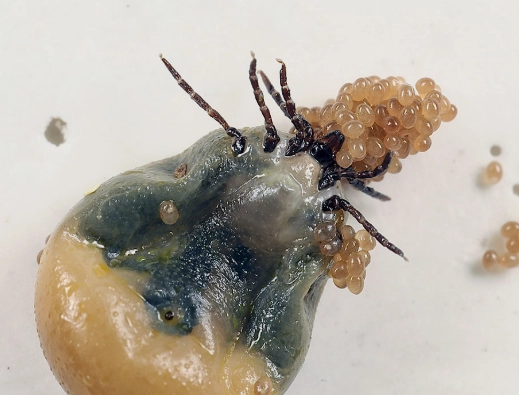
Most people think a tick is just a tick. You see a bug, you pull it off. But the reality is so much more complex. That single adult tick you find represents the end of a years-long journey that involves multiple stages, hosts, and a whole lot of waiting around. It's a survival story, and honestly, it's a pretty impressive (if disgusting) one. By the end of this, you'll see ticks differently. Not with sympathy, mind you, but with the strategic understanding needed to outsmart them.
Your Quick Guide
From Egg to Horror: The Four-Stage Life Cycle of Ticks
All ticks, whether it's the infamous black-legged tick (deer tick) or the common dog tick, go through the same four-stage life cycle: egg, larva, nymph, and adult. It's a process called metamorphosis, but unlike butterflies, every stage after the egg needs a blood meal to move on to the next. That's the key to the whole, miserable cycle.
Stage 1: The Egg Mass (Where It All Begins)
It starts in a mass of thousands of eggs, often looking like a pile of tiny, rusty caviar, laid by a single engorged female in a protected spot like leaf litter or at the base of tall grass. This is the only stage in the entire life cycle of ticks that doesn't bite. They just sit there, waiting. The mother tick puts all her energy into this one reproductive act and then dies. The survival of the brood depends entirely on the environment. Too dry? They perish. Too wet? Same deal. This is actually one of the most vulnerable points in their life cycle, which is useful to know.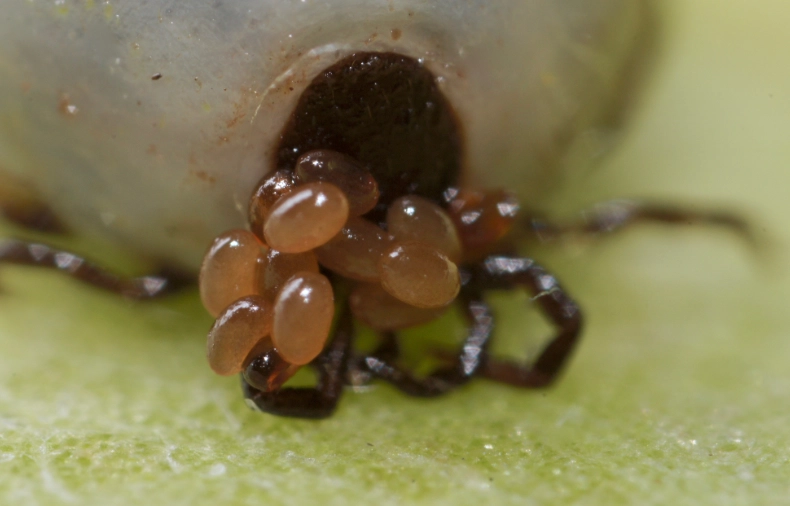
Stage 2: Larva (The Seed Tick)
After hatching, we get larvae. These are tiny, almost microscopic, and have only six legs. This is where the bloodlust begins. They need their first blood meal. But they're not picky at this stage. Larval ticks, often called "seed ticks," will climb onto blades of grass and wait for a passing host—usually a small mammal like a mouse or bird, or even a lizard. Their feeding is what makes the life cycle of ticks so dangerous. If that first host, say a white-footed mouse, is carrying the bacteria that causes Lyme disease, the larva becomes infected. It's patient zero for that individual tick's disease-carrying career. After feeding for a few days, they drop off, digest their meal, and molt into the next stage.
Think about that for a second. Their very first meal can set them up as a disease vector for life. It's a sobering thought.
Stage 3: Nymph (The Stealth Danger)
This is, in my opinion, the most problematic stage. Nymphs have eight legs now and are about the size of a poppy seed. They're still incredibly small, which makes them hard to spot. They're active in the spring and summer, which is prime time for human outdoor activity. And they're hungry for their second blood meal.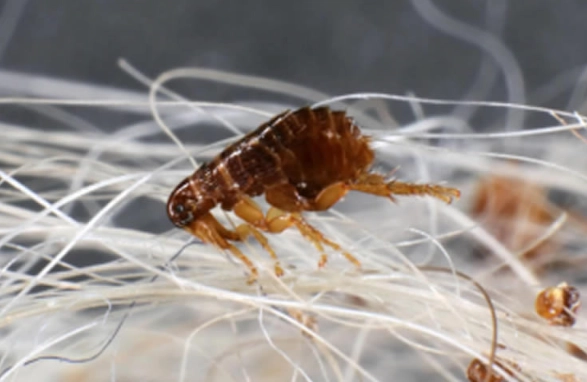
Nymphs often feed on larger hosts—raccoons, cats, dogs, and yes, humans. If they were infected as larvae, they can now transmit pathogens like Borrelia burgdorferi (Lyme) during this feeding. Their small size means they can attach and feed for the required 24-48 hours to transmit Lyme often without being detected. After feeding, they drop off again, molt, and become adults.
Stage 4: Adult (The Final Feed)
Adult ticks are what most people picture. They're larger, about the size of a sesame seed (unfed) or a small coffee bean (engorged). Their primary goal is reproduction. In the fall and again in the spring, adults seek out large hosts—most notably white-tailed deer, but also dogs, livestock, and people. The males often don't feed much; their job is to find and mate with feeding females. The female, however, engages in a massive, final blood meal that can last up to a week. She can increase her weight by 100 times or more.
It's a grotesque but fascinating process.
Once fully engorged, she drops off, lays her single, massive egg mass (containing thousands of eggs), and dies. The male usually dies after mating. And with that, the life cycle of ticks begins all over again.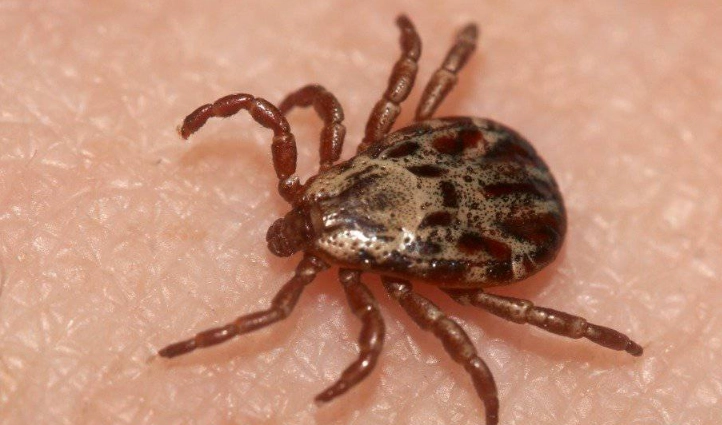
Quick-Reference: The Four-Stage Life Cycle of Ticks
| Stage | Size | Legs | Key Hosts | Primary Risk | Active Season |
|---|---|---|---|---|---|
| Egg | Microscopic (in masses) | N/A | None (does not feed) | None | Late Spring/Summer |
| Larva | Poopy seed or smaller | 6 | Small mammals (mice, birds) | Acquiring infections | Summer |
| Nymph | Poppy seed | 8 | Medium mammals (including humans) | Transmitting disease (hard to see) | Spring & Summer |
| Adult | Sesame seed (unfed) | 8 | Large mammals (deer, dogs, humans) | Transmitting disease & reproduction | Fall & Spring |
How Long Does This Whole Nightmare Take? The Timeline Isn't Simple
This is where it gets tricky. You'll often hear the life cycle of a tick takes two years. That's a good average, but it's more of a flexible guideline than a rule. The timeline is heavily dependent on two things: finding a host for each meal, and the climate.
In ideal conditions with readily available hosts, some ticks might complete their life cycle in just over a year. But more often, especially in northern climates, it stretches to two or even three years. Why? They spend a lot of time just… waiting. A tick might hatch in summer, feed as a larva in late summer, and then molt to a nymph by fall. But instead of seeking a host immediately, that nymph might "quest" (wait on vegetation) for a bit, then go dormant over the winter, waiting until the following spring to feed. Delays at any stage can add a year to the process.
Temperature and humidity are huge factors. Ticks are susceptible to drying out (desiccation). A hot, dry summer can kill many larvae and nymphs, slowing down the population's progress. A mild, wet winter can allow more ticks to survive, leading to a bigger population boom. The Centers for Disease Control and Prevention (CDC) has great maps and data on how tick activity and range are influenced by climate and season.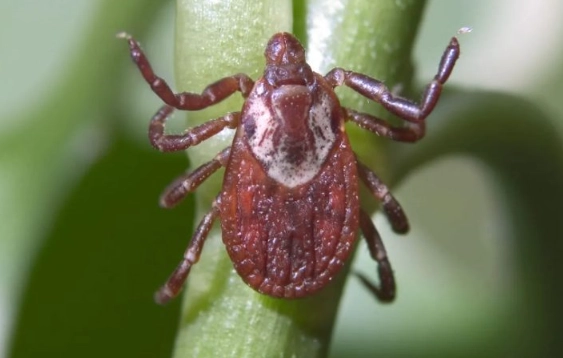
So, the two-year life cycle? Think of it as a minimum under perfect conditions.
The Real-World Impact: Different Ticks, Different Cycles
Not all ticks are created equal, and their life cycles have subtle but important differences that affect when and where they're a threat.
The Black-Legged Tick (Deer Tick - Ixodes scapularis)
This is the Lyme disease poster child. Its life cycle is a classic two-to-three-year process heavily tied to white-footed mice (for larvae/nymphs) and white-tailed deer (for adults). The nymph stage is the primary transmitter of Lyme to humans. The University of Rhode Island's TickEncounter Resource Center is an absolute goldmine for species-specific life cycle details and current risk maps.
The American Dog Tick (Dermacentor variabilis)
Less of a Lyme risk but a vector for Rocky Mountain Spotted Fever and tularemia. Its life cycle often involves smaller mammals for immature stages and dogs or medium-sized wildlife for adults. It can complete its cycle faster than the deer tick, sometimes in a single year in warmer areas.
The Lone Star Tick (Amblyomma americanum)
Aggressive and known for causing alpha-gal syndrome (red meat allergy). All three active stages readily bite humans. Their life cycle can be completed in under a year in the southern U.S., which contributes to their rapidly expanding populations.
Your Best Defense: How to Break the Life Cycle of Ticks
Understanding the life cycle of ticks is useless if you don't use the info to fight back. The goal isn't to kill every tick—that's impossible. The goal is to interrupt their life cycle at its weakest links, reducing the population that can reach you and your pets.
Here’s a strategy based on their life stages:
- Target the Hosts, Not Just the Tick: Since larvae feed on mice, consider rodent control. Use bait stations around your property's perimeter. Ticks feeding on treated mice will die, breaking the cycle before they become infected nymphs. The EPA has guidelines on safe and effective rodent control.
- Go After the Nymphs: Spring and early summer are prime times to apply acaricides (tick pesticides) or use natural alternatives like nematodes in your yard. This targets the nymphs before they get a chance to feed and molt into adults, or bite you.
- Deer Fencing: If you have a serious problem and the space, excluding deer (the primary host for adult black-legged ticks) from your property can be highly effective. No deer means fewer adult ticks coming in to lay eggs.
- Landscape Management: This is huge. Ticks thrive in the humid microclimate of leaf litter, tall grass, and brush. Create a "dry zone" around your home.
- Keep grass mowed short.
- Remove leaf piles and clear brush.
- Create a 3-foot wide barrier of wood chips or gravel between lawns and wooded areas. Ticks hate crossing these dry, exposed zones.
- Treat Your Pets: Use vet-recommended tick prevention on dogs and outdoor cats year-round. Pets are often the ones who bring ticks into the house, introducing adults that can then lay eggs. Consistent prevention stops them from being a taxi service.
It's a multi-pronged approach. You won't win with just one tactic. I've found that combining yard maintenance with pet treatment and mouse control makes the biggest dent. It's work, but it's less work than dealing with a tick-borne illness.
Answers to the Questions You're Actually Asking
How long can ticks live without a host?
Way longer than you'd think. It depends on the stage and environment. In humid, protected places like leaf litter, an adult black-legged tick can survive for well over a year without feeding. Nymphs and larvae have shorter lifespans but can still last many months. Their ability to go dormant is a big part of why the life cycle of ticks is so resilient.
Can ticks lay eggs on you or in your house?
Thankfully, this is rare. A female tick must be fully engorged to lay eggs. If she's feeding on you, she'll likely be found and removed long before that happens. If an engorged female drops off a pet inside, she could lay eggs in a crevice or carpet. This is why daily tick checks on pets and prompt removal are critical. Vacuum thoroughly if you suspect this.
What time of year is worst for ticks?
You have two peaks, thanks to the different tick life cycle stages. Nymphs are most active in late spring and summer, posing the biggest stealth threat. Adults are most active in the fall and again in early spring. So, in many areas, the risk is high from April straight through October, with a brief lull in the hottest part of summer.
Does killing one tick make a difference?
Yes, absolutely—especially if it's a female. One engorged female can lay 3,000 eggs. Removing and killing one adult female prevents a potential explosion in the local tick population. Always kill ticks by putting them in alcohol, sealing them in tape, or flushing them. Don't just toss them in the trash or crush them with your fingers.
Look, the life cycle of ticks is a masterclass in persistence. They're tough, adaptable, and patient. But they're not invincible. By understanding their four-stage journey from egg to adult, you stop seeing them as random pests and start seeing them as a predictable, manageable problem. You learn their schedule, their weaknesses, and their routes.
The goal isn't to live in fear of the outdoors. It's to be smarter than the tick. Use that knowledge about their life cycle to build your defenses—treat your yard, protect your pets, perform tick checks, and manage wildlife. It turns a creepy mystery into a solvable equation. And that means you can get back to enjoying your backyard, your hikes, and your life with a lot more peace of mind.
Now that you know how the whole system works, what's the first thing you're going to change in your own backyard?
LEAVE A REPLY
Your email address will not be published. Required fields are marked *