Quick Guide
Let's be honest. The first time you see one, it's a bit of a shock. You're down in the basement grabbing a holiday decoration, or maybe you're in the garage looking for a tool. You flip on the light, and there it is—a weird, spindly, humpbacked insect that looks like a cross between a spider and a cricket, and it leaps straight at you. Not the most welcoming committee.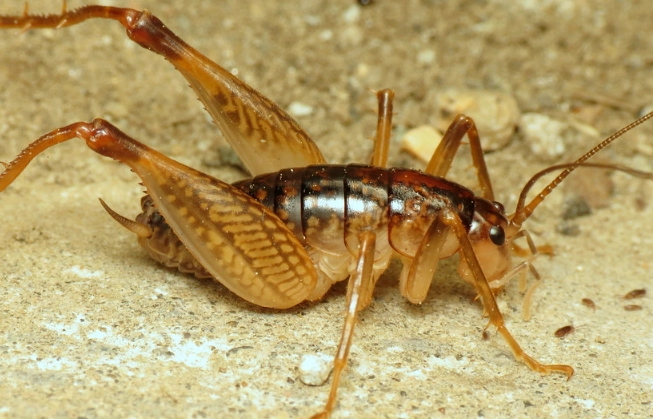
That, my friend, is your introduction to the camelback cricket. Also called camel crickets, cave crickets, or spider crickets (they have more aliases than a secret agent), these guys are a common but often misunderstood household invader. They don't chirp, they're not after your food, and they won't give you diseases. But finding a bunch of them can be unsettling, and it usually points to a moisture issue you'll want to address.
I've dealt with them in an old rental house I lived in—a damp basement was their paradise. So I've done the deep dive, talked to entomologists, and tried more than a few DIY methods. This guide is everything I wish I'd known back then. We'll strip away the myths, figure out why they're in your space, and walk through the steps to send them packing for good.
What Exactly Are Camelback Crickets?
First things first, let's get acquainted. Scientifically, most camel crickets in North American homes belong to the family Rhaphidophoridae. They're true crickets, but they're a bit of the oddball branch of the family tree.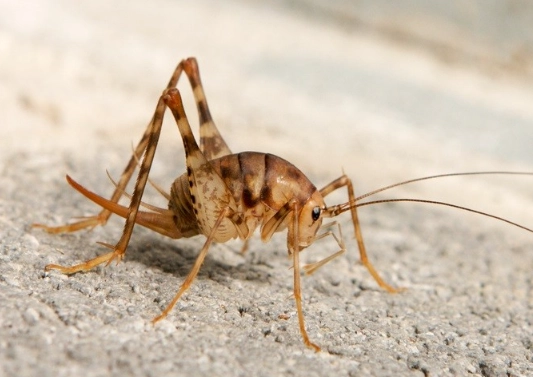
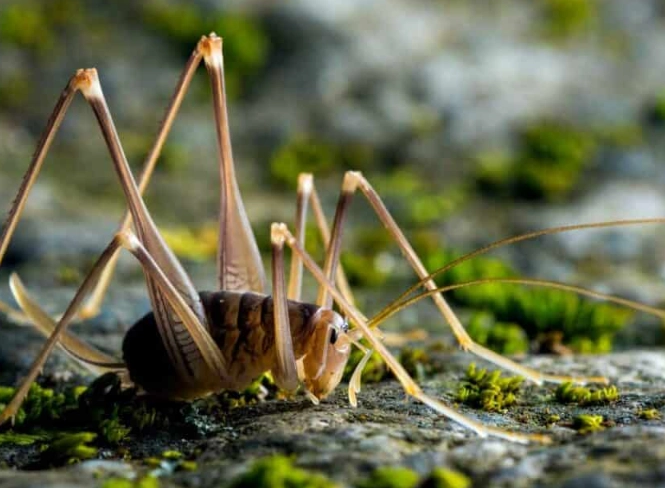
Their most striking feature is that pronounced arched back, which gives them their "camel" name. They're typically a tan, brown, or speckled color, perfect for blending into damp, dark environments. They have very long antennae (often longer than their body) and those powerful, kangaroo-like hind legs built for jumping.
Here's the key thing to remember: they're visually jarring but physically harmless to humans.
Unlike their cousins the house crickets, camelback crickets lack sound-producing organs. Your basement will be silent, even if it's crowded. They also have no interest in your cereal or bread. They're detritivores, meaning they munch on decaying plant matter, fungi, and sometimes other dead insects. In the wild, they're great recyclers. In your home, they might nibble on cardboard, fabrics, or plants, but it's rarely severe damage—it's more of a nuisance than a catastrophe.
Camel Cricket vs. The Usual Suspects: A Comparison Table
It's easy to mix them up with other common household critters. This table should clear up any confusion.
| Insect | Key Identifying Features | Behavior & Habitat | Risk/Damage |
|---|---|---|---|
| Camelback Cricket | Arched (humped) back, very long antennae, long hind legs, no wings. | Damp, dark places (basements, crawl spaces, garages). Erratic, high jumps when scared. | Very low. Can startle. May nibble fabrics/paper. |
| House Cricket | Flatter body, shorter antennae, has wings. Males produce loud chirping. | Warm areas near kitchens, fireplaces. Attracted to light. | Low. Chirping is annoying. May contaminate food. |
| Spider (e.g., Cellar Spider) | Two body segments, eight legs, no antennae. | Quiet corners, ceilings. Builds webs. | Very low. Beneficial—catches other insects. |
| Cockroach (e.g., American) | Flattened, oval body, long antennae, often has wings. | Warm, moist areas with food access. Runs quickly, may fly. | High. Can spread bacteria, trigger allergies, contaminate food. |
See the difference? The hump and the jumping are dead giveaways. Knowing what you're dealing with is half the battle—no need to panic about roaches if it's just a few camel crickets.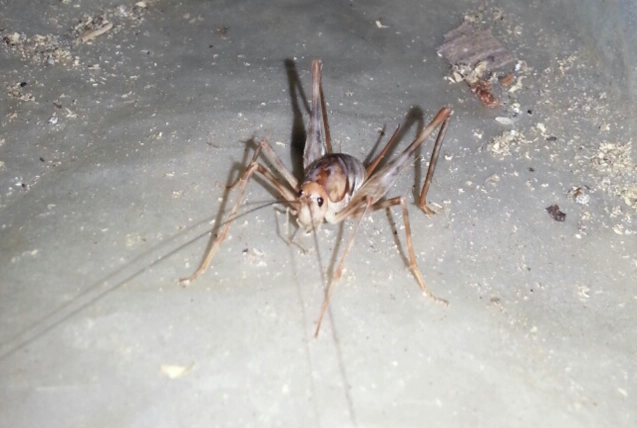
Why Are Camelback Crickets in My House? (The Real Reasons)
They aren't plotting against you. They're simply following their needs, and unfortunately, your home sometimes provides the perfect package deal. Understanding their "why" is the first step to making your place less appealing.
Moisture is Public Enemy Number One. This is the biggie. Camelback crickets have a thin exoskeleton that loses water easily. Dry environments are a death sentence for them. They are drawn to areas with high humidity—think above 70-80%. If your basement smells musty, if you see condensation on pipes or walls, or if you have any chronic damp spots, you're rolling out the red carpet. A study from North Carolina State University's Department of Entomology notes that reducing moisture is the single most effective long-term strategy for controlling these and many other pests that favor damp conditions.
Darkness and Clutter are a Close Second. They're photophobic, meaning they actively avoid light. A dark, cluttered basement, garage, or crawl space is their ideal real estate. That pile of old boxes, the stack of newspapers, the unused camping gear in the corner—all of it creates perfect, undisturbed hiding spots where they can rest during the day.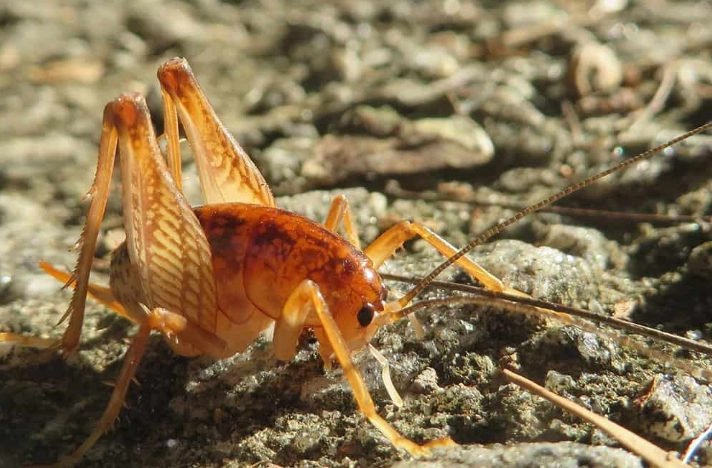
They Wander In By Accident. Camel crickets live naturally in moist outdoor environments like leaf litter, under stones, in mulch beds, and in crawl spaces under houses. When the outdoor environment gets too dry, too wet, or too cold, they go searching for better conditions. Cracks in your foundation, gaps around utility lines, poorly sealed doors, or basement window wells become open doors. They're not "infesting" with purpose; they're refugees finding shelter.
So, if you're seeing them, the question isn't just "how do I kill them?" It's "what in my home's environment is inviting them?" Tackle that, and you solve the problem at its root.
A Step-by-Step Action Plan for Camel Cricket Control
Alright, let's get practical. You've seen them, you're not thrilled, and you want action. Here's a layered approach—think of it as a campaign, not a single battle. Start with prevention and habitat denial, then move to trapping, and use chemicals only as a last resort in specific spots.
Phase 1: Make Your Space Unlivable (For Them)
This is the most important work you'll do. It's not glamorous, but it has lasting effects.
- Declutter Ruthlessly. Get rid of cardboard boxes (they love these), old newspapers, and piles of fabric. Store what you keep in plastic, sealed totes. The goal is to eliminate hiding places. A clean, open floor is a cricket's nightmare.
- Attack the Moisture. This is non-negotiable. Use a dehumidifier in your basement or crawl space and keep it running to maintain humidity below 60%. Insulate cold water pipes to prevent condensation. Ensure your gutters and downspouts are clear and direct water at least 6 feet away from your foundation. Fix any leaky faucets or pipes immediately. The EPA has great resources on managing indoor moisture to improve air quality and deter pests.
- Seal Them Out. Grab a tube of caulk and some weather stripping. Seal cracks in the foundation, gaps around basement windows, and holes where pipes or wires enter. Pay special attention to the area where your garage door meets the floor. Install tight-fitting screens on vents and crawl space openings.
- Manage the Perimeter. Outside, keep mulch, leaf piles, and dense vegetation away from your home's foundation. Trim back bushes and tree branches to let sunlight hit the soil and reduce dampness next to the house. This creates a dry, unattractive "moat" around your home.
Phase 2: Trapping and Physical Removal
While you're working on the environment, you'll need to reduce the existing population. Chemical sprays are often ineffective against camelback crickets because they don't groom themselves like roaches, so they don't ingest pesticides. Trapping is king here.
Sticky Traps (Glue Boards): The MVP of camel cricket control. Place them flat along walls, in corners, behind appliances, and under furniture in your basement and garage. Camel crickets travel along edges, so that's where they'll encounter the traps. Check and replace them regularly. It's not pretty, but it's very effective monitoring and control.
The DIY "Pitfall" Trap: Take a small, straight-sided container (like a yogurt cup or deli container). Put a spoonful of oatmeal, a piece of bread, or a little molasses in the bottom as bait. Bury it so the rim is flush with the ground or floor. The crickets hop in for a snack and can't get out. Cheap and chemical-free.
The Vacuum Cleaner: For immediate removal of individuals you see, a vacuum with a hose attachment is your friend. Suck them up and dispose of the bag/canister outside. Quick, clean, and no mess.
Phase 3: Insecticides (The Careful, Targeted Approach)
I'm not a big fan of widespread spraying indoors—it's often overkill and introduces chemicals where you live. But targeted applications can help in conjunction with the steps above.
- Insecticidal Dusts (like Diatomaceous Earth or silica aerogel): These are my preferred option. They work mechanically, scratching the insect's waxy outer layer and causing it to dehydrate. Lightly puff a product labeled for crawling insects into wall voids, behind electrical outlets (with power off!), and along cracks in foundation walls. It remains effective for a long time as long as it stays dry. The National Pesticide Information Center is a reliable source for understanding how these desiccant dusts work and their safety profiles.
- Residual Spray (Outdoor Barrier): Apply a residual insecticide spray (look for ones containing pyrethroids) as a barrier around your home's foundation, focusing on door thresholds, garage entry points, and around basement window wells. This creates a zone that kills or repels crickets trying to come in from outside. Always follow the label instructions to the letter.
- Bug Bombs/Foggers? I'd avoid them for camel crickets. The mist doesn't penetrate the clutter and cracks where they hide, so it's largely ineffective. It just leaves a chemical residue on all your surfaces for minimal gain.
The key is integration. Traps catch the current residents, exclusion keeps new ones out, and moisture control makes the whole area inhospitable. Do all three.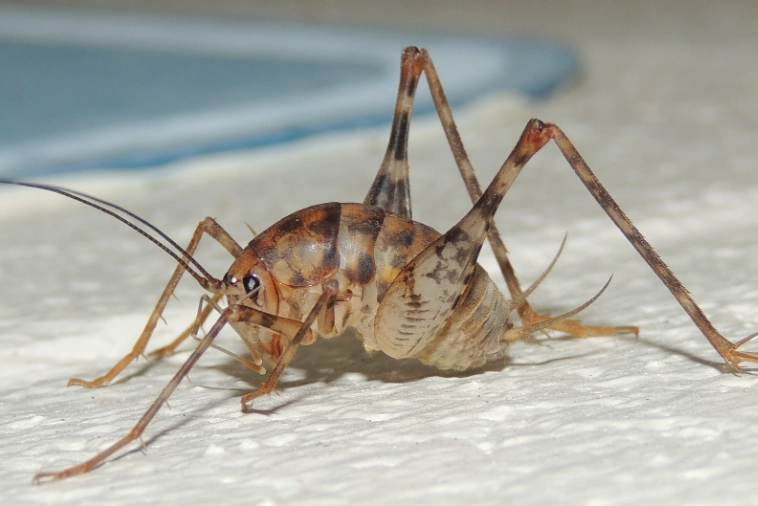
Common Questions About Camelback Crickets (Answered)
When to Call a Professional Exterminator
Most camel cricket problems are well within a homeowner's ability to handle with the steps above. But there are times when it makes sense to call in the pros.
- The Infestation is Severe and Widespread. You're seeing dozens every time you go into the basement, and traps aren't making a dent after a few weeks.
- You Have a Chronic, Unfixable Moisture Problem. Maybe you have a high water table, chronic foundation seepage, or a crawl space that's impossible to properly dry out on your own. A pro can assess the situation and may have more heavy-duty solutions.
- You've Done the Work and They Keep Coming. If you've sealed, dehumidified, and trapped but they're still pouring in, a professional can perform a more thorough inspection to find hidden entry points or breeding sites you might have missed.
- You Simply Don't Want to Deal With It. That's a perfectly valid reason. A reputable pest control company can apply targeted treatments in wall voids and create a protective barrier, giving you peace of mind.
If you do hire someone, ask them about their integrated pest management (IPM) approach. A good technician will focus on the moisture and entry point issues first, not just spray and leave.
So, there you have it. Camelback crickets are more of a noisy (well, silent) nuisance and a household indicator than a true threat. They're telling you something about your home's environment. Listen to them. A dry, clean, and well-sealed home is a home that's uninviting not just to camel crickets, but to a whole host of other problems. Start with a dehumidifier and a pack of sticky traps, and you'll be well on your way to reclaiming your basement.
LEAVE A REPLY
Your email address will not be published. Required fields are marked *