Quick Guide
- What Exactly is a Black Carpet Beetle?
- What Do Black Carpet Beetles Eat? (Spoiler: It's Not Just Carpet)
- Signs of a Black Carpet Beetle Infestation
- How to Get Rid of Black Carpet Beetles: A Strategic Action Plan
- Black Carpet Beetle FAQs: Your Questions Answered
- Wrapping It Up: You Can Win This Fight
Let's be honest, finding tiny black beetles or weird hairy larvae in your home is unsettling. You might spot one near a window sill, or worse, discover a hole in your favorite wool sweater. Your first thought might be clothes moths, but there's another common culprit that often flies under the radar: the black carpet beetle (Attagenus unicolor). I've dealt with these pests myself, and let me tell you, they're more frustrating than you'd think for something so small.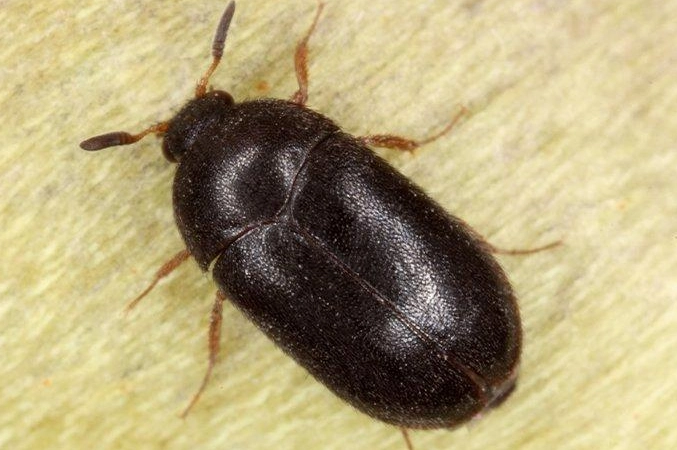
This isn't just another generic pest article. We're going deep. We'll cover exactly what a black carpet beetle is, how to spot the signs (the larvae are the real issue), the surprising range of things they eat, and most importantly, a step-by-step battle plan to get rid of them for good. If you're tired of finding damaged fabrics and want to protect your home, you're in the right place.
What Exactly is a Black Carpet Beetle?
The black carpet beetle is a small, oval-shaped insect that's a common household pest across North America and many other parts of the world. They're part of the Dermestidae family, which are basically nature's clean-up crew, feeding on dead animal and plant matter. Unfortunately, they don't distinguish between a dead bird in the wild and your Persian rug or cashmere scarf.
Frankly, the adult beetles are mostly a nuisance. They're attracted to light and you'll often see them bumping against windows. They feed on pollen and nectar outdoors. The real villains are the larvae.
The Adult Beetle
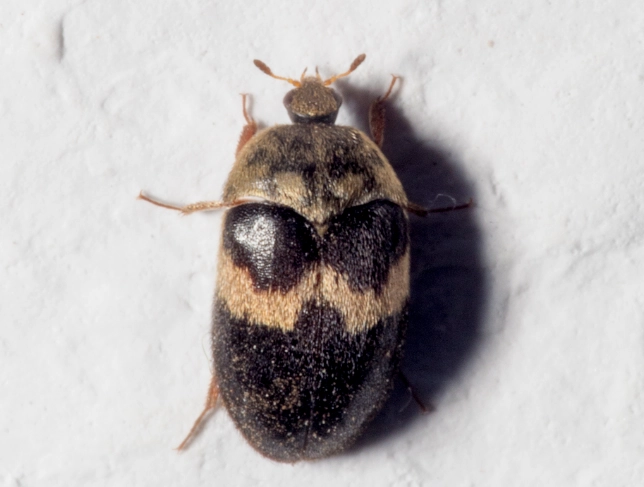
An adult black carpet beetle is about 1/8 to 3/16 of an inch long. They're solid black or a very dark brown, with a slightly shiny, hard shell. Their bodies are oval and elongated. They can fly, which is how they often get inside. Honestly, if you just saw the adult, you might not think much of it. It looks like many other harmless beetles.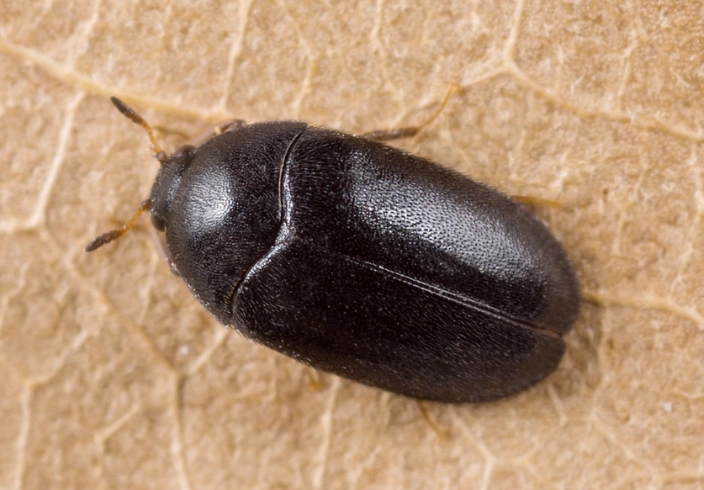
The Larval Stage (The Real Problem)
This is what you need to look for. The larvae are often called "woolly bears" because of their appearance. They are longer than the adult, reaching up to 1/4 inch, and are carrot-shaped—wider at the back and tapering to a point at the head. Their color is a golden to dark brown, and they are covered in long, stiff, bristly hairs. The tail end often has a tuft of even longer hairs.
These hairs can be irritating for some people, causing itchiness or a mild rash, which is another reason to handle infestations carefully.
The larvae are the feeding machines. They can live for months, even up to a year, depending on conditions, munching away in dark, undisturbed places. They molt several times, leaving behind brown, shed skins that are a major clue you have an infestation. Finding these tiny, shell-like skins is often the first concrete sign people notice.
What Do Black Carpet Beetles Eat? (Spoiler: It's Not Just Carpet)
The name is misleading. While they certainly will damage carpets, especially wool or natural fiber ones, their diet is incredibly broad because they are seeking one thing: keratin.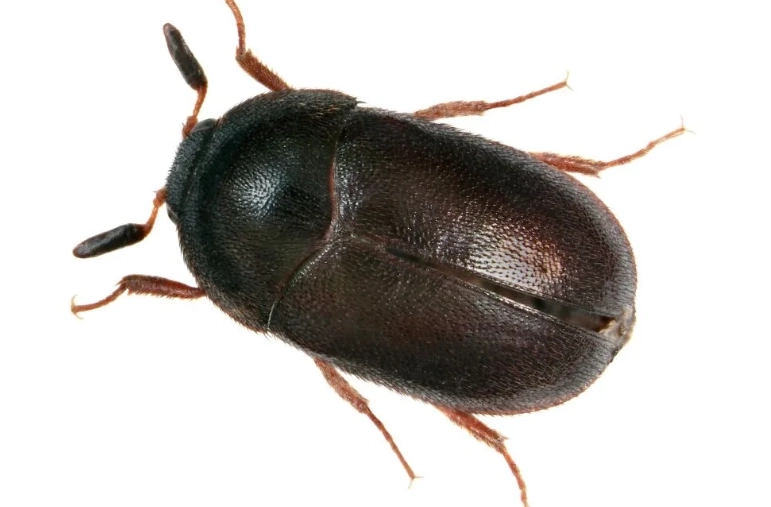
Keratin is a protein found in animal-based materials. Here’s a breakdown of what's on the menu for a hungry black carpet beetle larva:
- Wool & Cashmere: Sweaters, suits, blankets, rugs, and upholstery. This is their classic target.
- Silk: Expensive garments and linens are not safe.
- Feathers: Down comforters, pillows, and vintage hats.
- Fur & Leather: Fur coats, leather jackets, gloves, and taxidermy mounts. I once saw a museum specimen ruined by these things.
- Pet Hair & Dander: They thrive in areas where pet hair accumulates under furniture, in vents, or in corners.
- Dry Pet Food: An often overlooked source! They can infest bags of dry dog or cat food.
- Natural Bristles: On brushes or in musical instruments.
- Stored Grains & Cereals: Occasionally, they'll go for pantry items, though this is less common.
- Dead Insects: They love the old bugs in your window tracks or light fixtures.
See the pattern? Anything animal-based is fair game. They can also damage synthetic fibers if they are soiled with food, oil, or sweat, as the stains provide nutrition.
Signs of a Black Carpet Beetle Infestation
You usually won't see a massive horde of them. Infestations are subtle. Here’s what to look for:
- Damage to Fabrics: Irregular holes in clothing, often along seams or folds. Damage to carpets along baseboards or under furniture.
- Shed Skins: The most telltale sign. Look for small, brown, bristly shell fragments in drawers, on closet floors, or under edges of rugs.
- Live Larvae: The slow-moving, hairy "worms" themselves.
- Adult Beetles: At windowsills, on walls, or around light fixtures, especially in spring and summer.
- Fecal Pellets: Tiny, sand-like droppings, usually near the damaged material.
Check the hidden spots first. They hate disturbance.
How to Get Rid of Black Carpet Beetles: A Strategic Action Plan
Okay, let's say you've confirmed you have them. Don't panic. Throwing out all your clothes is overkill. A systematic approach works. This is based on the principles of Integrated Pest Management (IPM), which is the gold standard recommended by experts like those at the U.S. Environmental Protection Agency (EPA). IPM focuses on long-term prevention using a combination of techniques.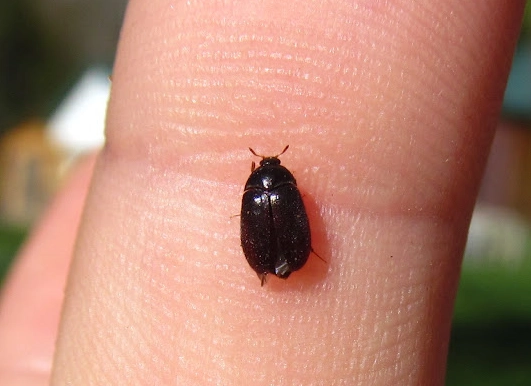
Step 1: The Thorough Inspection and Cleanout
This is 80% of the battle. You must find the source.
- Empty closets, drawers, and storage boxes. Take everything out.
- Vacuum like you've never vacuumed before. Use crevice tools on baseboards, under furniture, inside closets, and along the edges of carpets. Vacuum upholstery, drapes, and pet bedding. Immediately empty the vacuum canister or bag into a sealed plastic bag and take it outside to the trash.
- Wash all affected fabrics in hot water (at least 120°F/49°C) and dry on high heat for at least 30 minutes. Heat kills all life stages.
- For dry-clean only items, seal them in plastic bags and take them to the cleaner. Tell them about the pest issue.
- Check attic spaces, especially around old rodent nests or bird nests (a prime food source). Inspect around heating system ducts and vents where lint and hair accumulate.
Step 2: Treatment Options (Chemical and Non-Chemical)
After the massive clean-up, you may need to treat the area. Here’s a comparison of common methods:
| Method | What It Is | Best For | Pros & Cons |
|---|---|---|---|
| Insect Growth Regulators (IGRs) | Chemicals that mimic insect hormones, disrupting the lifecycle (prevents larvae from maturing). | Long-term prevention in cracks, crevices, and under carpets after cleaning. | Pro: Very effective, low toxicity to pets/people. Con: Doesn't kill adults immediately; takes time to break cycle. |
| Residual Insecticide Sprays/Dusts | Products containing ingredients like bifenthrin, deltamethrin, or diatomaceous earth. | Treating voids, baseboards, and areas where larvae crawl. | Pro: Direct kill. Con: Must be applied precisely to harborage areas; avoid contaminating surfaces. |
| Freezing | Placing small, delicate items in a sealed bag in a freezer at 0°F (-18°C) for at least 72 hours. | Heirlooms, taxidermy, non-washable textiles. | Pro: Non-toxic, great for sensitive items. Con: Only practical for small items. |
| Professional Pest Control | Hiring a licensed exterminator for a severe or persistent infestation. | Large infestations, multi-unit buildings, or when DIY fails. | Pro: Expertise, stronger tools, warranty. Con: Cost. |
Important: Always read and follow the label directions on any pesticide product. The label is the law. For specific, science-based recommendations on pest control products and safety, the National Pesticide Information Center (NPIC) is an invaluable resource.
Step 3: Prevention is Your New Best Friend
Getting rid of them is one thing. Keeping them out is another.
- Seal Entry Points: Check window screens, door sweeps, and cracks in the foundation. Adult beetles fly in from outside.
- Store Fabrics Properly: Clean items before storing. Use sealed plastic containers, not cardboard boxes. Consider adding cedar blocks or lavender sachets (while their effectiveness is debated, they can't hurt).
- Regular Vacuuming: Make it a habit, especially in pet areas, under furniture, and along edges.
- Manage Pet Areas: Regularly wash pet bedding and vacuum areas where pets sleep and shed.
- Control Other Pests: Remove old bird/wasp nests from eaves. Keep mice and rodents out, as their nests are beetle buffets.
- Inspect Incoming Items: Be cautious with second-hand furniture, vintage clothing, or rugs. Inspect and clean them thoroughly before bringing them inside.
Black Carpet Beetle FAQs: Your Questions Answered
Wrapping It Up: You Can Win This Fight
Dealing with black carpet beetles is frustrating. It feels like a violation when they eat your things. But they are a manageable pest. The key is understanding that you're not just killing a bug you see; you're disrupting an entire lifecycle that thrives on neglect.
The formula isn't complicated, but it requires effort: Relentless cleaning and vacuuming to remove the food source, careful treatment of hiding spots, and vigilant prevention. It's less about a magic chemical and more about changing your household habits to be less hospitable to them.
Start with the inspection. Be thorough. You might be surprised where they're hiding. Address those areas, clean everything you can with heat, and seal up your storage. If the problem feels too big, there's no shame in calling a professional. A good pest control operator will follow the same IPM principles outlined here.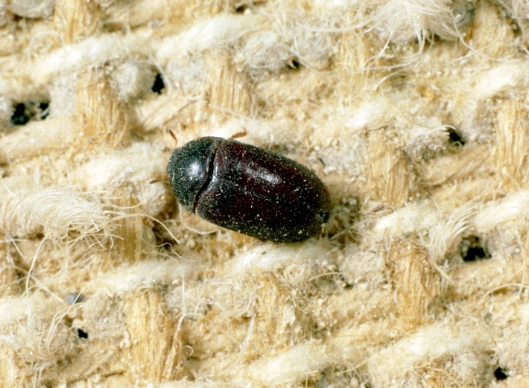
LEAVE A REPLY
Your email address will not be published. Required fields are marked *