Quick Navigation
- Why Do We Mix Them Up? (And Why It Matters)
- The Ultimate Side-by-Side Comparison
- Beyond Looks: Behavior Tells the True Story
- The Bite: Symptoms, Myths, and Reality
- Habitat and Geography: Where You'll Actually Find Them
- Practical Steps: What to Do If You Find One
- Common Questions (The Stuff You're Actually Searching For)
- Final Thoughts: Living with (or without) Our Eight-Legged Neighbors
Let's be honest, most of us have been there. You're moving a box in the garage, or putting on a shoe that's been sitting for a while, and something scuttles out. Your heart jumps. Is it just a harmless house guest, or something that could actually ruin your week? In many parts of the U.S., that moment of panic often boils down to one question: is this a brown recluse or a wolf spider?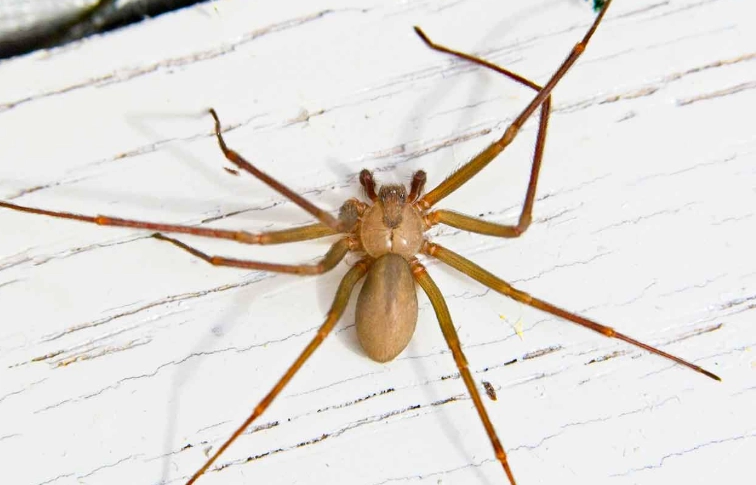
I remember the first time I genuinely worried. It was in an old shed, and a decent-sized, brown spider darted under a workbench. My mind instantly went to the worst-case scenarios I'd read about online. Spoiler: it was a wolf spider. But in that moment, I had no clue. The confusion between these two is incredibly common, and for good reason. At a quick, panicked glance, they can look sort of similar. But understanding the difference is more than a party trick for bug nerds—it's practical knowledge that can save you a lot of unnecessary worry, or tell you when it's time to take action.
The stakes are pretty different. Misidentifying a wolf spider as a brown recluse sends you down a rabbit hole of anxiety for no reason. But the reverse? That's a problem. So let's cut through the noise and the fuzzy photos. We're going to break down the brown recluse vs wolf spider debate point by point, in plain English.
Why Do We Mix Them Up? (And Why It Matters)
Before we dive into the checklist, let's talk about why the wolf spider vs brown recluse confusion happens in the first place. They're both medium-sized spiders. They're often brownish in color. They both have eight legs (shocking, I know). And they both inhabit overlapping parts of the country, particularly in the Midwest and South.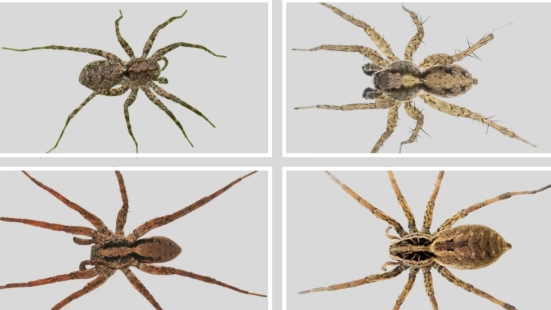
But here's where people get tripped up. We tend to identify spiders by a single trait—"it's brown and scary-looking"—instead of looking at the whole picture. The internet doesn't help, flooded with photos mislabeled by well-meaning but terrified homeowners. I've seen pictures of clearly harmless grass spiders flagged as "possible brown recluse" on community forums, which just spreads more fear.
Getting this right matters because their impact on your life is worlds apart. A wolf spider in your basement is basically a free pest control agent, silently taking out insects you don't want. A brown recluse, while not aggressively seeking to bite you, carries a venom that can cause significant tissue damage in some cases. Knowing which is which dictates your response: from live-and-let-live to cautious management.
The Ultimate Side-by-Side Comparison
This is the core of it. Below is a detailed table comparing the two across the most important categories. Bookmark this page—it might come in handy.
| Feature | Brown Recluse | Wolf Spider |
|---|---|---|
| Primary Color | Uniform tan to dark brown. No stripes or bands. | Often brown, gray, or black, frequently with darker stripe patterns or mottling on the body. |
| Body & Legs | Smooth, almost hairless appearance. Legs are slender and smooth. | Robust, hairy body. Legs are stout and conspicuously hairy, built for speed and power. |
| The Key Mark: Violin | A dark, distinct violin-shaped marking on the cephalothorax (the "head" area), with the neck of the violin pointing toward the abdomen. This is their single most reliable identifier. | No violin marking. May have various patterns, but never a defined, dark violin. |
| Eye Arrangement | Has 6 eyes, arranged in three pairs (dyads). This is unique among common spiders but hard to see without magnification. | Has 8 eyes, arranged in three rows. The front row has four small eyes, with two large, prominent eyes above them. |
| Size (Body Length) | About 1/4 to 1/2 inch (6-12 mm). About the size of a U.S. quarter including legs. | Varies widely by species, from 1/2 inch to over 1.5 inches (10-35 mm) body length. Often appears larger and bulkier. |
| Web | Makes an irregular, off-white, sticky web in undisturbed areas. It's not for catching prey but serves as a retreat. | Does not build webs to catch prey. They are active hunters. Females may spin a silk mat or burrow lining. |
| Behavior & Habitat | True to its name: reclusive, shy, nocturnal. Hides in dark, undisturbed places like boxes, closets, behind furniture, in basements or attics. | Active hunter, often seen running on the ground. Found in leaf litter, under stones, in grass, and sometimes in basements or garages while chasing prey. |
| Movement | Typically slow and deliberate when disturbed. | Fast and agile. Can sprint quickly to escape or pursue prey. |
| Geographic Range | Primarily the south-central United States. Native range is limited. (Check a map from a source like the Penn State Department of Entomology for specifics). | Found throughout the entire United States and in many parts of the world. Extremely widespread. |
That table is your quick-reference guide. But let's get into the gritty details of a few of these points, because some are trickier than others.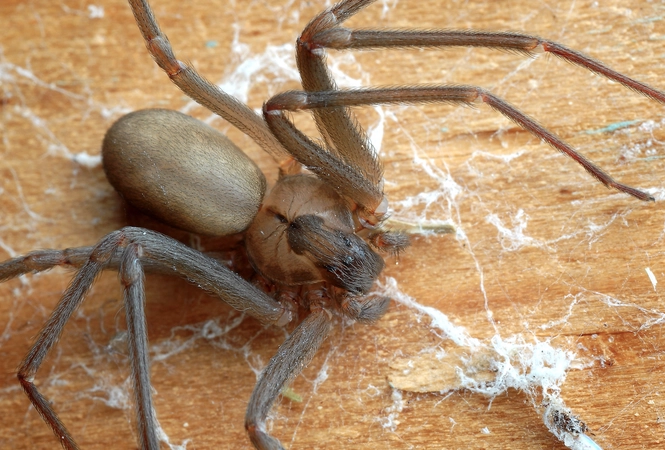
The Infamous Violin Marking: Don't Get Fooled
Everyone talks about the violin. It's the hallmark of the brown recluse. But here's the catch: you have to see it clearly. In young recluses, it can be faint. On a dirty or dark spider, it might be hard to make out. And our brains are pattern-seeking machines—sometimes we "see" a violin where there isn't one, just like seeing shapes in clouds.
The key is the definition and placement. It's a solid, darker brown mark that looks like a fiddle, right on the center of the spider's "head" (the cephalothorax). The neck of the violin points straight back toward the abdomen. If the marking is fuzzy, striped, or looks more like a smudge, it's not a recluse. Many wolf spiders have two dark lines running down their cephalothorax that can, in a blurry photo, be misinterpreted. But side-by-side, the difference is night and day.
I think a lot of online fear comes from people spotting a vague pattern and jumping to conclusions. If you can't clearly see a crisp violin, you should be highly skeptical.
Hair vs. No Hair: The Texture Test
This is a huge one that photos often fail to convey. Look at a wolf spider up close (or in a good macro photo), and it looks like a tiny, eight-legged grizzly bear. Its body and legs are covered in hair (setae, technically), which gives it a fuzzy or bristly texture. This hair helps them sense vibrations and move across terrain.
A brown recluse, in contrast, looks almost sleek. Its body and legs are smooth, lacking that obvious hairy coating. If you could run your finger over them (please don't), the wolf spider would feel fuzzy, the recluse would feel almost like polished wood. In a sighting, this difference in "texture" is often more immediately noticeable than the violin, especially if the spider is moving.
Beyond Looks: Behavior Tells the True Story
How a spider acts is sometimes the biggest clue in the brown recluse wolf spider comparison.
Imagine you lift up a flowerpot in your garden. A large, brown spider dashes out at lightning speed and disappears into the grass. Your heart might skip a beat, but that speed and that habitat (active in an open area) are classic wolf spider behavior. They are pursuit predators, like tiny wolves (hence the name), running down their insect prey. You see them because they're out hunting.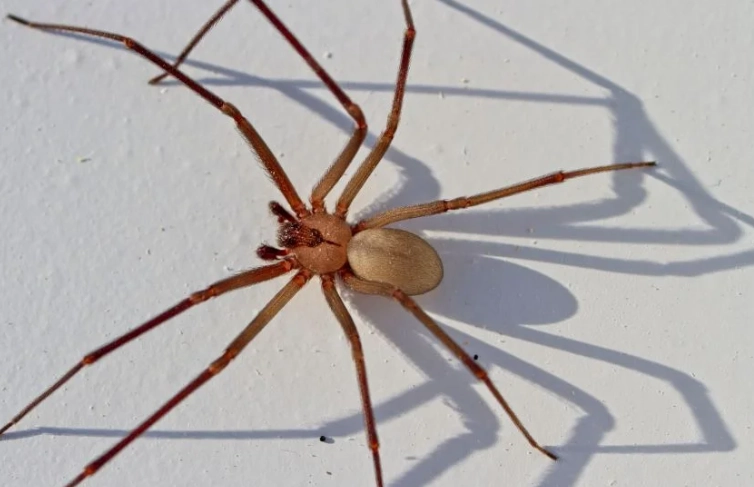
Now, imagine you're cleaning out a storage closet that hasn't been touched in months. Behind a stack of papers, you see a tan spider sitting motionless on a messy, sheet-like web. It doesn't bolt. It might slowly retreat. That secretive, sedentary behavior in a cluttered, dry, undisturbed indoor space is classic brown recluse. They are ambush predators that wait in their retreats. You almost never see a brown recluse actively wandering across your living room floor in broad daylight. If you do, it's likely displaced and lost, not hunting.
The Bite: Symptoms, Myths, and Reality
This is the million-dollar question and the source of immense anxiety. Let's demystify it.
Wolf Spider Bite
Wolf spiders are not aggressive toward humans. They have no reason to be—we're not food. A bite almost always occurs because the spider is trapped or pressed against skin (e.g., putting on clothes it's hiding in). Their venom is not medically significant to humans.
- Symptoms: Immediate pinprick pain, followed by localized redness, swelling, and itching. It's similar to a bee sting or other minor insect bite. The discomfort usually subsides within a few hours to a couple of days.
- Treatment: Wash the area with soap and water, apply a cold pack to reduce swelling, and take an antihistamine for itching if needed. Infection is a more likely complication than the venom itself, so keep it clean.
Brown Recluse Bite
Brown recluses are also not aggressive. Their famous bites are almost always defensive—they get rolled on in bed, trapped in clothing, or squished when someone reaches into a space they're hiding. The problem is their venom contains cytotoxins that can destroy tissue in some people. Important note: Not all brown recluse bites result in severe necrosis (tissue death). Many result in only mild, localized reactions. The severe, ulcerating wounds you see in dramatic online photos are possible, but not the most common outcome.
- Initial Symptoms: Often painless or a mild stinging at the time of the bite. Over the next 2 to 8 hours, it may become increasingly painful, red, and swollen.
- Potential Progression: The bite site may develop a blister, surrounded by a red or purple ring, sometimes resembling a "bull's-eye." In more serious cases, the center can turn dark blue or black as tissue dies, forming a necrotic ulcer. This process can take days to develop.
- Systemic Reactions (Rare): In very rare cases, some individuals may experience fever, chills, nausea, or a rash.
- Remain Calm. Panic doesn't help.
- Clean the wound gently with soap and water.
- Apply a cool compress to reduce swelling and pain.
- Elevate the limb if possible.
- Seek medical attention promptly. This is crucial. Do not wait to see if it gets worse. Take the spider with you for identification if it is safely possible (in a sealed container). A doctor can properly assess the bite, rule out other causes (like bacterial infections like MRSA, which are often misdiagnosed as spider bites), and recommend treatment. The CDC's page on spiders provides a good overview of this approach.
Do not try home remedies like electric shocks, applying bleach, or cutting out the bite area. These are dangerous and can cause far more harm than the bite itself.
Habitat and Geography: Where You'll Actually Find Them
This is a major factor that gets overlooked. You can't have a brown recluse vs wolf spider problem if one of them doesn't even live in your state.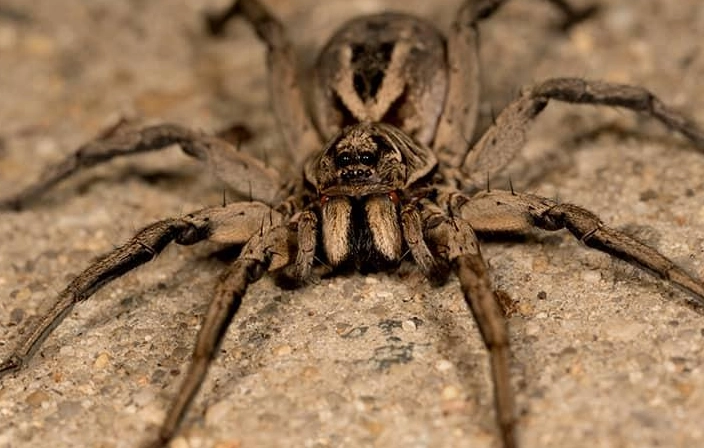
Brown Recluse Range
The brown recluse is native to a specific, limited area of the U.S. Its core range includes parts of states like Texas, Oklahoma, Kansas, Missouri, Arkansas, Louisiana, Mississippi, Alabama, Georgia, Tennessee, Kentucky, Illinois, Indiana, and Ohio. Even within these states, they are often localized. They are not native to California, Florida, the Pacific Northwest, or New England, despite many, many mistaken reports. Spiders can hitch rides in boxes, so isolated finds outside their range are possible, but established populations are not. Always consult a reliable, university-based distribution map.
Wolf Spider Range
Wolf spiders are found everywhere. Seriously. From coast to coast, from Canada down through Mexico. There are over 200 species in North America alone, adapted to deserts, forests, grasslands, and suburban backyards. If you're in the U.S., you almost certainly have wolf spiders nearby.
So, your first question should be: "Am I even in brown recluse country?" If you're in Seattle or Boston, the odds of that spider being a recluse are astronomically low. It's far more likely a wolf spider or another harmless look-alike.
Practical Steps: What to Do If You Find One
Okay, theory is great. But you're looking at a spider right now. What's the game plan?
- Don't Panic. Neither spider is likely to charge you. Take a breath.
- Observe from a Safe Distance. Use the checklist: Color? Hair? Markings? Behavior? Can you see a violin? Is it fast or slow?
- Contain for Identification (Optional but Helpful). If you need to know, place a clear glass or jar over the spider, slide a piece of stiff paper underneath, and flip it to trap the spider inside. This lets you (or an expert) get a good look. You can then release it outside away from the house.
- For a Wolf Spider: Honestly, consider letting it go outside. They're beneficial. If you're squeamish, capture and release is the way to go.
- For a Suspected Brown Recluse: If you are in its range and the identification points strongly to it, you may want to eliminate it, especially if found indoors in a living space. Use the captured jar method and then dispose of it. Vacuuming is also an effective way to remove spiders and their egg sacs.
Prevention Tips for Both
- Reduce Clutter: This is the #1 tip for discouraging brown recluses. They love undisturbed piles of paper, boxes, clothing, and wood.
- Seal Entry Points: Caulk cracks around windows, doors, and foundation lines.
- Use Tight-Fitting Screens on vents and windows.
- Keep Beds Away from Walls and avoid storing items under the bed.
- Shake Out Clothing and Shoes that have been stored or left on the floor, especially in basements, garages, or closets.
- Outdoor Lighting: Since lights attract insects (spider food), use yellow bug lights or place lights away from direct doorways to reduce attracting prey that brings in hunters like wolf spiders.
Common Questions (The Stuff You're Actually Searching For)
Final Thoughts: Living with (or without) Our Eight-Legged Neighbors
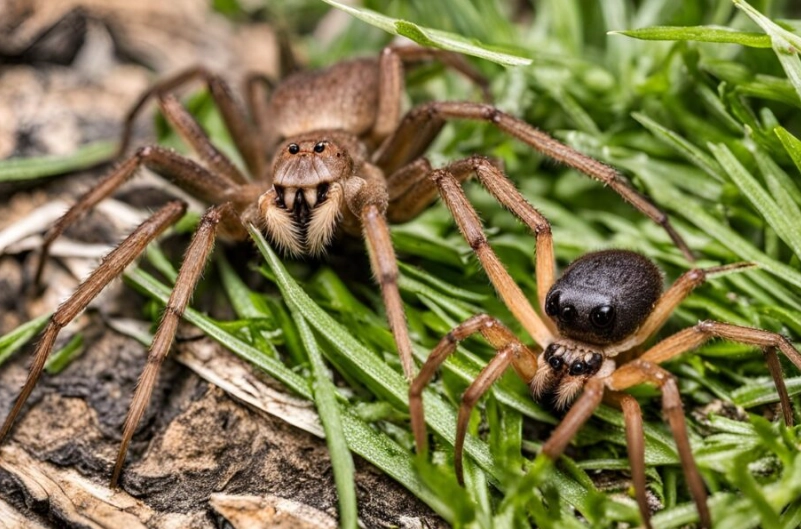
The whole brown recluse vs wolf spider dilemma really comes down to context. Most of the spiders that cause a scare are harmless wolf spiders just going about their business, eating pests we dislike even more. Giving them a free pass outside is good ecology.
Brown recluses demand more respect and caution, but not hysterical fear. They are a manageable risk if you live in their territory. The key is awareness: knowing what they look like, where they hide, and taking sensible precautions to make your home less inviting to them. Don't let the worst-case scenario internet photos dominate your thinking. Most bites are minor, and severe reactions are the exception, not the rule.
I hope this deep dive has given you a clearer, calmer framework for telling these two common spiders apart. Next time you see one scurrying away, you'll be equipped to make the call. You might even find yourself appreciating the intricate differences, rather than just reaching for a shoe.
LEAVE A REPLY
Your email address will not be published. Required fields are marked *