Quick Navigation
- What Exactly is a Wolf Spider? Beyond Just the Brown Color
- How to Identify a Brown Wolf Spider: A Step-by-Step Guide
- Where Do Wolf Spiders Live and What Do They Eat?
- Are Wolf Spiders Dangerous? The Truth About Bites
- What to Do If You Find a Wolf Spider in Your House
- How to Prevent Wolf Spiders from Coming Inside
- Common Myths and Questions About Wolf Spiders
- A Final Thought on Coexistence
You're moving a box in the basement, or maybe just walking across the living room floor at night, and you see it. A flash of movement. Something brown, hairy, and surprisingly fast scurries under the couch or behind a shelf. Your heart does a little jump. What was that? If it was about the size of a quarter (or even bigger, legs included), covered in shades of brown, and built like a tiny, agile tank, you've likely just had a close encounter with a wolf spider.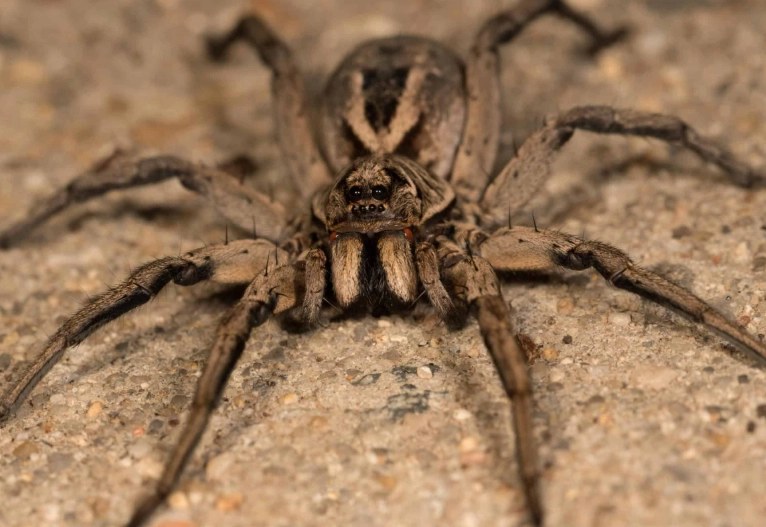
Let's get this out of the way right now: they look a lot scarier than they are. I used to freeze up when I saw one. That dense, bristly hair and those thick legs in that classic wolf spider brown color palette can be startling. But after spending way too much time reading about them and even observing a few in my own garage (from a respectful distance), I've come to see them more as fascinating roommates than terrifying intruders. Most of the fear comes from not knowing what they are or what they want.
So, what's the deal with these common yet misunderstood spiders? This guide is here to strip away the mystery. We're going to talk about exactly how to identify that brown spider you saw, why it's colored that way, whether you should actually be worried, and what to do if you find one hanging around. By the end, you'll know more about wolf spider brown creatures than you ever thought you would.
What Exactly is a Wolf Spider? Beyond Just the Brown Color
Wolf spiders belong to the family Lycosidae, a huge group with over 2,300 species worldwide. The name "wolf" comes from their hunting style—they chase down their prey like wolves, rather than trapping it in a web. It's a fitting, if slightly dramatic, name.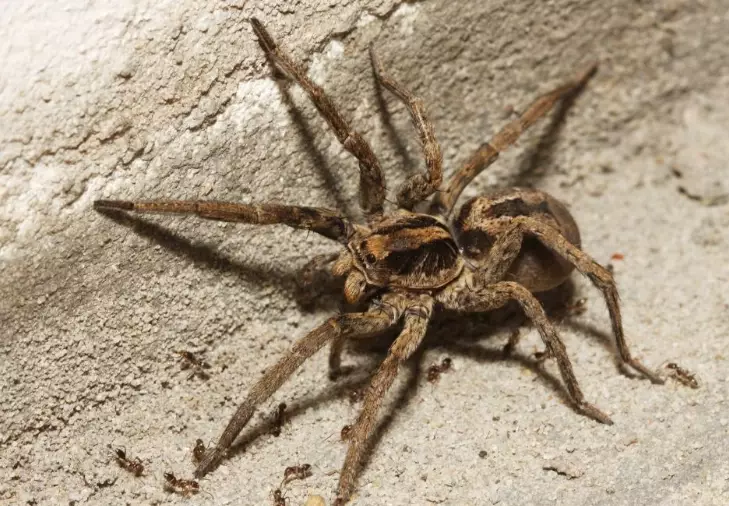
Think of them as the linebackers of the spider world. They're robust, muscular, and built for power and short bursts of speed. Unlike the delicate, long-legged cellar spider or the intricate orb-weaver, a wolf spider's body is low to the ground and stout. And that coloration isn't an accident.
Why Are Wolf Spiders Almost Always Shades of Brown?
This is the core of the wolf spider brown question. Their color scheme isn't random fashion; it's critical survival gear.
Camouflage is their primary defense and hunting tool. The typical brown wolf spider coloration—a mix of tans, browns, greys, and sometimes black markings—allows it to vanish against a backdrop of soil, leaf litter, bark, and dried grass. I once spent five minutes trying to find one I saw run under a pile of dead leaves in the garden. It completely disappeared. The patterns on their carapace (the hard "head" part) and abdomen often mimic the texture and speckling of their environment.
This brown palette serves two main purposes:
- To hide from predators: Birds, reptiles, and even other spiders would love to make a meal of a wolf spider. Being the color of dirt is a great way to avoid that.
- To ambush prey: They often wait motionless, blending in perfectly, until an unsuspecting insect—a cricket, a cockroach, another spider—wanders too close. Then, pounce.
So, when you see that distinctive wolf spider brown hue, you're looking at a master of disguise.
How to Identify a Brown Wolf Spider: A Step-by-Step Guide
"It's brown and scary" isn't a great identification method. Lots of spiders are brown. Here’s how to be sure you're looking at a wolf spider and not something else, like the much more concerning brown recluse.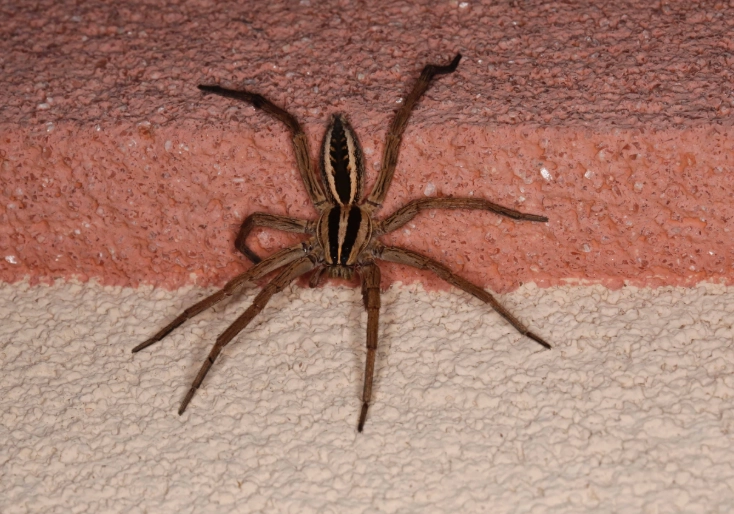
Here are the key features to look for in a true wolf spider brown specimen:
- Eyes are the giveaway: This is the most reliable feature. Get a good look (maybe with a flashlight and glass jar between you). You'll see two large, forward-facing eyes, with two smaller eyes below them, and a row of four smaller eyes on top of the head. This unique 4-2-2 arrangement is a wolf spider trademark.
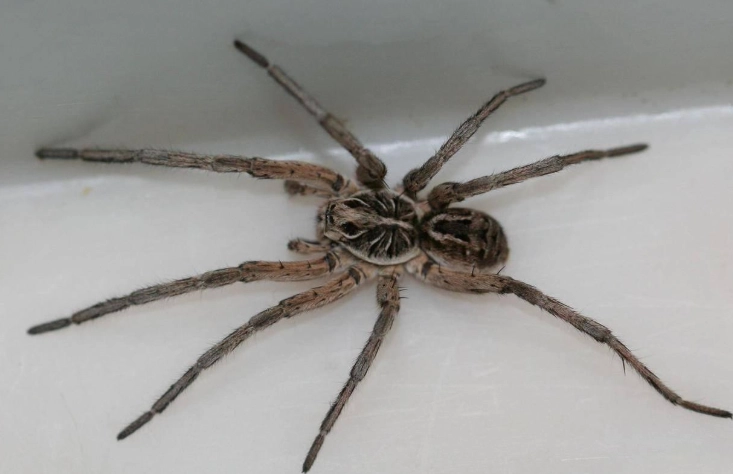
- Body Structure: They have a robust, hairy body. The abdomen is often oval and patterned with darker brown or grey streaks and spots that contribute to their camouflage.
- Legs: Thick, strong, and banded with darker brown. They are built for running, not delicate web-spinning.
- Size: They range widely. Some are small (10 mm), but many common house-invading species can have a body length of up to 1 inch (25 mm), with legs making them appear much larger.
- Behavior: They run in quick, darting bursts. If you corner one, it might rear up slightly on its back legs in a defensive posture, but it's more likely to just try to run away again.
Wolf Spider vs. Other Common Brown Spiders
To make identification easier, here's a quick comparison table. It's something I wish I'd had the first few times I was trying to figure out what I was looking at.
| Spider | Key Identifying Features | Web? | Typical Habitat |
|---|---|---|---|
| Wolf Spider | Eight eyes in 3 rows (4-2-2). Robust, hairy brown wolf spider body. Fast runner. | No (hunter) | Ground level: lawns, woods, under debris, occasionally indoors. |
| Brown Recluse | Six eyes in pairs. Distinct dark violin mark on head/thorax. Uniform light brown color. | Yes (irregular, messy) | Secluded, undisturbed areas: attics, boxes, behind furniture. |
| Grass Spider | Long spinnerets at rear (look like two tails). Prominent dark stripes on head/thorax. | Yes (funnel-shaped sheet web) | Grass, shrubs, ground-level vegetation. |
| American House Spider | Round abdomen, often with mottled patterns. Creates messy, tangled cobwebs. | Yes (tangled cobweb) | Corners of rooms, windows, garages, basements. |
Where Do Wolf Spiders Live and What Do They Eat?
You won't find a wolf spider in a beautiful, spiral orb web. Their world is on the ground. They are nocturnal hunters, spending the day hiding under rocks, logs, in burrows they dig, or in leaf litter. At night, they come out to patrol for food.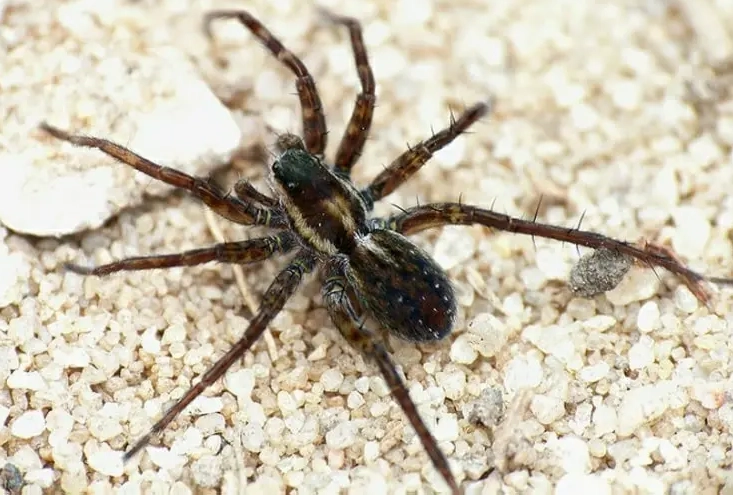
Their diet consists almost entirely of insects and other small arthropods. They are nature's pest control. A single wolf spider can consume a significant number of crickets, cockroaches, beetles, and even other spiders. If you have a lot of wolf spiders around, it often means you have a healthy population of other bugs for them to eat. They're a sign of the ecosystem working, even if it's the ecosystem of your backyard or basement.
So why do they come inside? Usually by accident, or because conditions outside become unfavorable (like a heavy rain flooding their burrow). Once inside, they're just looking for the same thing: dark, quiet corners and something to eat. A basement, garage, or closet near an entry point is prime real estate for a wandering wolf spider brown in search of shelter.
Are Wolf Spiders Dangerous? The Truth About Bites
This is the million-dollar question. The short answer is: no, not really. But let's be precise, because "not really" isn't very helpful when you're worried.
Wolf spiders possess venom—they need it to subdue their prey. However, their venom is not medically significant to humans. It's not designed for us. The Centers for Disease Control and Prevention (CDC) does not list wolf spiders among spiders of medical concern in the United States. That list is reserved for black widows and brown recluses.
What Happens if You Get Bitten?
First, bites are extremely rare. These spiders are not aggressive. Their first, second, and third instincts are to run. A bite typically only happens if they are trapped against your skin and feel they have no other option (like if you put on a shoe or glove they were hiding in).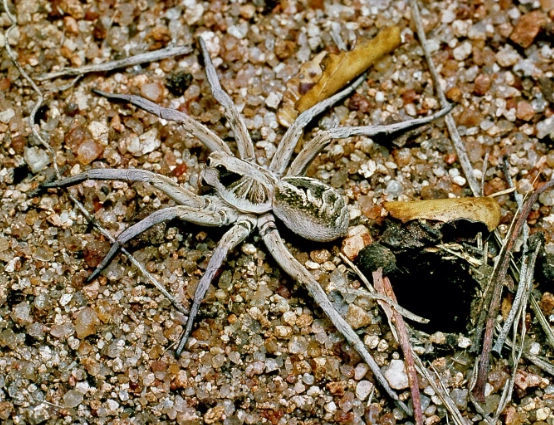
If a bite does occur, it's often compared to a bee sting. You might experience:
- Immediate, sharp pain at the site.
- Redness, swelling, and itching around the bite.
- A small, raised bump.
These local symptoms usually subside within a few hours to a couple of days. The bite from a common wolf spider brown species is not something that requires a trip to the emergency room.
I think the fear of their bite is way overblown. You're far more likely to have a bad reaction to a mosquito bite. The real "danger" from a wolf spider is the heart attack you might give yourself when you see one sprint across the floor!
What to Do If You Find a Wolf Spider in Your House
Your first instinct might be to squash it. I get it. But before you do, consider that this spider is actively hunting and eating the other bugs you really don't want in your house. It's working for you.
Here's my preferred, humane method for dealing with an indoor brown wolf spider:
- Stay calm. It's more scared of you.
- Get a clear container and a stiff piece of paper. A glass and an index card work perfectly.
- Slowly place the container over the spider. Try not to slam it down.
- Gently slide the paper under the container, trapping the spider inside.
- Carry it outside and release it in a sheltered area away from your main door—maybe by a garden shed or a woodpile.
If the thought of getting that close is too much, you can gently guide it into the container using a broom. The goal is to avoid direct contact for both your sakes.
When Might You Need Professional Help?
If you're seeing multiple large wolf spiders indoors regularly, it's a sign. It usually means there's an entry point they're using and, more importantly, a robust food source inside your home. In that case, the solution isn't just killing the spiders; it's finding and sealing entry points and addressing the underlying pest issue (the bugs they're eating). A call to a reputable pest control professional might be worthwhile to get a full assessment. You can find qualified professionals through organizations like the National Pest Management Association (NPMA).
How to Prevent Wolf Spiders from Coming Inside
An ounce of prevention is worth a pound of cure, especially when the "cure" involves catching a fast, hairy spider. Making your home less inviting is the key.
- Seal it up: Check the seals around doors and windows. Install door sweeps. Seal cracks in the foundation and gaps around utility pipes with caulk or steel wool. This stops all bugs, not just spiders.
- Reduce clutter: Wolf spiders love cluttered garages, basements, and storage areas. Keeping things tidy and off the floor removes their favorite hiding spots.
- Manage outdoor lighting: Lights attract the insects that attract spiders. Switch to yellow sodium vapor bulbs or place lights away from direct doorways.
- Keep vegetation back: Trim bushes, vines, and tree branches away from the sides of your house. This removes a natural bridge from the outdoors to your walls.
- General pest control: The fewer other insects in your home, the less appealing it is to a hungry wolf spider. Fix leaky faucets, store food in sealed containers, and take out the trash regularly.
Common Myths and Questions About Wolf Spiders
Absolutely, if you can tolerate them. Outdoors, they are a crucial part of the food web, controlling insect populations. Indoors, a solitary one is a free pest control agent. It's only a problem if there are many, indicating a larger issue.
They can jump short distances to pounce on prey, but they do not "jump at" people in an aggressive manner. If one seems to jump towards you, it's almost certainly trying to escape past you, not attack you. Their primary mode of travel is running.
This is one of the coolest things about wolf spiders and a dead giveaway for identification. After her eggs hatch, the spiderling climb onto the mother's abdomen and ride around with her for a week or more until they are ready to disperse. If you see a larger wolf spider brown body that looks like it's covered in tiny, moving granules, you're looking at a mom. It's an amazing sight and a sign of remarkable maternal care in the arachnid world.
Some people do keep them. They require a secure terrarium with substrate to burrow in, a water dish, and a diet of live insects like crickets. They are fascinating to observe but are not interactive "pets" in the way a tarantula might be for an enthusiast. They are watch-and-learn animals. For authoritative care information, hobbyist forums and resources from institutions like the Entomological Society of America can provide scientific context for arthropod husbandry.
A Final Thought on Coexistence
I'll be honest, I still don't love finding them in my house. There's a primal part of my brain that still yells "SPIDER!" when I see that sudden movement. But understanding them has changed my reaction from panic to mild annoyance followed by careful relocation.
That wolf spider brown color is a testament to their role as a stealthy ground predator. They are not out to get you. They're just lost, or hungry, or looking for a dry place to hide. They are a normal part of our environment, both outside and, occasionally, inside our homes.
The next time you see one of those fast, brown, hairy spiders dart across the floor, take a breath. Remember the eye pattern, remember the hunting habits, remember that it's far more afraid of you. You now have the knowledge to identify it, understand it, and deal with it calmly. And maybe, just maybe, you can appreciate it a little for the efficient, fascinating, and mostly harmless creature it is.
LEAVE A REPLY
Your email address will not be published. Required fields are marked *