Quick Navigation
- The Straight Facts: Kissing Bug Presence in Kansas Confirmed
- Why the Fuss? Understanding the Chagas Disease Connection
- Spotting the Bug: Don't Mistake a Friend for a Foe
- Practical Protection: How to Keep Your Home and Family Safe
- Digging Deeper: Common Questions Answered
- Putting It All Together: A Balanced Perspective for Kansans
Let's cut right to the chase. If you're searching "do kissing bugs live in kansas," you're probably feeling a mix of curiosity and genuine concern. Maybe you saw a weird bug near your porch light, or a friend shared a scary story online. I get it. A few summers back, I was turning over some patio stones in my Wichita-area garden and found a cluster of dark, winged insects that made me pause. That moment of "what is that?" sent me down a rabbit hole of research. So, let's talk plainly about what's real, what's overblown, and what you actually need to know.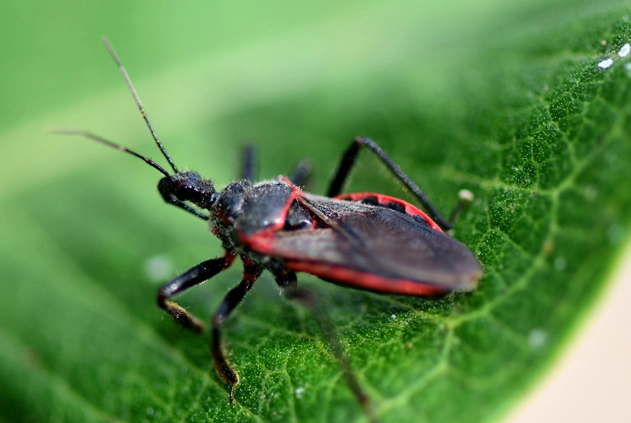
The short, confirmed answer is yes, kissing bugs do live in Kansas. They're not a myth or something that only happens in far-off places. But before you let that fact spark panic, take a breath. Their presence here comes with a lot of important context that most quick online articles gloss over. Understanding the nuance—the where, the how many, and the real risk level—is what separates useful information from fear-mongering.
Bottom Line Up Front: Kissing bugs (scientific family: Reduviidae, subfamily: Triatominae) are confirmed residents of Kansas. However, established infestations in human homes are relatively rare compared to states further south. The primary concern isn't their bite itself, but the potential transmission of a parasite that causes Chagas disease.
The Straight Facts: Kissing Bug Presence in Kansas Confirmed
This isn't speculation. Entomologists and public health officials have documented these insects within state lines. The evidence comes from a few key sources. University entomology departments, like those at Kansas State University, have collections that include specimens found locally. Furthermore, citizen science initiatives and reports to local extension offices add to the data picture.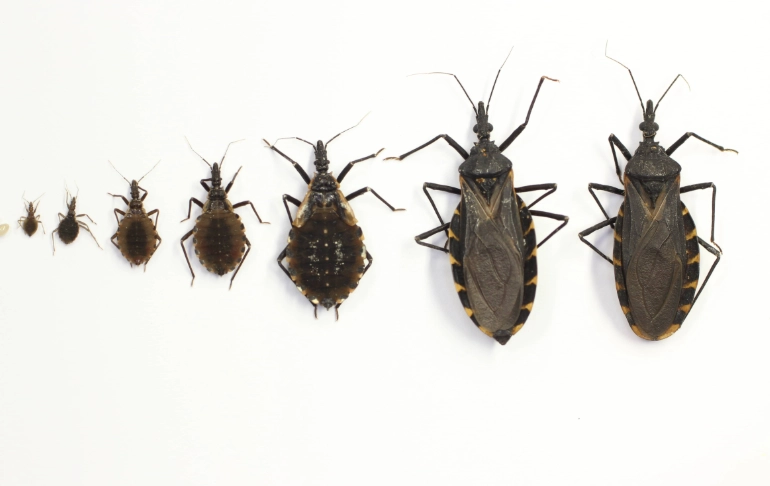
Think of their distribution in Kansas not as a uniform blanket, but more like a patchwork quilt with some thicker threads in certain areas. They tend to be associated with specific habitats that support their wild animal hosts. You're more likely to encounter them in rural or semi-rural settings, particularly:
- Areas with woodrat nests: These rodents (like the Eastern woodrat) are classic hosts for kissing bugs in North America. Rocky outcrops, brush piles, and abandoned structures that house woodrat colonies can be focal points.
- Near wildlife dens: Areas supporting raccoons, opossums, and skunks can also harbor bugs, as these mammals are common bloodmeal sources.
- Outbuildings and kennels: Sheds, barns, dog houses, and chicken coops that provide shelter for both bugs and their hosts can be potential sites, especially if they are less frequently disturbed.
So when you ask "do kissing bugs live in kansas," the geographic reality is they can pop up in many parts of the state, but your personal odds of a close encounter depend heavily on your specific environment.
Why the Fuss? Understanding the Chagas Disease Connection
Alright, so they're here. Why does it matter? Most insect bites are just itchy annoyances. The unique issue with kissing bugs is their link to Trypanosoma cruzi (T. cruzi), a parasite that causes Chagas disease. Here's the critical part that often gets muddled: Not all kissing bugs carry the parasite. In fact, studies in the U.S. suggest the infection rate in wild kissing bugs is significantly lower than in parts of Central and South America where Chagas is a major public health concern.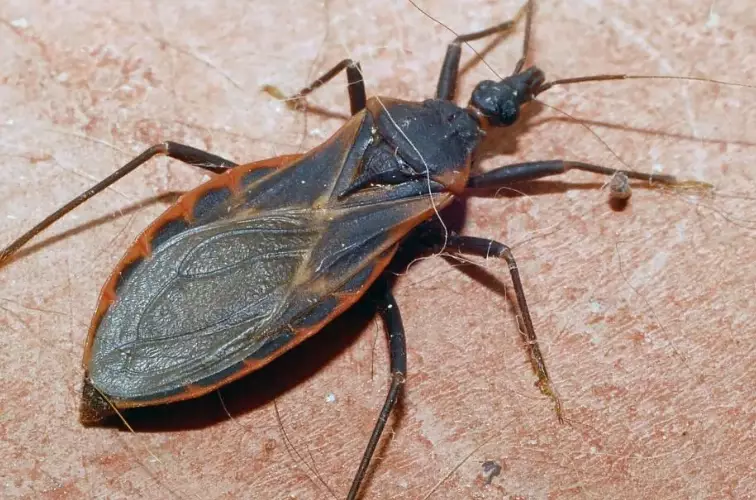
The transmission is also not simple. It doesn't happen like a mosquito injecting malaria with its bite. The typical route is:
- The bug bites (usually on a person's face, hence the "kissing" name) to feed on blood.
- While feeding, it often defecates near the bite site.
- The parasite, if present in the bug's gut, is in its feces.
- You accidentally scratch or rub that fecal matter into the bite wound, your eyes, or mouth.
See the difference? The bite itself isn't the direct transmitter. It's the contamination afterward. This is why immediate and proper cleaning of the area is such a powerful preventive step.
The Real Concern: Chagas disease has an acute phase that can be mild or unnoticed, but in about 20-30% of chronically infected people, it can lead to serious cardiac or digestive complications years or decades later. This silent, long-term risk is what makes awareness important.
Now, let's be brutally honest about risk assessment in Kansas. The CDC notes that vector-borne transmission of Chagas (from bug to human) within the United States is considered rare. Most U.S. cases are in individuals who acquired the infection in endemic countries of Latin America. However, "rare" does not mean "impossible." Documented autochthonous (locally acquired) cases have occurred in southern states. This means understanding the bug is a component of general wildlife awareness, much like knowing about ticks and Lyme disease.
Spotting the Bug: Don't Mistake a Friend for a Foe
Misidentification is huge. People see any large, dark bug and jump to conclusions. I've seen folks confidently declare a harmless leaf-footed bug or even a stink bug a "kissing bug" on social media. This causes unnecessary fear. Let's get the picture clear.
Key Identification Features of Kissing Bugs
- Size & Shape: Adults are roughly ¾ to 1 ¼ inches long. They have a distinctive elongated, oval shape, not round or shield-shaped.
- Color: Usually dark brown or black, often with lighter, reddish, orange, or yellow stripes or markings around the edge of their abdomen. These markings are a key visual clue. The patterns vary by species.
- Head: Noticeably cone-shaped and narrow, with a long, straight proboscis (beak) tucked underneath when not in use. This beak is what they use to pierce skin and suck blood.
- Behavior: They are attracted to lights at night. You might find them on patios, porches, or even fly into your house through an open door. They can fly, but they are not agile fliers.
To help you compare, here are some common Kansas bugs that get confused with kissing bugs.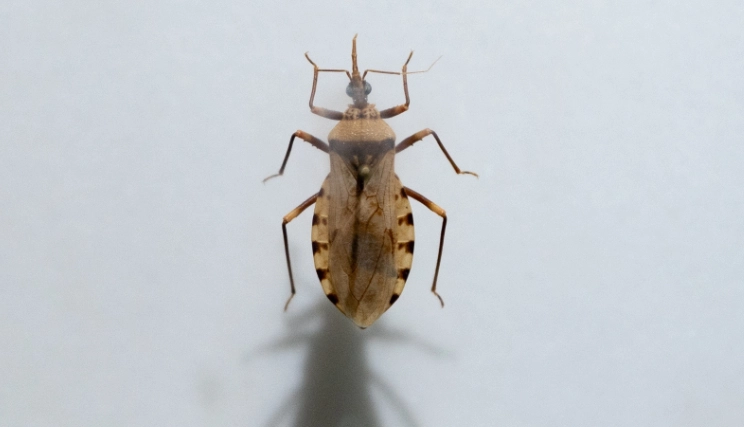
| Insect | Key Differences from Kissing Bugs | Harm Level |
|---|---|---|
| Wheel Bug | Large, gray, has a distinctive cog-like "wheel" on its thorax. Also has a beak but is a general predator (eats other insects). | Can deliver a VERY painful defensive bite if handled. Not a disease vector. |
| Western Conifer Seed Bug | Brown, with flattened, leaf-like expansions on its hind legs. Makes a loud buzzing in flight and seeks shelter indoors in fall. | Harmless nuisance. No bite risk. |
| Boxelder Bug | Black with distinct red lines on its thorax and wings. Often found in large groups on sunny sides of buildings in fall. | Harmless nuisance. Can stain surfaces with feces. |
| Assassin Bug (general) | Many species. Kissing bugs ARE a type of assassin bug, but most others are pure predators. Look for the cone head and striped abdomen edge for kissing bugs specifically. | Many can bite painfully in defense. Not disease vectors. |
If you find a bug you suspect is a kissing bug, the best practice is to not crush it with your bare hands. Capture it carefully in a sealed container or zip-top bag. You can contact your local K-State Research and Extension office for identification assistance. They are an incredible resource.
Practical Protection: How to Keep Your Home and Family Safe
Knowledge is good, but action is better. The strategies to reduce chances of encountering kissing bugs are largely common-sense pest exclusion techniques. They won't guarantee you'll never see one, but they dramatically tilt the odds in your favor. I've implemented most of these at my own place, and it just makes the property feel tidier and less bug-friendly overall.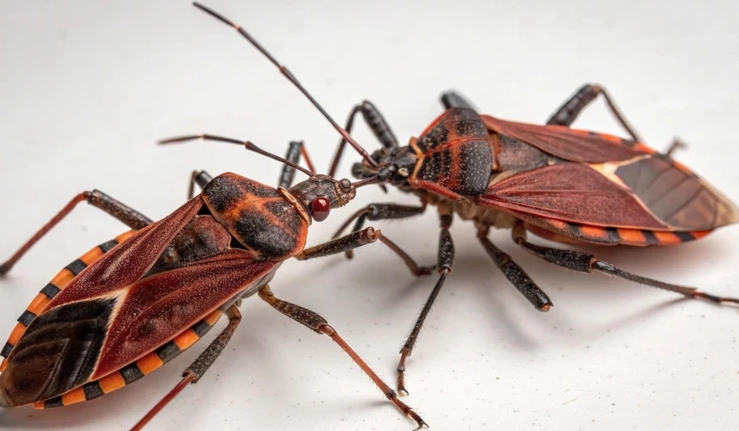
Proactive Defense Beats Reactive Panic: Focusing on making your home less attractive to kissing bugs and their hosts is far more effective than worrying about every dark insect you see.
Seal the Fort: Home Exclusion Tips
- Door and Window Seals: Install or repair weather stripping. Ensure screens are intact, with no tears. Pay special attention to gaps around utility lines and pipes entering the house.
- Pet Safety: Bring pet food and water bowls inside at night. If pets sleep in outdoor kennels, elevate them and inspect bedding regularly. Consider keeping pets indoors at night in higher-risk areas.
- Light Management: Since bugs are attracted to light, switch exterior lights near doors to yellow "bug" bulbs or LEDs, which are less attractive. Consider moving lights away from doorways or using motion sensors so they aren't on all night.
- Yard Clean-Up: Remove piles of wood, rock, and debris near the house. Keep vegetation, especially vines and shrubs, trimmed back from foundations and windows. This removes harborage for both bugs and rodent hosts.
- Inspect & Vacuum: Periodically check areas like behind pictures, under beds, and in closets if you're in a higher-risk zone. A good vacuum cleaner is your friend for removing any stray insects or eggs.
What If You Find One? Or Get Bitten?
Stay calm. If you find a live bug, capture it as described above for ID. If it's dead, you can still save it in a bag. Knowing what you're dealing with is the first step.
If you wake up with a bite you suspect might be from a kissing bug:
- Don't Panic. Remember, transmission requires fecal contamination.
- Wash the area thoroughly with soap and water. Apply an antiseptic. This simple act drastically reduces any risk.
- Watch for symptoms like severe swelling, fever, fatigue, or body aches in the following weeks. If you experience these, see a doctor and mention your possible kissing bug exposure. A blood test can check for T. cruzi infection.
Digging Deeper: Common Questions Answered
You've got the basics. But I know how it goes—one answer leads to three more questions. Here are some of the deeper dives people are really searching for.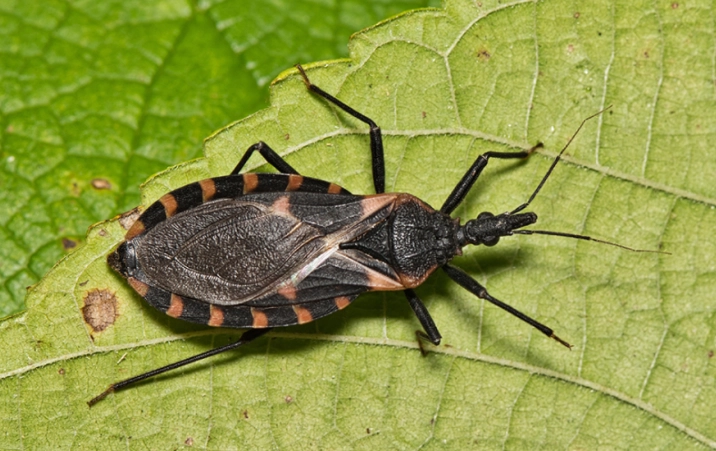
Are certain parts of Kansas worse for kissing bugs?
It's not officially mapped like tornado alley, but logic and habitat suggest southern and central Kansas, with their mix of rural landscapes and suitable rodent host populations, might see more activity than the intensely farmed western regions or highly urbanized northeast corners. But they've been found in various counties. It's more about your micro-habitat than your county line.
What time of year are they most active?
They're most noticeable in the warm months, from late spring through early fall. As temperatures cool, adults seek sheltered spots to overwinter. This is when they might accidentally wander into homes looking for a cozy spot, similar to boxelder bugs or lady beetles.
Can my dog or cat get Chagas disease from kissing bugs?
Yes, dogs can be infected with T. cruzi and develop Chagas disease, which can be serious. Cats seem to be more resistant. This is another strong reason for the prevention steps mentioned, especially securing pet sleeping areas and bringing food in at night. If you're in a high-risk area, talk to your vet.
How common is it to actually get Chagas from a bug in Kansas?
Let's be quantitative with the best data we have. The chain of events required is long: 1) A kissing bug finds you. 2) That specific bug is infected with the parasite. 3) It defecates in the right spot during/after feeding. 4) You inadvertently rub that feces into the bite or a mucous membrane. Each step reduces the probability. While the exact Kansas statistic is unknown, nationally, the CDC emphasizes that vector-borne cases are rare. The risk is non-zero, but it is statistically low. Your risk from driving or tick-borne illnesses is orders of magnitude higher. This context matters.
Should I use insecticides?
Broad, indiscriminate spraying of yards is generally ineffective and environmentally harsh. Targeted application by a professional pest control operator to specific harborages (cracks in foundations, under siding, around outbuilding entry points) can be part of an integrated plan if you have a confirmed issue. But exclusion (sealing them out) and habitat modification are your first and best lines of defense. I'm not a fan of dousing everything in chemicals as a first resort; it often causes more problems than it solves.
Putting It All Together: A Balanced Perspective for Kansans
So, after all this, where do we land on the central question, "do kissing bugs live in kansas"? Absolutely, they do. They are a native part of the ecosystem, playing a role (as unsavory as it seems to us) as parasites of wild animals.
The take-home message isn't one of alarm, but of informed awareness and pragmatic action. They are a low-probability, high-concern pest for humans in Kansas. The likelihood of you getting Chagas disease from a bug in your Topeka or Salina home is very small. But because the potential consequence is serious, it's wise to know how to identify them, understand how they operate, and take sensible steps to discourage them from choosing your home.
Focus on the things you can control: sealing up your house, managing outdoor lights and clutter, and inspecting pets' outdoor areas. These actions have the lovely side benefit of making your home less inviting to a whole host of other unwanted critters, too.
If you see a bug that matches the description, handle it smartly and get it identified. Use the fantastic resources available through USDA research centers and university extensions for the latest, most accurate local information, not just the most sensational headlines.
Living in Kansas means sharing space with amazing wildlife, from birds to butterflies to, yes, sometimes bugs with complicated reputations. A little knowledge takes the fear out of the equation and lets you enjoy the prairie, your backyard, and your home with clear-eyed confidence. That's the real goal here.
LEAVE A REPLY
Your email address will not be published. Required fields are marked *