Quick Navigation
Let's be honest, the first time you see one, you might not think much of it. A small, black, kind of oval-shaped beetle, maybe on your windowsill or near a lamp. It seems harmless enough. You might even mistake it for a ladybug without the spots. I know I did. But then you find the holes. The tiny, precise holes in your favorite wool sweater, the irregular patches eaten out of that antique rug, or the peculiar damage to a stored feathered hat. That's when the penny drops, and the internet search begins, leading you here, probably with the phrase "carpet beetle black" or something similar.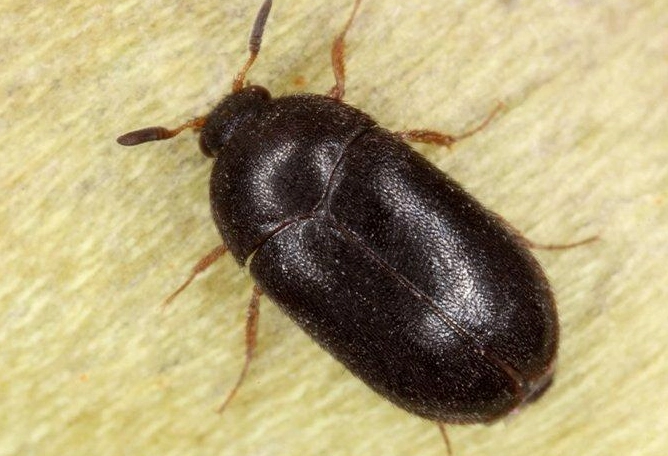
You're not alone. These little guys are incredibly common household pests, often more widespread than people realize. The term "black carpet beetle" can refer specifically to one species, Attagenus unicolor, but folks often use it to describe any dark-colored carpet beetle they find. And the real troublemakers? They're not even the beetles you see walking around. It's their larvae, the hungry, hairy little worms, that do all the destruction. This guide is here to cut through the confusion. We'll talk about what they are, how to spot them (both the easy-to-see adults and the well-hidden larvae), the real damage they can do, and most importantly, how to get rid of them for good. No scare tactics, just clear, actionable information from someone who's dealt with them more times than I'd like to admit.
What Exactly Is a Black Carpet Beetle?
First, let's clear up the name. In the strictest sense, the Black Carpet Beetle (Attagenus unicolor) is a specific species. It's one of the most common carpet beetles in many parts of the world. Adults are solid, dark brown to black, and about 1/8 to 3/16 of an inch long. They have a slightly elongated, oval shape. But in everyday conversation, people call any dark, small beetle near fabrics a "black carpet beetle." You might also encounter the Varied Carpet Beetle (which has a patterned, multi-colored scale pattern) or the Furniture Carpet Beetle. For the purposes of control, the advice is largely the same, but proper identification helps.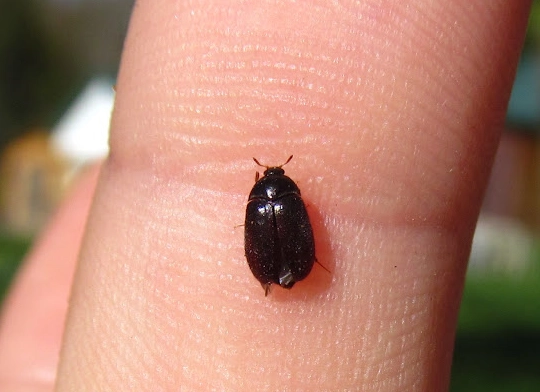
Why are they in your house? Simple. They're looking for food and a place to breed. Adult carpet beetles actually feed on pollen and nectar from flowers outdoors. They're attracted to light, which is why you often find them on windowsills. They fly in through open windows or doors, or sometimes hitch a ride on cut flowers. Once inside, the female looks for a suitable, food-rich place to lay her eggs. And that's where your problems start.
The life cycle is key to understanding the battle. The adult beetle lays dozens of tiny, white eggs in dark, undisturbed places near a food source. These hatch into the larvae. The larvae are the damaging stage. They look like small, hairy or bristly caterpillars, often a reddish-brown or tan color. They can live and feed for months, even up to a year or more, depending on conditions, molting several times and growing to about 1/4 inch. When they're ready, they pupate and emerge as adults, starting the cycle again. In a warm house, you can get multiple generations per year.
Spotting the Difference: Black Carpet Beetle vs. Look-Alikes
It's easy to panic and think every small bug is a carpet beetle. Here’s a quick mental checklist to separate the common black carpet beetle from other household critters.
Bed Bugs: This is a big one. People see small, dark bugs and panic. Bed bugs are flatter, more apple-seed shaped, and don't have the hard, distinct wing covers (elytra) that beetles have. They also don't have the fine hairs of carpet beetle larvae. Bed bugs are also rarely seen casually walking in the open during the day.
Fleas: Fleas are laterally flattened (thin from side to side) and are incredible jumpers. A carpet beetle can't jump. Fleas are also much more associated with pets.
Other Beetles: Drugstore beetles or cigarette beetles are more rounded, almost barrel-shaped. Spider beetles have a large, rounded abdomen that makes them look, well, like tiny spiders. A true black carpet beetle has that classic, elongated-oval beetle silhouette.
The larvae are even more distinctive. They're often described as looking like tiny, mobile pipe cleaners or caterpillars covered in bristles. The hairs can sometimes cause mild skin irritation in sensitive individuals, which is another reason to handle any found larvae with care (use tape or a vacuum, not your fingers).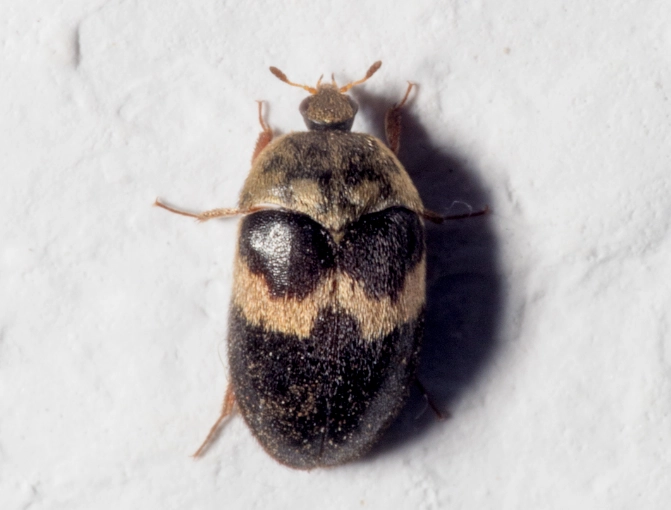
The Real Damage: What Do Black Carpet Beetles Eat?
This is the part that hurts. The larvae are voracious keratin feeders. Keratin is a protein found in animal-based fibers and products. They don't eat synthetic fibers like polyester or nylon unless they're soiled with food or sweat. Their menu is unfortunately comprised of many valuable and sentimental items.
- Wool: This is their absolute favorite. Wool rugs, carpets, blankets, suits, sweaters, and upholstery are prime targets. The damage often appears as irregular holes or surface grazing where the fibers have been chewed off.
- Silk: Expensive silk garments, tapestries, or linings are not safe.
- Fur & Feathers: Fur coats, stoles, taxidermy mounts, feather pillows or decorations, and down-filled items are all at risk. I've seen them decimate an old feather hat collection—it was heartbreaking.
- Leather & Skins: Leather jackets, bags, book bindings, and parchment.
- Other Natural Fibers: Cotton, linen, and rayon can be attacked, especially if stained.
- Food Sources: In the absence of fabrics, they'll turn to dried pet food, cereals, spices, dried flowers, insect collections, and even dead insects in light fixtures or wall voids.
The pattern of damage is often a tell-tale sign. Unlike clothes moths, which often create clean, round holes, carpet beetle larvae tend to create more irregular, ragged holes or areas where the surface fibers are eaten away, leaving a bare base. You'll also find their shed skins (which look like tiny, empty larval husks) and their fecal pellets, which are tiny, sandy, and granular, often accumulating in the bottom of a drawer or under an infested item.
Your Step-by-Step Battle Plan: Inspection, Control, and Prevention
Okay, so you've identified the problem. Maybe you've seen a black carpet beetle or two, or worse, found damage. Don't despair. Eradication is totally possible, but it requires a thorough, multi-pronged approach. Sprays alone won't cut it. You need to combine sanitation, physical removal, and targeted chemical controls.
Phase 1: The Deep Inspection
You can't fight what you can't find. Grab a bright flashlight and a magnifying glass if you have one. You're looking for adults, larvae, shed skins, fecal pellets, and damage.
Primary Zones to Check:
- Closets & Wardrobes: Check along edges, corners, shelves, and especially under and behind storage boxes. Pull everything out.
- Under Furniture: Move couches, beds, and heavy dressers. Check the undersides of furniture, the back of upholstered pieces, and the padding under carpets (lift corners if possible).
- Storage Areas: Attics, basements, and under-stair storage where seasonal items, rugs, or old clothes are kept are ground zero.
- Air Vents & Ducts: Lint and dust accumulation in ducts can be a food source. Check vent covers.
- Pet Areas: Look around pet bedding, spilled dry food, and favorite lounging spots where shed pet hair accumulates.
- Window Frames & Sills: A common place to spot the light-attracted adults.
Phase 2: Sanitation & Physical Removal
This is the most critical step. You must remove the food source and the existing pests physically.
- Vacuum, Vacuum, Vacuum: Use a vacuum with a hose and crevice tool. Vacuum every crack, crevice, corner, shelf, and drawer in infested areas. Vacuum under furniture, along baseboards, inside closets, and especially the edges of carpets. This physically removes eggs, larvae, adults, and food debris. Immediately dispose of the vacuum bag or empty the canister into a sealed plastic bag and take it outside. Don't let it sit in your indoor trash can.
- Heat Treatment: For any fabric item you suspect is infested but is washable, heat is your best friend. Wash in hot water (at least 120°F/49°C) and dry on the highest heat setting the fabric can tolerate. The heat will kill all life stages. For delicate items that can't be washed, consider professional heat treatment or, if small enough, sealing in a plastic bag and placing it in a deep freezer for at least 72 hours (a standard home freezer may not be cold enough, so a deep freezer is better).
- Declutter & Discard: Be ruthless with severely infested, non-valuable items. Bag them tightly and dispose of them. It removes a breeding site.
- Seal Entry Points: Install tight-fitting screens on windows and doors. Seal cracks and gaps around utility lines, windows, and doors with caulk.
Phase 3: Chemical & Natural Control Options
After thorough cleaning, you can use targeted products to kill any remaining pests and provide a residual barrier. Here’s a breakdown of common options.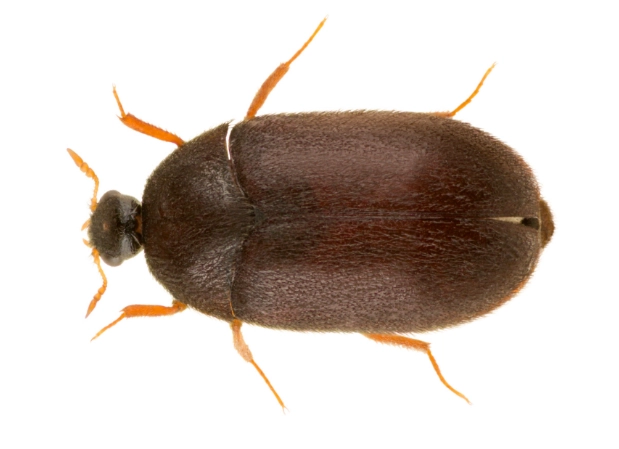
| Control Method | How It Works / Best For | Pros & Cons / Notes |
|---|---|---|
| Insecticide Sprays & Aerosols | Contains pyrethroids (e.g., bifenthrin, cyfluthrin). Kills on contact and leaves a residual film. Use as a crack-and-crevice spray along baseboards, under edges of carpets, in voids. | Pro: Good residual control. Con: Not a substitute for cleaning. Can be harmful if misused. Always follow label directions to the letter. I'm not a fan of broadcast spraying entire rooms—it's unnecessary and exposes you to more chemicals. |
| Diatomaceous Earth (DE) | A fine, abrasive powder made from fossilized algae. It damages the waxy outer layer of insects, causing them to dehydrate and die. Dust lightly into cracks, crevices, behind outlets, under appliances. | Pro: Natural, non-toxic to humans/pets when using food-grade DE. Has a long shelf life. Con: Works slowly. Can be messy. Must use food-grade, not pool-grade. Wear a mask when applying to avoid inhaling dust. |
| Boric Acid Powder | Acts as a stomach poison when ingested by larvae. Very effective when applied lightly in hidden areas where larvae travel. | Pro: Very effective, long residual. Con: EXTREME CAUTION with pets and children. Must be applied in completely inaccessible locations (e.g., under carpet padding, inside wall voids by a professional). I rarely recommend this for DIYers unless they are extremely careful and have no other risks. |
| Professional Pest Control | A licensed professional will perform a detailed inspection and use a combination of methods, often including targeted insecticides and growth regulators (IGRs). | Pro: Expertise, stronger tools, guarantee. Best for severe, widespread, or recurring infestations. Con: Cost. You need to find a reputable company. Ask about their specific plan for carpet beetles. |
One product category worth mentioning is Insect Growth Regulators (IGRs). These are chemicals that mimic insect hormones and disrupt the development of larvae, preventing them from maturing into reproducing adults. They are often a key component of professional treatments and are available in some consumer products. They work well as part of a long-term strategy but are slow-acting.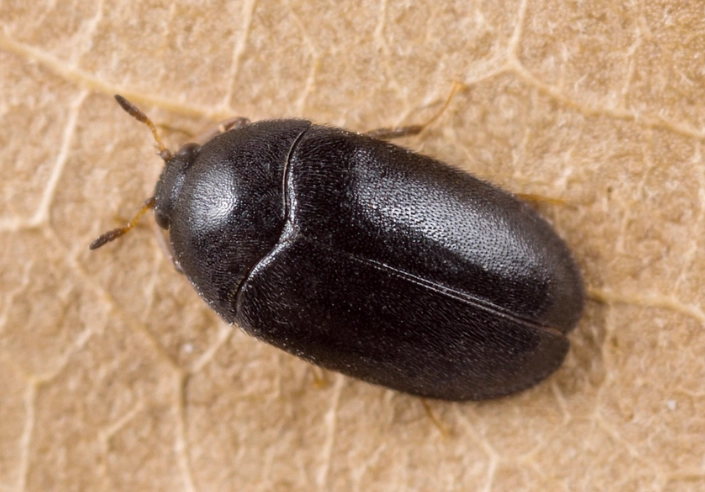
Common Questions About Black Carpet Beetles
Long-Term Prevention: Making Your Home a Fortress
Getting rid of an infestation is one thing. Keeping them out is another. Think of prevention as ongoing home maintenance.
- Regular Vacuuming: Make vacuuming carpets, rugs, and under furniture a regular habit. Don't forget upholstery and the edges of rooms.
- Seal Food Sources: Store woolens, furs, and other vulnerable items in airtight containers. Keep pet food in sealed containers and clean up spills promptly.
- Screen & Seal: Maintain window and door screens. Keep attic and basement spaces well-ventilated and dry.
- Inspect Incoming Items: Be cautious with second-hand furniture, rugs, or clothing. Inspect them thoroughly outdoors or in a garage before bringing them inside. Give them a good vacuum or clean first.
- Monitor: Consider using sticky pheromone traps designed for carpet beetles. These won't control an infestation but are excellent early-warning devices, letting you know if adults are active in an area.
It's a bit of work, but it beats finding your heirlooms turned into Swiss cheese.
When to Call in the Professionals
I'm a big advocate for DIY, but sometimes you need to call for backup. Consider professional help if:
- The infestation is widespread throughout the house, especially in difficult-to-access areas like wall voids or ductwork.
- You've tried a thorough DIY approach multiple times, but the black carpet beetles keep coming back.
- You have valuable, irreplaceable items (like museum-quality textiles or extensive taxidermy) that are at risk and require specialized treatment.
- You simply don't have the time, ability, or desire to do the intensive inspection and cleaning required.
A good pest control professional will spend time inspecting, not just spraying. They should explain their treatment plan, which should include a strong emphasis on sanitation recommendations alongside any pesticide application. Ask about the products they use and if they include an Insect Growth Regulator for longer-term control.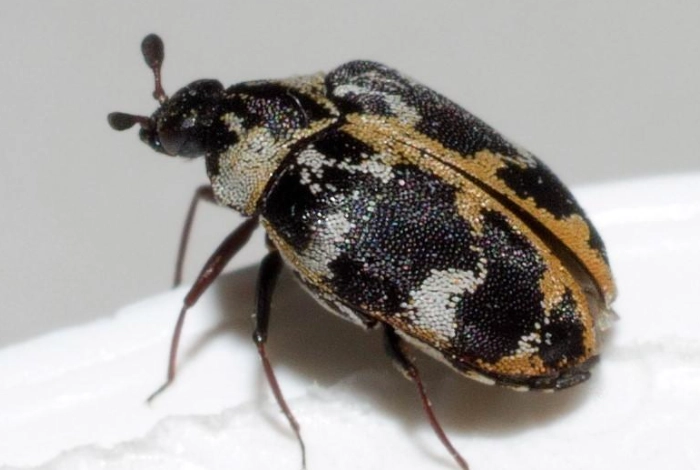
LEAVE A REPLY
Your email address will not be published. Required fields are marked *