Quick Guide to This Article
- What Exactly Is a Kansas Wolf Spider?
- Spotting the Difference: Wolf Spider vs. Look-Alikes in Kansas
- The Life and Times of a Kansas Wolf Spider
- The Million-Dollar Question: Are Wolf Spiders in Kansas Poisonous?
- Living With (or Gently Discouraging) Wolf Spiders
- Busting Common Myths About Wolf Spiders in Kansas
- Your Kansas Wolf Spider Questions, Answered
- The Big Picture: Wolf Spiders as Part of Kansas's Ecosystem
Let's be honest. The first time you see one of those big, hairy, fast-moving spiders in your Kansas garage or scurrying across the basement floor, your heart probably skips a beat. I know mine did. You're not sure if it's dangerous, if it's going to have a hundred babies in your shoe, or if it's just a harmless visitor. That's the thing about wolf spiders in Kansas – they're incredibly common, yet surrounded by so much mystery and misinformation.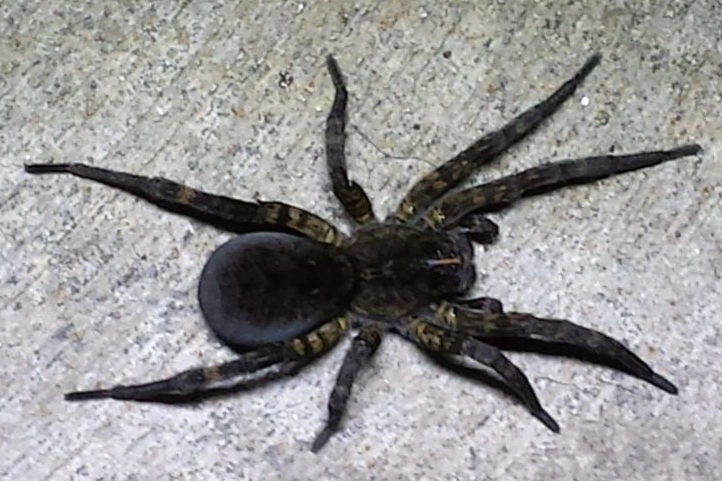
If you've found yourself searching for "wolf spider kansas" or "kansas wolf spider," you're in the right place. This isn't just a dry list of facts. I've spent more time than I'd like to admit observing these critters around my own property (and yes, sometimes relocating them from inside the house). We're going to cut through the fear and get to what you actually need to know: what they look like, what they do, whether you should be worried, and how to peacefully coexist with them in the Sunflower State.
What Exactly Is a Kansas Wolf Spider?
First off, "wolf spider" isn't the name of just one spider. It's a whole family, called Lycosidae. Kansas is home to several species that fall under this umbrella. They're the sprinters of the spider world. Unlike the orb-weavers that build intricate webs to catch dinner, wolf spiders are active hunters. They stalk and pounce on their prey, much like the canine they're named after. This is why you'll often see them on the ground – in leaf litter, along foundation walls, in gardens, and sometimes, unfortunately, in your living space.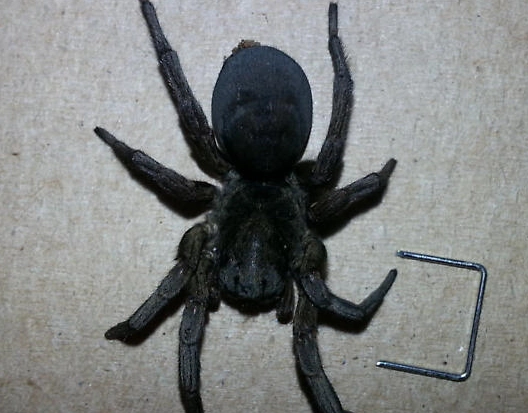
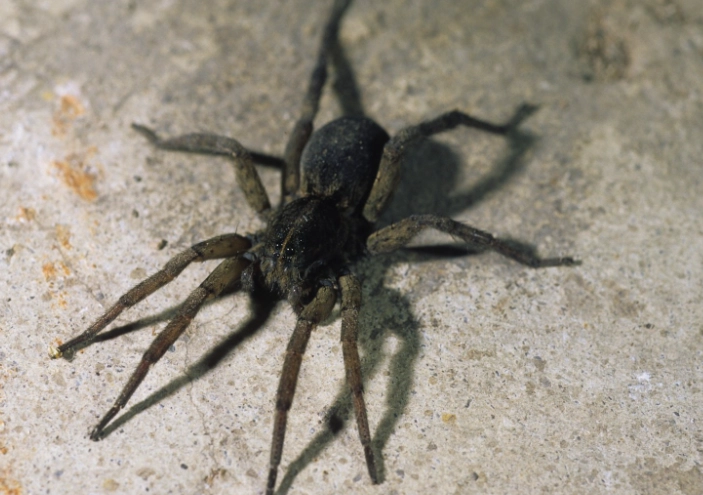
Quick Key Fact: The most common wolf spiders you'll encounter in Kansas range from about half an inch to over an inch and a half in body length (legspan makes them look much larger). Their color is usually a mix of browns, grays, and blacks, often with streaky or mottled patterns that act as perfect camouflage against the soil and dried grass.
One of the most distinctive features, and a dead giveaway that you're looking at a wolf spider, is the eye arrangement. They have eight eyes total, arranged in three rows. The bottom row has four small eyes, the middle row has two very large forward-facing eyes (these give them excellent vision for hunting), and the top row has two medium-sized eyes. If you can get close enough to see that configuration (from a safe distance, please), you've positively identified a wolf spider.
Spotting the Difference: Wolf Spider vs. Look-Alikes in Kansas
This is where people get tangled up. A big brown spider is just a big brown spider, right? Not quite. Misidentifying a spider can lead to unnecessary panic or, conversely, underestimating a potentially more concerning visitor. Let's clear this up with a straightforward comparison.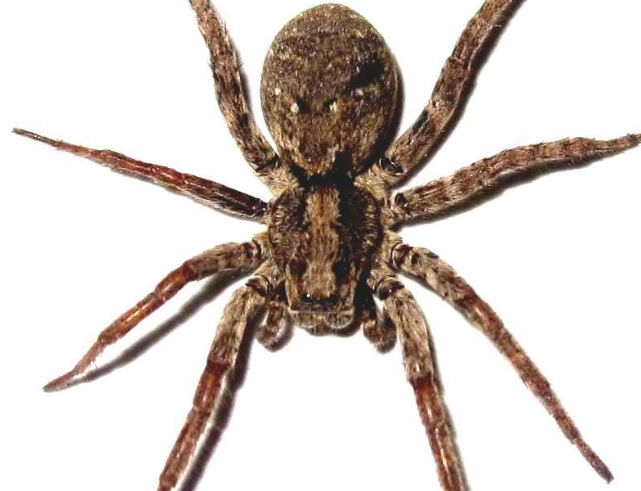
| Feature | Wolf Spider (Kansas) | Brown Recluse | Grass Spider |
|---|---|---|---|
| Primary Habitat | Ground dweller. Hunts on soil, in leaves, under debris. | Seclusive. Prefers undisturbed indoor areas (boxes, closets, behind furniture). | Builds funnel-shaped webs in grass, bushes, or ground corners. |
| Web | Does NOT build a web to catch prey. May have a small silk retreat or burrow. | Builds an irregular, off-white, sticky "cobweb" in hidden spots. | Builds a distinct, sheet-like web with a funnel-shaped retreat. |
| Legs & Posture | Stocky, robust legs. Often seen in a "ready-to-run" stance. | Longer, slender legs relative to body. Less hairy appearance. | Long, thin legs. Body held close to the ground near its web. |
| Most Distinctive Marking | Mottled brown/gray camouflage pattern. Prominent large eyes. | The "fiddle" or "violin" shape on its cephalothorax (head region), with the neck pointing toward the abdomen. | Two dark, longitudinal stripes running down the top of the cephalothorax. |
| Behavior When Disturbed | Fast, darting movements to escape. Will rarely bite unless trapped against skin. | Retreats quickly. Bite is a defensive last resort, often occurring when pressed against skin (e.g., in clothing). | Rushes back into its funnel retreat. Very unlikely to bite. |
See the big difference? The wolf spider is the athletic, outdoorsy type. The brown recluse is the secretive, indoor hoarder. Confusing the two is the most common mistake. While brown recluses do exist in parts of Kansas, their behavior and habitat are wildly different from your average ground-prowling wolf spider.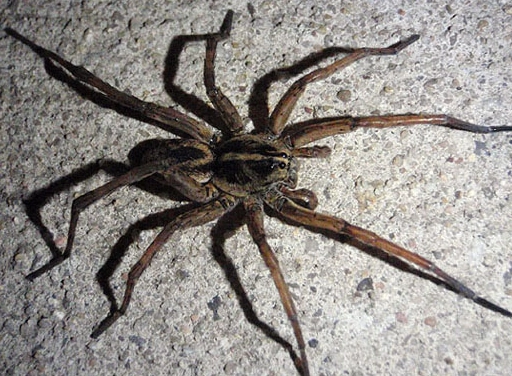
A Critical Reminder: Never attempt to handle any spider you cannot positively identify. The information here is for visual identification from a safe distance. If you are unsure, it's always best to consult a local expert or use resources from institutions like Kansas State University's extension services.
The Life and Times of a Kansas Wolf Spider
Understanding their life cycle explains a lot of their behavior, especially why you might see them more at certain times of the year.
Hunting and Diet: Nature's Pest Control
Let's give credit where it's due. Your average wolf spider in Kansas is working the night shift on your behalf. Their menu consists almost entirely of insects and other small arthropods. We're talking about crickets, cockroaches, beetles, ants, and even other spiders. They are a crucial part of the natural balance, keeping populations of potential pests in check. I've watched them in my garden at dusk, and it's impressive how efficiently they move.
They don't have venom strong enough to affect humans in any significant way (we'll get to bites in a minute), but it's perfectly evolved to quickly immobilize their insect prey.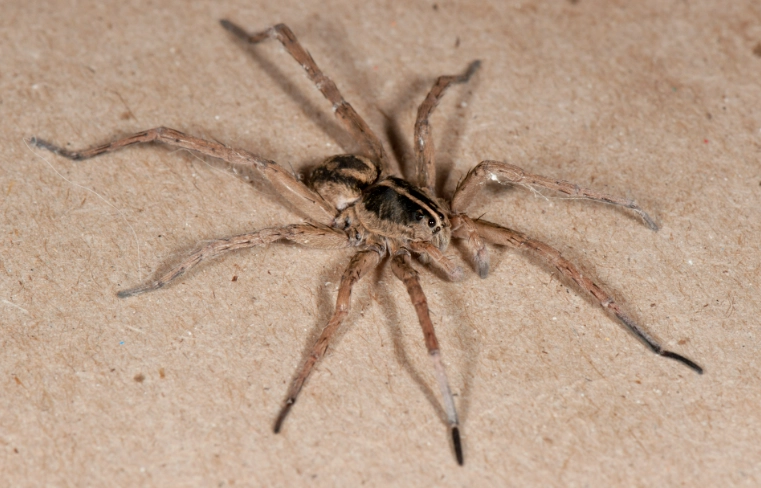
The Famous Spiderling Ride
This is one of the coolest and most distinctive things about wolf spiders. After the eggs hatch, the spiderlings (sometimes over a hundred of them) climb onto their mother's back. She carries them around for a week or more until they are large enough to disperse. If you see a larger-than-normal, seemingly "lumpy" wolf spider moving around in late spring or summer, you're probably looking at a mom on duty. It's an incredible sight and a sure sign you've found a wolf spider.
The first time I saw a mother wolf spider with all her babies on her back, I was honestly torn between being creeped out and being utterly fascinated. It's a powerful piece of natural history happening right in your backyard. It also means that spider is focused on her kids, not on you.
Where Do They Live?
In the wild, they love grasslands, wooded edges, and areas with good ground cover. Around your home, they're attracted to the same environments we create: mulch beds, dense ground cover plants, piles of firewood or stones, and the space under decks. They are solitary creatures and don't form colonies. Each one is out there running its own small business of pest control.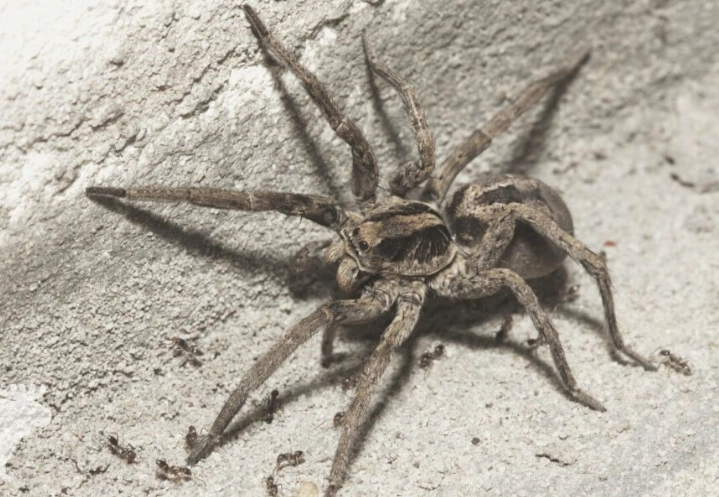
They sometimes wander indoors, especially in the fall when temperatures drop or during very dry or very wet periods when their outdoor harborage is disturbed. An open garage door, a crack in a foundation seal, or a gap under a door is an open invitation. They're not coming in to "infest" your home; they're usually just lost and looking for a way back out or a quiet, dark corner to wait out the day.
The Million-Dollar Question: Are Wolf Spiders in Kansas Poisonous?
This is the core of most people's fear, so let's address it head-on with clear language.
All spiders have venom. It's how they subdue their food. So technically, yes, wolf spiders possess venom. But the more important question is: Are they dangerously venomous to humans or pets? The answer, for the vast majority of people, is a resounding no.
A wolf spider bite is a rare event. They are not aggressive toward humans. Their first, second, and third instinct is to run away. A bite typically only happens if the spider is accidentally trapped or pressed against your skin—like if you put on a gardening glove it had crawled into.
What a Bite is Like: If a bite does occur, it's often compared to a bee sting. You might feel a sharp pinch, followed by localized redness, swelling, and itchiness that can last for a few days. It can be uncomfortable, but it's not a medical emergency for a healthy adult. The venom is not considered medically significant. The biggest risk, as with any break in the skin, is a secondary bacterial infection if the bite is scratched and not kept clean.
Compare this to the potential bite of a brown recluse, which can cause necrotic (tissue-damaging) wounds in some cases. This is precisely why proper identification is so crucial. The fear you might attach to a harmless wolf spider kansas resident should be directed toward understanding and avoiding the habitats of the more reclusive species.
For authoritative medical information on spider bites, the Centers for Disease Control and Prevention (CDC) provides guidelines, which consistently note that most spider bites, including those from common species like wolf spiders, are minor.
Living With (or Gently Discouraging) Wolf Spiders
Given their beneficial role, the best approach for wolf spiders outdoors is tolerance. They are allies in the garden. But I totally get it—you don't necessarily want them as roommates inside your house. Here's a practical, tiered approach.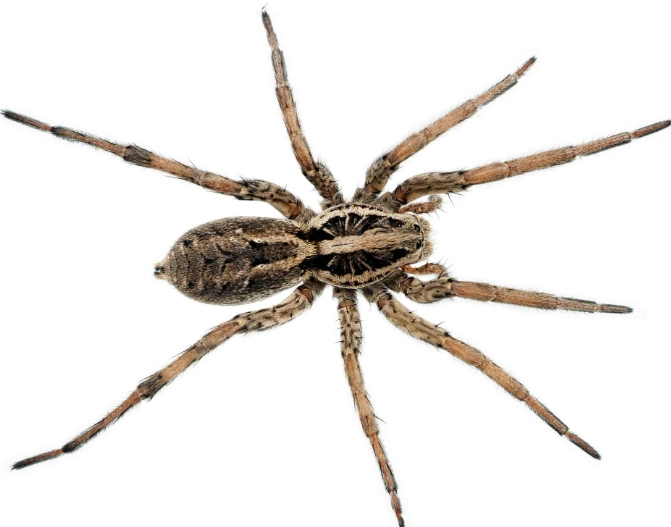
Prevention is the Best Medicine
- Seal Entry Points: This is your number one task. Check and repair weather stripping around doors and windows. Seal cracks in the foundation with caulk. Install tight-fitting screens on vents and crawl space openings.
- Reduce Outdoor Harborage: Keep firewood, lumber, and stone piles away from the house's foundation. Keep grass trimmed and avoid letting leaf litter build up right next to the house.
- Light Management: Since lights attract the insects that wolf spiders eat, consider switching exterior lights to yellow bug lights or moving them away from direct doorways.
What to Do When One Gets Inside
Don't panic. Remember, it's more scared of you. Your goal is to guide it back outside, not create a scene.
- The Cup-and-Card Method: This is the gold standard. Place a clear cup or glass over the spider. Gently slide a stiff piece of paper or cardboard underneath to trap it. Carry it outside and release it away from the house.
- The Gentle Guide: Sometimes, you can simply use a broom or a piece of paper to gently encourage it toward an open door.
I avoid using pesticides indoors for a single wolf spider. It's overkill, introduces chemicals into your living space, and kills a creature that was just passing through. Save the sprays for documented infestations of true pests.
Busting Common Myths About Wolf Spiders in Kansas
Let's clean up some of the nonsense you might hear at the hardware store or read online.
Myth 1: They are aggressive and will chase you. Nope. They run in a zig-zag pattern to escape. If you're between them and their hiding spot, it might seem like they're coming at you, but they're just trying to get around you. They have zero interest in a creature a thousand times their size.
Myth 2: They are deadly or their bites cause severe lesions. This is a case of mistaken identity, often blaming the wolf spider for a brown recluse bite. There is no medical evidence that wolf spider venom causes necrotic wounds.
Myth 3: They live in large groups in houses. They are solitary. Finding one wolf spider in your basement does not mean there's a nest. You might find a few over time, especially in a basement or garage, but they are not social and don't breed indoors in hidden colonies like some ants or cockroaches.
Your Kansas Wolf Spider Questions, Answered
The Big Picture: Wolf Spiders as Part of Kansas's Ecosystem
When you step back and look at the prairie or your own backyard as a whole system, every creature has a role. Wolf spiders are mid-level predators. They help control insects that could damage crops, gardens, or become nuisances in our homes. In turn, they are food for birds, reptiles, and small mammals. Removing them disrupts that balance.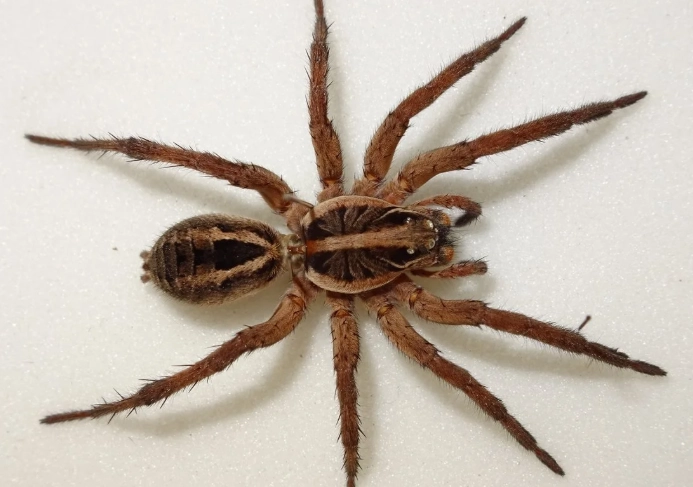
Living in Kansas means sharing the landscape with a diverse array of wildlife, and arachnids are a big part of that. The wolf spider, with its ground-level hustle and fascinating family life, is a prime example of the remarkable adaptation happening right under our feet (sometimes literally).
The goal isn't to make everyone love spiders. It's to replace fear with understanding. Knowing that the fast, hairy spider in your garage is a harmless wolf spider kansas native—a solitary hunter that would rather flee than fight, and is probably eating things you like even less—can change that moment of panic into a moment of curiosity. Or at least, into a calm and effective relocation mission.
Next time you see one, take a second to look. Notice its camouflage, its posture, its speed. You're looking at a successful, ancient design that has thrived on the Kansas plains long before we built our houses there. That deserves a bit of respect, even from a safe distance.
LEAVE A REPLY
Your email address will not be published. Required fields are marked *