Quick Guide
- What Exactly Is a Kudzu Beetle? Let's Get a Good Look.
- The Real Damage: Are Kudzu Beetles Good or Bad?
- How to Get Rid of Kudzu Beetles: A Practical Strategy Guide
- Kudzu Beetles vs. The Big Picture: Kudzu Management
- Your Kudzu Beetle Questions, Answered
- Final Thoughts: Living with (or Without) the Kudzu Beetle
Let's be honest. If you're dealing with kudzu, you already have enough on your plate. That fast-growing vine is a nightmare all by itself. And then you notice these little metallic-green beetles hanging around, adding insult to injury. You're probably wondering: are these guys friends or foes? Do they help by eating the kudzu, or are they just another problem? I had the same questions when I first spotted them in my own backyard, which backs onto a kudzu-choked ravine. Spoiler alert: it's complicated.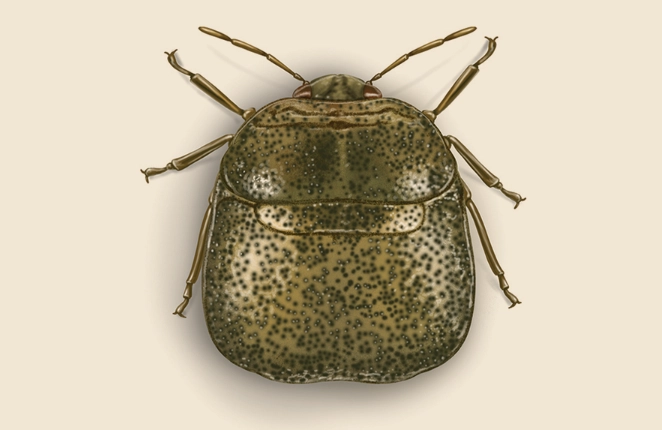
This isn't just a quick bug ID guide. We're going to dig deep into the life of the kudzu beetle (Megacerus discoidus, if you want to get scientific). We'll look at what it actually does, the real damage you can expect, and whether you should bother trying to control it. Some sources online give a very simplistic view, but the reality is more nuanced, and frankly, more interesting.
Quick Take: The kudzu beetle is a small, native seed-feeding beetle. Its entire life is tied to kudzu and a few related bean plants. It doesn't eat the leaves or stems—it targets the seeds. This makes its impact and the need for control very different from your typical leaf-munching garden pest.
What Exactly Is a Kudzu Beetle? Let's Get a Good Look.
Before you decide if you need to wage war, you need to be sure you've got the right bug. Misidentifying insects is a classic gardener's mistake—I've wasted time targeting beneficial bugs before, and it's frustrating.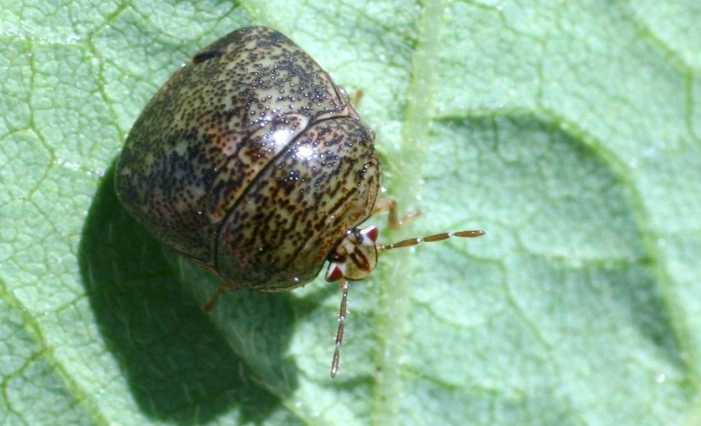
The adult kudzu beetle is actually quite pretty, in a bug sort of way. It's small, usually between 1/8 to 1/4 of an inch long. The color is what catches your eye: a shiny, metallic green or sometimes blue-green, like a tiny jewel. The body is oval and slightly domed. The larvae, which you'll rarely see unless you crack open a kudzu seed pod, are creamy white, C-shaped grubs with a brown head.
They're often confused with Japanese beetles or certain leaf beetles, but the behavior is a dead giveaway. You won't find kudzu beetles skeletonizing rose leaves. You'll find them on or near kudzu seed pods. That's their whole world.
Where do they live? Well, wherever kudzu grows. Originally native to parts of Asia, they hitched a ride to North America along with their host plant. Now, they're found throughout the southeastern United States, anywhere the infamous "vine that ate the South" has taken hold. Their range is a perfect map of kudzu infestation.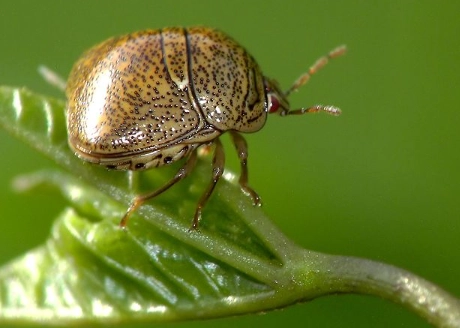
The Kudzu Beetle Lifecycle: A Story Told in Seed Pods
Understanding this lifecycle is key to understanding why they're a unique pest. It all revolves around the kudzu flower and seed.
- Egg Stage: In late summer, adult female beetles lay their tiny, cylindrical eggs on developing kudzu seed pods. They use a special secretion to glue them right onto the pod's surface.
- Larval Stage: This is the damaging stage. When the egg hatches, the tiny larva doesn't wander off. It bores directly through the pod wall and into a developing seed. It spends its entire larval life inside that single seed, eating it from the inside out. Talk about a sheltered upbringing! You'll never see these guys unless you open an infested pod.
- Pupal Stage: After fattening up, the larva pupates right there inside the hollowed-out seed. It transforms into an adult.
- Adult Stage: The new adult beetle chews its way out of the seed and the pod, emerges, and starts the cycle again. Adults feed a little on pollen or maybe nibble on pods, but their main mission is to mate and lay eggs on the next generation of pods.
This internal feeding habit makes them a classic "seed weevil," even though they're technically in the beetle family Chrysomelidae. It's a brilliant, if annoying, survival strategy. The seed protects them from most predators and weather.
The first time I split open a brown, dried kudzu pod and found a perfect little grub curled inside a seed, it was a real "aha" moment. Suddenly, the connection between the beetle and the plant made total sense. It also explained why I never saw damage on the leaves.
The Real Damage: Are Kudzu Beetles Good or Bad?
This is the million-dollar question. The answer isn't a simple yes or no. It depends entirely on your perspective and goals.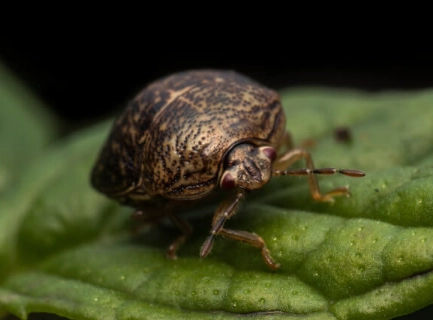
The (Potential) Good: A Natural Limit on Kudzu Spread?
Here's the argument you sometimes hear: kudzu beetles are a beneficial biological control agent. Since they destroy kudzu seeds, they could theoretically slow the plant's spread into new areas. Kudzu spreads vegetatively (by runners and root crowns) much more than by seed, but seed dispersal still matters, especially for crossing roads or reaching new patches.
Some entomologists have observed extremely high levels of seed infestation—up to 90% or more in some areas. That's a lot of seeds taken out of commission. So, in a vast, uncontrolled kudzu patch, the kudzu beetle might be a tiny ally, applying a small amount of natural pressure. The University of Georgia's College of Agricultural & Environmental Sciences has published observations on this seed predation effect, noting its role in the local ecology.
But here's the catch.
The (Actual) Bad: When They Become a Nuisance Pest
For most homeowners, gardeners, or farmers, the kudzu beetle's benefits are irrelevant. Here's where they cause real headaches:
- Targeting Legume Crops: This is the big one. Kudzu beetles don't limit themselves to kudzu. They readily attack related plants in the bean family (Fabaceae). This includes:
- Soybeans (a major economic crop)
- Garden beans (like lima beans, pole beans)
- Cowpeas (black-eyed peas)
- Lablab beans
They lay eggs on these crop pods just like they do on kudzu. The larvae bore in and destroy the seed, rendering it unsellable and inedible. - Nuisance Invasions: In late summer and fall, when adults are abundant and host plants dry up, they sometimes swarm. They can enter homes, land on people, and just generally be a bother. They don't bite or sting, but who wants hundreds of little beetles on their patio?
- Garden Damage: If you're trying to save seeds from your heirloom beans, the kudzu beetle can ruin your entire harvest. The damage is internal, so you might not know until you shell them.
The bottom line? If you have a kudzu patch a mile away and a soybean field in between, you might have a problem. If you're a backyard gardener growing beans near a kudzu-infested ditch, you will have a problem. Their role as a minor check on kudzu is vastly outweighed by their potential as an agricultural and garden pest.
Common Misconception Alert: I've read articles that vaguely call the kudzu beetle a "predator" or say it "eats kudzu." That's misleading. It's a seed predator. It doesn't touch the vast biomass of leaves and stems that make kudzu such an ecological menace. So no, it's not going to clear your overgrown lot. Not even close.
How to Get Rid of Kudzu Beetles: A Practical Strategy Guide
Okay, you've identified them and decided they're a problem for your beans or your peace of mind. What can you do? Control is tricky because of their lifecycle. Spraying adults might give short-term relief, but the protected larvae inside seeds are safe from everything except systemic pesticides, which come with their own baggage.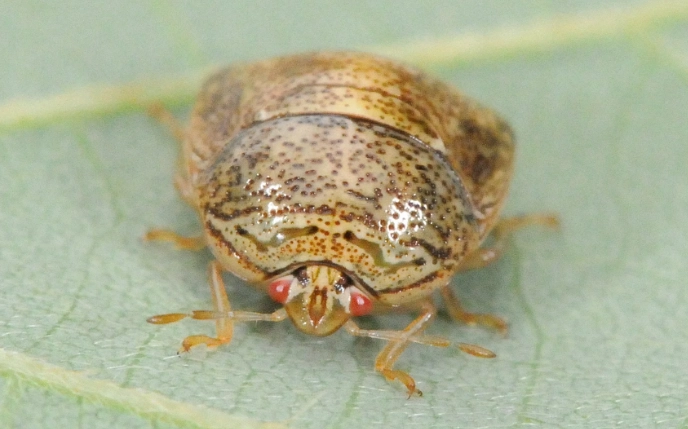
Here’s a breakdown of methods, from simple to more involved.
| Method | How It Works | Best For | Pros & Cons |
|---|---|---|---|
| Cultural Control: Pod Removal | Physically remove and destroy kudzu seed pods from nearby vines before they dry and beetles emerge. | Small-scale gardeners with a nearby kudzu source. | Pro: Highly effective, non-toxic, targets the source. Con: Labor-intensive, requires access to the kudzu patch. |
| Barrier & Exclusion | Use floating row covers over bean plants during flowering and pod set to prevent adults from laying eggs. | Protecting valuable garden bean crops. | Pro: 100% effective, organic, simple. Con: Can hinder pollination if not managed (need to remove for bee access). |
| Chemical Control: Contact Insecticides | Sprays like pyrethrins or carbaryl can kill adult beetles on contact. | Knocking down a severe adult swarm on crops. | Pro: Fast results. Con: Short residual, doesn't affect larvae in seeds, harms beneficial insects. |
| Chemical Control: Systemic Insecticides | Products like imidacloprid (applied as soil drench or seed treatment) are taken up by the plant, poisoning larvae feeding inside. | Large-scale soybean production with severe, predictable pressure. | Pro: Targets the hidden larval stage. Con: Not recommended for home gardens due to toxicity to pollinators (bees) if applied during bloom. |
| Biological Control: Let Nature Work | Allow natural predators (birds, spiders, predatory insects) to help. Avoid broad-spectrum sprays. | Low-level infestations, ecological management. | Pro: Sustainable, no cost. Con: Slow, not sufficient for heavy crop protection. |
My personal approach in my garden has been a combination. For my pole beans, I use floating row covers until the plants are done flowering and the pods start to form. It's a bit of extra work, but it's foolproof. I also make an effort to cut and bag any kudzu seed pods I can reach from the edge of my property in the late summer. It doesn't eradicate them, but it reduces the local population pressure significantly.
Gardeners' Tip: The single most effective thing you can do is time your plantings. Kudzu beetles are most active as adults in mid to late summer. Planting your beans early so they mature and you harvest pods before this peak activity can help you avoid damage entirely.
What Definitely Doesn't Work
Let's save you some time and money.
- Generic "bug zappers": They might kill a few adults but won't make a dent in the population and will slaughter beneficial moths and beetles.
- Diatomaceous earth on plants: It's useless when wet (dew, rain) and doesn't affect the larvae inside seeds.
- Spraying the kudzu patch itself: A colossal waste of herbicide and effort just for beetle control. The beetles are mobile and will just come from another patch.
Kudzu Beetles vs. The Big Picture: Kudzu Management
You can't talk about this beetle without talking about the plant. Trying to manage kudzu beetles while ignoring the kudzu vine is like mopping the floor while the sink overflows. It's a temporary fix.
Effective, long-term kudzu management is a multi-year commitment involving repeated cutting, grazing, or professional herbicide application to kill the massive root crowns. The USDA Natural Resources Conservation Service (NRCS) provides extensive guides on this, acknowledging it's one of the toughest invasive plants to control. As the kudzu patch declines, so does the reservoir population of the kudzu beetle. It's the ultimate source reduction strategy.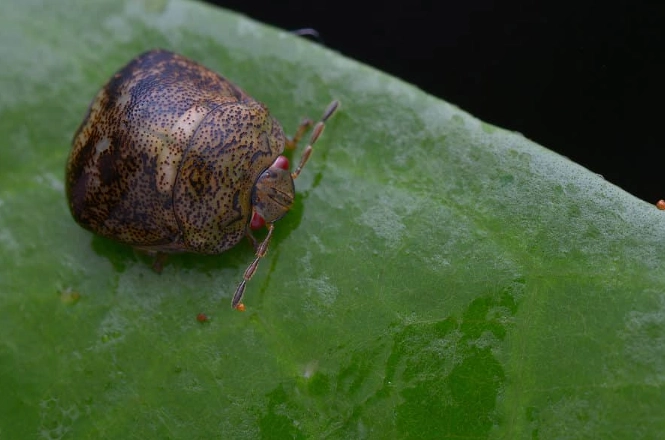
Think of it this way: the beetle is a symptom. The kudzu is the disease.
Your Kudzu Beetle Questions, Answered
Final Thoughts: Living with (or Without) the Kudzu Beetle
After all this, my view on the kudzu beetle is one of grudging respect. It's a fascinating, specialized insect that evolved to exploit a specific niche. Its life story is incredible. Unfortunately, that niche now overlaps with our crops and gardens, turning it from a curious native into a problematic invader alongside its host plant.
The key takeaway is to tailor your response to your situation.
- If you have a big kudzu patch and no beans: Ignore them. They're part of the local fauna and might be doing a tiny bit of good.
- If you're a home gardener growing beans: Focus on exclusion (row covers) and timing. It's the most effective and least toxic path.
- If you're a farmer: Scout fields, monitor pod damage, and consult with your local extension agent for the latest integrated pest management (IPM) recommendations for your area and crop. The economic threshold for treatment in soybeans is a specific calculation.
Dealing with the kudzu beetle ultimately forces you to look at the larger landscape. It connects your garden to the wild (or not-so-wild) edges around it. In that sense, this little green beetle is more than just a pest; it's a reminder of how intertwined our managed spaces are with the complex ecology moving in right next door.
And if nothing else, next time you see one, you'll know its whole story—from the egg glued to a pod to the grub in a seed to the shiny adult looking for a mate. That knowledge, I've found, makes any garden problem a little more manageable, and a lot more interesting.
LEAVE A REPLY
Your email address will not be published. Required fields are marked *