Quick Navigation
Let's be honest, the word "wasp" probably doesn't conjure up the friendliest images. You're likely thinking of a buzzing, striped insect that seems to have a personal vendetta against your summer picnic. I get it. I've had my fair share of run-ins, including the time I accidentally mowed over a ground nest. Not a fun afternoon, let me tell you. But here's the thing – lumping all those flying, stinging insects under one scary label does them a disservice, and it doesn't help you deal with them effectively.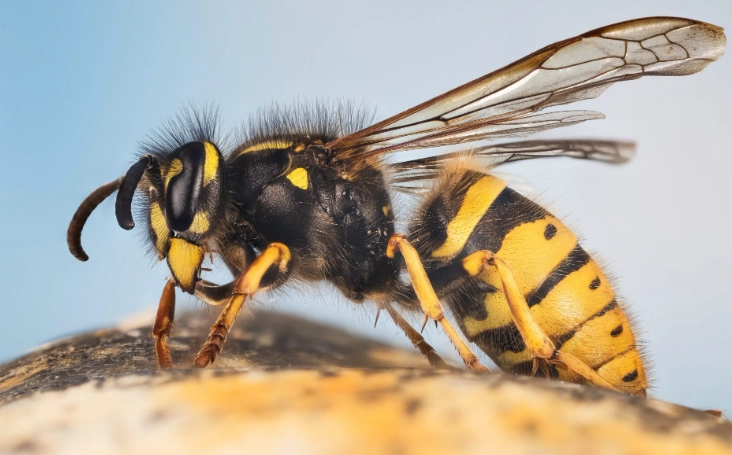
When people search for "american wasp," they're usually not looking for a single species. They're trying to make sense of the yellow-and-black buzzers terrorizing their porch light or building a paper palace under their eaves. The term often serves as a catch-all for the most common social wasps found across North America. This guide is here to cut through the confusion and the fear. We'll break down exactly what you're dealing with, why they do what they do, and most importantly, how you can manage them safely – or even learn to appreciate their role in your garden.
Quick Takeaway: There's no single insect called the "American wasp." The term usually refers to common social wasp genera like Vespula (yellowjackets) and Polistes (paper wasps), which are native or naturalized across the continent. They're distinct from bees and solitary wasps, primarily known for their social colonies, paper nests, and, yes, their ability to sting repeatedly.
Meet the Usual Suspects: Common American Wasp Species
If you see a wasp in the U.S., chances are high it belongs to one of a few key groups. Knowing which one you're looking at is the first step to understanding its behavior and threat level. Misidentifying a docile paper wasp for an aggressive yellowjacket can lead to unnecessary panic.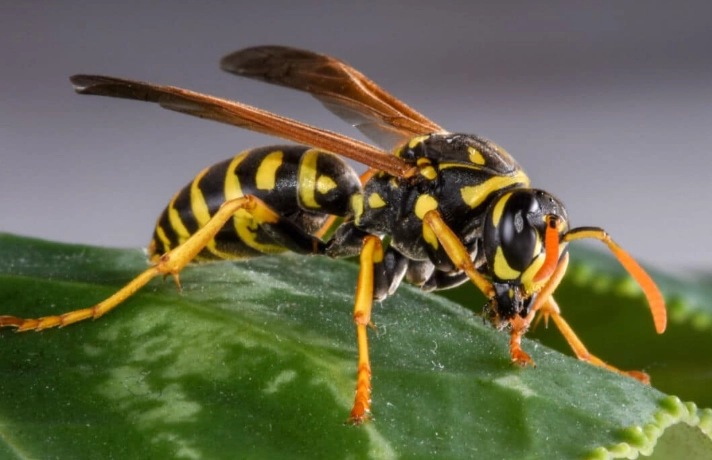
The Aggressive Foragers: Yellowjackets (Vespula and Dolichovespula)
These are the ones that ruin barbecues. Yellowjackets are often what people mean when they complain about an American wasp. They're highly social, with large colonies that can house thousands of workers by late summer. Their nests are often hidden – in underground cavities, wall voids, or dense shrubs – which makes accidental encounters common. They're attracted to proteins and sugars, so your soda, burger, and garbage can are all prime targets. Their defensive behavior is fierce; disturb their nest, and they will pursue you. The University of Kentucky's Entomology Department has a great resource on yellowjacket biology and management that dives deep into their life cycle.
I find their underground nests particularly sneaky. You might not know it's there until you step right on it or run it over with a lawnmower.
The Umbrella Architects: Paper Wasps (Polistes)
Paper wasps are the more artistic, but still potentially problematic, cousins. They build those iconic open-comb, umbrella-shaped nests you see hanging from porch ceilings, window frames, and tree branches. The nest looks like a series of exposed hexagonal cells. Colonies are much smaller than yellowjackets', usually only a few dozen individuals. They're generally less aggressive than yellowjackets – they'd rather fly away than fight – but they will defend their nest if you get too close. They're fantastic predators of garden caterpillars, so having a nest in an out-of-the-way spot can be beneficial. Their long legs dangle in flight, which is a good way to tell them apart from the stockier yellowjacket.
The Bald-Faced Bullies: Bald-Faced Hornets (Dolichovespula maculata)
Despite the name, this is actually a type of yellowjacket, not a true hornet. They're easily identified by their black and white (or ivory) coloration instead of black and yellow. They build large, football-shaped, enclosed paper nests, often high in trees or on shrubs. They can be very defensive of their aerial fortress. I once had one the size of a watermelon in a tree at the back of my property; we gave it a very wide berth all summer.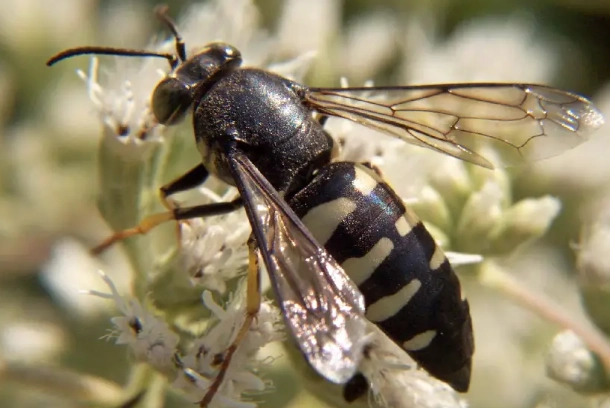
The Gentle Giants: Cicada Killers (Sphecius speciosus)
This is where we must clear up a major misconception. Cicada killers are solitary wasps and are often mistaken for massive, terrifying yellowjackets. Females are huge (up to 2 inches long) and dig burrows in sandy soil. They hunt cicadas to feed their young. Here's the crucial part: males have no stinger, and females are incredibly reluctant to sting humans; they're just not interested in us. Their intimidating size is for wrestling cicadas, not for attacking people. Seeing a lawn pocked with their burrows can be alarming, but they pose minimal risk. The NC State Extension notes their beneficial role and low threat level.
| Species (Common Name) | Nest Type & Location | Colony Size | Typical Aggression Level | Key Identifier |
|---|---|---|---|---|
| Yellowjacket | Enclosed paper; underground, wall voids, shrubs. | Large (1,000-5,000+) | High (especially near nest/food) | Smooth, bright yellow and black bands; short legs. |
| Paper Wasp | Open-comb, umbrella-shaped; under eaves, overhangs. | Small (20-100) | Low to Moderate (defensive of nest) | Slender body, long dangling legs; brown with yellow or reddish marks. |
| Bald-Faced Hornet | Large, enclosed football shape; high in trees, shrubs. | Medium (100-700) | High (very defensive of nest) | Black with white/ivory face and markings. |
| Cicada Killer | Single burrows in bare, sandy soil. | Solitary (no colony) | Very Low (females non-aggressive) | Very large (1.5-2"), black with yellow bands; hairy. |
Wasp Life Cycle and Behavior: Why They Do What They Do
Understanding their yearly cycle explains a lot of their annoying behavior. It's not personal; it's just biology.
In spring, a single fertilized queen, who mated the previous fall and overwintered in a sheltered spot, emerges. She finds a suitable site, chews wood fibers into paper pulp, and starts building the first few cells of her nest. She lays eggs in these cells and forages to feed the first batch of larvae herself. It's a tough, solitary start.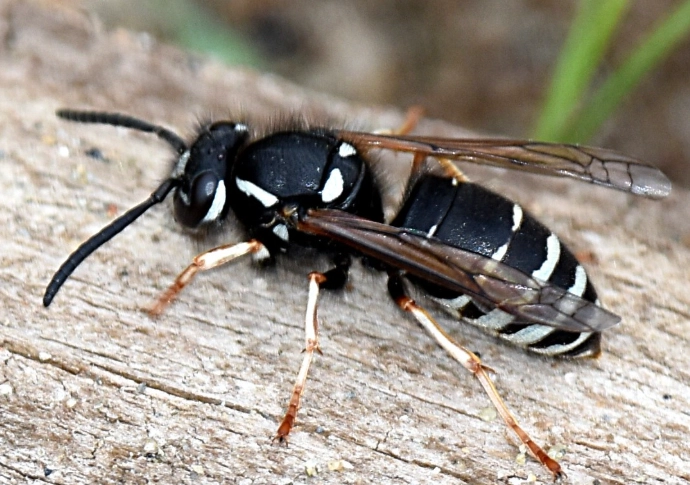
By early summer, those first eggs hatch into sterile female workers. They take over all the work – expanding the nest, foraging for food (insects for protein, nectar for sugar), and feeding the new larvae. The queen becomes essentially an egg-laying machine. The colony grows exponentially.
Late summer and early fall are peak season. The colony is at its largest, and foraging is frantic. This is when encounters with people peak. Workers are feeding thousands of mouths, so they're everywhere. As days shorten, the colony's focus shifts. The queen stops laying worker eggs and produces new queens and males (drones). These new reproductive individuals leave the nest to mate.
After mating, the new queens find a secluded spot to hibernate. The old queen, the males, and all the workers die with the first hard frost. The nest is abandoned and never reused. This is key: that huge, scary nest on your house is a one-year structure. Come winter, it's empty.
The Sting: What Happens and What to Do
This is the part everyone dreads. Unlike a honey bee, which has a barbed stinger that pulls out its guts (killing it), an American wasp has a smooth stinger. This means it can sting you multiple times, injecting venom with each jab. That's why yellowjacket attacks feel so relentless.
The venom contains a mix of chemicals designed to cause pain and inflammation – it's a defense mechanism. For most people, a sting results in immediate, sharp pain, followed by redness, swelling, and itching around the site. This local reaction usually subsides in a few hours to a day.
When to Seek Immediate Medical Attention: A severe allergic reaction (anaphylaxis) is a medical emergency. Symptoms can include difficulty breathing, swelling of the lips/tongue/throat, dizziness, rapid pulse, a rash spreading beyond the sting site, or nausea/vomiting. If you or someone else experiences these symptoms after a sting, call emergency services (911 in the US) immediately.
Immediate First Aid for a Normal Reaction:
- Wash the area with soap and cool water.
- Apply a cold pack or ice (wrapped in a cloth) to reduce swelling and pain. Do this for 10 minutes on, 10 minutes off.
- You can take an over-the-counter antihistamine (like Benadryl) for itching and an analgesic (like ibuprofen or acetaminophen) for pain.
- A paste of baking soda and water or a dab of hydrocortisone cream can help soothe itching.
- Do not use tweezers to try and "pluck" the stinger; you might squeeze more venom in. Wasps usually don't leave a stinger behind, but if one is present, scrape it off sideways with a credit card or fingernail.
To Coexist or to Control? Your Options
Not every wasp nest needs to be a declaration of war. Your strategy should depend on the species, location, and risk.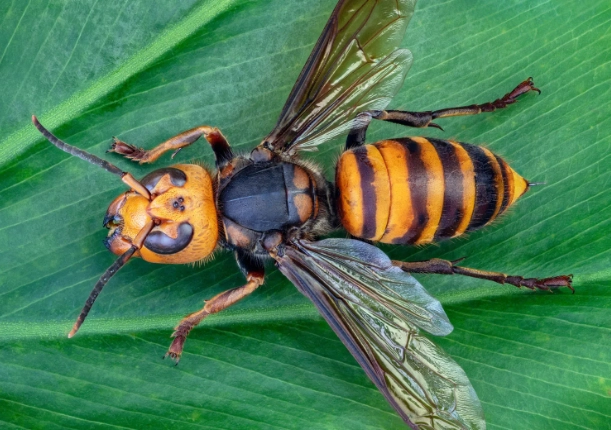
When to Leave Them Be (Tolerance)
Wasps are important predators. A single colony can remove thousands of caterpillars, flies, and other insects from your garden. If a nest is...
- In an out-of-the-way location (e.g., high in a back corner tree, in a remote shed).
- Belongs to a less aggressive species like paper wasps.
- Not posing a direct threat to human or pet traffic.
...consider letting it be. The colony will die naturally in the fall. You can then safely remove the empty nest in winter to prevent a queen from using it as a starter home next spring (they don't reuse old nests but might build near them).
Safe and Effective Wasp Control Methods
When a nest is too close for comfort – near a doorway, on a playground structure, in a frequently used attic – action is needed. Safety first: if the nest is large, hard to reach, or you are allergic, hire a professional pest control operator. It's worth the cost.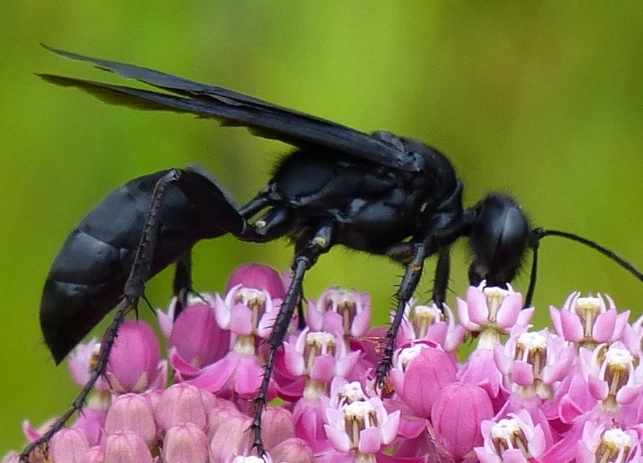
For DIY Treatment:
- Timing is Everything: Treat at dusk, dawn, or night when wasps are less active and most are inside the nest. Wear protective clothing – long sleeves, pants, gloves, and a hat/veil if you have one.
- Use an Aerosol Wasp & Hornet Spray: These sprays shoot a jet stream up to 20 feet. Read the label thoroughly. Stand upwind, aim the stream directly into the nest entrance (usually at the bottom), and saturate it. Do not stand directly underneath. Leave the area immediately and do not disturb the nest for at least 24 hours.
- For Ground Nests (Yellowjackets): This is trickier and riskier. Some insecticides are labeled for pouring into ground nests. Again, apply at night with extreme caution. Placing a clear glass bowl over the entrance at night can also work – it traps them inside, and they eventually starve, but it takes time.
- Trapping: Commercial or homemade traps (with a sugar/water/vinegar or meat bait) can reduce foraging worker numbers. Place traps away from your patio or house, at the perimeter of your yard, to draw them away. They won't eliminate a colony but can help manage nuisance activity.
Prevention: How to Make Your Property Less Appealing
An ounce of prevention is worth a pound of cure, especially with wasps.
- Seal Entry Points: In early spring, check your home's exterior. Seal cracks, crevices, and holes in siding, around rooflines, and where utilities enter. This prevents queens from starting nests inside wall voids.
- Manage Food Sources: Keep garbage cans tightly sealed. Clean up food and drink spills immediately during outdoor gatherings. Pick up fallen fruit from trees. Keep pet food indoors.
- Reduce Attractants: Wasps are drawn to sweet smells. Be mindful of fragrant perfumes, lotions, and brightly colored clothing (especially floral prints) when spending time outdoors in peak season.
- Pre-empt Nest Sites: In spring, regularly check under eaves, porch ceilings, playground equipment, and sheds for the small, starter nests a queen might build. Knocking down a golf-ball-sized nest early is far easier than dealing with a basketball-sized one in August.
Common Questions About the American Wasp (FAQ)
What's the difference between a wasp, a bee, and a hornet?
Bees are hairy, vegetarian (pollen/nectar), and usually rounder. Most can only sting once. Hornets are a subset of wasps, typically larger; in North America, the European hornet (brown and yellow) is the only true hornet, and the bald-faced "hornet" is actually a yellowjacket. Wasps are generally hairless, carnivorous/omnivorous, have a pinched waist, and can sting repeatedly.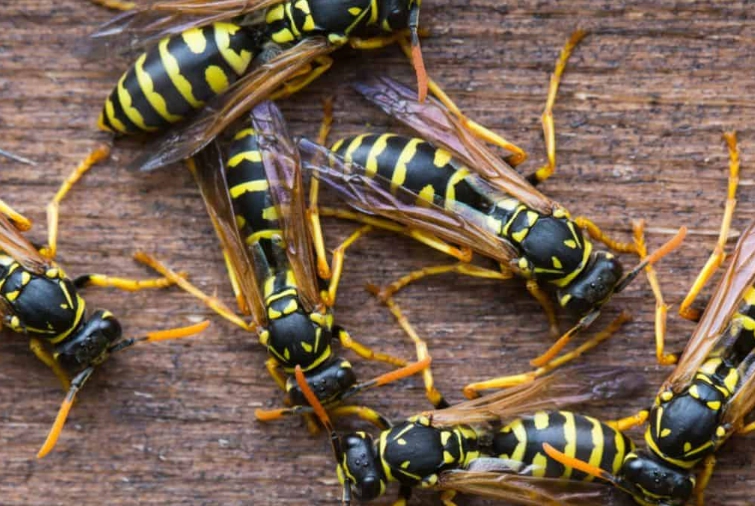
How many times can an American wasp sting?
Because it has a smooth stinger, a social wasp like a yellowjacket or paper wasp can sting you multiple times. This is a key difference from the honey bee.
Do wasps serve any good purpose?
Absolutely. They are major predators of many insect pests, including caterpillars, flies, and aphids. They act as natural pest control in gardens and agricultural areas. They are also minor pollinators, though not as efficient as bees.
What attracts wasps to my house?
Protected nesting sites (eaves, soffits, attics), food sources (open trash, pet food, fallen fruit), and water. In spring, a queen is simply looking for a good, sheltered spot to start her family.
How can I safely remove a wasp nest?
For small, accessible nests, use an aerosol jet-spray at night. For any nest that is large, in a wall void, or in a high-risk area (like a child's play set), hire a professional. The U.S. Environmental Protection Agency provides resources on safe pest control practices and finding professionals.
Are homemade wasp spray solutions (like soap and water) effective?
A strong solution of soapy water can suffocate wasps on contact and is a less toxic option for small, exposed nests you can drench directly. It doesn't have the residual power of commercial insecticides, so you need to hit the insects directly. It's a bit riskier as you need to be closer.
Look, wasps will never be as lovable as butterflies. But understanding them takes away some of the fear. That buzzing American wasp is mostly just a busy parent trying to feed its kids, not a miniature fighter jet targeting you. By learning to identify them, respecting their space when possible, and dealing with problem nests safely and smartly, you can reclaim your summer peace of mind. Sometimes the answer isn't annihilation, but a bit of strategic negotiation with your local ecosystem.
And remember, if in doubt, call a pro. There's no shame in that. I've done it for the big, scary nests. My ego is intact, and so is my sting-free skin.
LEAVE A REPLY
Your email address will not be published. Required fields are marked *