Quick Overview
Let's be honest. You're not here because you think gnat bugs are fascinating creatures (though, they kinda are in a weird way). You're here because a cloud of tiny, annoying flies has declared war on your kitchen, your houseplants, or your sanity. One day you see a couple. The next, it's like a tiny air force doing maneuvers around your fruit bowl. I get it. I've been there. Standing in my own kitchen, waving my hands like a mad conductor, wondering where on earth they all came from.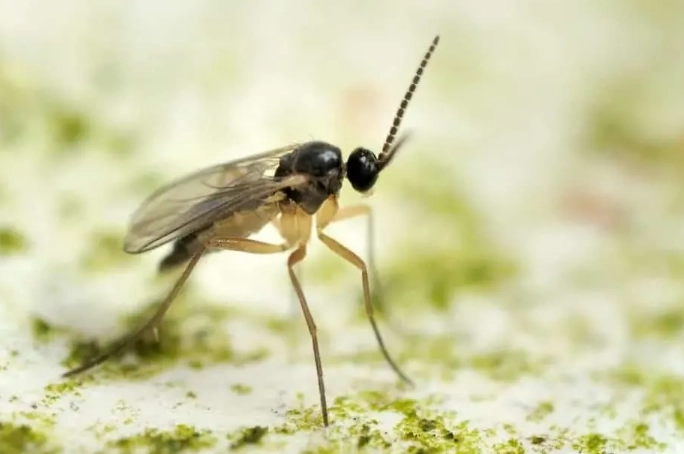
That feeling of frustration is exactly why I put this guide together. We're going to move past the quick fixes that never last and get to the heart of the problem. This isn't about randomly pouring bleach down drains or buying the first spray you see. It's about understanding what you're dealing with, hitting them where it hurts, and making sure they don't come back. Think of it as a strategic battle plan against your six-legged invaders.
What exactly are "gnat bugs" anyway? Here's the thing – "gnat" isn't a super precise scientific term. It's a catch-all name we use for a bunch of different small, flying insects. When most people complain about gnats, they're usually talking about one of three main culprits: fruit flies, fungus gnats, or drain flies. Mixing them up means using the wrong tactics, which is why we'll start with identification.
What Kind of Gnat Bug Is Bugging You? A Simple Identification Guide
You can't win a fight if you don't know your enemy. Throwing a fruit fly trap at a drain fly infestation is like bringing a spoon to a gunfight. Pointless. So let's break down the usual suspects. I'll keep it simple – no need for a PhD in entomology here.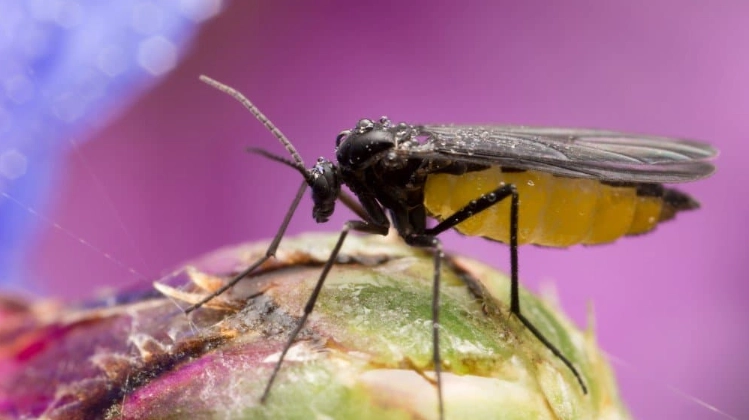
Fruit Flies (The Kitchen Raiders)
These are the classic guys. You'll know them by their tan or light brown bodies and those bright red eyes. They're magnetically attracted to anything fermenting. A forgotten banana on the counter, a splash of wine, a tomato that rolled under the fridge – that's their five-star restaurant. Their life cycle is crazy fast (more on that later), which is why three flies on Monday can feel like three hundred by Thursday.
Fungus Gnats (The Plant Assassins)
If your problem is centered around your potted plants, meet the fungus gnat. They're darker, almost black, with long legs and a more mosquito-like appearance. The adults are annoying, but the real trouble is in the soil. The larvae are tiny, translucent worms that munch on plant roots and organic matter in damp potting mix. Ever seen tiny flies scatter when you water your plants? Bingo. That's them. For any plant lover, these gnat bugs are public enemy number one.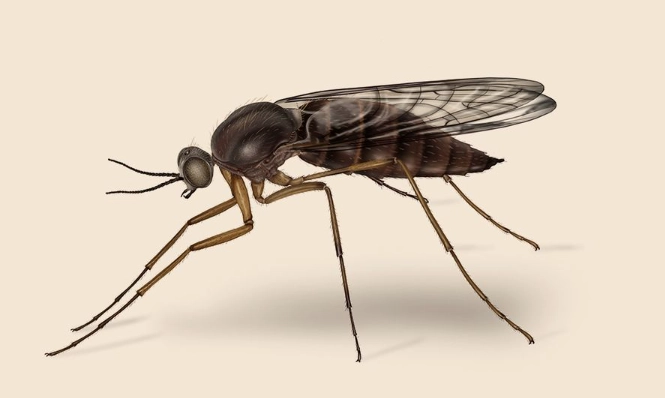
Drain Flies (The Fuzzy Sewer Dwellers)
These look different. They have a distinct, moth-like shape with fuzzy wings and a darker, grayish color. They're poor fliers and often seem to just hop or crawl along surfaces. Their name gives away their favorite hangout: the slimy biofilm inside sink, shower, or floor drains. If you see small, moth-like insects hanging out around your bathroom sink, you're probably dealing with drain flies.
| Gnat Type | Key Identifying Features | Favorite Hangout (Source) | Main Attraction |
|---|---|---|---|
| Fruit Flies | Tan body, bright red eyes, small (~1/8 inch) | Overripe fruit, fermenting liquids, trash cans | Yeast and sugars from fermentation |
| Fungus Gnats | Black, long legs, delicate, mosquito-like | Damp potting soil of houseplants | Fungi and organic matter in moist soil |
| Drain Flies | Moth-like, fuzzy wings, dark gray, hops more than flies | Gunky biofilm inside sink/shower drains |
See? Already it's getting clearer. Knowing which gnat bug you have is 50% of the battle. The other 50% is a brutal, no-mercy eradication plan. Let's get to it.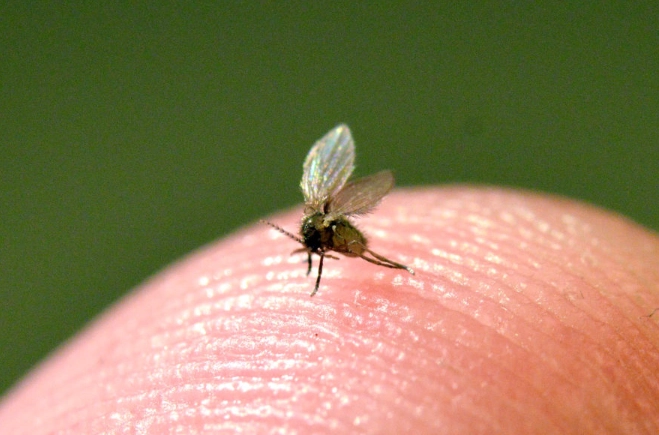
The Step-by-Step Battle Plan to Eradicate Gnat Bugs
Okay, enough theory. Let's talk action. This isn't a single-method solution. It's a multi-pronged attack. You need to kill the adults you see, break their life cycle, and eliminate their breeding grounds. Miss one step, and you're just waiting for the next generation to hatch.
A crucial warning before we start: Avoid the temptation to just spray insecticide everywhere. It's a bad move. First, it's often ineffective against the larvae and eggs. Second, you're coating your home in chemicals. Third, for fungus gnats on plants, spray can damage the leaves. We're going for smart, targeted, and effective.
Step 1: Find and Eliminate the Source (This is Non-Negotiable)
This is the most important step, and most people skip it. Traps are great, but they're just mopping up the problem if the source is still pumping out new bugs. You have to play detective.
- For suspected Fruit Flies: Do a deep kitchen clean. Take out all trash and recycling. Check for old potatoes or onions in the pantry. Look for spills under appliances. Empty and clean the bottom of your trash can. Store all fruit in the fridge for a week. I once found the source was a forgotten bag of potatoes that had liquified at the back of a cupboard. Nasty.
- For suspected Fungus Gnats: Your plants are the crime scene. Stick a slice of raw potato on the soil surface. Check it after 4-6 hours. If you see tiny white or clear larvae on it, you've confirmed the infestation. The soil is too wet. You need to let it dry out completely between waterings. I mean, completely. For severe cases, repotting with fresh, sterile soil is the nuclear option, but it works.
- For suspected Drain Flies: Tape some clear plastic wrap tightly over a suspect drain overnight. In the morning, if you see adults trapped on the underside, you've found the culprit drain. They're breeding in the gunk down there.
Finding the source feels like a victory. Because it is.
Step 2: Deploy Traps to Catch the Adult Gnat Bugs
While you're drying out soil or cleaning drains, you need to deal with the adults buzzing around. Here are the best DIY traps I've used. They're cheap, easy, and weirdly satisfying to check.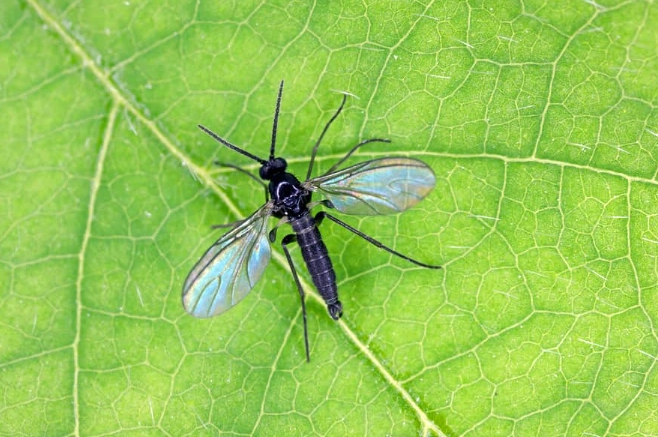
Top DIY Gnat Trap Methods:
- The Apple Cider Vinegar Trap: The classic for fruit flies. Small dish, half-inch of apple cider vinegar, a drop of dish soap. Cover with plastic wrap, poke tiny holes. The vinegar attracts them, the soap breaks the surface tension so they drown. Works like a charm.
- The Wine Bottle Trick: Left a half-inch of red wine in the bottle? Leave it out uncorked. They fly in, can't get out. Simple.
- The Potato Trap (for Fungus Gnats): This one targets the larvae. As mentioned, a slice of raw potato on the soil draws larvae. Check and replace daily. It's a good way to reduce larvae numbers while you let the soil dry.
- Sticky Yellow Stakes: For fungus gnats, these are fantastic. Stick them in the plant soil. The yellow color attracts the adult gnats, and they get stuck. It's a great visual indicator of the problem's severity.
Step 3: Treat the Breeding Ground (The Knockout Punch)
This is how you win the war.
- For Drains: Boiling water is okay, but the gunk is sticky. A better method is to use a bacterial drain cleaner like those containing Bacillus strains (e.g., Green Gobbler). These enzymes eat the organic sludge the drain flies breed in. Pour it down at night, let it sit. Do it weekly for a month. For a deep clean, physically remove the drain cover and scrub the pipe walls with a small brush. Not glamorous, but effective.
- For Plants (Fungus Gnats): Letting soil dry is key. For active infestations, a soil drench with Bacillus thuringiensis israelensis (Bti) is a game-changer. You can find it as mosquito dunks/bits. Soak a dunk in your watering can for 30 minutes, then water your plants with it. The Bti bacteria are toxic only to the larvae of flies and mosquitoes, not to plants, pets, or people. It's a targeted, biological weapon. The University of California Statewide Integrated Pest Management Program recommends this method as a highly effective and low-toxicity option.
I was skeptical about the mosquito dunk method for fungus gnats at first. It seemed too easy. But after two waterings, the constant cloud of tiny black flies around my fiddle-leaf fig was just... gone. The plant was happier too, probably because its roots weren't being eaten anymore.
Step 4: Prevention: How to Make Your Home a Gnat-Free Zone
Winning the battle is one thing. You want to win the war permanently. Prevention is about habits.
- Kitchen Hygiene: Don't leave ripe fruit out. Take trash out regularly. Clean up spills immediately. Rinse bottles and cans before recycling. It sounds basic, but it's the foundation.
- Plant Care: This is the big one for fungus gnats. Water less. Seriously. Stick your finger an inch into the soil. If it's damp, don't water. Use pots with good drainage holes. Consider a top dressing of sand or gravel (about 1/2 inch) on your plant soil – it dries out quickly and makes it harder for gnats to lay eggs.
- Drain Maintenance: Run hot water down seldom-used drains weekly. Use enzymatic cleaners monthly to prevent build-up. Fix any leaks under sinks that create constant moisture.
Look, some products claim to be a one-stop solution. In my experience, they rarely are. The integrated approach – find source, trap adults, kill larvae, change habits – is what actually works against these persistent gnat bugs.
Are Gnat Bugs Dangerous? Separating Fact from Fear
This is a common worry. You see a swarm of insects and think: disease! The risk from the common household gnats we're discussing is actually quite low, but it's not zero, and there are some real nuisances.
- Disease Transmission: Fruit flies and fungus gnats aren't major disease vectors like mosquitoes or house flies. However, fruit flies can potentially transfer bacteria (like E. coli or Salmonella) from a rotting food source to your clean counters or food simply by landing on it. It's a contamination risk, not a direct injection of pathogens. The Entomological Society of America notes that while they can carry microbes, the public health threat is considered minor compared to other pests.
- Plant Damage: This is the real danger from fungus gnats. The larvae feed on fine root hairs. For seedlings, cuttings, or stressed plants, this can stunt growth, cause yellowing, wilting, and even kill the plant. For established, healthy plants, it's more of an annoyance, but why let anything munch on your prized monstera?
- Pure Annoyance: Let's not downplay this. They fly in your face, land in your drink, and create a general feeling of an unclean home. The psychological impact is real!
So, while you're not likely to get malaria from a fungus gnat, they're unwelcome guests that can harm your plants and your peace of mind. Enough reason to evict them.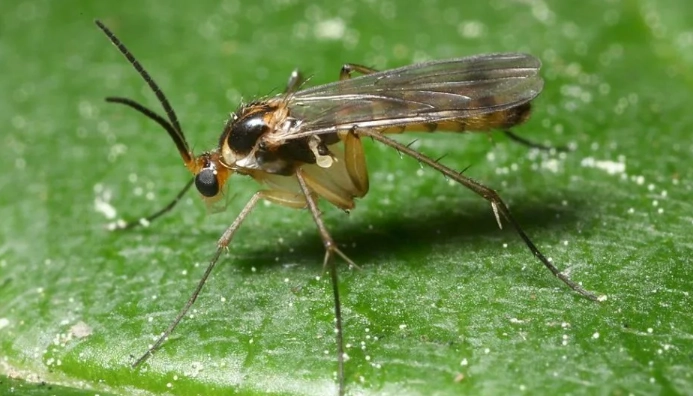
Your Gnat Bug Questions, Answered (FAQs)
The adult stage is frustratingly short – usually about a week. But here's the kicker: their entire life cycle from egg to adult can be as quick as 3-4 weeks under ideal (warm, moist) conditions. A single female fruit fly can lay 500 eggs. You do the math. That's why populations explode so fast. You're not fighting the adults you see; you're fighting the unseen eggs and larvae.
Good question. Mosquitoes are larger, have a pronounced needle-like proboscis for sucking blood, and make that distinctive high-pitched whine. Gnats are smaller, don't bite (with a few rare outdoor exceptions like biting midges, which are a different story), and have a more erratic, hovering flight. No bite = it's a gnat.
This drives people crazy. They think cold should kill them. Indoor infestations happen because your home is a perfect, climate-controlled ecosystem. Houseplants provide year-round fungus gnat breeding. Fruit is always in the kitchen. Drains are always warm. The outdoors has no bearing on an indoor infestation once it's started.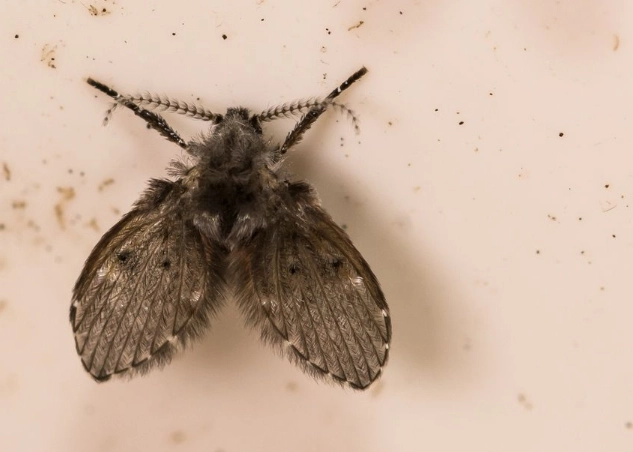
Only if you remove all food and breeding sources completely. If there's damp soil or a rotting onion, the cycle continues. Hoping they'll just leave is a losing strategy. They have everything they need right there in your home.
I have a strong opinion here: usually not, and they're overkill. Aerosol sprays might kill the adults in the air, but they do nothing to the eggs and larvae in soil or drains. Foggers fill your home with chemicals for a problem often centered on a single drain or plant. It's like using a flamethrower to light a candle. The targeted methods we discussed (traps, soil drenches, drain cleaners) are more effective, safer, and cheaper. The U.S. Environmental Protection Agency emphasizes always trying integrated, least-toxic methods first for pest control.
Quick Recap for the Overwhelmed: If you take away three things, let it be these: 1) Figure out which gnat you have (fruit, fungus, or drain). 2) Your mission is to find and destroy their breeding site—the wet soil, the rotten food, the slimy drain. 3) Be patient and consistent. Breaking the life cycle takes a week or two. Don't give up after two days.
Dealing with gnat bugs is a test of patience and attention to detail. It's not complicated, but it requires a systematic approach. Skip the gimmicks and the panic sprays. Go back to basics: identify, eliminate the source, trap, and change the conditions that invited them in the first place.
Your home can be gnat-free. It just takes the right knowledge and a bit of diligent action. Start tonight. Put out that apple cider vinegar trap, check your plant soil, and take the trash out. You've got this.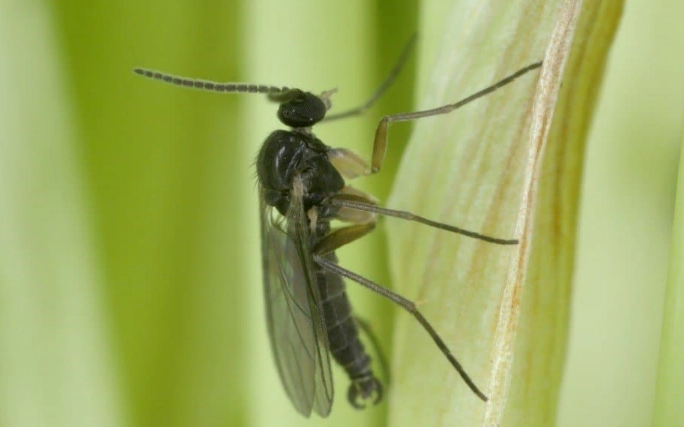
LEAVE A REPLY
Your email address will not be published. Required fields are marked *